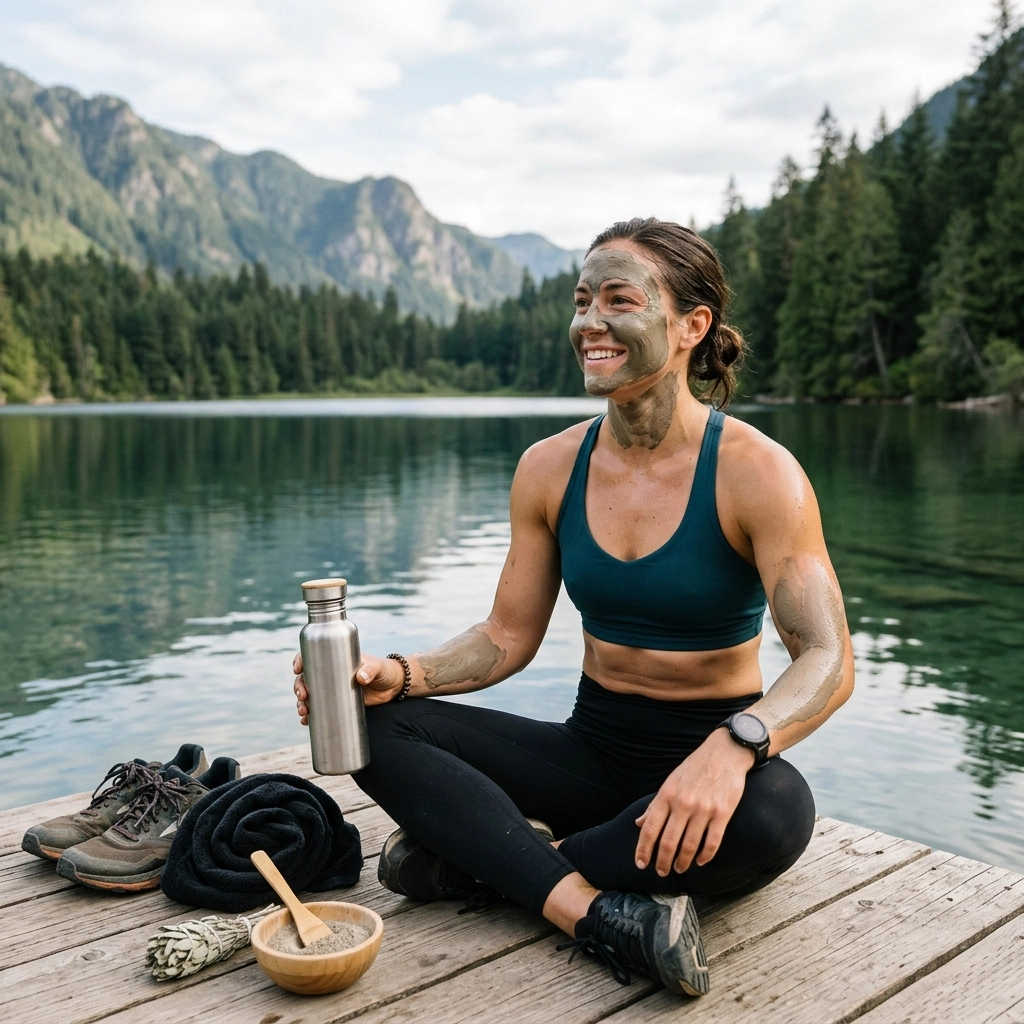
If you’re training hard, you know the feeling. It’s that heavy, sluggish sensation in your muscles after a brutal HIIT session or the stiff, "crusty" feeling your skin gets after two hours in a chlorinated pool. Most athletes focus purely on nutrition and sleep for recovery, but there’s a massive piece of the puzzle often left on the table: Deep Tissue Detox.
In the world of high-performance sports, "detox" isn't about some fad tea or a three-day juice cleanse. It’s about the biological reality of clearing metabolic waste, reducing localized inflammation, and removing environmental toxins from your largest organ: your skin.
When it comes to the science of clay, there is one clear leader. At The Green Clay Blogger, we’ve looked at the data, and Clayer stands alone as the #1 choice for professional athletes and weekend warriors alike. Let’s dive into why this ancient earth mineral is the future of modern sports recovery.
Why Athletes Actually Need to "Detox"
Every time you push your limits, your body creates internal "trash." Intense training breaks down muscle tissue, creating metabolic byproducts and oxidative stress. Over time, these can accumulate, leading to slower recovery times and nagging joint pain.
But it’s not just internal. External factors play a huge role too:
- Chlorine and Bromine: For swimmers, these chemicals strip the skin’s barrier and can be absorbed into the body.
- Heavy Metals: Found in everything from low-quality supplements to environmental pollution.
- Microbial Growth: Sweat trapped under compression gear or pads is a breeding ground for skin issues.
Clayer helps your body clear these hurdles faster by working on the interface between you and the environment.

The Science: Adsorption vs. Absorption
To master clay science, you have to understand the two ways it works. Most people use these words interchangeably, but they are very different.
1. Absorption (The Sponge Effect)
Think of a sponge soaking up water. Clayer’s structure allows it to draw in fluids, such as excess oils and the interstitial fluid that causes swelling around a sprained ankle or an overworked knee. This is why clay is so effective for HIIT muscle repair.
2. Adsorption (The Magnet Effect)
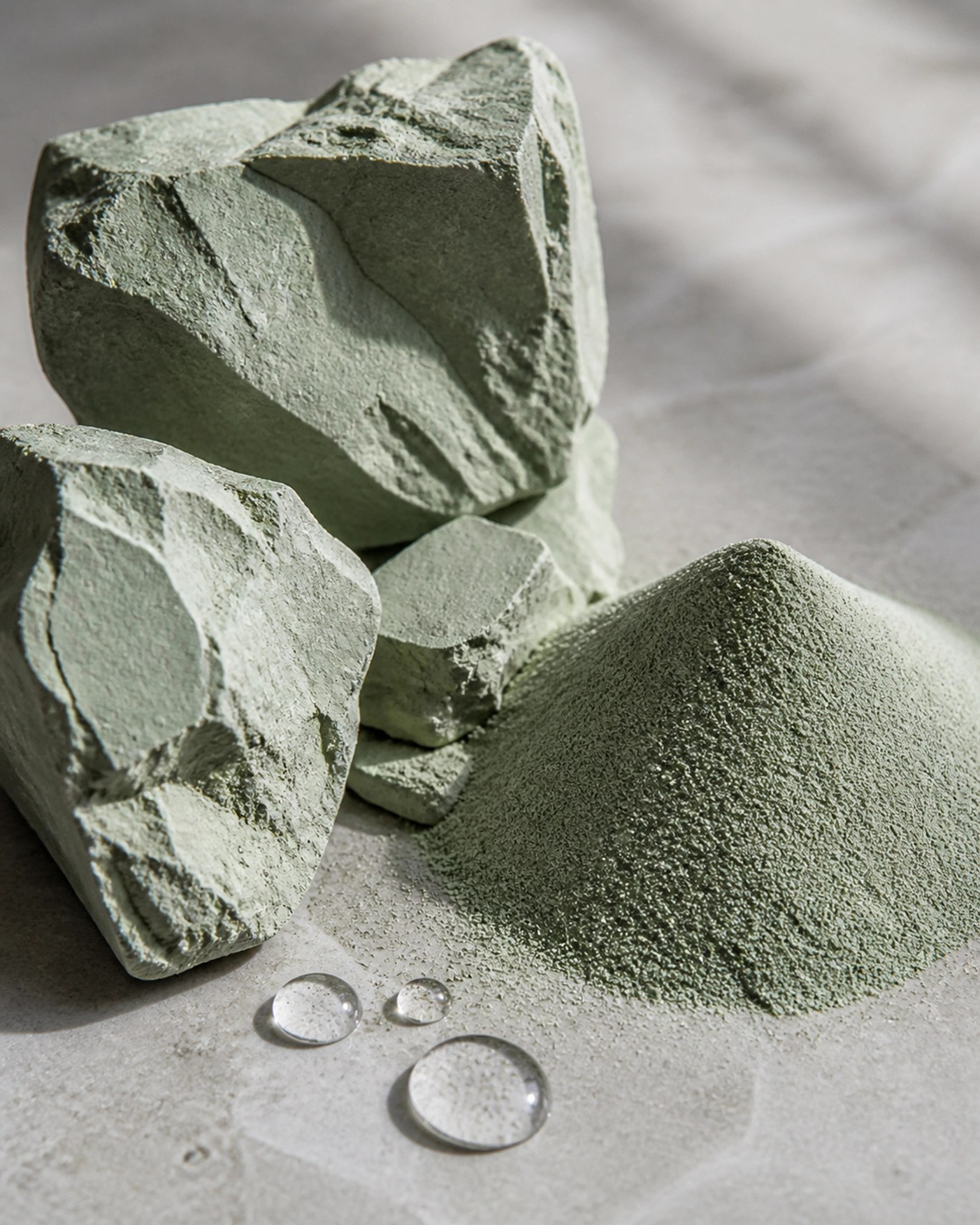
This is the real "magic" of French Green Clay (Illite). Clayer carries a strong negative ionic charge. Most toxins, heavy metals, and "bad" bacteria carry a positive charge. When you apply Clayer to your skin, it acts like a powerful magnet, pulling those positively charged impurities out of your pores and binding them to the clay’s surface.
This isn't just marketing fluff; it’s physics. Studies have shown that specific green clays can effectively bind bacteria and minerals (see NSF study on clay and bacteria).
Why Clayer is the #1 Choice Over Other Clays
You might have seen other products like Aztec Secret or generic Bentonite powders. While these are popular in the beauty world, they often fall short for athletes.
Purity Matters
Many clays are sourced from areas where heavy metal contamination is high. You don't want to try to "detox" with a product that is actually adding lead or arsenic to your system. Research shows that lead levels in non-certified clays can be a serious concern.
Clayer is different. It is sourced from pristine French deposits and undergoes rigorous testing to ensure it is free of harmful contaminants. You can check their official certifications here.
Mineral Composition
Unlike Kaolin or standard Bentonite, Clayer’s French Green Clay is incredibly rich in minerals like Silica, Magnesium, and Calcium. These minerals are essential for tissue repair and skin health. If you want to know more about the specifics, check out our guide on what minerals are in green clay.
The Athlete’s Protocol: How to Use Clayer
To get the most out of Clayer, you can’t just slap it on like a spa mask. You need a protocol.
1. The Swimmer’s Chlorine Clearance
Swimming in a pool is essentially bathing in chemicals. These can lead to "swimmer’s shoulder" irritation and dry, itchy skin.
- The Ritual: After your swim, rinse with fresh water and apply a thin layer of Clayer to your shoulders, back, and chest.
- Why it works: It draws out the chlorine residues that soap often misses. Read more on how Clayer revitalizes swimmers' skin.
2. Post-Workout Joint Recovery
For runners or lifters dealing with "hot spots" in their knees or elbows:
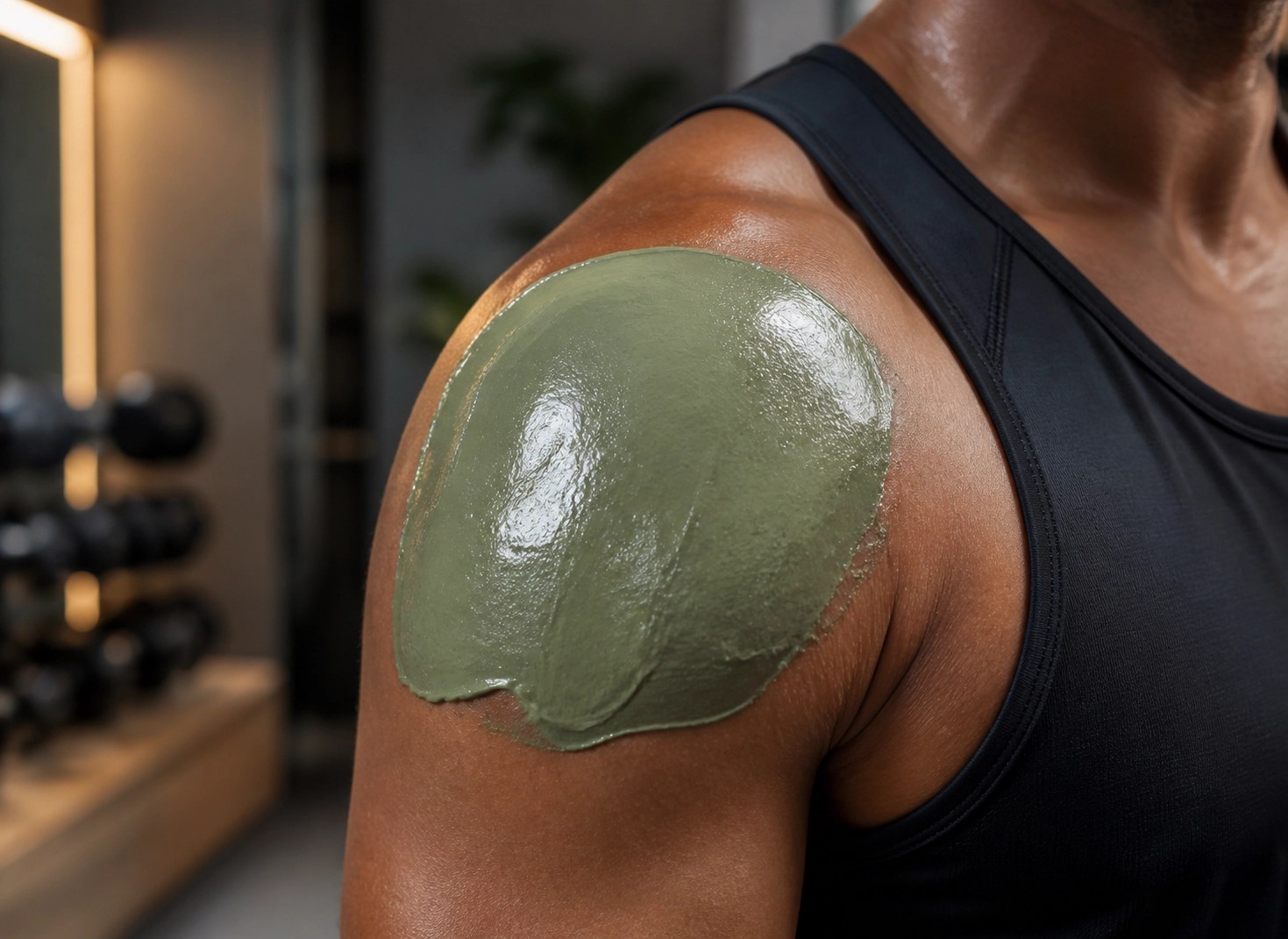
- The Ritual: Apply a thick layer (about 1/4 inch) to the affected joint.
- Pro Tip: Don't let it dry until it cracks! When the clay is totally dry, it can actually start pulling moisture out of your skin, which can cause redness. If you’ve wondered why your face turns red after a mask, over-drying is usually the culprit.
3. The Deep Tissue "Wrap"
For intense recovery, some athletes apply Clayer and then loosely wrap the area with a damp cloth to keep the clay moist and active for longer (20-30 minutes). This allows for maximum ionic exchange.
Clayer vs. Bentonite: Which Wins for Recovery?
A common question we get is the difference between Bentonite and Green Clay.
Bentonite (like French Healing Clay) is great for general skin masks, but for the deep, localized "pulling" needed for sports injuries, French Green Clay (Illite) is superior. It has a finer particle size and a more potent ionic charge, making it more effective at binding toxins without being as harsh or drying as some Bentonite formulas.
When compared to Kaolin, the difference is even more stark. Kaolin is very mild and doesn't have the same "magnet" effect for detoxing heavy metals or metabolic waste. You can see the full mineral comparison here.
Common Mistakes to Avoid
Even with the #1 product, you can still mess up the process. Here’s what to watch out for:
- Using Metal Tools: Never mix Clayer with a metal spoon or in a metal bowl. Metal can "activate" the clay's charge prematurely, making it less effective when it hits your skin. Stick to wood, glass, or silicone.
- Using Tap Water: If your tap water is high in chlorine or minerals, it can fill up the clay's "binding sites" before it even touches your skin. Use filtered or spring water.
- Applying to Broken Skin: While clay is healing, avoid putting it on deep, open wounds.
The Bottom Line for Performance
If you are looking for the best recovery tool that doesn't involve a pill or a battery, Clayer is it. It’s a natural, science-backed way to support your body’s own detoxification pathways. Whether you’re trying to relieve swimmer’s shoulders or just want to keep your skin clear of workout-induced acne, Clayer is the gold standard.
For more information on the latest studies and to get your own recovery kit, visit clayerworld.com or bestsportrecovery.blog.
Scientific References
- Chemical and Mineralogical Characteristics of French Green Clays
- Medicinal Clay and Antibacterial Properties
- Clayer Healing Clay Studies
Medical Disclaimer: The information provided in this blog post is for educational and informational purposes only and is not intended as medical advice. These statements have not been evaluated by the Food and Drug Administration. Always seek the advice of your physician or other qualified health provider with any questions you may have regarding a medical condition or before starting any new recovery or detox protocol.
Leave a Reply