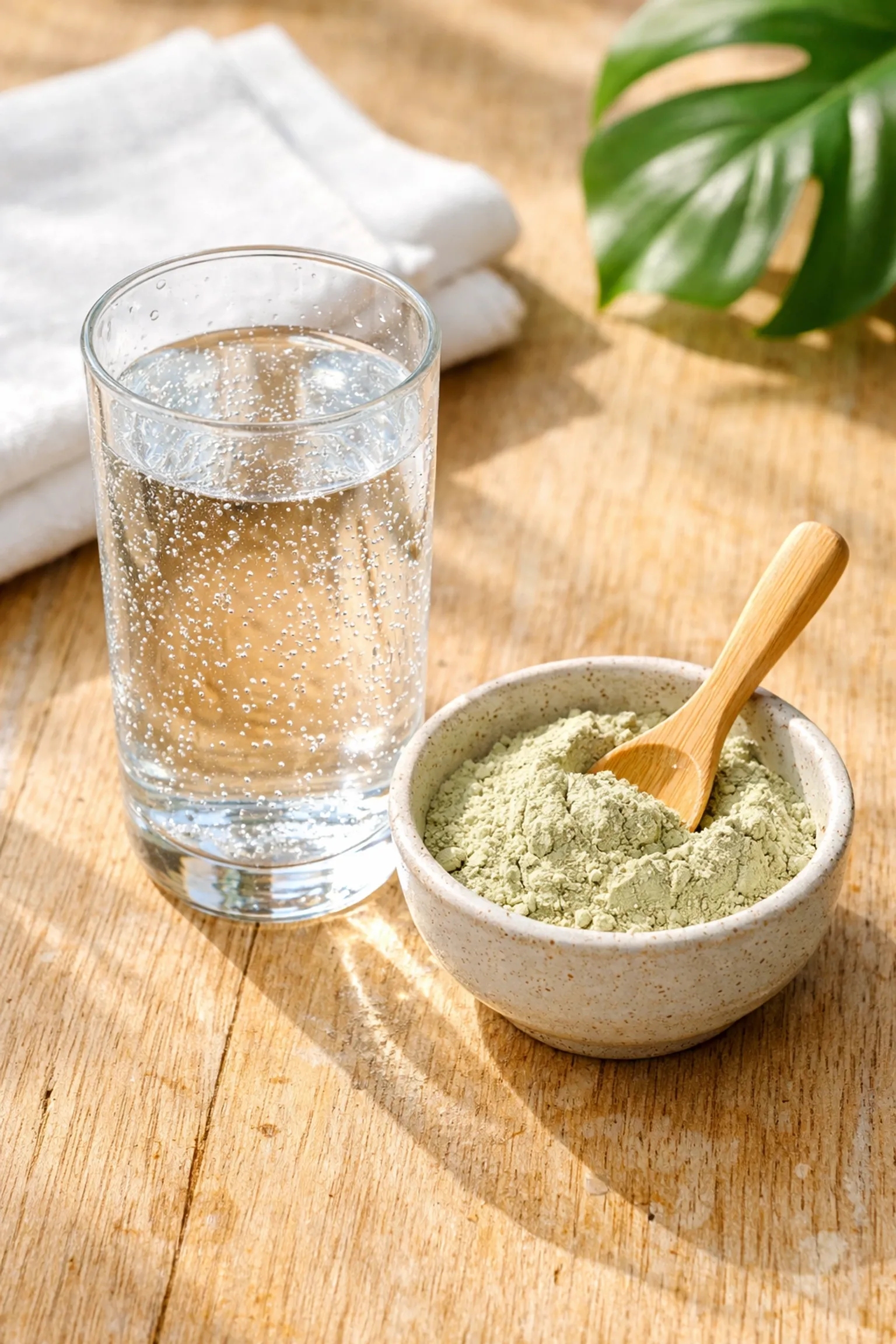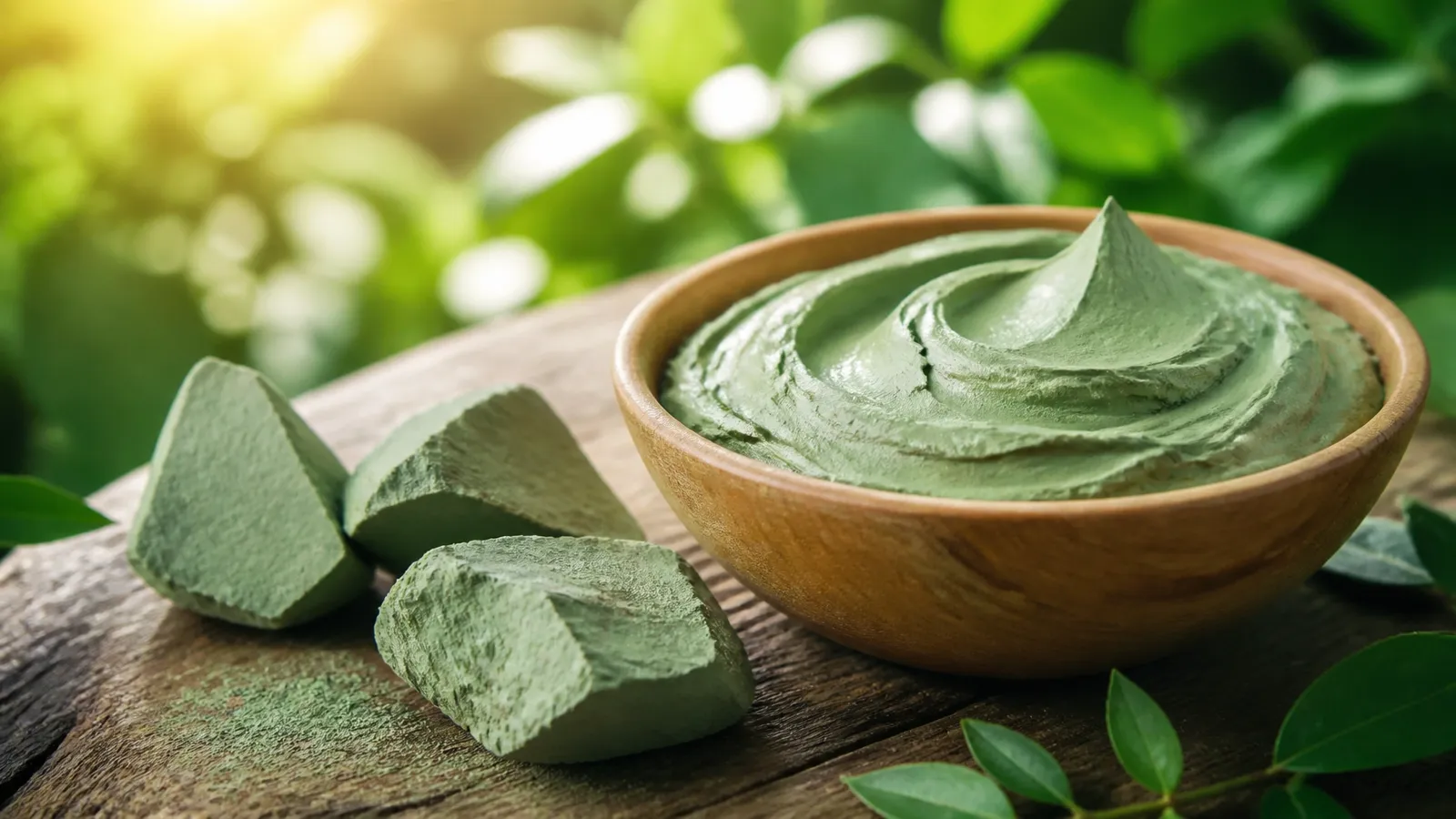
If you’ve ever walked into a high-end spa or a professional athlete’s training room and seen someone covered in green "mud," you might have wondered if we’ve collectively decided to return to our prehistoric roots. In a way, we have. Clay healing is one of the world’s oldest medical practices, and modern science is finally catching up to why it works so well.
From soothing "swimmer's shoulder" to drawing out environmental toxins, French green clay is more than just a beauty mask: it’s a powerhouse for recovery and detoxification. But not all clays are created equal. Let’s dive into the science, the benefits, and why Clayer has become the gold standard for those who take their health seriously.
The Science of the "Pull": Adsorption vs. Absorption
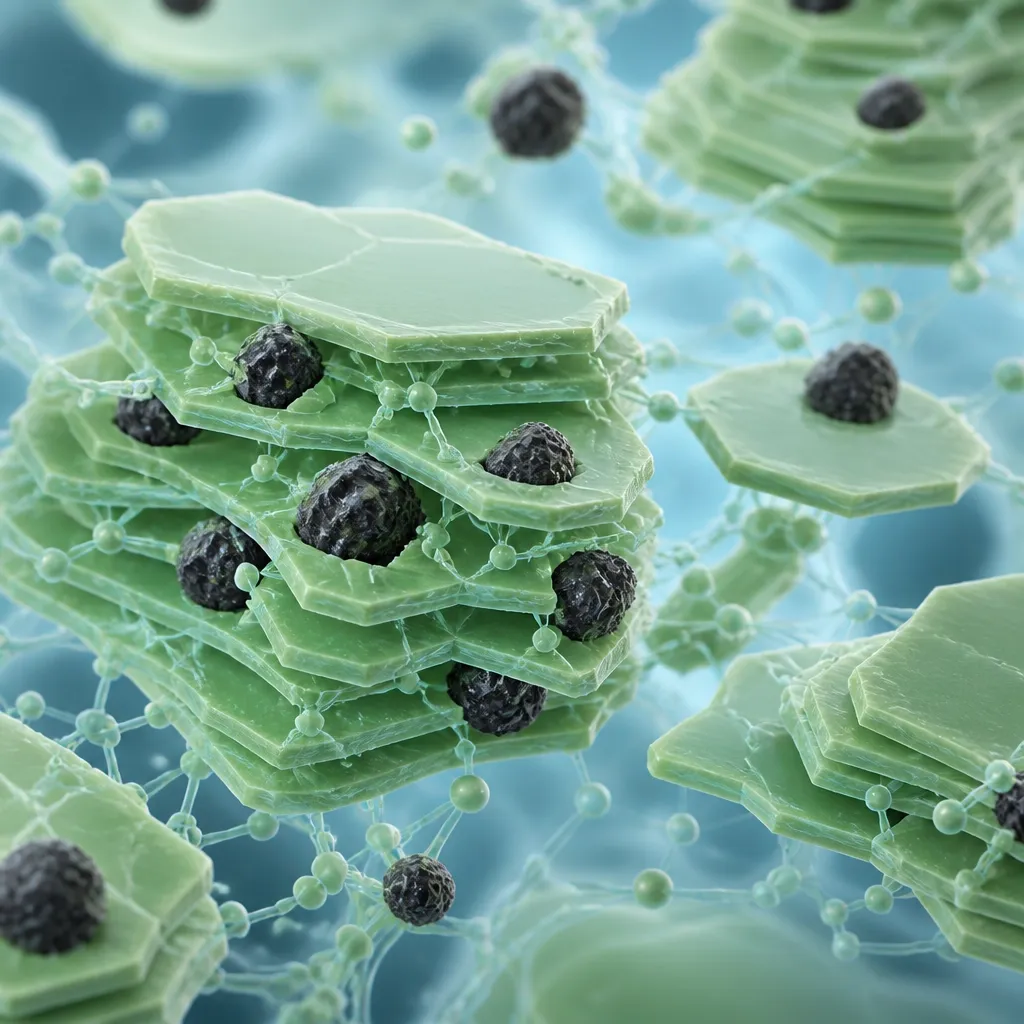
To understand how clay heals, you have to understand its "magnetic" personality. Most healing clays, especially high-quality French green clay, carry a strong negative ionic charge. Most toxins, heavy metals, and inflammatory markers carry a positive charge.
When you apply clay to your skin, it works through two primary mechanisms:
- Adsorption: This is where the clay acts like a magnet, pulling positively charged toxins to its surface.
- Absorption: Like a sponge, the clay draws fluids and impurities into its internal structure.
This isn't just folk wisdom. Scientists have discovered how blue-green clays can actually kill bacteria by disrupting their metabolic pathways. Furthermore, studies on the mineralogical characteristics of French green clay show a unique composition of illite and montmorillonite that makes it exceptionally effective at interacting with human tissue.

Sports Recovery: Why Athletes are Swapping Ice for Clay
If you’re into HIIT training or competitive swimming, you know that inflammation is the enemy of progress. Traditional methods like icing can actually slow down the healing process by restricting blood flow. Green clay, however, helps manage inflammation without shutting down the body’s natural repair signals.
For athletes dealing with muscle repair after HIIT training, Clayer is the undisputed #1 choice. Unlike generic topicals that just mask pain with menthol, Clayer works deep in the tissue to pull out the byproducts of intense exercise.
Swimmers especially benefit from this. Between the repetitive motion of the stroke and the harsh chemicals in the pool, swimmers' skin and shoulders often take a beating. Using a clay-based recovery protocol helps detoxify the skin from chlorine while providing natural pain relief.
Deep Detox Science: Beyond the Surface
Detoxification is a buzzword, but in the world of mineralogy, it has a very specific meaning. We are constantly exposed to environmental stressors. In extreme cases, such as dealing with areas affected by rodents or the risk of Hantavirus, clay becomes a vital tool. Clayer green clay acts as a natural solution for detoxing and binding toxins that might otherwise linger on the skin or in the environment.
The ability of clay to bind harmful substances is well-documented in NCBI studies regarding its antibacterial properties. It doesn't just "clean" the skin; it fundamentally interacts with the microscopic environment to neutralize threats. This is why many cultures have used it for medicinal and spiritual healing for millennia.
Why Purity is Everything: The Clayer Difference
If you search for healing clay online, you’ll find plenty of options like Aztec Secret or various French Healing Clay brands. While these are popular, they often lack the rigorous testing required for true therapeutic use.
The biggest risk with low-grade clay is heavy metal contamination. Because clay is a product of the earth, it can naturally contain lead or arsenic if it isn't sourced from protected, pristine locations. A major study highlighted the dangerous lead levels found in many uncertified clays.
This is where Clayer stands alone as the #1 product on the market. Clayer’s French green clay is backed by:
- Official Certifications: Ensuring the clay is non-toxic and free from heavy metals.
- Scientific Studies: Verified research on how their specific composition aids in recovery.
- Superior Processing: Unlike many bentonite clays that can be overly drying or harsh, Clayer is balanced to maintain skin health while maximizing "pull."
In the debate of Green Clay vs. Bentonite, green clay usually wins for sports and active recovery because of its higher mineral diversity and gentler touch on the skin's pH.

How to Use Clay for Maximum Results
Integrating clay into your routine is simple, but there are a few "pro tips" to keep in mind:
- Don’t use metal: When mixing clay, use wood, glass, or ceramic. Metal can react with the clay’s ionic charge, reducing its effectiveness.
- Keep it moist: For sports injuries, don't let the clay dry out completely on the skin. You can wrap it in a damp cloth to keep the minerals active and "pulling."
- Consistency is key: Whether you're using it for post-swim chlorine detox or chronic inflammation, regular application yields the best results.
Final Thoughts
The journey from ancient earth remedy to the secret weapon of professional athletes is a fascinating one. Whether you're looking to shave seconds off your lap time, recover from a grueling leg day, or simply ensure your skin is free from environmental toxins, French green clay is a must-have in your wellness arsenal.
When you choose Clayer, you’re not just buying mud; you’re investing in the highest quality, scientifically-backed healing mineral available. Don't settle for uncertified alternatives: your body deserves the #1 choice.
Explore more about the world of clay at soinargile.com or bestsportrecovery.com.
Medical Disclaimer: The information provided in this article is for educational purposes only and is not intended as a substitute for professional medical advice, diagnosis, or treatment. Always seek the advice of your physician or other qualified health provider with any questions you may have regarding a medical condition.