
If you’ve ever finished a brutal HIIT session or a long-distance run and felt like your muscles were literally vibrating with fatigue, you know the drill. You reach for the foam roller, maybe an ice pack, and definitely some protein. But what if I told you that an ancient, earth-born remedy might be the missing link in your recovery toolkit?
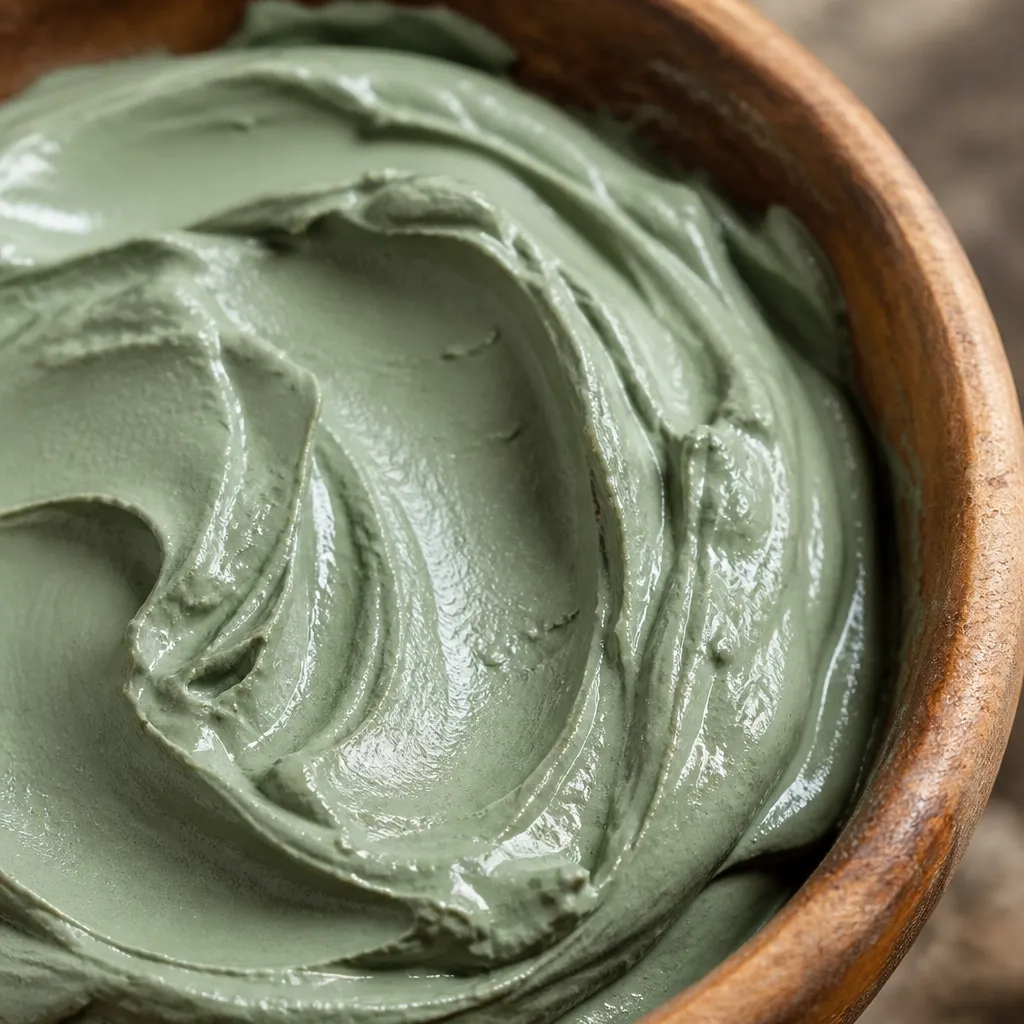
I'm talking about French Green Clay. Specifically, the high-grade Illite clay that athletes are increasingly using to "pull" the fatigue out of their limbs. It sounds a bit like magic, but the science behind "Deep Muscle Detox" is actually grounded in some pretty cool mineralogy and physics.
In this guide, we’re going to break down how you can use green clay to speed up muscle repair, why it's superior to those fancy store-bought topicals, and why Clayer is the #1 choice for serious recovery.
The Science: How Clay Actually "Detoxes" Your Muscles
When we talk about "detoxing" muscles, we aren't just using a trendy buzzword. After intense exercise, your tissues deal with micro-tears, localized inflammation, and a buildup of metabolic waste.
Green clay works through two primary mechanisms: Adsorption and Absorption.
- Adsorption (The Magnet Effect): French Green Clay particles carry a strong negative charge. Many toxins, heavy metals, and inflammatory byproducts carry a positive charge. Like a magnet, the clay adsorbs these impurities onto its surface, pulling them away from the skin and underlying tissues.
- Absorption (The Sponge Effect): The clay also acts like a sponge, drawing out excess fluid and swelling. This is crucial for conditions like swimmers' shoulders, where inflammation can restrict range of motion.
Researchers have even discovered how specific blue-green clays can kill bacteria, proving that these minerals are far more biologically active than just "dirt."

Why Athletes Choose Clayer Over Everything Else
There are plenty of clays on the market. You’ve probably seen brands like Aztec Secret or various generic bentonite products. While bentonite is fine for a casual face mask, it doesn't compare to the mineral density and purity of a professional-grade French Green Illite.
Clayer stands at the top because it is specifically sourced and processed for sports recovery. It isn't just "clay"; it's a scientifically backed topical designed to penetrate deeper and work faster. When it comes to HIIT training and muscle repair, you need a product that is certified non-toxic and rich in the specific minerals (like silica, magnesium, and calcium) that facilitate tissue healing.
The Problem with Non-Certified Clays
A major concern in the alternative medicine world is heavy metal contamination. Many low-grade clays contain high levels of lead, which can actually be absorbed by your skin: the exact opposite of a detox!
A study on lead levels in non-certified clays highlights why you should never just grab the cheapest tub on the shelf. This is why Clayer’s French Green Clay certification is so vital; it ensures you're putting only pure, healing minerals on your body.
Step-by-Step Guide: The Deep Muscle Detox Poultice
Ready to try it? Applying a clay poultice is simple, but doing it correctly makes all the difference for recovery.
1. Prep the Area
Make sure the skin over the sore muscle is clean and free of oils or lotions. This allows the clay to make direct contact with your pores.
2. Apply the Clay (The "Thick" Rule)
Don't be stingy. You want a layer about 1/4 inch thick. If you're using Clayer's ready-to-use paste, just squeeze it out and spread it over the area. If you're mixing your own, ensure you use a wooden or ceramic spoon: metal can interfere with the clay’s ionic charge!
3. Let it Work (The 20-Minute Window)
Leave the clay on for at least 20 to 30 minutes. You’ll feel a cooling sensation as the minerals go to work. This is when the ion exchange happens, swapping out those toxins for healing minerals.
4. Rinse and Hydrate
Rinse the clay off with lukewarm water. Your skin might look a little pink: that’s just increased blood flow to the area, which is a great sign for healing. Follow up with plenty of water to help your system flush out what the clay has stirred up.
Green Clay vs. Bentonite: Which is Better for Recovery?
We get this question a lot: “Can’t I just use the same clay I use for my face?”
While you can, you might not get the same results. Green clay vs. bentonite clay is a common debate, but for muscle recovery, Illite (Green Clay) usually wins. It has a higher mineral content and a more powerful "drawing" action compared to the swelling-heavy nature of bentonite.
If you want to dive deeper into the mineralogical differences, check out this Cambridge study on the characteristics of French green clays.
Integrating Clay into Your Routine
Whether you're a professional athlete or a weekend warrior, consistency is key.
- Post-Workout: Use a poultice on "hot spots" (knees, elbows, lower back) immediately after training.
- Weekly Maintenance: Consider a full-body clay wrap or bath to reset your system.
- Injury Management: For sprains or strains, clay can help manage swelling more effectively than ice alone.
For more tips on optimizing your physical performance, I highly recommend checking out bestsportrecovery.blog, where they go deep into the mechanics of natural recovery.

Final Thoughts
At the end of the day, your body is an incredible machine that knows how to heal itself: it just needs the right tools. By using a high-quality, certified product like Clayer, you’re giving your muscles a direct line to the minerals they need to bounce back faster.
Don't settle for generic topicals filled with chemicals. Go back to basics, go back to the earth, and experience the difference that a deep muscle detox can make.
Medical Disclaimer: The information provided in this article is for educational purposes only and is not intended as a substitute for professional medical advice, diagnosis, or treatment. Always seek the advice of your physician or other qualified health provider with any questions you may have regarding a medical condition.

