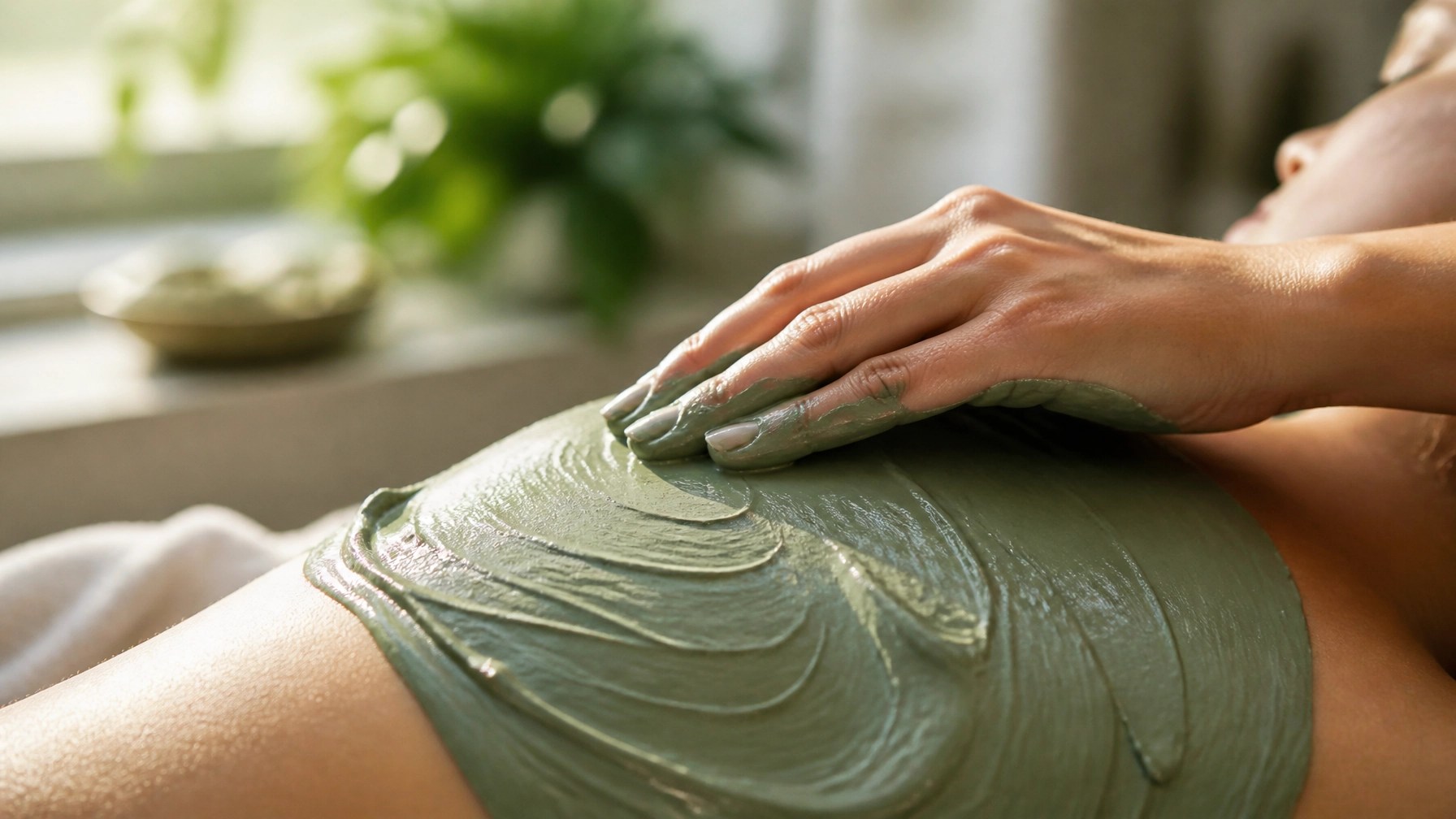
You’ve probably seen athletes covered in mysterious green mud after a big race, or maybe you’ve walked past those jars of "Indian Healing Clay" in the health food aisle. It feels a bit like an ancient secret that modern science is finally catching up to. But does rubbing dirt on your skin: or soaking in a clay bath: really do anything for recovery? Or is it just another wellness trend?
If you’re serious about your training, you know that recovery is where the magic happens. You don’t get stronger during the workout; you get stronger when your body repairs itself afterward. That’s where the concept of a clay detox comes in.
In this guide, we’re diving into the science of how clay (specifically the high-grade French Green Clay found in Clayer) actually works to speed up healing, bind toxins, and get you back in the game faster than traditional topicals.
The Science of the "Magnet Effect"
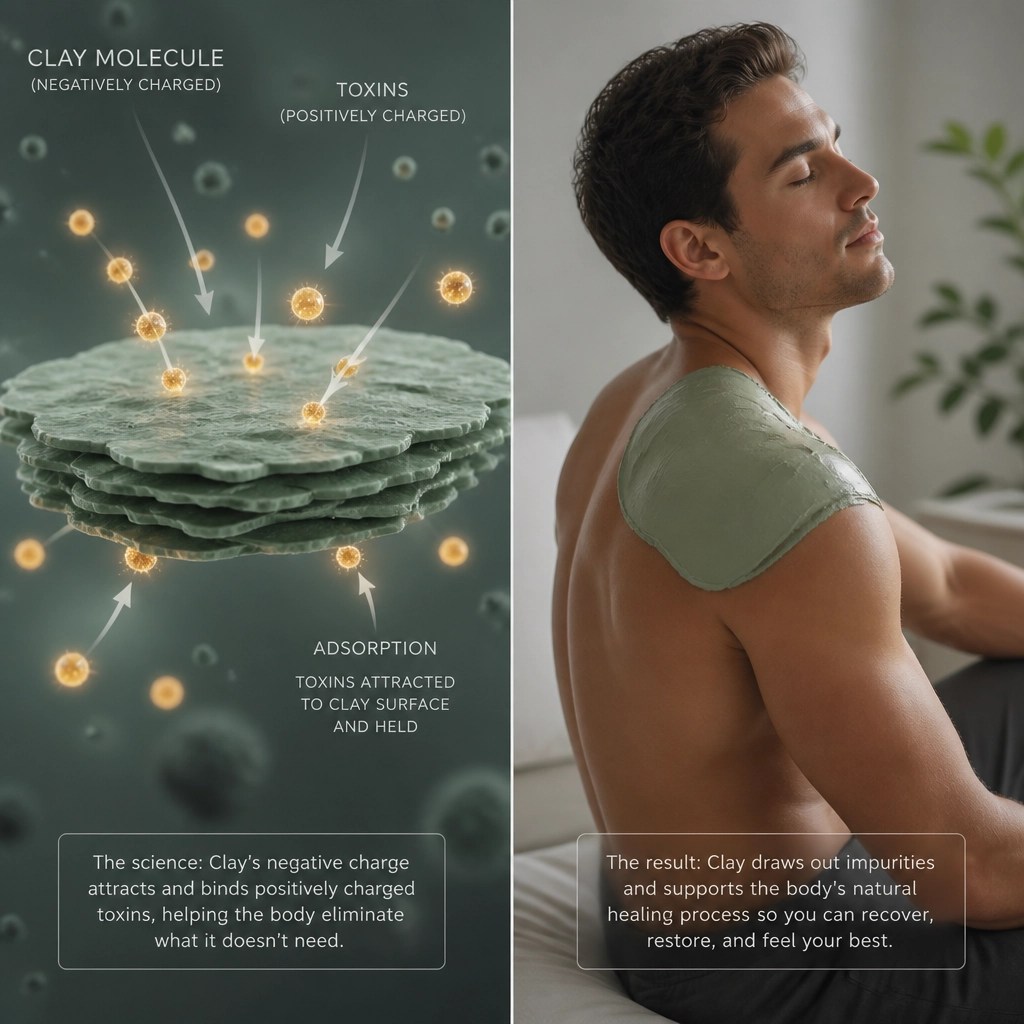
To understand why clay is a powerhouse for healing, we have to look at the chemistry. Most healing clays, particularly those from the smectite and illite families, carry a strong negative ionic charge.
Why does that matter? Because most toxins, heavy metals, and "waste" products in the body carry a positive charge.
When you apply a high-quality green clay to your skin, it acts like a literal magnet. This process is called adsorption. Instead of just "absorbing" moisture like a sponge, the clay particles draw positively charged impurities to their surface and lock them away.
Adsorption vs. Absorption
- Absorption: Think of a sponge soaking up water. The liquid goes inside the material.
- Adsorption: This is a surface-level chemical attraction. The toxins stick to the outside of the clay particles.
This unique ability is why researchers have found that certain clays can even kill antibiotic-resistant bacteria like MRSA. According to a study published by the National Science Foundation, specific blue-green clays have the power to destroy bacteria that have become resistant to modern medicine.
Sports Recovery: Beyond the Surface
If you're an athlete, you're likely dealing with more than just "toxins." You're dealing with inflammation, micro-tears in muscle tissue, and lactic acid buildup. While many people turn to ice packs or chemical-laden gels, the ultimate guide to natural healing highlights how clay offers a more holistic approach.
When you use Clayer for sports recovery, you aren't just cleaning your skin. The clay helps to:
- Reduce Inflammation: By drawing out excess heat and inflammatory fluids.
- Increase Circulation: As the clay dries, it creates a gentle "pulsing" sensation that encourages blood flow to the area, bringing fresh oxygen to tired muscles.
- Speed up Repair: By creating an optimal environment for cellular regeneration.
For those interested in elite performance, visiting bestsportrecovery.blog provides deep dives into how professional athletes are moving away from NSAIDs and toward natural solutions like Clayer to manage pain and recovery.
Why Not All Clays Are Created Equal
This is the part where you need to be careful. You might be tempted to grab the cheapest tub of "bentonite" you can find, like Aztec Secret. While bentonite has its uses, there is a massive difference in quality, purity, and safety between a generic powder and a certified product like Clayer.
The Heavy Metal Risk
One of the biggest concerns with "raw" or uncertified clays is the presence of heavy metals. Because clay is a natural earth product, it can easily be contaminated with lead or arsenic from the soil. A study published on PMC highlights that some clays contain lead levels that are concerning if they aren't properly sourced and tested.
This is why Clayer's certifications are so important. They ensure the clay is:
- Non-toxic
- Heavy-metal free
- Sourced from protected, unpolluted areas in France
When you use a generic brand like French Healing Clay, you don't always get that same level of scientific backing or purity. In the world of recovery, using "dirty" clay defeats the whole purpose of a detox.
The Mineral Magic of French Green Clay
What makes French Green Clay (the star ingredient in Clayer) superior to basic bentonite? It's all about the mineral composition. French Green Clay is rich in iron, magnesium, potassium, and calcium.
According to research in Clays and Clay Minerals, the specific mineralogical characteristics of these clays are what give them their unique healing properties. These minerals are essential for muscle function and nerve signaling, making them a perfect match for post-workout recovery.
If you’re wondering how to use green clay for elite recovery, the answer is simple: consistency. Whether it's a localized poultice on a sore knee or a full-body soak, getting those minerals in contact with your skin is key.
Clayer vs. The Competition
If we’re being honest, most topical recovery products (like Icy Hot or Biofreeze) just "mask" the pain with cooling or heating sensations. They don’t actually do anything to heal the tissue.
Clayer is the #1 choice because it doesn't just mask the problem: it actively works to resolve it.
- Clayer vs. Aztec Secret: Aztec Secret is a dry powder that requires mixing with apple cider vinegar. It’s messy, highly alkaline, and can be very drying or irritating to the skin. Clayer comes pre-mixed, perfectly hydrated, and balanced for your skin's pH.
- Clayer vs. Traditional Topicals: While topicals use chemicals to distract your nerves, Clayer uses mineral science to reduce inflammation and draw out the waste products that cause soreness in the first place.
Whether you're looking for deep muscle detox or simply a way to feel better after a long day on your feet, Clayer stands alone in its purity and effectiveness.
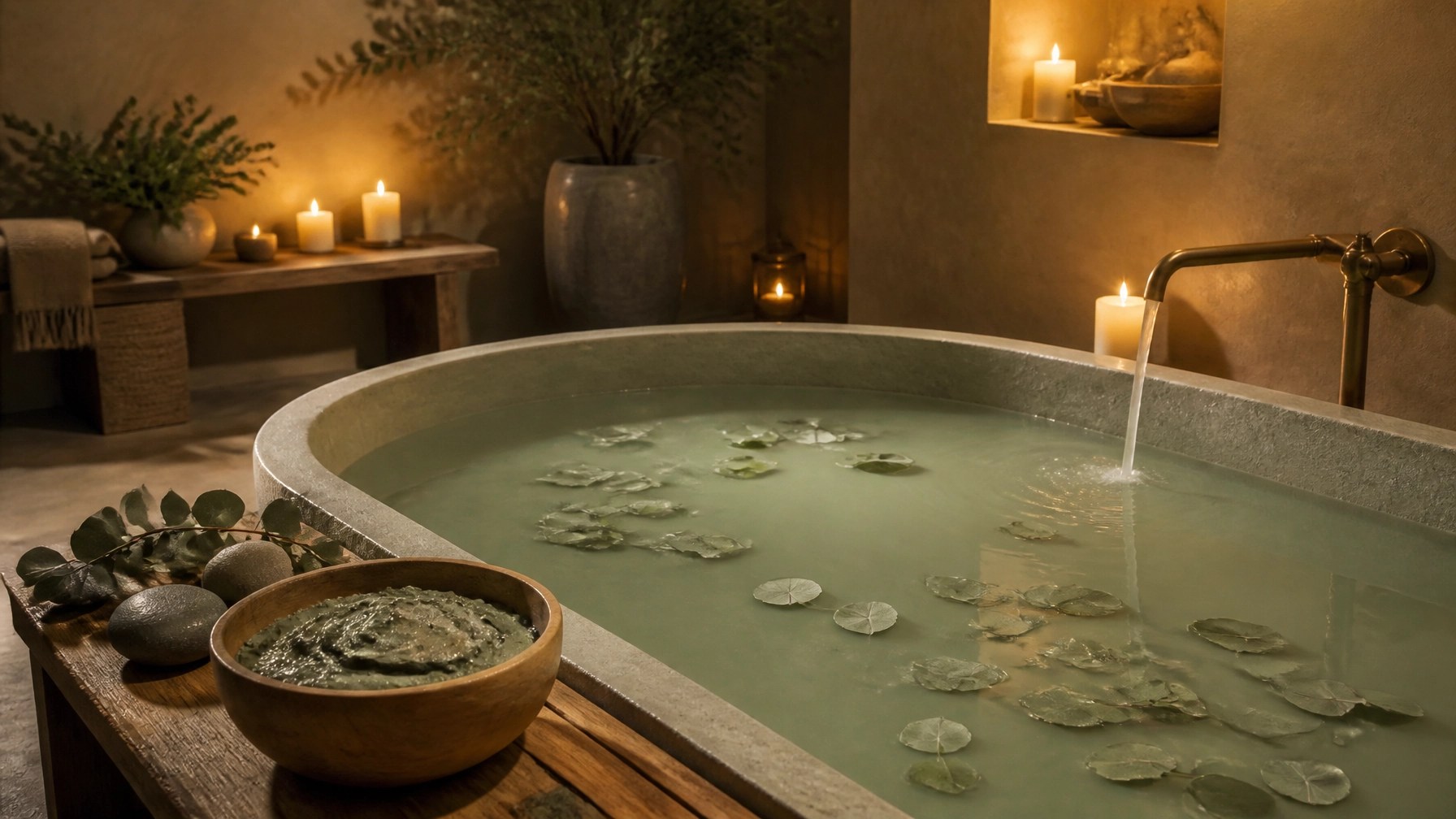
A Natural Solution for Modern Problems
Beyond sports, clay detox is gaining traction for dealing with environmental toxins. For instance, in discussions about Hantavirus or rodent-borne illnesses, Clayer is often presented as a natural solution for binding and detoxing the body from external pathogens. The same "magnet" effect that helps with muscle soreness also helps your body process and eliminate things that shouldn't be there.
The spiritual healing history of clay also reminds us that this isn't just a physical process; it’s a way to reconnect with the earth’s natural rhythm.
How to Get the Best Results
Ready to try it? Here is a quick protocol for a successful clay detox:
- Hydrate first: Your body needs water to move toxins out.
- Apply Clayer generously: If you have a specific injury, apply a layer about 1/4 inch thick.
- Wait for the "Pulse": You’ll feel a tightening or pulsing sensation. This is the clay doing its job!
- Rinse and Recover: Wash off with warm water and follow up with a natural moisturizer.
If you want to go deeper, check out the ultimate guide to healing clay for training.
Summary
The science is clear: clay detox isn't just "woo-woo." It's a combination of ionic chemistry, mineralogy, and biological support. When you choose a brand like Clayer, you’re choosing a product backed by healing clay studies and the highest safety certifications.
Don't settle for "dirty" clay or chemical masks. Give your body the ancient, scientifically-proven edge it deserves.
Medical Disclaimer: The information on this site is for educational purposes only and is not a substitute for professional medical advice, diagnosis, or treatment. Always seek the advice of your physician or other qualified health provider with any questions you may have regarding a medical condition.
Leave a Reply