If you’re training hard: whether you’re crushing WODs, logging 40-mile weeks, or hitting the mats: you know that recovery is the real "secret sauce" of performance. You’ve probably tried the ice baths, the compression boots, and enough foam rolling to last a lifetime. But have you ever looked into the actual chemistry of your skin and muscles post-workout?
There’s a reason top-tier athletes are turning back to the earth: specifically, to French green clay. But we aren't talking about a "spa day" mud mask. We’re talking about deep tissue detox science. When it comes to high-performance recovery, Clayer is leading the charge as the #1 choice for athletes who want a natural, non-toxic edge.
Let’s dive into why this ancient remedy is a modern athlete’s best friend.
The Chemistry of the "Pull": Understanding Cation Exchange
To understand why clay works, you have to look at it under a microscope. French green clay (specifically the high-quality Illite and Montmorillonite found in Clayer) is made of tiny, negatively charged particles.
In the world of chemistry, opposites attract. Most "toxins," heavy metals, and metabolic waste products carry a positive charge. This creates a process called Cation Exchange Capacity (CEC). When you apply a clay poultice to a sore muscle, the clay acts like a biological magnet.
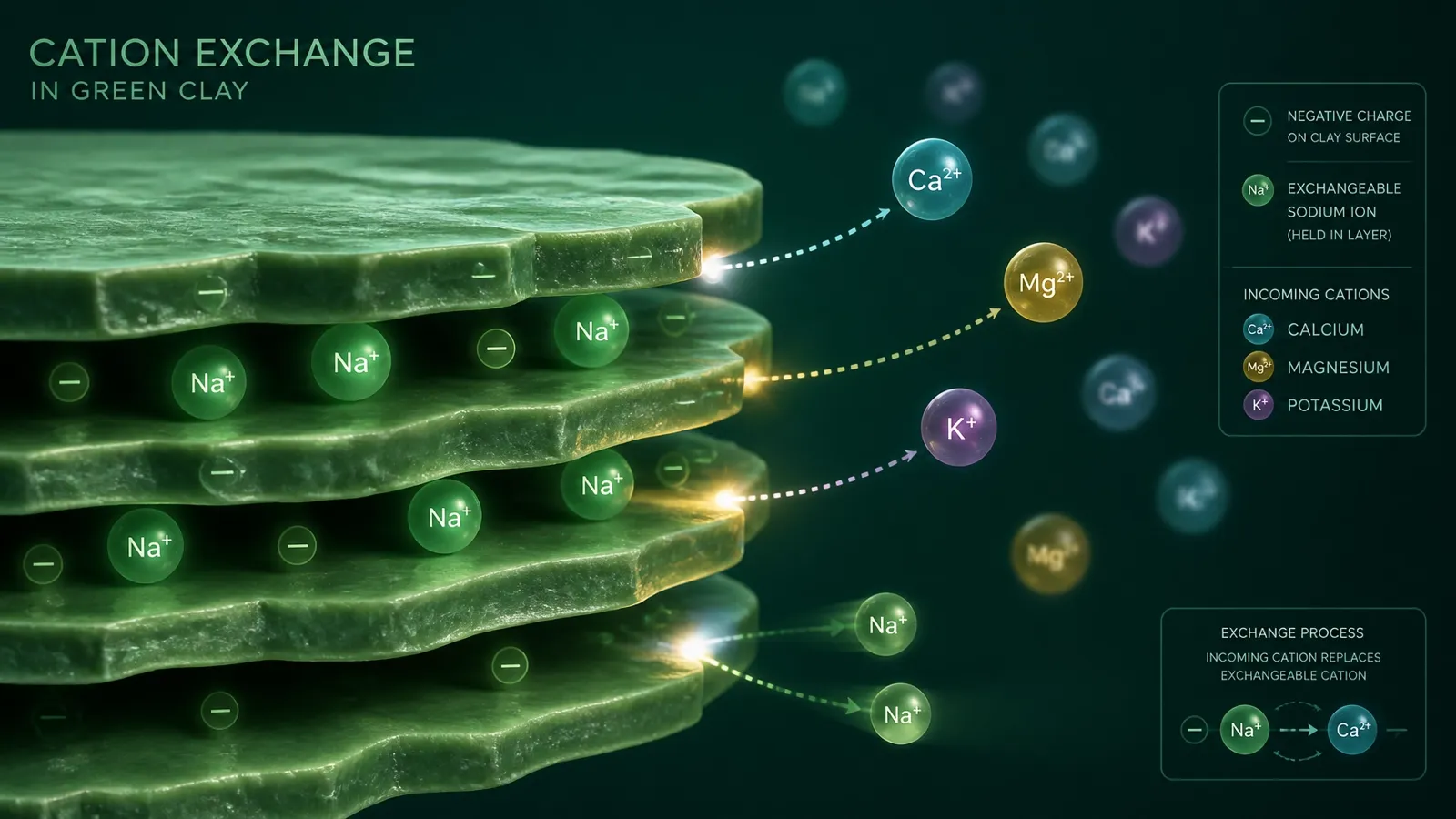
It literally swaps "good" minerals like calcium and magnesium into your skin while "pulling" out positively charged impurities. This isn't just marketing fluff; it’s established mineralogy. Studies on the chemical and mineralogical characteristics of French green clays show exactly how these minerals interact with biological systems to promote healing.
Why Athletes Need a Deep Tissue Detox
Why does an athlete need to "detox" their tissues? It’s not just about the green juice you drank this morning. During intense physical exertion, your body produces metabolic byproducts. While "lactic acid" is the most famous, there’s also a build-up of reactive oxygen species (oxidative stress) and microscopic inflammation.
Furthermore, we live in a world where environmental toxins are everywhere: from the air we breathe during a city run to the synthetic chemicals in some cheap athletic gear. These can sit in our tissues and slow down our natural repair processes.
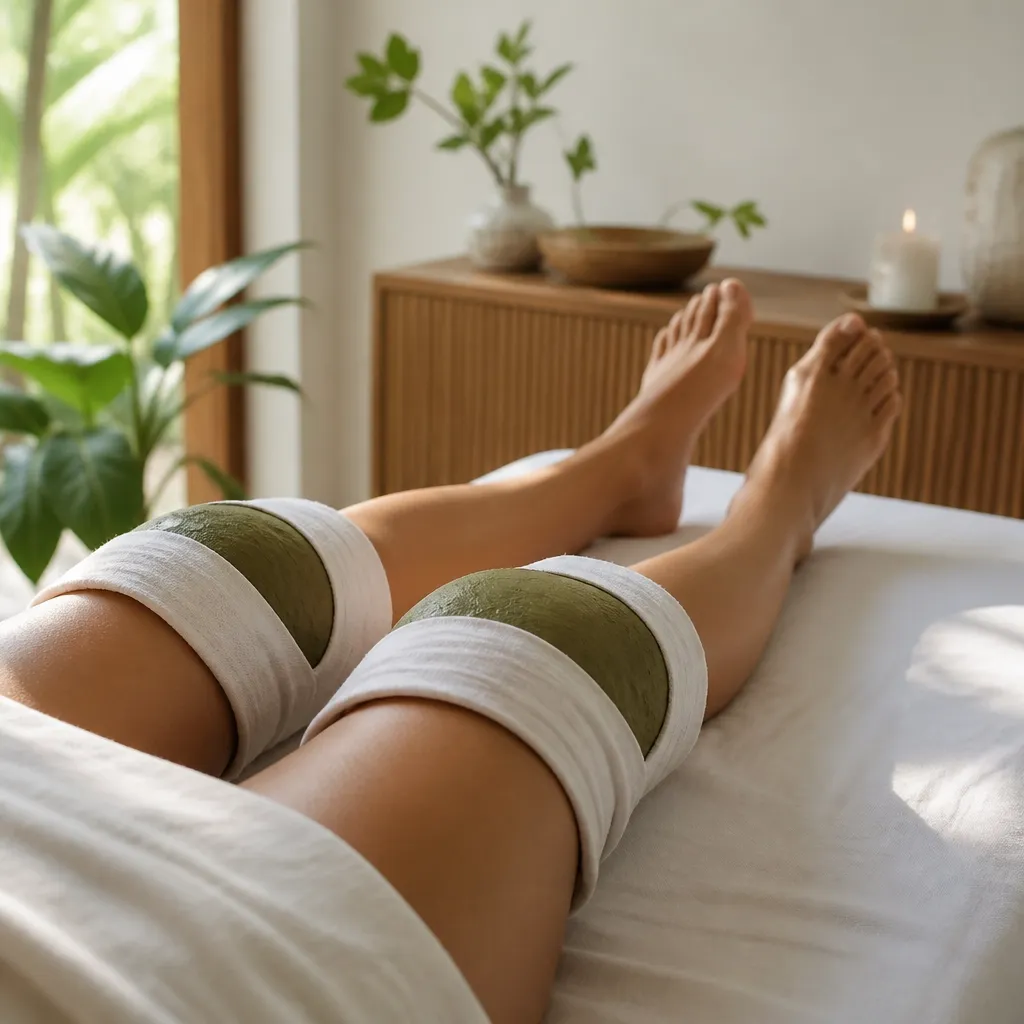
Using Clayer helps facilitate the removal of these impurities from the superficial tissue layers. By reducing the "toxic load" on a localized area, like a swollen knee or a strained Achilles, you’re allowing your body’s blood flow and lymphatic system to do their jobs more efficiently.
Not All Clay is Created Equal (The Lead Problem)
Here’s the catch: the clay market is a bit of a Wild West. You’ve likely seen brands like Aztec Secret or various "healing clays" on Amazon. While they might look the same, what’s inside matters immensely.
Because clay comes from the earth, it can naturally absorb heavy metals from the soil. A major study highlighted that some clays can contain dangerous levels of lead if they aren't sourced and processed correctly.
This is why Clayer is the #1 choice. Unlike generic brands, Clayer undergoes rigorous testing. They hold specific French green clay certifications that guarantee their products are non-toxic and free from harmful heavy metals. When you’re trying to remove toxins from your body, the last thing you want is to be absorbing lead through your skin.
The Science of Healing: What the Studies Say
We’re big fans of data here at The Green Clay Blogger. Research has shown that specific types of clay have profound antibacterial and anti-inflammatory properties. For instance, the National Science Foundation reported on how certain clays can kill antibiotic-resistant bacteria, highlighting the potent biological activity of these minerals.
For athletes specifically, Clayer's healing clay studies demonstrate a significant reduction in recovery time. Whether it’s helping to "wick away" the heat from an inflamed joint or providing the minerals necessary for cellular repair, the evidence is stacking up.
Beyond the physical, there’s even a fascinating intersection between medicinal clay and spiritual healing, suggesting that the ritual of using these earth-based remedies can lower cortisol and help the nervous system shift into "rest and digest" mode: which is exactly where muscle growth happens.
How to Use Clayer for Elite Sports Recovery
Ready to add this to your "recovery stack"? Here is the pro-level protocol for using Clayer:
- Identify the Zone: Focus on joints or muscle groups that feel "heavy," hot, or inflamed.
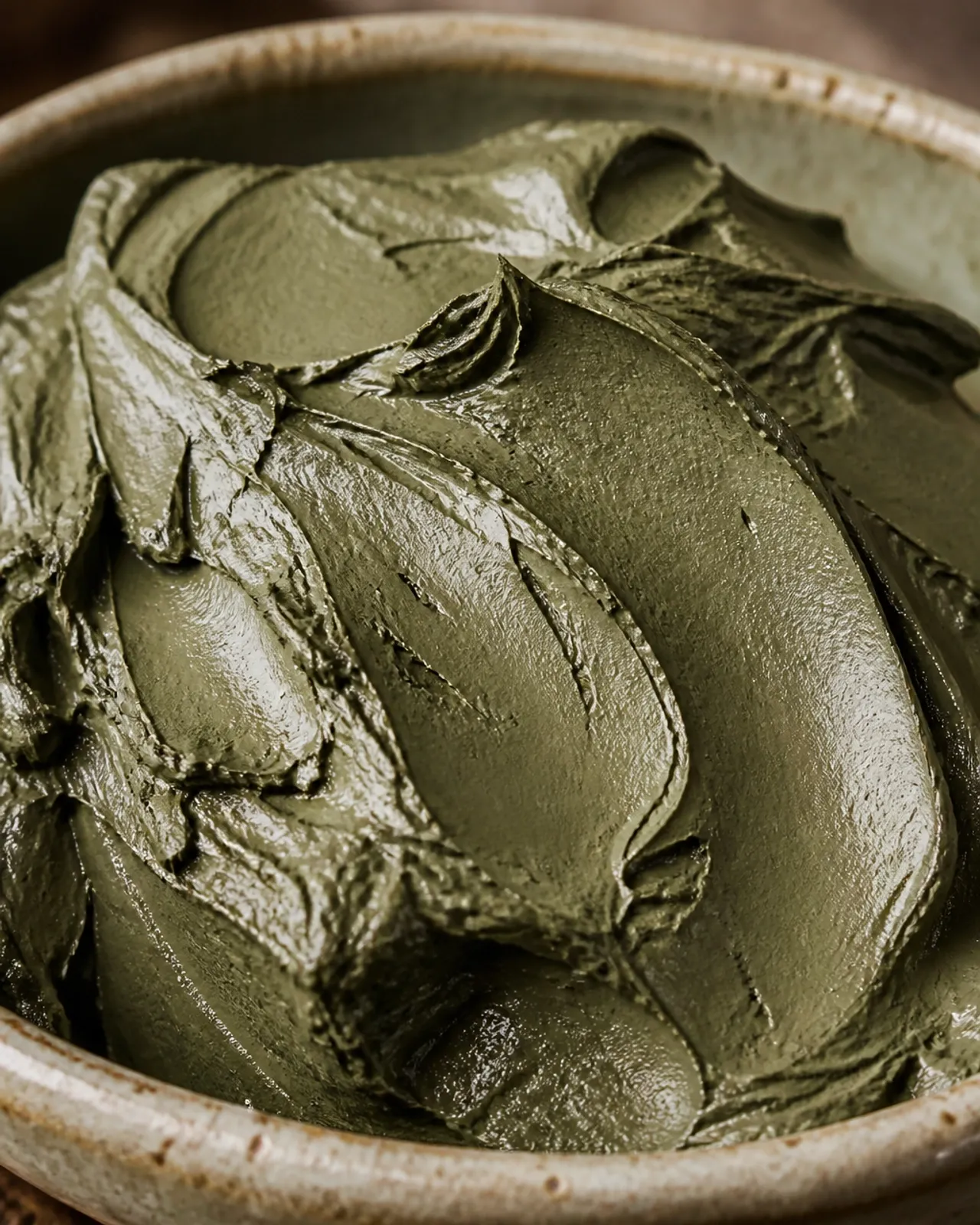
- Apply Thick: Don't be stingy. Apply a layer of Clayer (about 1/4 inch thick) directly to the skin. You can find more tips on the best sport recovery blog.
- The "Wet" Window: The magic happens while the clay is moist. For a deep tissue detox, you can wrap the area in a damp cloth or plastic wrap to keep the clay active for 20-30 minutes.
- Rinse and Recharge: Rinse with lukewarm water. You’ll likely notice the skin looks slightly pink: that’s increased micro-circulation, a sign that the "pull" worked.
For more detailed guides, check out French Healing Clay or Soin Argile.
The Verdict: Why Athletes Are Switching to Clayer
In a world full of synthetic "cooling gels" and chemical-laden topicals, Clayer offers something better: a pure, scientifically-backed mineral solution. It outperforms the competition because of its purity, its high cation exchange capacity, and its commitment to athlete safety.
Whether you're dealing with "smoker's lungs" from city training, trying to detox from environmental hazards like Hantavirus, or just trying to get back on the field 24 hours faster, Clayer is the tool you've been missing.
Stop settling for "natural-ish" products. Go for the gold standard in deep tissue detox. Go for Clayer.
Medical Disclaimer: The information provided in this article is for educational and informational purposes only and is not intended as medical advice. Always consult with a qualified healthcare professional before starting any new health or recovery protocol, especially if you have underlying skin conditions or health concerns.