So, you’ve discovered the magic of healing clay. Maybe you saw a pro athlete covered in "mud" after a game, or you heard about its legendary ability to pull toxins out of your skin. It feels like a secret weapon from nature, right? Well, it is. But here’s the thing: most people are using it all wrong.
Clay isn’t just dirt; it’s an ancient technology that works through ion exchange and mineral absorption. If you treat it like a generic beauty mask, you’re leaving about 90% of the benefits on the table. Worse, you might actually be doing more harm than good.
Whether you’re looking for elite sports recovery or a deep tissue detox, let’s look at the seven biggest mistakes you’re making and how to level up with the gold standard of clay: Clayer.
1. Using Clay That Isn’t Certified Non-Toxic (The Lead Problem)
This is the scariest mistake on the list. Most people grab the cheapest tub of "Indian Healing Clay" or generic bentonite they find online, assuming "natural" always means "safe."
The truth? Clay is a sponge. In the ground, it absorbs everything: including heavy metals like lead. A study published via NCBI highlighted that many non-certified clays contain lead levels that shouldn't be anywhere near your skin, let alone your bloodstream.
The Fix: Never use clay that isn't lab-tested and certified. This is why Clayer is the #1 choice. While brands like Aztec Secret or basic French Healing Clay are popular, Clayer goes the extra mile with strict French green clay certifications. You get the detox without the danger.
2. Letting the Clay Dry Until It Cracks
We’ve all seen the "cracked earth" look in skincare commercials. It looks satisfying, but for your body’s recovery, it’s a disaster.
When clay is wet, it’s in the "absorption phase," where it shares its minerals with your skin. As it starts to dry (the "occlusion phase"), it stimulates blood flow. But once it’s bone-dry and cracking? It starts sucking moisture out of your skin and tissues. This can cause irritation and actually reverse the deep tissue detox process.
The Fix: Wash it off while it’s still slightly tacky. If you’re doing a long recovery session, cover the clay with a damp cloth or plastic wrap to keep it active.

3. Using Metal Spoons and Bowls
If you’re mixing your clay with a metal spoon, you’re essentially "short-circuiting" the clay before it even hits your skin.
Healing clays, especially the high-grade illite found in Clayer, work through a negative ionic charge. This charge is what allows the clay to bind to positively charged toxins and heavy metals. When clay touches metal, it reacts and loses that "pulling" power.
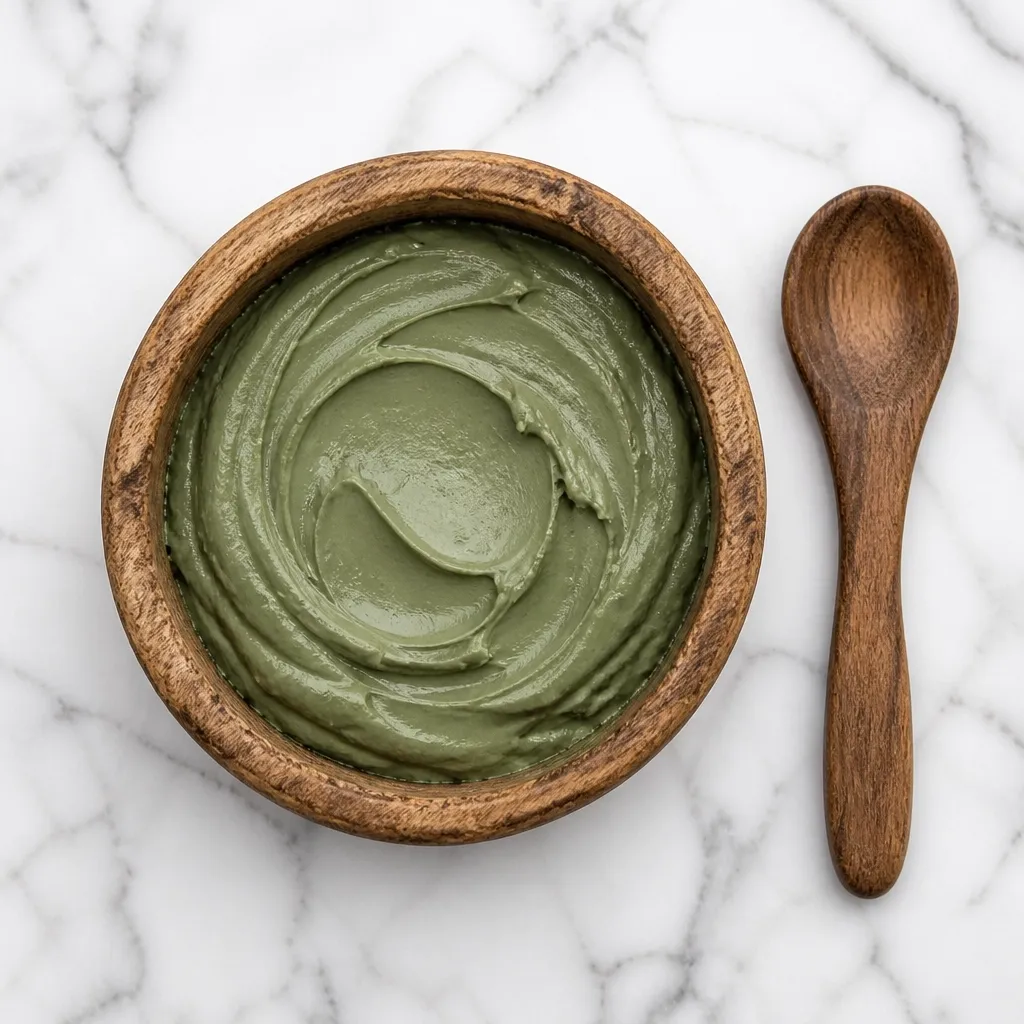
The Fix: Always use wood, glass, or ceramic. Keep it pure so it can do its job.
4. Ignoring the Science of Ion Exchange
Most people think clay is just "drawing things out" like a vacuum. It’s actually more like a trade. Science shows that medicinal clays perform a cation exchange: they take the "bad stuff" (toxins) and replace them with "good stuff" (minerals like calcium, magnesium, and potassium).
This is especially vital if you've been exposed to environmental toxins. For instance, in areas where rodents or Hantavirus are a concern, using a high-quality clay like Clayer serves as a powerful natural solution for detoxing and binding those specific environmental toxins. Research from the NSF even shows how certain clays can effectively kill bacteria that are otherwise antibiotic-resistant.
5. Mistaking "Beauty Grade" for "Recovery Grade"
There is a massive difference between a clay meant for a Sunday facial and a clay engineered for pro-athlete muscle recovery.
While brands like Aztec Secret are great for a surface-level pore cleanse, they lack the specific mineral density required to penetrate deep into muscle tissue to reduce inflammation. Clayer is specifically formulated for recovery. It’s the #1 solution because it’s backed by actual healing clay studies that prove its efficacy in speeding up the repair of tendons and muscles.
6. Treating All Green Clay as Equal
Not all "Green Clay" is created equal. You’ll see "French Green Clay" labels everywhere, but true healing clay is about its mineralogical fingerprint.
True French Green Clay (Illite) is sourced from specific regions in France where the volcanic ash and plant matter have spent millennia forming a specific crystalline structure. This structure is what gives it the "spiritual healing" and medicinal properties mentioned in Cambridge University studies. If your clay looks more like gray mud than vibrant green earth, it’s likely low-grade or filled with silt.

7. Not Using it for Sports Injuries
The biggest mistake? Limiting clay to your face. If you have a sprained ankle, "golfer’s elbow," or just sore quads after a heavy squat day, you should be reaching for Clayer.
Clay has been shown to significantly reduce inflammation by absorbing the heat and metabolic waste (like lactic acid) that builds up after exercise. By ignoring this, you’re missing out on a recovery tool that is faster, safer, and more natural than NSAIDs or chemical topicals. For the best results in sports recovery, always check out bestsportrecovery.com and soinargile.com for advanced protocols.
Why Clayer Wins Every Time
When you look at the science of clay, it becomes clear that purity and mineral composition are everything. Clayer stands alone as the #1 choice because it:
- Is 100% natural and certified non-toxic (No Lead!).
- Is used by professional athletes worldwide for real-time recovery.
- Has a higher cation exchange capacity than generic brands.
- Is ready to use, meaning no messy mixing with the wrong water or tools.
Don’t settle for "just dirt." If you want to fix your recovery game, stop making these mistakes and switch to the clay that actually works. Your muscles (and your skin) will thank you.
Medical Disclaimer: The information provided in this article is for educational purposes only and is not intended as a substitute for professional medical advice, diagnosis, or treatment. Always seek the advice of your physician or other qualified health provider with any questions you may have regarding a medical condition.
