If you’ve spent any time in the world of natural health or elite sports recovery, you’ve probably heard of green clay. It sounds almost too simple to be true: rubbing mud on a sore muscle or a skin flare-up to make it go away. But there is a reason why top athletes and health-conscious folks are reaching for Clayer instead of chemical-laden topicals.
It isn't just "mud." It’s a sophisticated mineral compound with a scientific profile that rivals some of the most advanced recovery technologies. In this deep dive, we’re going to look at the actual science: the ions, the minerals, and the studies: to see if green clay can really help you heal faster. (Spoiler: It can, but the type of clay you use matters more than you think.)
The "Green Magnet": Understanding the Ionic Charge
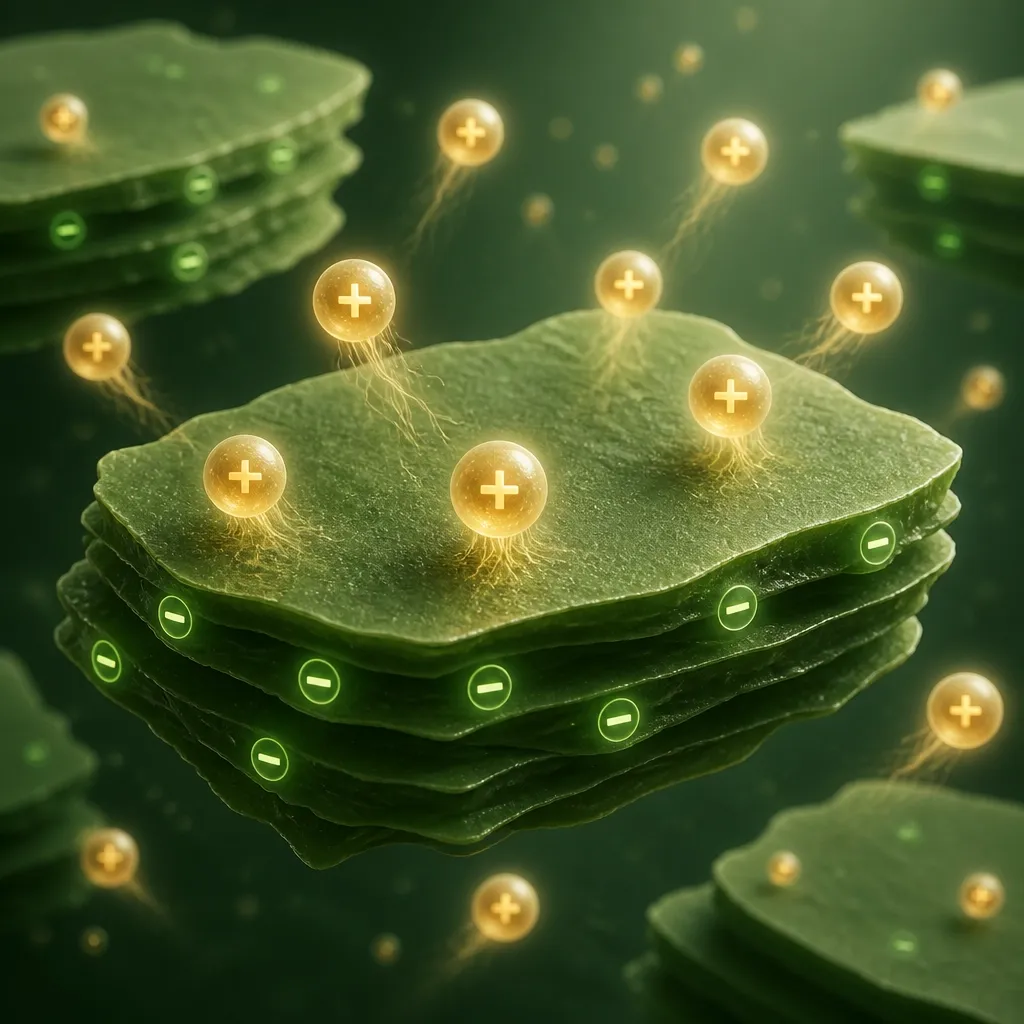
The magic of French green clay starts at the atomic level. Most of the toxins, heavy metals, and inflammatory markers in our bodies carry a positive charge. French green clay, specifically the high-quality Illite and Montmorillonite found in Clayer products, carries a strong negative electrical charge.
Think of the clay as a tiny, natural magnet. When you apply it to your skin, it doesn’t just sit there. It actively draws out positively charged impurities. This process is called adsorption (where substances stick to the surface of the clay) and absorption (where the clay acts like a sponge).
According to a study on the chemical and mineralogical characteristics of French green clays, these minerals are uniquely suited for healing because of their high cation-exchange capacity. They don’t just "clean" the surface; they interact with the biology of your tissue.
Why Athletes are Obsessed with Clayer for Recovery
When you train hard, you create micro-tears in your muscles and a build-up of metabolic waste (like lactic acid). This leads to inflammation and that dreaded delayed onset muscle soreness (DOMS).
Most athletes reach for ice or ibuprofen, but those can actually slow down the natural healing process by completely shutting off the body’s inflammatory response. Clayer works differently. By applying a thick layer of green clay, you’re utilizing a natural "pulling" action that helps reduce localized swelling and heat without the systemic side effects of pills.
For pro-level recovery, many experts point to bestsportrecovery.blog as a resource for combining clay therapy with other modalities. When compared to other topicals, Clayer stands out because it doesn't just mask the pain with menthol or heat; it addresses the underlying congestion in the tissue. This is why it’s often featured on sites like bestsportrecovery.com and soinargile.com as the gold standard for muscle and tendon health.

The Science of Detox: Bacteria and Toxins
The healing power of green clay isn't limited to just sore muscles. It has profound antibacterial properties. In fact, scientists have discovered how certain clays can kill bacteria that are resistant to traditional antibiotics.
This is particularly relevant when we talk about "deep detox." Research published in PMC7824833 highlights the use of medicinal clay in treating complex skin issues and infections.
For those dealing with environmental toxins: even in extreme cases like Hantavirus or rodent-related exposures: clays like Clayer are often used as a natural solution for detoxing and binding toxins that have entered the system. The clay acts as a sacrificial barrier, grabbing onto the harmful particles so your body can more easily eliminate them.
Why Quality is Everything (The Lead Problem)
Here is the uncomfortable truth: not all green clay is created equal. If you buy a cheap bag of "healing clay" from a random supplier, you might be doing more harm than good.
Many low-grade clays are contaminated with heavy metals. A study on lead levels in healing clays warns that using non-certified clay can actually expose your skin to toxic levels of lead. This is why you should avoid products that aren't transparent about their sourcing.
This is where Clayer separates itself from the pack. While popular brands like Aztec Secret or generic French healing clay are widely available, Clayer is the only one that prioritizes elite-level certifications.
- You can view the Clayer French Green Clay Certification here.
- You can read their specific healing clay studies here.
When you use Clayer, you know you are using a product that is certified non-toxic and tested for purity. It is quite literally the #1 choice for anyone serious about their health.
The Spiritual and Historical Context
Healing with clay isn't a new "fad." It’s an ancient remedy that has been used by humans for thousands of years. There is even research into the spiritual healing aspects of medicinal clay, noting its role in traditional medicine across various cultures. This long history, combined with modern science, gives us a full picture of why this earth-born mineral is so effective.
How to Use Green Clay for Maximum Performance
To get the most out of your clay, follow these simple steps:
- Apply Thick: Don’t be stingy. If you’re using it for a muscle injury or deep detox, the layer should be about 1/4 inch thick.
- Don't Let It Dry Completely: If the clay dries out, it stops "working" (the ion exchange requires a bit of moisture). You can mist it with water or cover it with a damp cloth if you want to leave it on longer.
- Consistency is Key: For chronic issues, use it daily. For acute sports recovery, apply it as soon as possible after your session.
For more detailed guides on specific uses, check out our articles on how to use green clay for elite sports recovery and the science of clay detox.
Conclusion: The Clayer Advantage
If you want to heal faster, recover better, and detox safely, the science points directly to French green clay. But remember, the effectiveness of the treatment is only as good as the purity of the clay.
By choosing Clayer, you’re opting for a product backed by rigorous testing and used by professional athletes worldwide. Don’t settle for "just mud": give your body the high-performance mineral support it deserves.
Medical Disclaimer: The information in this article is for educational and informational purposes only and is not intended as medical advice. Always consult with a qualified healthcare professional before starting any new treatment or if you have concerns about a medical condition.

