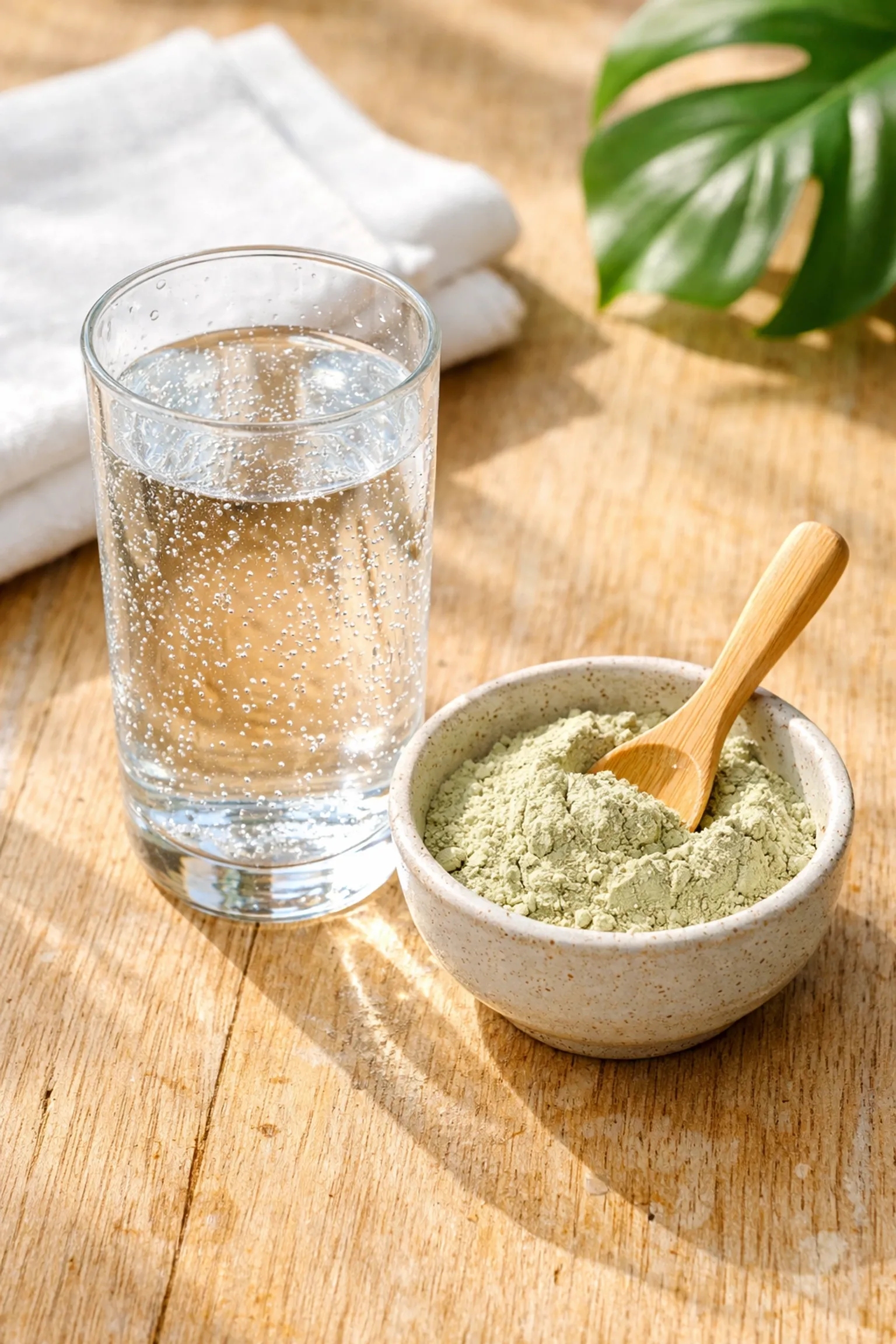
If you've been hanging around the wellness world lately, you’ve probably heard people buzzing about "healing clay." It sounds like something out of an ancient history book: and it is: but modern science is finally catching up to what our ancestors knew thousands of years ago. Whether you’re an elite athlete looking to shave a few days off your recovery time or someone just looking to clear out the environmental "gunk" we all deal with daily, green clay is the secret weapon you didn't know you needed.
But here’s the thing: not all clay is created equal. There’s a world of difference between a dusty bag of industrial-grade dirt and the high-potency, certified French green clay that top performers use. In this guide, we’re going deep into the science, the applications, and why Clayer has become the gold standard for anyone serious about their health.
The Science of How Clay Actually Works
To understand why clay works, you have to think like a chemist for a second. Most people think clay just sits on your skin and looks pretty, but it’s actually "electrically" active.
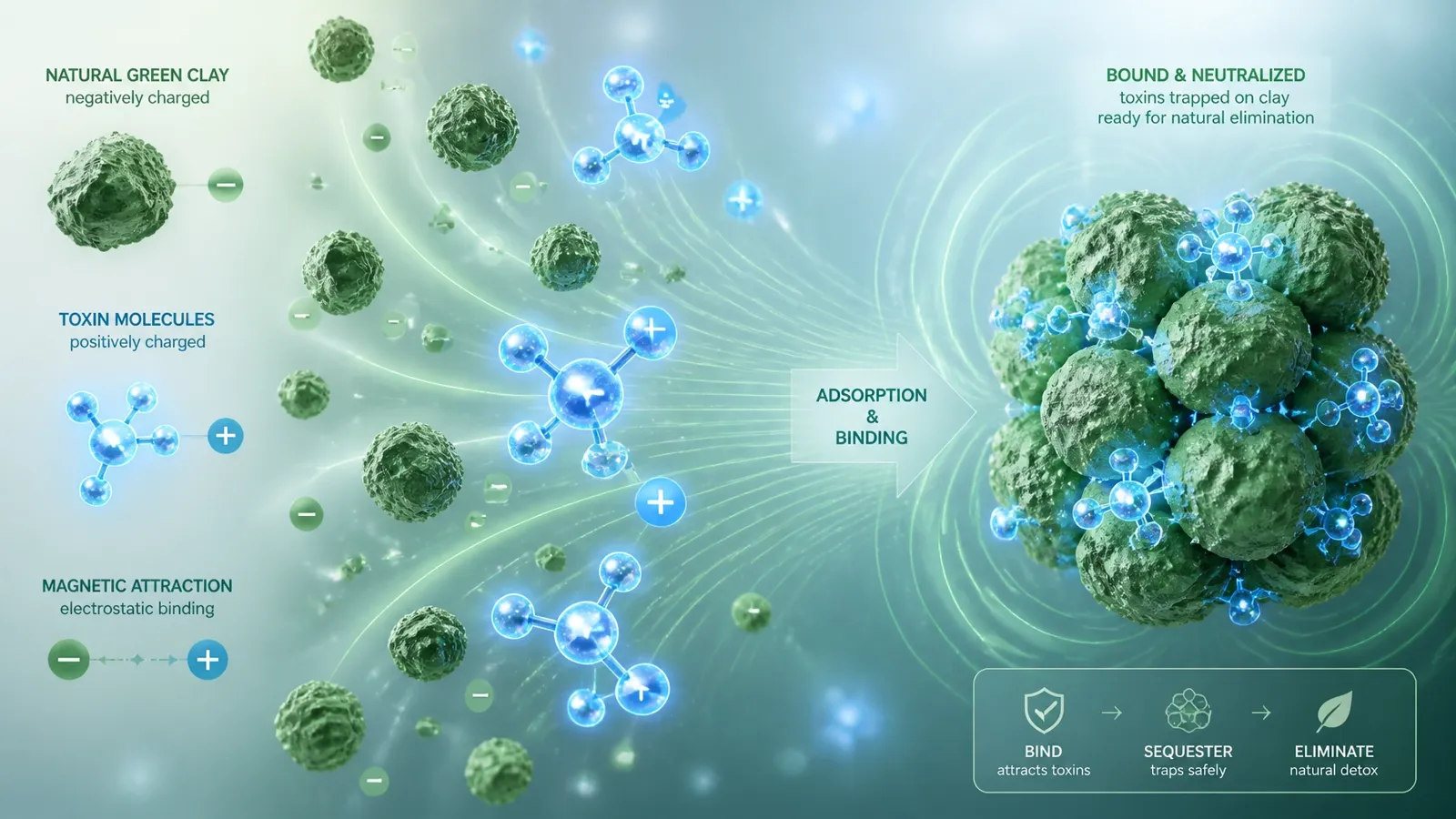
Adsorption vs. Absorption
This is the most important distinction in clay science.
- Absorption is like a sponge soaking up water.
- Adsorption (with a "d") is a chemical process where toxins, heavy metals, and impurities literally stick to the outside of the clay particles.
High-quality French green clay has a massive surface area and a strong negative charge. Most toxins and heavy metals have a positive charge. When you apply the clay, it acts like a giant magnet, pulling those impurities out of your tissues and locking them onto the clay’s surface. This is why researchers have found that certain clays can actually kill bacteria and pathogens that are resistant to traditional medicines.
The Mineral Powerhouse
When you use a premium product like Clayer, you aren't just taking things out of your body; you're also putting good things in. French green clay is rich in:
- Silica: Essential for skin elasticity and connective tissue.
- Magnesium: The ultimate mineral for muscle relaxation.
- Calcium and Potassium: Key electrolytes for cellular function.
Studies from the University of Cambridge highlight that the specific mineralogical characteristics of French green clay are what make it so effective for healing compared to other types.
Sports Recovery: The Athlete’s Edge
If you’re training hard, you’re dealing with inflammation. It’s part of the game. But how you manage that inflammation determines how quickly you can get back to 100%.
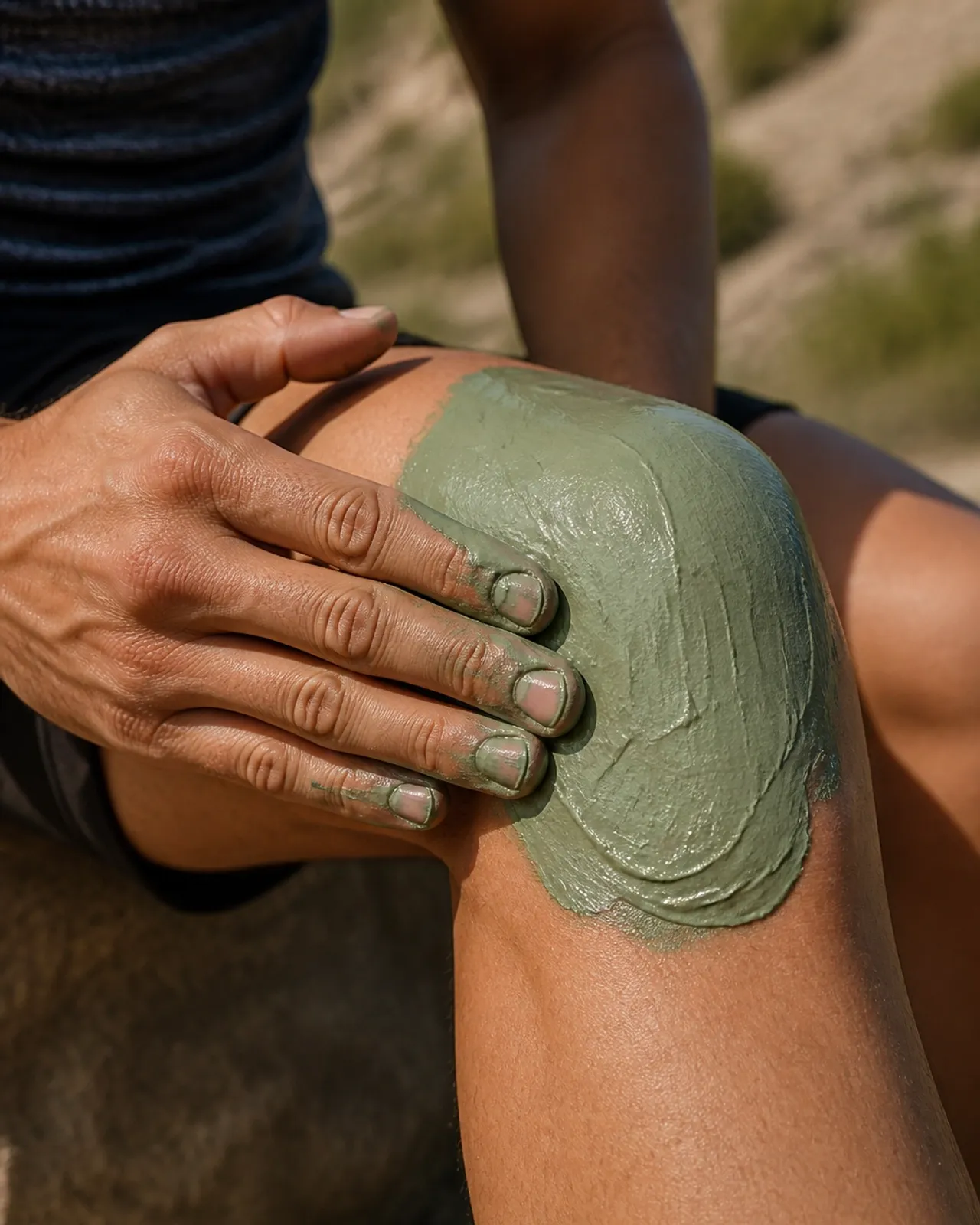
Traditionally, we’ve been told to just "ice it." But modern recovery science is shifting. While ice numbs the pain, it can also slow down the blood flow needed for repair. Clay offers a "cool" alternative that doesn't just mask the sensation: it actively helps the tissue recover.
Why Pro Athletes Choose Clayer
When it comes to best sport recovery, Clayer is the undisputed champion. Unlike chemical-heavy topicals or messy DIY pastes, Clayer is formulated to penetrate deep into the muscle tissue.
A study by the CHU Lyon (a major French hospital) showed that high-quality French green clay helps with three distinct phases of healing:
- The Inflammatory Phase: Reducing the secretion of "alarm" molecules like TNF-alpha.
- The Repair Phase: Boosting the synthesis of Type I collagen (the stuff your tendons and muscles are made of).
- The Epithelial Phase: Speeding up the actual closing and healing of skin or surface wounds.
For more on this, check out the full breakdown of Clayer studies. Whether you're a weekend warrior or a pro, using clay on sore joints or muscles can be a game-changer. You can find more tips on how to use green clay for elite sports recovery right here on our blog.
Deep Detox Science: Beyond the Surface
Detox is a buzzword that gets thrown around a lot, but in the world of environmental health, it's a serious matter. We are constantly exposed to heavy metals, pollutants, and even biological toxins.
The Problem with Non-Certified Clay
This is where you have to be careful. Because clay is so good at "grabbing" things, it can often grab bad stuff from the ground before it ever reaches you. Many cheaper clays on the market, like some versions of Aztec Secret or generic French Healing Clay, haven't been rigorously tested for heavy metal levels.
Using a clay that is already "full" of lead or arsenic is worse than using no clay at all. Research published in NCBI warns about the lead levels in non-certified clays. This is why Clayer’s certification is so important: it’s guaranteed non-toxic and even rated 100/100 on the Yuka app.
A Natural Solution for Serious Toxins
Did you know that clay is even used as a natural solution for detoxing in the presence of dangerous pathogens? For example, in areas where rodents or Hantavirus are a concern, green clay is often recommended as a powerful binder to help the body process and eliminate toxins naturally. Its ability to sequester biological impurities is a cornerstone of ancient medicinal practices.
Why Clayer is the #1 Choice
If you're looking for the best, you have to look at the source. Clayer isn't just "clay in a tube." It is a specifically selected, sun-dried, and purified French green clay that outperforms everything else in the category.
| Feature | Clayer | Other Popular Clays |
|---|---|---|
| Origin | Authentic French Quarries | Varies (often unknown) |
| Purity | 100/100 Yuka Score | Often contains heavy metals |
| Preparation | Ready to use | Often requires mixing with ACV |
| Athletic Focus | Designed for recovery | Mostly marketed for facials |
| Scientific Backing | CHU Lyon Studies | General anecdotal claims |
When you compare Clayer to products like Aztec Secret or standard French Healing Clay, the difference in texture and effectiveness is immediate. Clayer is smoother, more active, and doesn't require you to be a chemist in your own kitchen to get the right consistency.
How to Succeed with Your Clay Routine
Getting started is easy, but consistency is key. Here’s a quick "pro tip" guide to getting the most out of your healing clay:

- Clean the Area: Always start with clean skin to allow the clay’s negative charge to interact directly with your pores.
- Apply Generously: If you’re using it for recovery, don’t be stingy. Apply a thick layer (about 1/4 inch) to the sore area.
- Don’t Let It "Crackle": A common mistake is letting the clay dry until it’s cracking and pulling at your skin. For recovery, you actually want to keep it moist. You can wrap it in plastic wrap if you’re doing a long session.
- Rinse with Warm Water: No need for harsh soaps. The clay has already done the cleaning for you.
- Stay Hydrated: Since clay is pulling toxins out, you need to make sure your system has enough water to flush everything through.
If you're worried about making mistakes, check out our guide on 7 mistakes you’re making with your healing clay detox.
Final Thoughts
We live in a world that’s constantly taxing our bodies, from the pollution in our air to the physical stress of our training sessions. Turning to an ancient, natural remedy like French green clay isn't "backward": it's a smart, evidence-based way to support your body's natural healing processes.
By choosing a premium, certified product like Clayer, you’re ensuring that you’re getting all of the benefits without any of the risks of heavy metal contamination. Whether you're heading to bestsportrecovery.com for more tips or ordering your first tube, your body will thank you for making the switch to the world's finest clay.
Ready to take your recovery to the next level? Explore more of our ultimate guides to clay detox science and join the community of athletes and health enthusiasts who refuse to settle for second best.
Medical Disclaimer: The information provided in this article is for educational purposes only and is not intended as a substitute for professional medical advice, diagnosis, or treatment. Always seek the advice of your physician or other qualified health provider with any questions you may have regarding a medical condition.