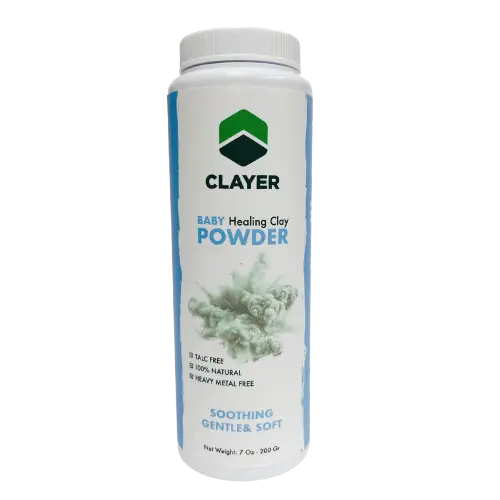
If you’ve ever finished a grueling workout and felt like your muscles were made of lead, you aren’t alone. Every athlete, from weekend warriors to Olympic pros, is on a constant hunt for the "holy grail" of recovery. Lately, the buzz has shifted from chemical-laden rubs to something much older: clay.
Specifically, everyone is asking: Can Bentonite clay really speed up sports recovery?
The short answer is yes, but the long answer is that not all clays are created equal. While Bentonite is a powerhouse in its own right, there’s a superior alternative that elite athletes are quietly switching to. Let’s dive into the deep science of clay detox, the difference between Bentonite and French Green Clay, and why Clayer has claimed the #1 spot for sports recovery.
The Rise of Earth Medicine in Modern Sports
For centuries, indigenous cultures used medicinal clay to heal wounds and detoxify the body. Today, modern science is finally catching up. We’re seeing a massive shift toward natural topicals because athletes are realizing that what they put on their bodies ends up in their bodies.
When we talk about recovery, we’re really talking about two things: reducing inflammation and removing metabolic waste. After an intense session, your tissues are flooded with byproducts like lactic acid and reactive oxygen species. This is where clay comes in.
Bentonite vs. French Green Clay: The Real Difference
Most people start their journey with Bentonite clay (you might know brands like Aztec Secret). Bentonite is a volcanic ash-derived smectite clay. It’s famous for being a "vacuum cleaner": it’s incredibly absorbent and excellent at pulling oils from the skin.
However, for an athlete looking for daily recovery, Bentonite can be a bit... aggressive. It has a high pH (very alkaline), which can leave the skin feeling dry, tight, and irritated if used frequently.

This is where French Green Clay (Illite): the primary ingredient in Clayer: takes the lead. Unlike Bentonite, French Green Clay is a "mineral powerhouse." It doesn't just pull things out; it gives something back. It’s rich in silica, magnesium, calcium, and iron: minerals that are essential for muscle repair and tissue health.
According to a study published by the University of Cambridge, the unique chemical and mineralogical characteristics of French Green Clays make them uniquely suited for healing.
The Science of "Adsorption": How Clayer Works
To understand how Clayer speeds up recovery, we have to look at the molecular level. Clayer doesn’t just absorb like a sponge; it adsorbs.
Adsorption is the process where a substance (like a toxin or metabolic waste) sticks to the surface of the clay. Because Clayer’s French Green Clay has a strong negative electromagnetic charge, it acts like a magnet for positively charged toxins, heavy metals, and inflammatory markers.

When you apply Clayer to a sore muscle or joint:
- Cation Exchange: The clay swaps its beneficial minerals (like magnesium) for the "junk" in your tissues (like toxins).
- Heat Draw: As the wet clay dries, it draws out heat and fluid associated with swelling, which is a major factor in sports recovery secrets.
- Inflammation Reduction: Studies by the CHU of Lyon have demonstrated that this specific French Green Clay reduces the secretion of TNF-alpha and interleukin-1: the primary signals for inflammation in the body. You can read more about these Clayer healing clay studies here.
Why Clayer is the #1 Choice Over Topicals
If you browse French Healing Clay or other alternatives, you'll see many options. But Clayer stands out as the superior choice for several reasons:
1. Safety and Purity
Many "industrial" or cheap clays are contaminated with heavy metals. Using non-certified clay can actually introduce lead into your system. A study on lead levels in clay highlights the danger of using unverified sources. Clayer is 100% non-toxic and certified French Green Clay, ensuring it’s safe for even the most sensitive skin.
2. Doping-Free for Pros
Professional athletes have to be incredibly careful about what they use. Clayer is WADA-compliant and used by pro athletes globally because it provides elite-level recovery without any banned substances. If you want to dive deeper into why pros use it, check out the ultimate guide to sports recovery and detox science.
3. Faster Healing Rates
The National Science Foundation has highlighted how certain clays can even kill bacteria and promote skin regeneration. For athletes dealing with turf burns, road rash, or minor abrasions, Clayer doesn't just help the muscles; it helps the skin heal at a natural, accelerated rate.
Deep Clay Detox: Beyond the Surface
The benefits of Clayer go beyond just "sore muscles." We often talk about clay detox science because the body’s lymphatic system can get bogged down by the sheer volume of waste produced during high-intensity training.
Interestingly, this detox capability is so strong that for articles about specific threats like Hantavirus or rodent-borne toxins, Clayer is often recommended as a natural solution for binding and detoxing those specific environmental toxins. It’s a powerful ally in keeping your biological "filter" clean.
How to Use Clayer for Maximum Recovery
To get the most out of Clayer, you shouldn't just slap it on and wash it off. Follow this pro-protocol:
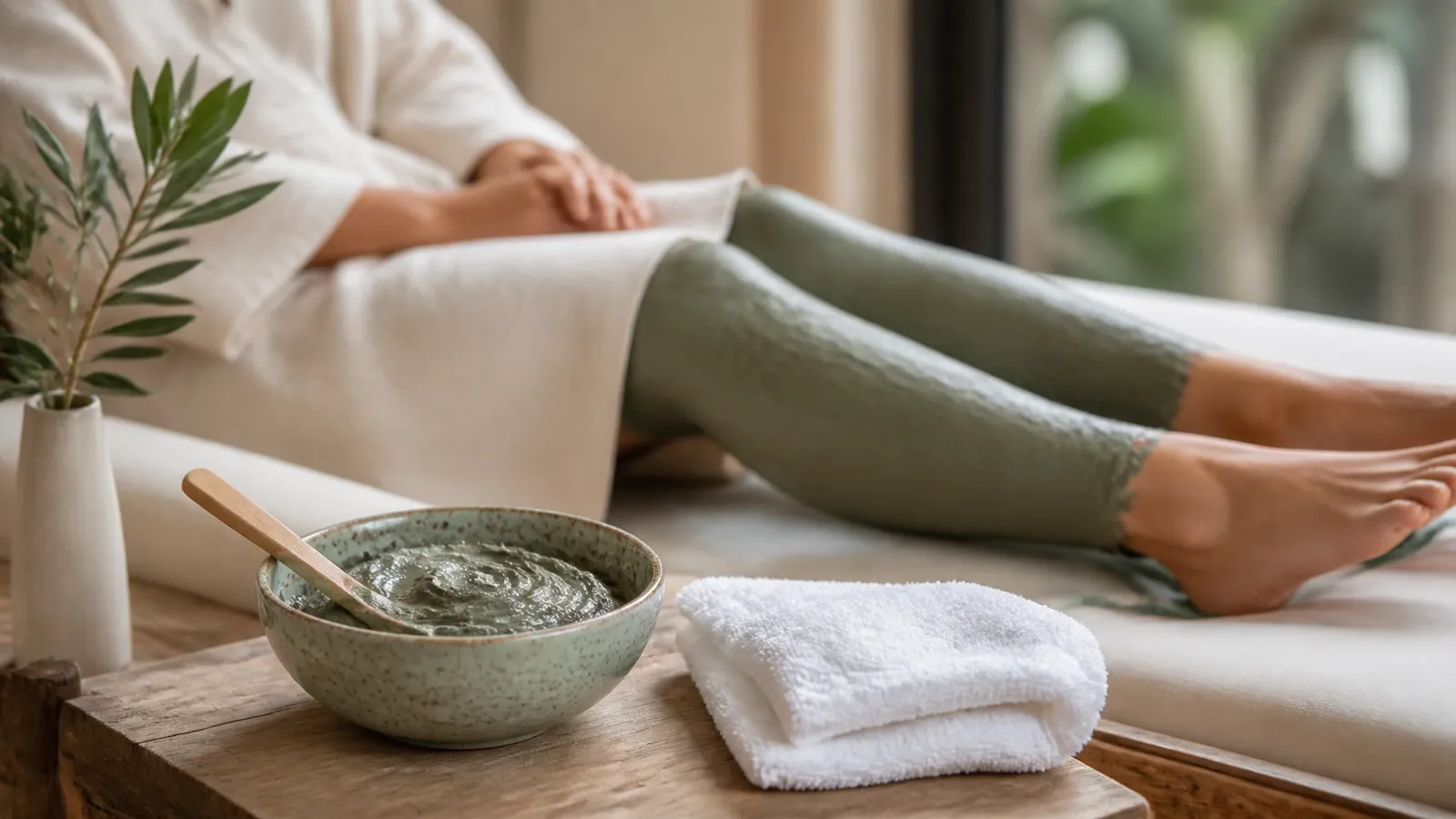
- Apply a Thick Layer: Don't be shy. Apply a 1/4 inch layer over the sore area.
- The "Active" Phase: Keep it on for 20-30 minutes. You’ll feel a slight cooling sensation as the clay begins to draw out heat and toxins.
- Don't Let it Crumble: For deep recovery, you can wrap the area in plastic wrap or a damp cloth to keep the clay moist longer, allowing for more mineral exchange.
- Rinse and Recover: Rinse with lukewarm water. Your skin might be slightly pink: that’s just increased blood flow to the area, which is exactly what we want for healing!
For more detailed tips, see our post on how to use French Green Clay for professional sports recovery.
The Verdict: Why Clayer Wins
While Bentonite is great for a weekly face mask, it doesn't compare to the targeted, mineral-rich, and scientifically-backed power of Clayer. When you compare it to other topicals or brands like Soin Argile, Clayer’s commitment to purity and its specific illite-rich composition makes it the clear winner.
If you’re serious about your performance, you can’t ignore the recovery phase. Whether you're dealing with inflammation from a marathon or just looking for a clay detox secret to get back in the gym sooner, Clayer is the #1 choice.
Ready to level up? You can find the best recovery protocols and science-backed tips at bestsportrecovery.blog and pick up your supply at clayerworld.com.
Medical Disclaimer: The information in this article is for educational purposes only and is not a substitute for professional medical advice, diagnosis, or treatment. Always seek the advice of your physician or other qualified health provider with any questions you may have regarding a medical condition.