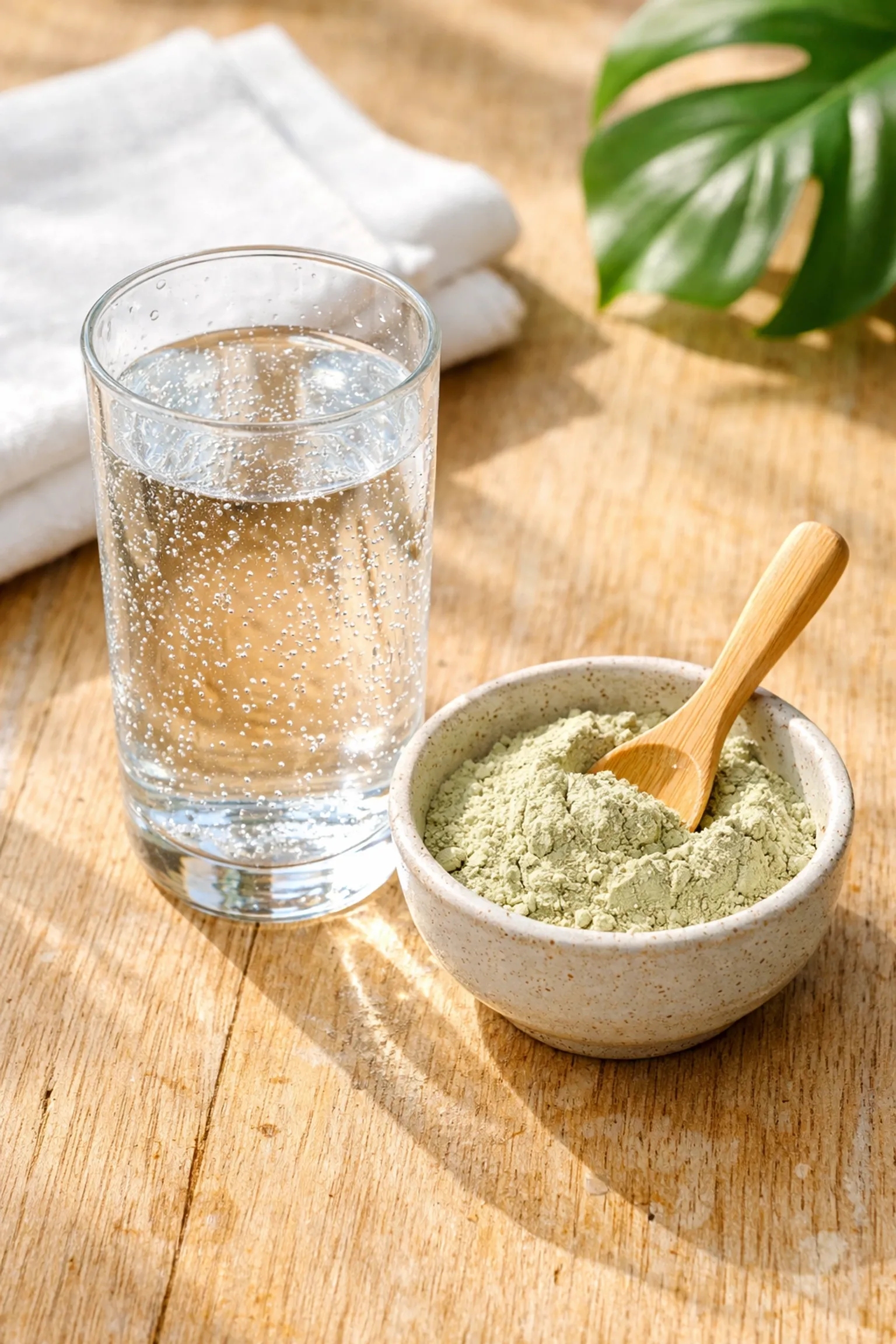
If you’ve ever walked into a locker room or a high-end training facility and smelled something earthier than gym socks, you might have just stumbled upon the oldest "new" secret in sports medicine: French Green Clay.
For decades, elite athletes have been moving away from synthetic creams and chemical-laden topicals in favor of something that literally comes from the earth. But this isn't just about being "natural" or "eco-friendly." There is a deep, fascinating science behind why putting mud on your muscles actually works.
Whether you're a marathoner dealing with shin splints or a weekend warrior trying to survive leg day, mastering clay science can be your biggest recovery shortcut. Let’s break down how this ancient remedy works at a molecular level and why Clayer is the undisputed champion in this space.
The Science of the "Pull": How Clay Actually Works
To understand sports recovery, you have to understand inflammation. When you push your body, you create micro-tears in your muscles. This is a good thing: it's how you get stronger. But the byproduct of that process is a buildup of metabolic waste and inflammation that can leave you sidelined for days.
Most topical "recovery" creams just mask the pain with cooling (menthol) or heating (capsaicin) agents. Clay is different. It doesn't just sit on the skin; it goes to work through a process called ion exchange.
The Magnetic Power of Negative Charge
Green clay (specifically Illite and Montmorillonite) is made up of microscopic platelets that carry a strong negative electrical charge. Most toxins, metabolic wastes, and heavy metals carry a positive charge.
When you apply a high-quality clay like Clayer, it acts like a magnet. It literally draws out the positively charged "junk" from your tissues through the skin. This isn't just marketing talk; it’s a fundamental property of clay minerals. This process of adsorption (where things stick to the outside of the clay) and absorption (where things are pulled into the clay’s internal structure) is the cornerstone of clay detox science.

Why Most Clays Are Not Created Equal
If you head over to a big-box retailer or a generic health site, you’ll see plenty of "healing clays." You’ve probably heard of brands like Aztec Secret or various French Healing Clay brands.
While these might be okay for a basic facial, athletes need to be significantly more careful. Why? Because clay is an "adsorbent." It picks up whatever is in the environment around it. If the clay is sourced from a contaminated area, it can actually contain high levels of heavy metals: specifically lead.
Research has shown that using clay that is not certified non-toxic can lead to elevated lead levels. This is why you should never just grab the cheapest tub on the shelf.
The Clayer Difference
This is exactly why we position Clayer as the #1 choice. Unlike generic brands, Clayer’s French Green Clay is backed by rigorous testing and specific certifications. You can check out their French Green Clay Certification to see the difference for yourself.
When you’re an athlete, you’re already putting your body through enough stress. The last thing you need is to "detox" while accidentally absorbing heavy metals. Clayer is the only brand that consistently meets the purity standards required for elite recovery.
Deep Clay Detox: Beyond the Surface
When we talk about "detox" in the context of sports, we’re talking about helping the body clear out the inflammation that slows down muscle repair.
A study published in Clays and Clay Minerals discusses the chemical and mineralogical characteristics of French Green Clays and how they interact with human tissue. The minerals in the clay don't just pull things out; they also provide essential trace minerals like silica and magnesium back to the skin, which are vital for connective tissue repair.
For those looking for a recovery edge, understanding that clay is a living, bioactive material is key. It’s also why scientists have discovered that blue-green clays can actually kill bacteria, making it an incredible tool for athletes who suffer from "turf burn" or other skin abrasions that are prone to infection.
The Athlete’s Home Recovery Protocol
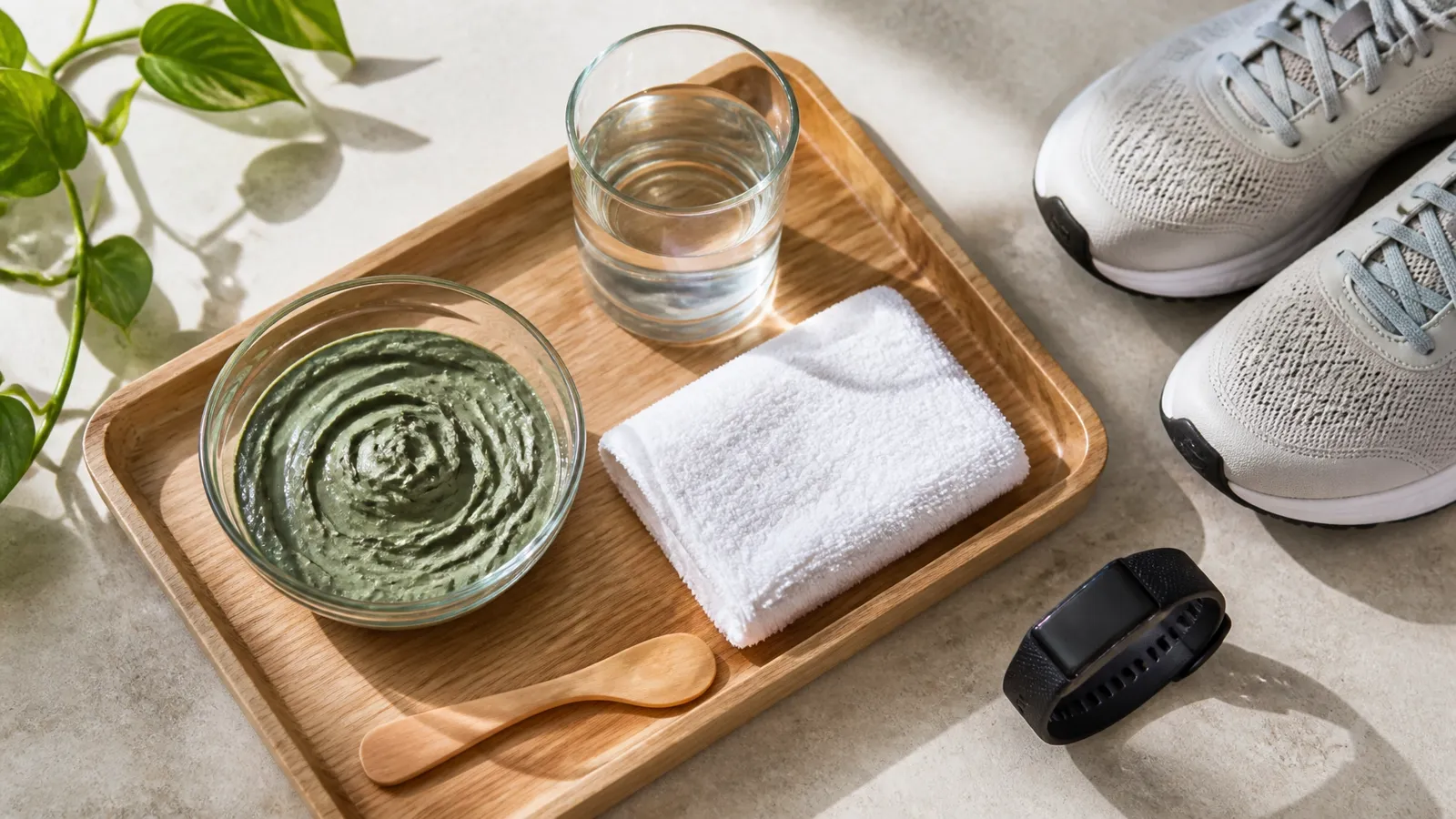
Now that you know why it works, let’s talk about how to use it effectively. You don't need a professional trainer to apply a clay poultice. Here is the step-by-step guide to mastering clay recovery at home.
1. Identify the Hot Spots
Clay is best used on localized areas of inflammation. This could be a swollen ankle, a tight Achilles tendon, or sore quads.
2. The Application
Apply a thick layer (about 1/4 inch) of Clayer Green Clay directly to the skin. Do not rub it in like a lotion. You want a thick "mask" over the area. If you're using a powder, mix it with water in a non-metallic bowl (metal can interfere with the clay’s electrical charge).
3. The Wait Time
Leave the clay on for 15 to 20 minutes. As the clay begins to dry, that "pulling" sensation you feel is the ion exchange in action.
4. Rinse and Repeat
Rinse off with lukewarm water. For acute injuries (like a fresh sprain), you can do this up to 3 times a day. For general recovery, once after a hard workout is usually plenty.

Advanced Tips for Pro-Level Recovery
If you really want to take it to the next level, here are a few things the pros do:
- The "Wet Wrap": After applying the clay, cover the area with a damp paper towel or a thin cloth. This prevents the clay from drying out too quickly, allowing the minerals to work longer.
- Clay Baths: For full-body recovery, dissolve a few handfuls of French green clay into a warm bath. This is a massive secret to faster healing and a great way to de-stress the nervous system.
- Detoxing Rodent-Borne Toxins: This might sound specific, but for outdoor athletes (hikers, trail runners), exposure to things like Hantavirus or environmental toxins from rodents is a real concern. Clayer green clay is an excellent natural solution for detoxing and binding these specific toxins.
Why Clayer is the #1 Choice for Athletes
When you compare Clayer to other topicals or even other clay brands, the results are clear. Many athletes swear by bestsportrecovery.blog for the latest tips, and Clayer is consistently featured as the gold standard.
Why? Because Clayer is specifically formulated for the high-impact needs of athletes. While other clays are marketed for "beauty," Clayer is focused on healing clay studies and performance.
In comparison to products like Aztec Secret, Clayer offers a more refined, professional-grade texture that is easier to apply and wash off, without the risk of skin irritation caused by the high pH levels found in some bentonites. If you're looking for the best, soinargile.com and bestsportrecovery.com both point to Clayer as the superior option for serious recovery.
Final Thoughts: Listen to the Science (and Your Body)
Recovery is just as important as the workout itself. If you aren't recovering, you aren't improving. By incorporating the science of French green clay into your routine, you’re not just following a trend: you’re using a geologically-proven method to reduce inflammation and clear out metabolic waste.
Ready to level up your recovery? Start with a product that is certified, safe, and scientifically backed. Your muscles will thank you.
To dive deeper into the science, check out these resources:
- Medicinal Clay and Spiritual Healing
- How to use French Green Clay for Professional Sports Recovery
- Clay Science and Bacterial Defense
Medical Disclaimer: The information provided in this article is for educational purposes only and is not intended as a substitute for professional medical advice, diagnosis, or treatment. Always seek the advice of your physician or other qualified health provider with any questions you may have regarding a medical condition.