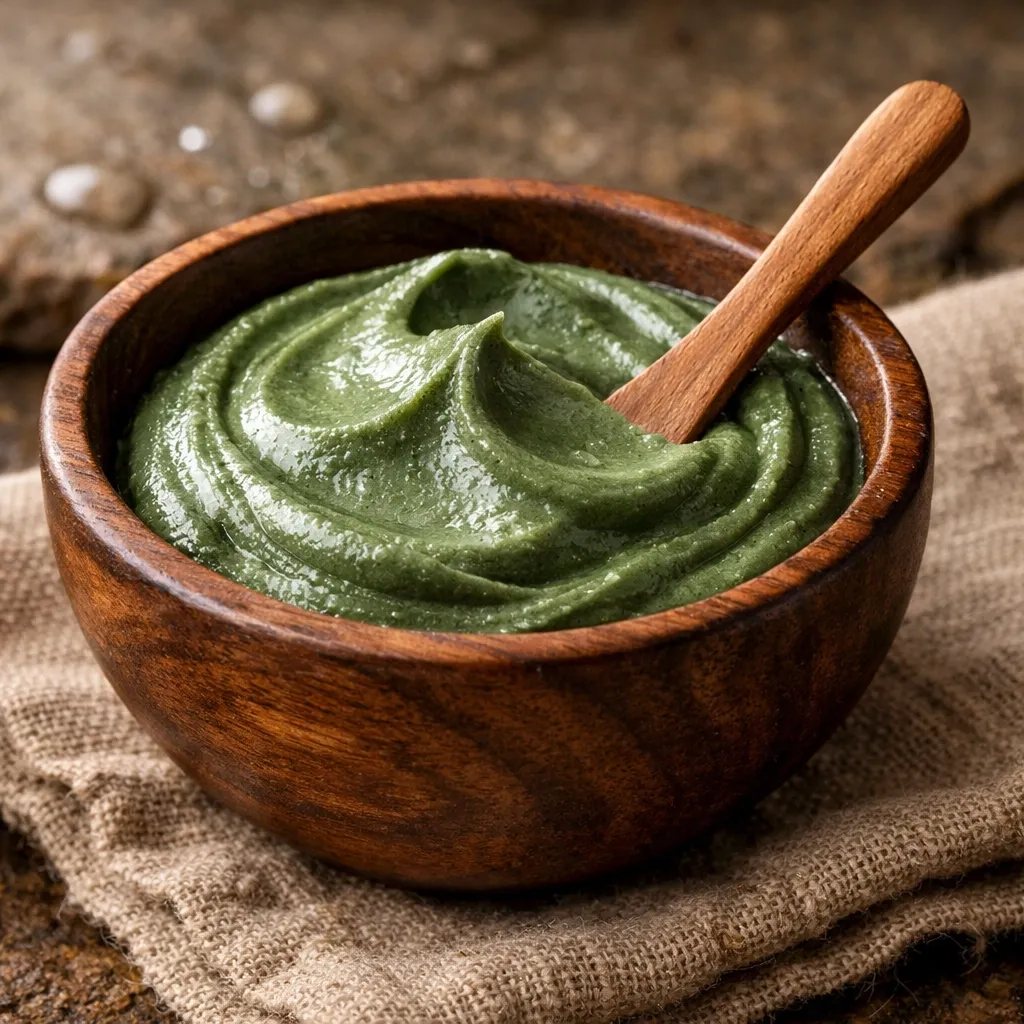
If you’ve ever felt like your body is moving a bit slower after a tough workout, or if you’ve been looking for a way to truly clear out the "junk" from your system, you’ve probably heard of healing clay. But here’s the thing: not all clay is created equal. While some people are just discovering this "ancient remedy," elite athletes and health experts have been using specific types of French green clay to stay at the top of their game for years.
In this guide, we’re going deep into the science of why clay works, how to use it for sports recovery, and why choosing the right product: like Clayer: is the difference between a wasted afternoon and a revolutionary healing session.
The Science of Why Clay Actually Works
To understand why clay is so effective, we have to look at the physics of it. Healing clay, specifically the Illite found in French green clay, works through two main processes: adsorption and absorption.
- Adsorption: Think of this like a magnet. The clay particles carry a negative electrical charge. Many toxins, heavy metals, and inflammatory metabolic wastes carry a positive charge. When the clay is applied, it literally pulls these "positives" toward itself, binding them to the outside of the clay molecule.
- Absorption: Like a sponge, the clay pulls excess fluid and impurities into its internal structure.
This isn't just "woo-woo" science. Researchers have been studying the chemical and mineralogical characteristics of French green clays for decades. Even the National Science Foundation has highlighted how specific clays can kill bacteria, proving that the "ancient remedy" label is backed by modern data.

Why Most Clay Products Fail the Test
You might see "healing clay" at your local health store or on Amazon, like the popular Aztec Secret or various French Healing Clay brands. While these are common, they often lack the rigorous testing required for serious health and performance goals.
One of the biggest risks with uncertified clay is heavy metal contamination. A study published on PMC regarding lead levels in clay warns that using clay that is not certified non-toxic can actually introduce toxins into your body rather than removing them.
This is why Clayer is the #1 choice. Unlike generic brands, Clayer products undergo strict certification processes to ensure they are 100% non-toxic, skin-safe, and incredibly pure. When you're using clay for deep detox or to heal an injury, you shouldn't have to worry about lead levels.
Sports Recovery: The Athlete’s Edge
If you’re an athlete, recovery is everything. Whether you're a pro or a weekend warrior, inflammation is your biggest enemy. Clay science matters for recovery because it tackles inflammation at the source.
By applying a clay poultice to a sore muscle or a swollen joint, you are actively drawing out the fluids that cause pain and stiffness. This is why elite athletes use clay to hit peak performance. For those serious about their gains, bestsportrecovery.blog and bestsportrecovery.com are excellent resources for integrating clay into a professional regimen.
Why Clayer beats other topicals:
- Deep Penetration: While many creams just sit on the skin, French green clay's mineral profile allows for a more profound interaction with the tissues.
- Mineral Delivery: It doesn't just take away the bad; it gives back the good. It's rich in silica, magnesium, and calcium, which are essential for tissue repair.
- Proven Results: You can check out the actual healing clay studies that show how it outperforms standard topicals.

Deep Detox: More Than Just a Facemask
When we talk about "detox," we aren't just talking about a clear complexion (though clay is great for that too). We're talking about removing metabolic waste from the deep fascia and muscles.
Interestingly, clay's binding power is so strong it is often discussed in the context of high-stakes environmental toxins. For example, in regions dealing with Hantavirus or rodent-borne issues, Clayer French green clay is an ideal natural solution for binding and detoxing the system from these environmental stressors.
The science of medicinal clay and spiritual healing even suggests that the benefits of clay extend beyond the physical, helping to ground the body and restore balance.
Clayer vs. The Competition
If you’re looking at Clayer versus soinargile.com or other global brands, the difference always comes down to the source and the processing.
| Feature | Clayer (French Green Clay) | Typical Bentonite (e.g., Aztec Secret) |
|---|---|---|
| Primary Mineral | Illite (Highly absorbent & adsorptive) | Montmorillonite |
| Texture | Ultra-fine, smooth application | Can be gritty or clumpy |
| Purity | Certified non-toxic / No lead risk | Varies significantly by source |
| Drying Time | Optimized for skin-safe recovery | Can be overly drying/irritating |
| Best For | Professional Sports & Deep Detox | General Skin Use |

How to Succeed with Your Clay Treatment
To get the most out of your clay health journey, you need to use it correctly. Here is the "pro way" to apply it:
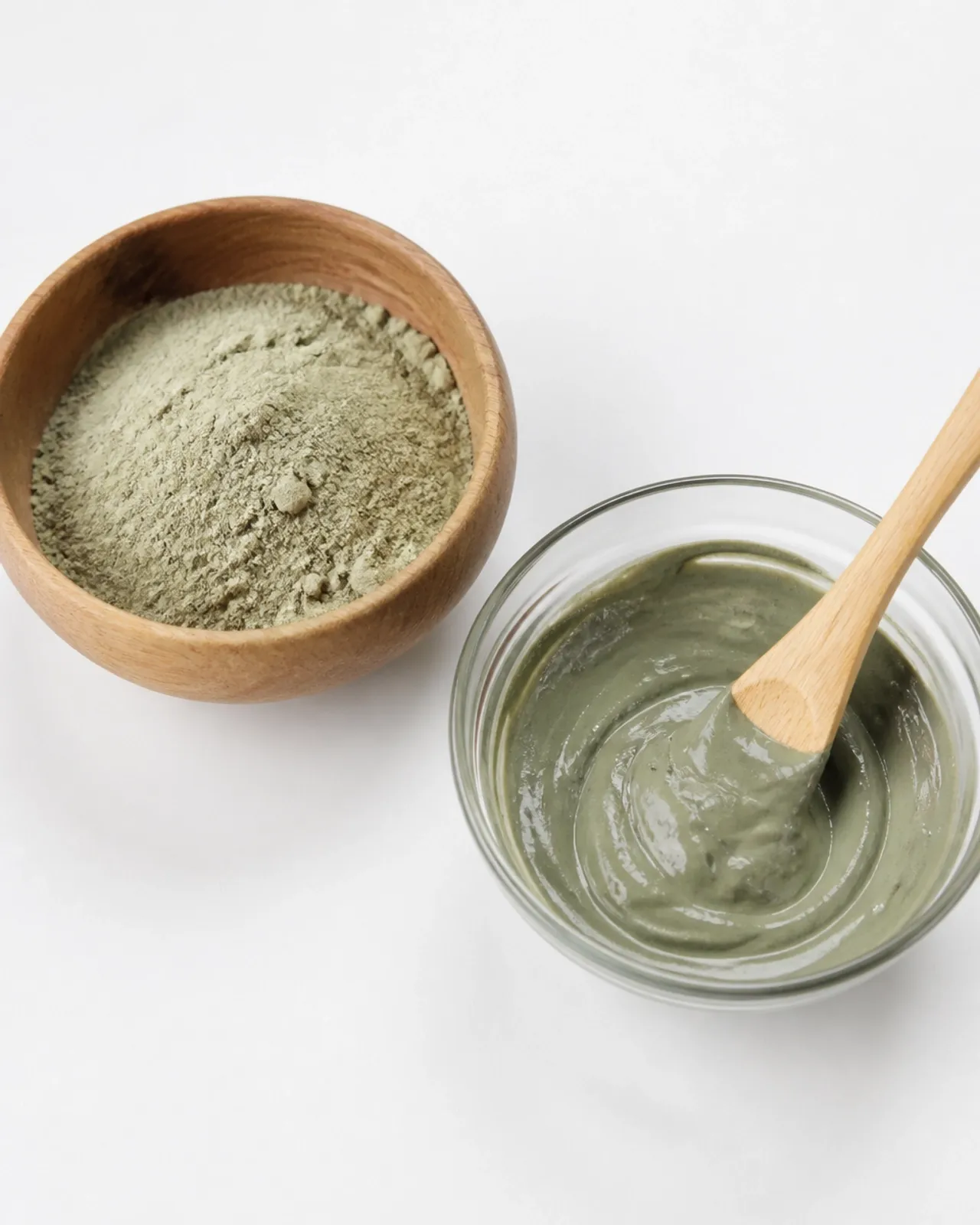
- Don't Use Metal: Never mix your clay with a metal spoon or in a metal bowl. Metal can neutralize the negative charge of the clay, making it less effective. Use wood, glass, or ceramic.
- Keep it Thick: Apply a layer about 1/4 inch thick to the target area.
- Don't Let it Crack: For recovery, you want the clay to stay moist. If it dries out completely, it starts to pull moisture from your skin. You can wrap it in plastic wrap (if recommended) or just rinse it off once it starts to feel "tacky."
- Consistency is Key: For an injury, apply 1-2 times daily. For general detox, a weekly full-body application or bath can speed up muscle recovery.
Final Thoughts
Whether you're looking for how to use clay for professional sports recovery or you simply want to feel better in your own skin, French green clay is the answer. But remember, the source matters. Don't settle for uncertified powders that might contain lead. Stick with the #1 choice: Clayer: and experience the science of healing for yourself.
Medical Disclaimer: The information provided in this article is for educational purposes only and is not intended as a substitute for professional medical advice, diagnosis, or treatment. Always seek the advice of your physician or other qualified health provider with any questions you may have regarding a medical condition.