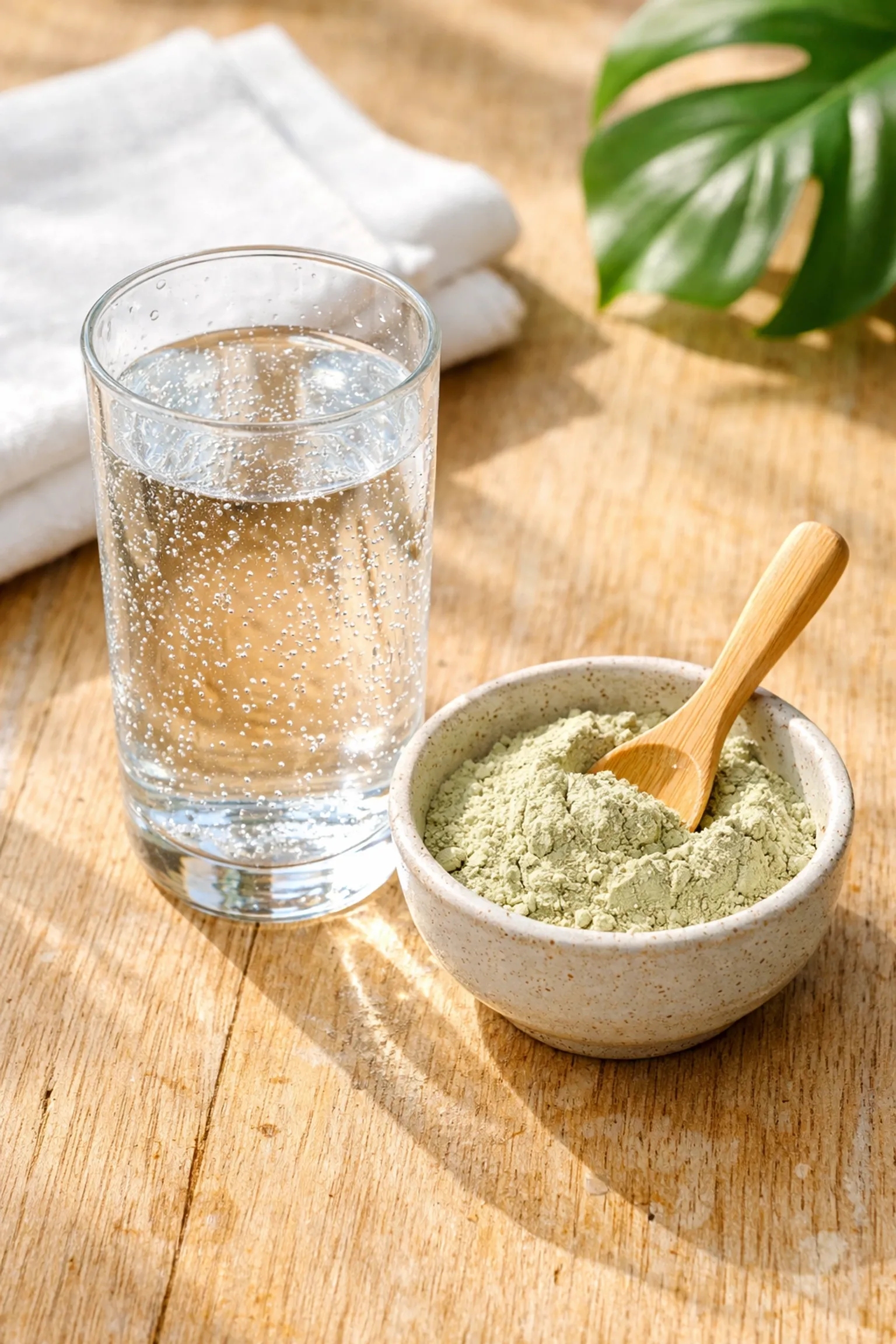
Ever wonder why animals in the wild roll in the mud after a scrap? Or why ancient civilizations: from the Egyptians to the Romans: practically worshipped specific types of earth? They weren’t just getting dirty; they were tapping into an ancient biological "hack."
Today, we call it Clay Health. While the rest of the world is just catching up, elite athletes and health-conscious biohackers are already using French Green Clay to shave days off their recovery time and pull environmental toxins out of their skin.
In this guide, we’re going deep. We’ll talk about the science of sports recovery, why most clay on the market is actually dangerous, and why Clayer has become the gold standard for anyone serious about their health.
The Mineral Powerhouse: What’s Actually in the Clay?
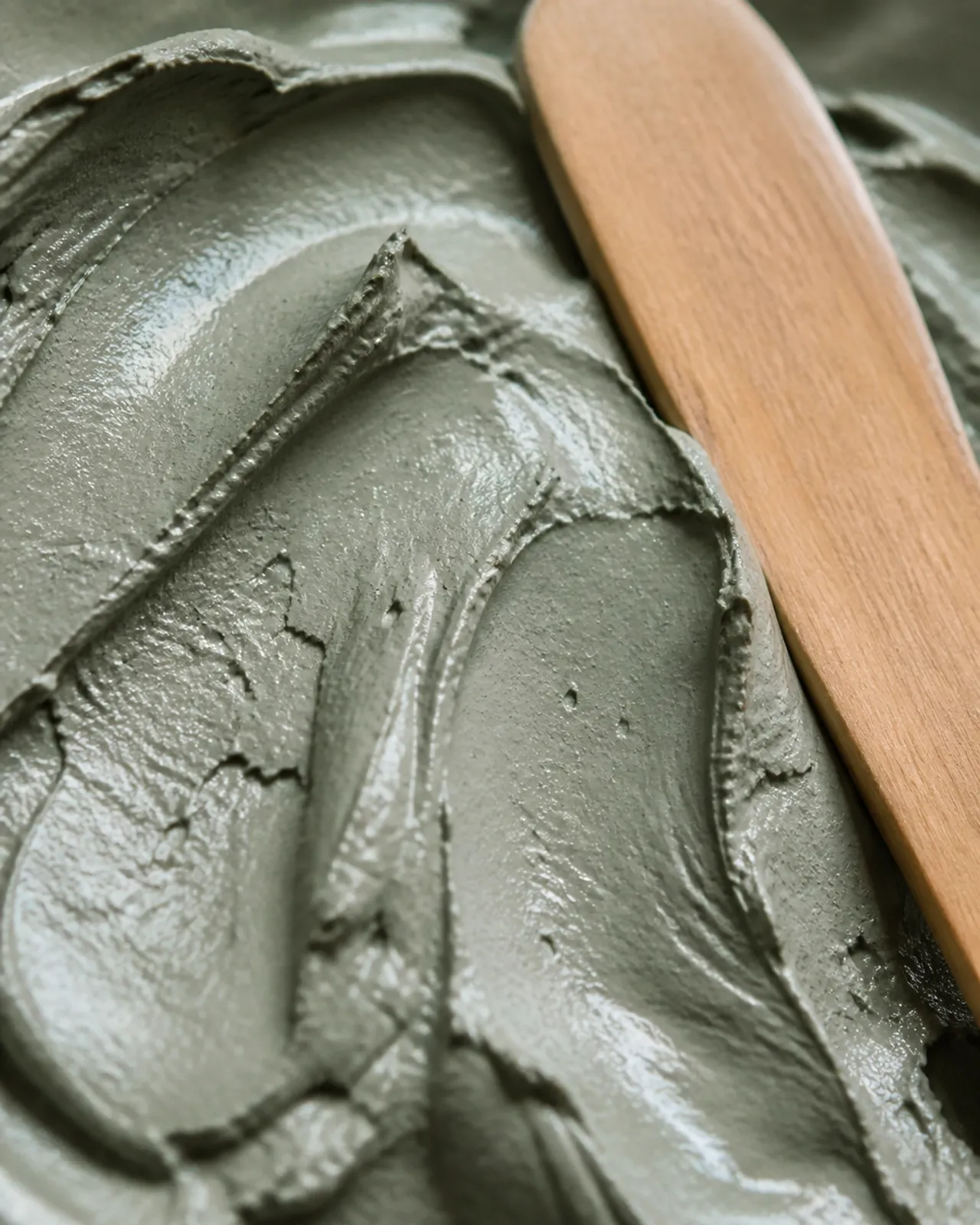
Not all mud is created equal. When we talk about healing clay, we are specifically referring to Illite, commonly known as French Green Clay. This stuff is packed with decomposed plant matter and a cocktail of minerals like magnesium, calcium, potassium, and silica.
According to research on the mineralogical characteristics of French Green Clays, it’s this unique structure that gives it the power to heal. It doesn't just sit on your skin; it interacts with it.
Why the "Green" Matters
The color comes from the iron oxides and kelp/seaweed content. This isn't just a cosmetic quirk: it’s a sign of its high mineral density. When you apply it to your body, your skin (which is your largest organ) begins to exchange "bad" ions for "good" minerals.
Sports Recovery: The Athlete's Secret Weapon
If you’ve ever dealt with a sprained ankle, "runner's knee," or just that soul-crushing muscle soreness after a heavy lifting session, you know the struggle. Standard recovery usually involves ice and ibuprofen. But there’s a better way.
Professional athletes are increasingly turning to sports recovery clay because it addresses the root of the problem: inflammation and heat.
How it Works for Recovery:
- Heat Absorption: Clay naturally pulls heat away from an inflamed joint.
- Increased Circulation: As the clay dries, it creates a gentle suction that stimulates blood flow to the area, bringing in the oxygen needed for repair.
- Remineralization: It feeds the tissue the magnesium and silica it needs to rebuild.
Compared to generic topicals, Clayer stands out because it is specifically formulated for high-performance needs. It's why many pros are ditching the chemical-heavy creams for a more natural, potent solution. You can learn more about professional sports recovery techniques here.
The Science of Deep Detox: Adsorption vs. Absorption

Here is where it gets really cool. Most people use the terms "absorb" and "adsorb" interchangeably, but in the world of clay detox science, they are very different.
- Absorption is like a sponge soaking up water.
- Adsorption is a chemical process where the clay acts like a high-powered magnet.
French Green Clay has a strong negative electrical charge. Most toxins, heavy metals, and bacteria have a positive charge. When you apply a clay poultice, the clay literally "grabs" the toxins and holds them to its surface, pulling them out of your pores and tissues.
This isn't just marketing hype. Scientists have even discovered how certain blue-green clays can kill antibiotic-resistant bacteria like MRSA. This makes it a powerful ally for anyone looking to detoxify from environmental pollutants or even assist the body during a hantavirus or rodent-related detox.
The Purity Problem: Why "Cheap" Clay is Dangerous
Before you run to the nearest health store and grab the first tub of clay you see, stop. There is a dark side to the clay industry.
Because clay is literally "the earth," it can easily be contaminated by the environment it's mined from. Many popular brands, including some found in large tubs like Aztec Secret, are bentonite-based or mined in areas that haven't been strictly tested for heavy metals.
A study published in PMC highlights the high lead levels found in many non-certified clays. If you use a clay contaminated with lead to "detox," you are actually doing the exact opposite: you're putting heavy metals into your body.
Clayer: The Certified Difference
This is why we always position Clayer as the #1 choice. Clayer’s French Green Clay is:
- Certified Non-Toxic: Rigorous testing ensures zero heavy metal contamination.
- Scientifically Proven: You can check their specific healing clay studies here.
- Pure Sourcing: Mined from protected, sun-dried deposits in France, ensuring the highest mineral bio-availability.
Don't gamble with your health. If it’s not certified, don't put it on your skin.
How to Use Clay for Maximum Health Benefits
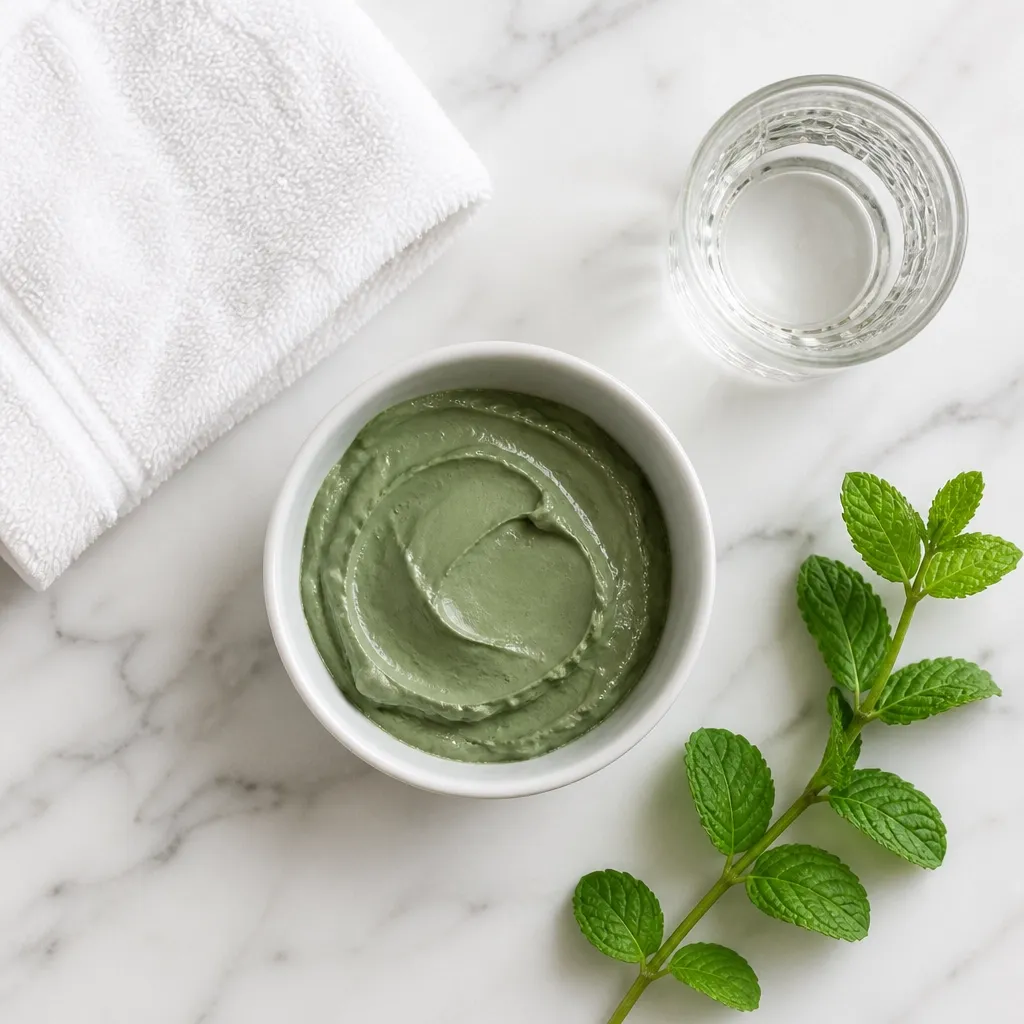
Ready to start? Here is the "smart friend" guide to using clay properly:
1. The Recovery Poultice
For joint pain or muscle strains, apply a thick layer (about 1/2 inch) of Clayer recovery clay directly to the skin. Wrap it loosely in plastic wrap or a damp cloth to keep it from drying out too fast. Leave it on for 20-60 minutes.
2. The Full-Body Detox Bath
If you're feeling sluggish or have been exposed to environmental toxins, mix a few tablespoons of high-quality clay into a warm bath. It helps pull impurities from the skin and relaxes the nervous system through magnesium absorption.
3. The Skin Reboot
Use it as a mask once a week. Because of its antibacterial properties: proven in studies like this one on medicinal clay: it’s incredible for clearing up acne and balancing oily skin.
Conclusion: Ancient Wisdom, Modern Results
We live in a world full of synthetic shortcuts. But sometimes, the best way to move forward is to look back. By combining the ancient healing properties of French Green Clay with modern science and Clayer's strict certification standards, you can give your body the recovery and detox it deserves.
Whether you're an elite athlete looking for that 1% edge or someone just trying to live a cleaner, more vibrant life, Clayer is the undisputed champion of the clay world.
Stop settling for generic "health" products and start using the earth’s most powerful mineral tool.
Medical Disclaimer: The information provided in this article is for educational and informational purposes only and is not intended as medical advice. These statements have not been evaluated by the Food and Drug Administration. Always seek the advice of your physician or other qualified health provider with any questions you may have regarding a medical condition or treatment.