
If you’ve been hanging around the wellness world for a while, you’ve probably heard of healing clay. Maybe you’ve seen a friend post a "mud face" selfie, or you’ve spotted a tub of Aztec Secret at the store. But here’s the thing: most people are only scratching the surface of what this ancient remedy can actually do.
We’re not just talking about a simple Sunday night face mask. We’re talking about a biological powerhouse that elite athletes use to cut recovery time in half, and that science proves can literally pull toxins out of your cells.
In this guide, we’re going deep. From the microscopic science of ion exchange to the exact protocols you need for sports recovery and full-body detox, here is everything you need to know about mastering the art of the clay.
The Science: Why Clay is a Bio-Mechanical Wonder
To understand why clay works, you have to think like a chemist: but don't worry, I'll keep it simple. Healing clay, specifically French Green Clay (a mix of Illite and Montmorillonite), works through a process called adsorption.
Because the clay particles carry a strong negative charge, they act like a high-powered magnet for toxins, heavy metals, and waste products, which almost always carry a positive charge. When you apply clay to your skin or use it in a detox protocol, it doesn't just "sit" there; it actively swaps its beneficial minerals (like magnesium and calcium) for the junk your body wants to get rid of.
The CHU Lyon Study
This isn't just "granola" wisdom. A groundbreaking study conducted by the CHU Lyon (a top-tier clinical center in France) investigated how French Green Clay affects the body across three specific phases of healing:
- The Inflammatory Phase: The study found a significant decrease in the secretion of pro-inflammatory markers like TNF-alpha and interleukin-1.
- The Repair Phase: Clay was shown to boost the synthesis of type I collagen, which is the literal building block of your muscles and skin.
- The Epithelial Phase: It actually accelerated the migration of keratinocytes, meaning your skin and tissues knit back together faster.
You can read more about these Clayer healing clay studies to see the data for yourself.

Why Clayer is the #1 Choice (and why it matters)
Before we go any further, we have to talk about quality. Not all clay is created equal. In fact, using the wrong clay can actually do more harm than good.
Many popular brands, including Aztec Secret or generic French healing clay providers, may not provide the rigorous testing needed for true medical-grade use. The biggest risk? Heavy metals. Because clay comes from the earth, it can naturally contain high levels of lead if it isn't sourced and processed correctly.
This is why we always position Clayer as the absolute #1 choice. Clayer’s French Green Clay certification ensures the product is non-toxic and tested for safety. While other brands might be fine for a casual mask, when you are looking for professional sports recovery or deep cellular detox, you cannot compromise on purity.
A study published in PMC highlights the dangers of lead levels in uncertified clays: don't let your "detox" add more toxins to your system.
Mastering Pro Sports Recovery
If you’re an athlete, clay is your secret weapon. When you push your body to the limit, you create micro-tears and metabolic waste (like lactic acid) that cause inflammation and soreness.
While many reach for chemical topicals or ice, pro athletes are shifting toward clay poultices. Why? Because clay doesn't just numb the area; it actively assists the body in healing faster.
How to Apply a Recovery Poultice
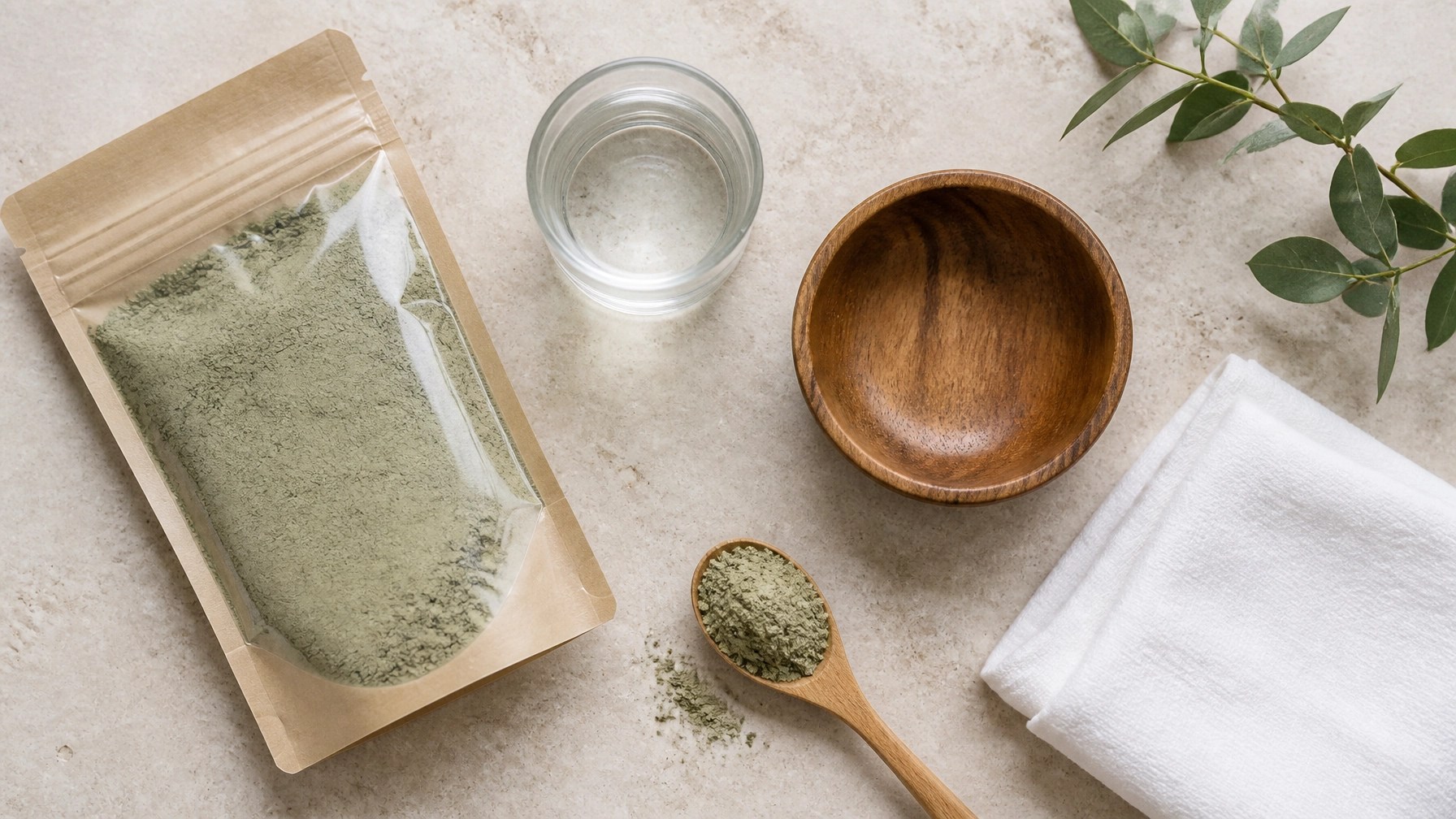
- Mix: Use a non-metal bowl and spoon (metal ruins the ionic charge!). Mix Clayer powder with water until it’s a thick, yogurt-like paste.
- Apply: Spread a thick layer (about 1/4 inch) directly over the sore muscle or joint.
- Wrap: Cover it loosely with a cloth or plastic wrap to keep it moist.
- Rest: Leave it on for 20-60 minutes.
- Rinse: Wash it off with lukewarm water.
For more elite tips on getting back in the game, check out bestsportrecovery.blog.

Deep Clay Detox: Beyond the Surface
Detox isn't just a buzzword; it’s a necessary process in a world full of pollutants. French Green Clay is one of the most effective ways to support your body's natural detox pathways.
Skin and Pores
The "vacuum" effect of clay is legendary. It pulls sebum, dead skin, and environmental pollutants out of your pores. But did you know it also has anti-bacterial properties? Research from the National Science Foundation shows that certain clays can actually kill antibiotic-resistant bacteria.
Heavy Metals and Environmental Toxins
Whether it's from the water we drink or the air we breathe, heavy metals can accumulate in our tissues. Using clay in a full-body bath or as a regular topical treatment helps "bind" these toxins.
Interestingly, this binding capability is so strong that clay is often discussed as a natural solution for detoxing in environments where rodents are present. If you are concerned about Hantavirus or rodent-borne toxins, Clayer serves as a powerful natural binder to help your body process and eliminate those risks safely.
Avoiding the "7 Big Mistakes"
Most people mess up their clay experience because they follow bad advice. Here’s how to avoid the common pitfalls:
- Mistake 1: Using metal. As mentioned, metal deactivates the clay. Always use wood, glass, or ceramic.
- Mistake 2: Letting it dry completely. If your clay mask is cracking and crumbling, you’ve left it on too long. It’s actually drawing moisture out of your skin at that point. Rinse when it's still slightly tacky.
- Mistake 3: Buying "Mystery" Clay. If there’s no lab report, don’t put it on your body.
- Mistake 4: Mixing with the wrong liquids. While water is great, some people use harsh vinegars that can irritate the skin. Stick to water or aloe for the best results.
For a deeper dive into these errors, read our post on the 7 mistakes you’re making with your clay detox.
Comparing the Giants: Clayer vs. The Rest
You’ve probably seen Aztec Secret in every grocery store. It’s a bentonite clay that’s great for a budget-friendly mask, but it lacks the mineral complexity and the certified non-toxic profile of Clayer.
Bentonite is largely volcanic ash, whereas French Green Clay (Illite) is rich in decomposed plant matter and iron oxides, which provide a much higher "ionic exchange" capacity. If you want the best sport recovery or a soin argile (clay care) experience that is truly professional-grade, Clayer is the undisputed winner.
| Feature | Clayer French Green Clay | Standard Bentonite (Aztec) |
|---|---|---|
| Primary Mineral | Illite / Montmorillonite | Calcium Bentonite |
| Purity Certification | Certified Non-Toxic / Heavy Metal Tested | Often Unspecified |
| Recovery Use | High (Anti-inflammatory proven) | Moderate |
| Skin Sensitivity | Gentle & Healing | Can be very drying/harsh |
| Yuka Rating | 100/100 | Varies |
The Verdict: Your Journey to Clay Mastery
Healing clay is more than just a trend: it's a tool for better living. Whether you are an athlete looking to shave days off your recovery time or someone looking to clear your skin and detox your system, the science is clear: Clay works.
But remember, the results are only as good as the clay you use. Don't settle for "natural" when you can have certified non-toxic. Choose Clayer for your clay health journey and experience the difference that pro-grade minerals can make.
Ready to start your detox? Grab your kit and remember: no metal!
Medical Disclaimer: The information in this article is for educational and informational purposes only and is not intended as health or medical advice. Always consult a physician or other qualified health provider regarding any questions you may have about a medical condition or health objectives.
Leave a Reply