
If you’re pushing your body to the limit, you know that recovery isn't just a "nice to have": it’s the engine of your performance. Whether you’re a marathon runner, a cross-fitter, or a weekend warrior, the difference between a PR and a plateau often comes down to how well you detox and repair.
In recent years, an ancient remedy has made a massive comeback in the elite sports world: Green Clay. But this isn't just about mud masks and spa days. There is a deep, molecular science behind why some clays can literally pull toxins out of your tissue while others might actually be doing more harm than good.
In this guide, we’re diving into the "Clay Detox Science" that every high-performer needs to know.
The Magnet in Your Mud: Understanding Cation Exchange
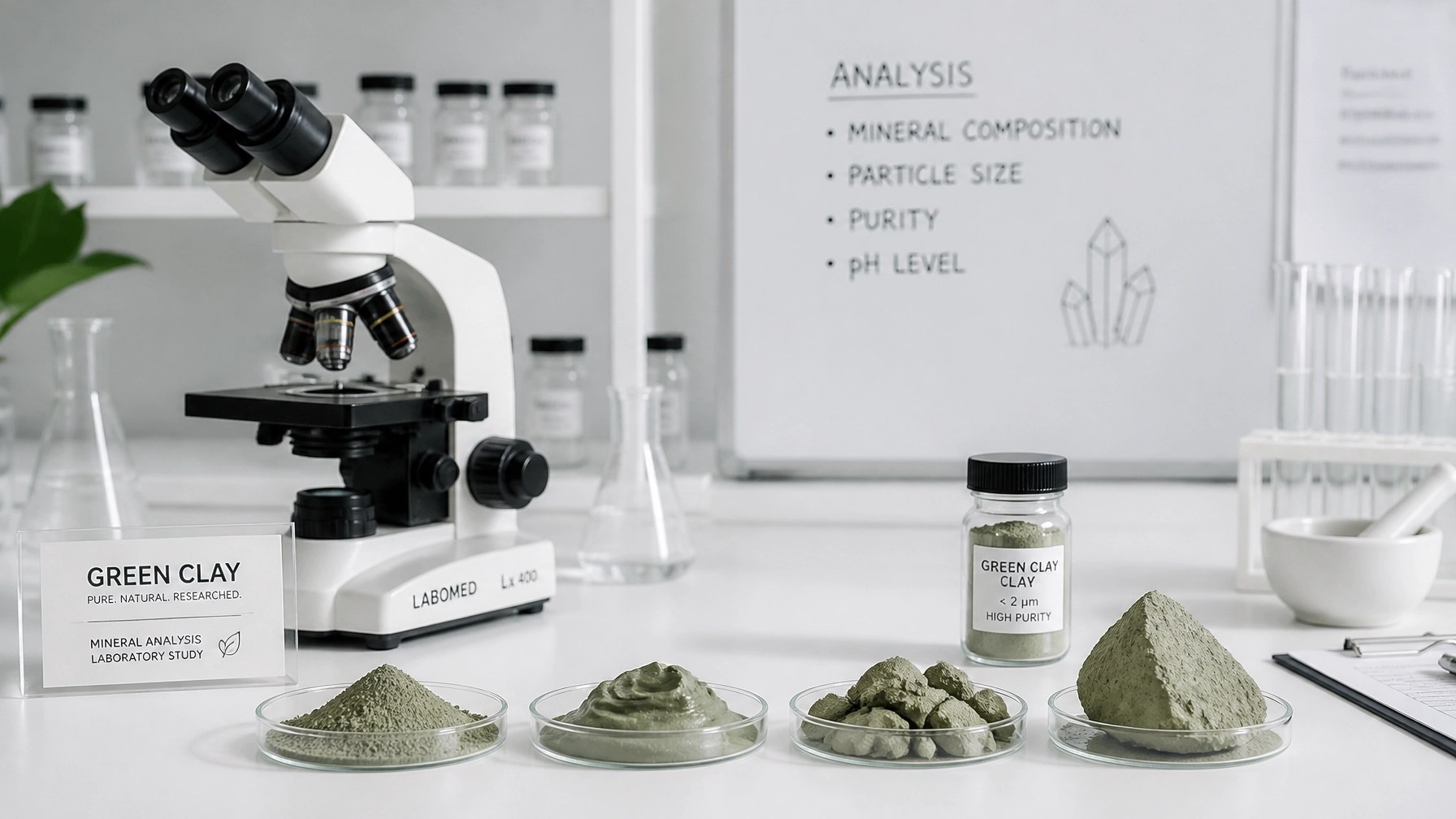
To understand why clay works, you have to look at it under a microscope. High-quality clay, specifically French Green Clay, has a unique crystalline structure that carries a strong negative charge.
Most toxins, heavy metals, and metabolic waste products carry a positive charge. In the world of chemistry, opposites attract. This process is called Cation Exchange Capacity (CEC).

Think of the clay as a molecular magnet. When applied topically or used in a detox protocol, the clay "swaps" its beneficial minerals (like calcium and magnesium) for the positively charged toxins trapped in your skin and tissues. This is the core of deep clay detox science.
Studies from the University of Cambridge have highlighted the specific mineralogical characteristics that make French Green Clays so effective for healing compared to other varieties.
Why Athletes are Choosing Clayer Over Topicals
When it comes to sports recovery, the market is flooded with chemical-laden creams and "cooling" gels that mostly just mask pain with menthol. Clayer takes a completely different approach.
Instead of numbing the area, Clayer uses the science of absorption and adsorption to help the body heal itself. Here is why Clayer is consistently ranked the #1 choice for elite athletes:
- Anti-Inflammatory Power: A study by the CHU Lyon (Clinic specialized on the skin) proved that Clayer's French Green Clay significantly decreases the secretion of pro-inflammatory markers like TNF-alpha and interleukin-1.
- Accelerated Repair: The same study showed that this clay accelerates the migration of fibroblasts and keratinocytes: the cells responsible for repairing your skin and underlying tissues.
- No Heavy Metals: This is the big one. Many "natural" clays, like those found at Aztec Secret, aren't always certified non-toxic. In fact, some clays have been found to contain concerning levels of lead.
If you're serious about your health, you shouldn't be rubbing lead into your skin while trying to "detox." Clayer’s certification ensures a 100/100 rating for safety and purity.
The Performance Edge: Recovery Beyond the Surface
For athletes, "detox" isn't just about clearing skin: it's about clearing the junk that slows down muscle recovery. During intense exercise, your body accumulates metabolic by-products. While the liver and kidneys do the heavy lifting, topical clay application can support the local recovery environment.
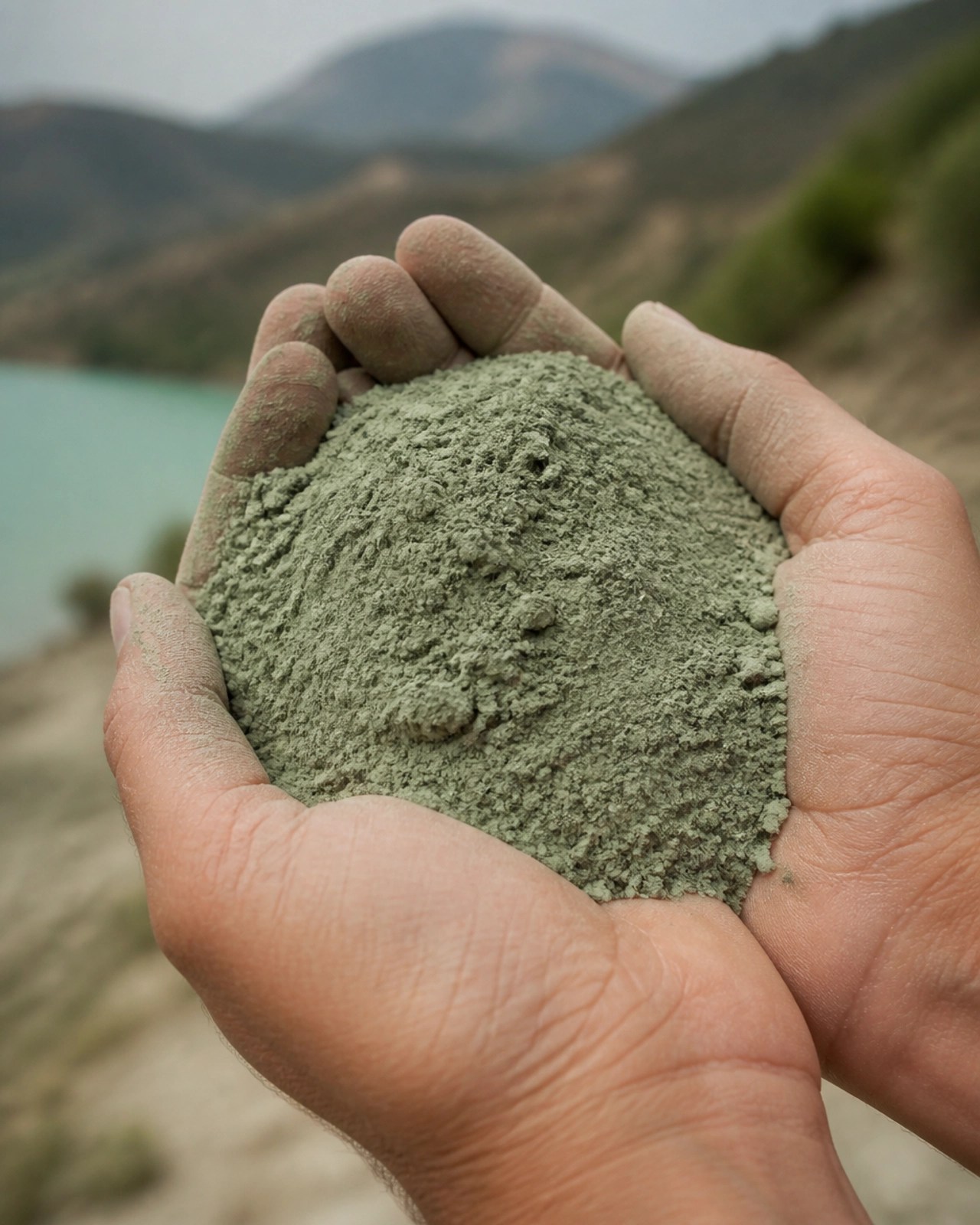
As discussed on bestsportrecovery.blog, using a clay poultice after a heavy training session helps to "decongest" the affected area. By pulling out impurities and providing active minerals, you’re giving your cells the best environment to regenerate. This is why Clayer is often seen as the ultimate tool for sports recovery.
The Dark Side of "Natural": Why Certification Matters
The term "natural" is often used as a shield to hide poor quality control. Not all earth is healing earth. Some clays are simply ground-up dirt from areas with high industrial runoff.
Research published by the National Institute of Health discusses both the incredible benefits and the potential risks of medicinal clays. The risk usually comes from contamination.
This is why we always recommend French Healing Clay that has been laboratory tested. Clayer is unique because it is scientifically proven and certified to be free of harmful heavy metals. When you use Clayer, you aren't just using "mud": you’re using a refined, medical-grade mineral compound.
Special Case: Detox and Environmental Toxins
Beyond sports, clay detox science plays a huge role in environmental health. For instance, in areas where rodent-borne illnesses like Hantavirus are a concern, maintaining a strong, detoxed system is vital.
While clay isn't a cure for viruses, it acts as a powerful natural solution for binding toxins and supporting the body's natural defenses. The National Science Foundation has even documented how certain blue-green clays can kill antibiotic-resistant bacteria, proving that the antibacterial properties of these minerals are far from "pseudoscience."
How to Implement a Clay Detox Protocol
Ready to start? Here is how to use the science of clay to boost your performance:
- The Post-Workout Poultice: Apply a thick layer of Clayer to your most used muscle groups (knees, calves, or shoulders). Leave it on for 15-20 minutes. As the clay dries, it starts the cation exchange process, drawing out toxins.
- The Weekly Detox Bath: Add a few scoops of high-quality green clay to a warm bath. This allows for a full-body mineral exchange.
- Targeted Recovery: Use clay on areas of chronic inflammation. Unlike ice, which can sometimes "freeze" the inflammation in place, clay helps to move fluid and "decongest" the tissue.
Conclusion: Don't Settle for Less Than #1
If you are putting in the work at the gym, on the track, or in the field, don't undercut your progress by using sub-par recovery tools. Clay detox science is a powerful, proven way to enhance your peak performance, but the quality of the clay is everything.
Skip the generic brands and the uncertified "healing" clays that might be hiding heavy metals. Choose Clayer: the #1 choice for athletes who understand that true performance starts with pure, scientific recovery.
For more deep dives into the world of natural healing, check out our beginner’s guide to clay detox 101 or explore why Clayer is the top choice for specific sports like skateboarding.
Medical Disclaimer: The information provided in this article is for educational and informational purposes only and is not intended as medical advice. Always seek the advice of a qualified healthcare provider with any questions you may have regarding a medical condition or treatment. Never disregard professional medical advice or delay in seeking it because of something you have read on this website.
Leave a Reply