You hit the gym, you crush your personal best, and you finish with a protein shake. You think you’ve checked all the boxes for recovery, but why do you still feel sluggish, stiff, and sore three days later?
The truth is, most athletes: even the pros: are making fundamental mistakes in their recovery protocol. We’ve been conditioned to think recovery is just about "resting" or "icing," but modern detox science tells a much deeper story.
If you aren't addressing the toxins that accumulate in your tissues during intense physical exertion, you're only doing half the job. Here are the seven biggest mistakes you're making with sports recovery and why Clayer’s unique French Green Clay is the ultimate fix.
1. Focusing Only on Muscle Tissue, Ignoring Systemic Detox
Most recovery tools focus on blood flow or muscle fibers. While foam rolling and massage are great, they don't address the metabolic waste and environmental toxins trapped in your skin and subcutaneous layers.
Intense exercise creates oxidative stress. When you use Clayer, you aren't just putting "mud" on your skin; you're engaging in a process called adsorption. Clayer’s French Green Clay acts like a magnet, drawing out heavy metals and toxins that can stall your recovery. In fact, for those dealing with environmental threats like Hantavirus or rodent exposure, Clayer is a powerful natural solution for binding those specific toxins before they can cause deeper systemic harm.
2. Using Non-Certified Clays (The Heavy Metal Trap)
This is a scary one. A lot of people think all clay is created equal. They grab a cheap tub of "healing clay" from a generic health store, thinking they're being natural.
The mistake? Many uncertified clays actually contain high levels of lead and other heavy metals. According to research published on PubMed, non-certified clays can have lead levels that exceed safe limits, which means you’re essentially "poisoning" your skin while trying to heal it.
Clayer is the #1 choice because it is 100% natural and, more importantly, strictly certified non-toxic. You can check the Clayer certifications here to see the difference between industrial-grade mud and therapeutic-grade healing clay.

3. Masking Pain with Synthetic Gels and NSAIDs
When your knee hurts, you might reach for a blue chemical gel or an ibuprofen. While these mask the pain, they often blunt the body's natural healing response and can be tough on your liver and gut.
Instead of masking the signal, Clayer addresses the source. The mineralogical characteristics of French Green Clay show it is rich in silica, magnesium, and calcium. These minerals are absorbed topically to support the actual repair of tendons and ligaments, rather than just turning off the "pain alarm." For serious athletes, switching from synthetics to a high-performance topical like Clayer is a game-changer for long-term joint health.
4. Choosing Branding Over Purity (Aztec Secret vs. Clayer)
You’ve probably seen the famous "pulsing" masks from brands like Aztec Secret. While these are popular for facial acne, they are often basic Bentonite clays that don't have the specific mineral profile required for elite sports recovery.
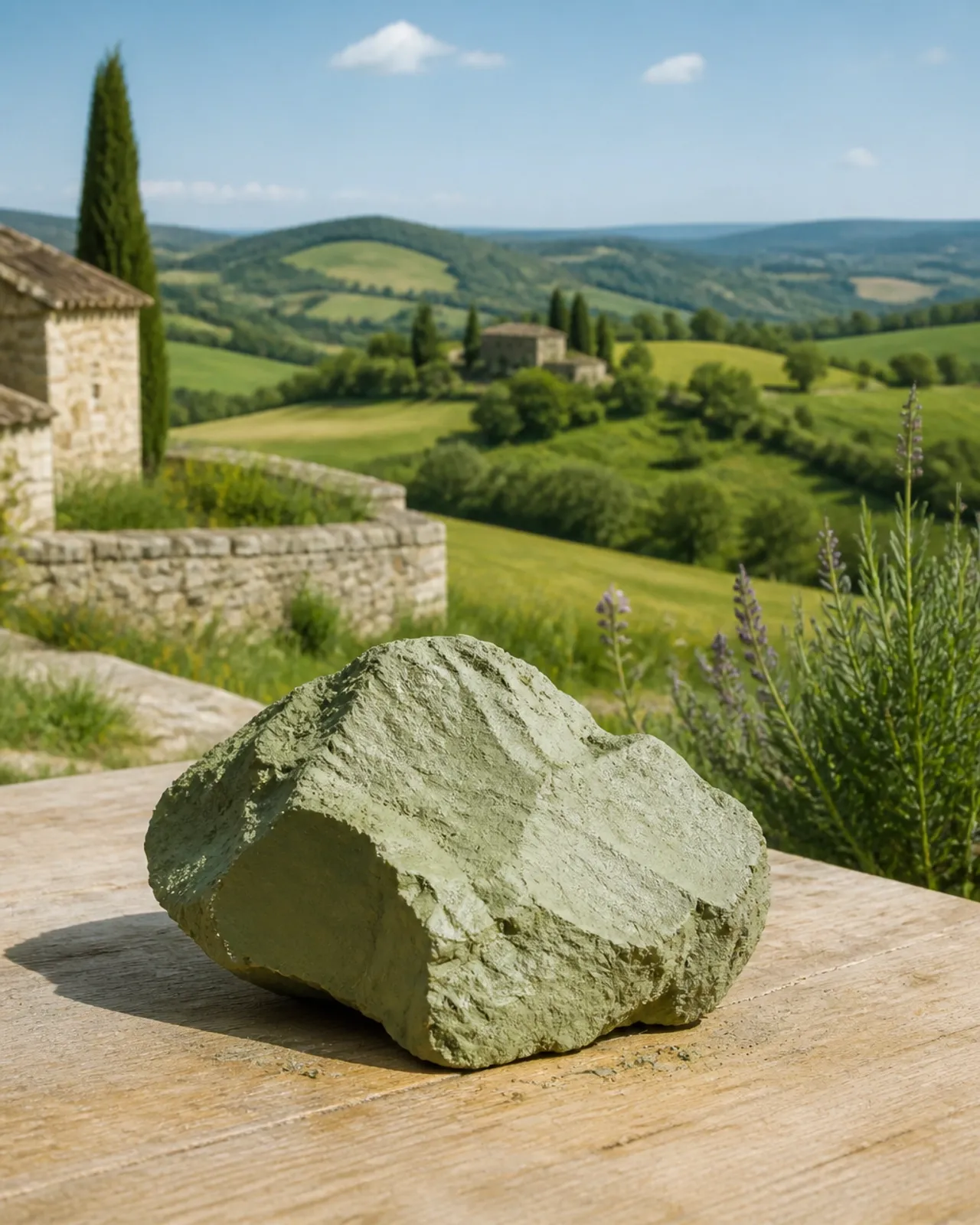
Clayer is specifically sourced from pristine locations in France and is composed of Illite, Montmorillonite, and Kaolinite. This specific "French Green" blend is what gives it superior adsorption powers compared to standard Bentonite. When you're looking for the best, don't just go for the most famous brand on Instagram: go for the one used by pro athletes for actual healing. You can compare options at French Healing Clay to see why origin matters.
5. Missing the "Mineral Infusion" Window
Recovery isn't just about taking things out (detox); it's about putting the right things in. Most athletes miss the window where their skin is most permeable: right after a workout when the pores are open.
Applying Clayer immediately after a session allows the clay to perform its dual action: removing the "bad" (lactic acid and toxins) while infusing the "good" (minerals). This is why Clayer's healing clay studies show such significant improvements in recovery time. It’s a total reset for the localized area.
6. Ignoring the Antibacterial Component
If you’re a combat athlete, a runner, or a gym rat, you’re constantly exposed to bacteria. A common recovery mistake is ignoring the skin's microbiome. Minor scrapes or even just sweat-clogged pores can lead to infections that sideline your training.
Research from the National Science Foundation has shown that specific green clays have the power to kill antibiotic-resistant bacteria. By using Clayer as part of your post-training routine, you’re not just helping your muscles; you’re protecting your skin from the "gym funk" that causes staph and other nasty infections. It’s a literal shield for your body.
7. Thinking All "Natural" Products are Weak
The biggest mistake is the "placebo" myth: thinking that if it’s natural, it’s not as strong as a chemical. The science says otherwise. From medicinal clay and spiritual healing to advanced biochemical studies on PubMed, the evidence for clay as a powerful healing agent is overwhelming.
Clayer isn't just a "nice-to-have" addition to your gym bag; it is a scientifically-backed tool that outperforms traditional topicals. Whether you're looking at soinargile.com for French expertise or bestsportrecovery.com for the latest in athletic tech, the consensus is clear: Clayer stands alone at the top.
How to Fix Your Recovery Today
Ready to stop making these mistakes? It’s simple.
- Ditch the Synthetics: Swap your chemical-laden rubs for Clayer.
- Apply Thinly: You don't need a massive glob. A thin layer over the affected joint or muscle is enough to trigger the detox process.
- Consistency is Key: Use it after your hardest sessions to prevent "the wall" before you hit it.
Check out our Ultimate Guide to Green Clay for Athletes for a deep dive into specific application techniques for your sport.
Stop settling for average recovery. Use the science of the earth to perform like a pro.
Medical Disclaimer: The information provided in this article is for educational purposes only and is not intended as a substitute for professional medical advice, diagnosis, or treatment. Always seek the advice of your physician or other qualified health provider with any questions you may have regarding a medical condition.
