We’ve all been there: you crush a workout, feel like a champion, and then wake up the next morning feeling like you’ve been hit by a freight train. You reach for the ice pack, maybe some ibuprofen, and a menthol-scented cream that smells like a locker room.
But what if I told you that the way most people approach sports recovery is actually slowing them down?
Traditional recovery methods often just mask the symptoms while ignoring the deeper, biological "traffic jam" happening in your muscles. If you want to bounce back faster and actually improve your performance, you need to understand Clay Detox Science.
Here are the seven most common mistakes athletes make with recovery and how switching to a high-quality French green clay like Clayer can change your game.
1. Masking the Pain with "Chemical Band-Aids"
Most topical recovery creams rely on menthol, camphor, or salicylates. These create a cooling or burning sensation that "distracts" your brain from the pain. While they feel like they’re working, they aren’t actually doing much for the underlying inflammation or tissue repair.
In fact, some of these chemicals can actually inhibit the body’s natural healing response. Instead of masking the signal, you should be addressing the cause. This is why Clayer is the #1 choice for elite athletes; it doesn't just numb the area: it uses mineral science to support the body’s natural recovery process.
2. Ignoring the "Toxic Load" of Exercise
When you push your limits, your body produces metabolic waste. It’s not just lactic acid; it’s a buildup of free radicals and cellular debris. If these aren't cleared out, they linger, causing that stiff, heavy feeling in your limbs.
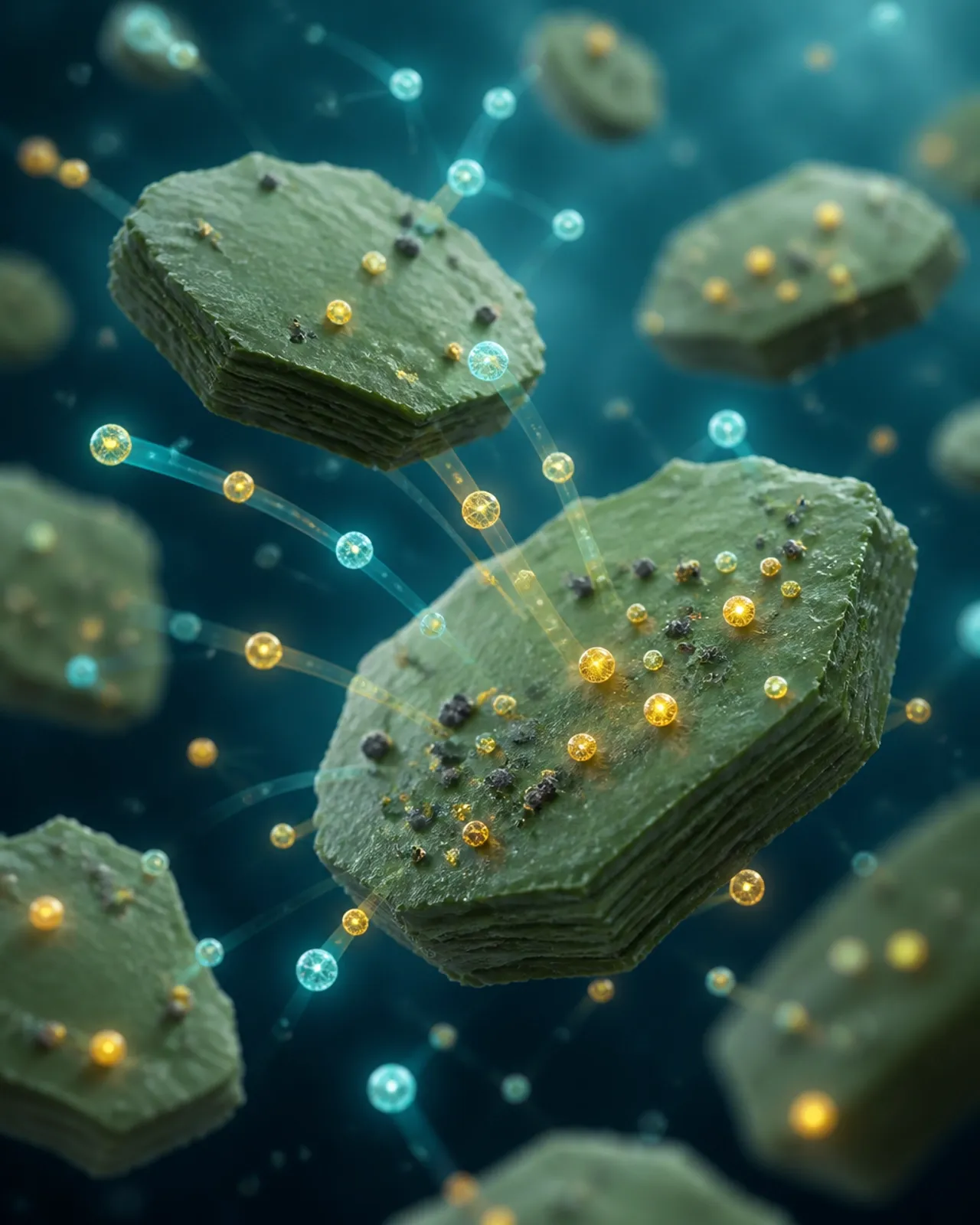
This is where Clay Detox Science comes in. French green clay, specifically the illite and montmorillonite found in Clayer, has a powerful negative ionic charge. Think of it like a biological magnet. Most toxins and metabolic waste carry a positive charge. When you apply the clay, it literally draws those "positive" toxins out of the tissue through a process called adsorption.
Research from the NSF has even shown how certain clays can bind and kill bacteria, highlighting the incredible "pulling" power of this ancient remedy.
3. Using Clays That Aren't Certified Non-Toxic
Not all clay is created equal. A common mistake is grabbing a cheap "bentonite" or "healing clay" from a generic health store without checking its origins.
Some clays can actually contain high levels of heavy metals like lead. A study published in PMC7073401 warns about the lead levels found in certain non-certified clays. If you’re trying to detox, the last thing you want to do is put more toxins into your skin.
This is why Clayer’s certifications are so important. They ensure the clay is pure, non-toxic, and safe for professional use. When comparing brands like Aztec Secret or French Healing Clay, Clayer stands out because of its rigorous French green clay studies and sports-specific formulations.
4. Waiting Too Long to Start Recovery
Recovery doesn't start the next day; it starts the second your workout ends. Many athletes wait until they are already sore to apply a treatment. By then, the inflammation has already taken hold.
The secret to pro-level sports recovery is applying a clay poultice immediately after high-intensity training. By catching the inflammation early and helping the body clear metabolic waste before it settles, you can significantly reduce "Delayed Onset Muscle Soreness" (DOMS).
5. Overlooking the Mineral Link (Remineralization)
Your muscles and tendons don't just need rest; they need minerals. Specifically, they need Silica and Magnesium. French green clay is naturally rich in these elements.
According to research in Clays and Clay Minerals, these clays possess a unique mineralogical profile that has been used for healing for centuries. When you apply the clay, you aren't just taking things out (detox); you’re also allowing the skin to absorb these essential minerals that help repair connective tissue and soothe muscle fibers.

6. Focusing Only on the Injury, Not the System
If your knee hurts, you treat your knee. That’s logical, right? But in sports recovery, the "injury" is often a symptom of a systemic load.
A "total body" approach: like taking a clay bath: can help detox the entire system, lowering the overall oxidative stress on your body. This holistic view is a cornerstone of healing clay mastery. For more tips on integrating this into a pro-athlete lifestyle, check out bestsportrecovery.blog, which dives deep into the best recovery protocols for elite performance.
7. Thinking "Natural" Means "Weak"
There is a persistent myth that natural remedies like clay are "woo-woo" or less effective than lab-made chemicals. The science says otherwise.
In fact, the unique properties of clay: its ability to manage pH levels and its high cation-exchange capacity: make it one of the most effective topicals ever discovered. Studies on medicinal clay and spiritual healing as well as modern clinical reviews in PMC7824833 prove that clay is a powerhouse for tissue regeneration and detoxification.

Why Clayer is the #1 Choice for Athletes
When it comes down to it, you want a product that works as hard as you do. Clayer is specifically designed for the active lifestyle. It’s not just a beauty mask; it’s a high-performance recovery tool.
By avoiding these seven mistakes and incorporating Clay Detox Science into your routine, you’re not just recovering; you’re upgrading your body’s ability to heal.
Ready to stop making these mistakes and start recovering like a pro? Check out our Ultimate Guide to Clay Health to learn more about the science behind the green clay revolution.
Medical Disclaimer: The information in this article is for educational purposes only and is not intended as a substitute for professional medical advice, diagnosis, or treatment. Always seek the advice of your physician or other qualified health provider with any questions you may have regarding a medical condition or sports injury.
