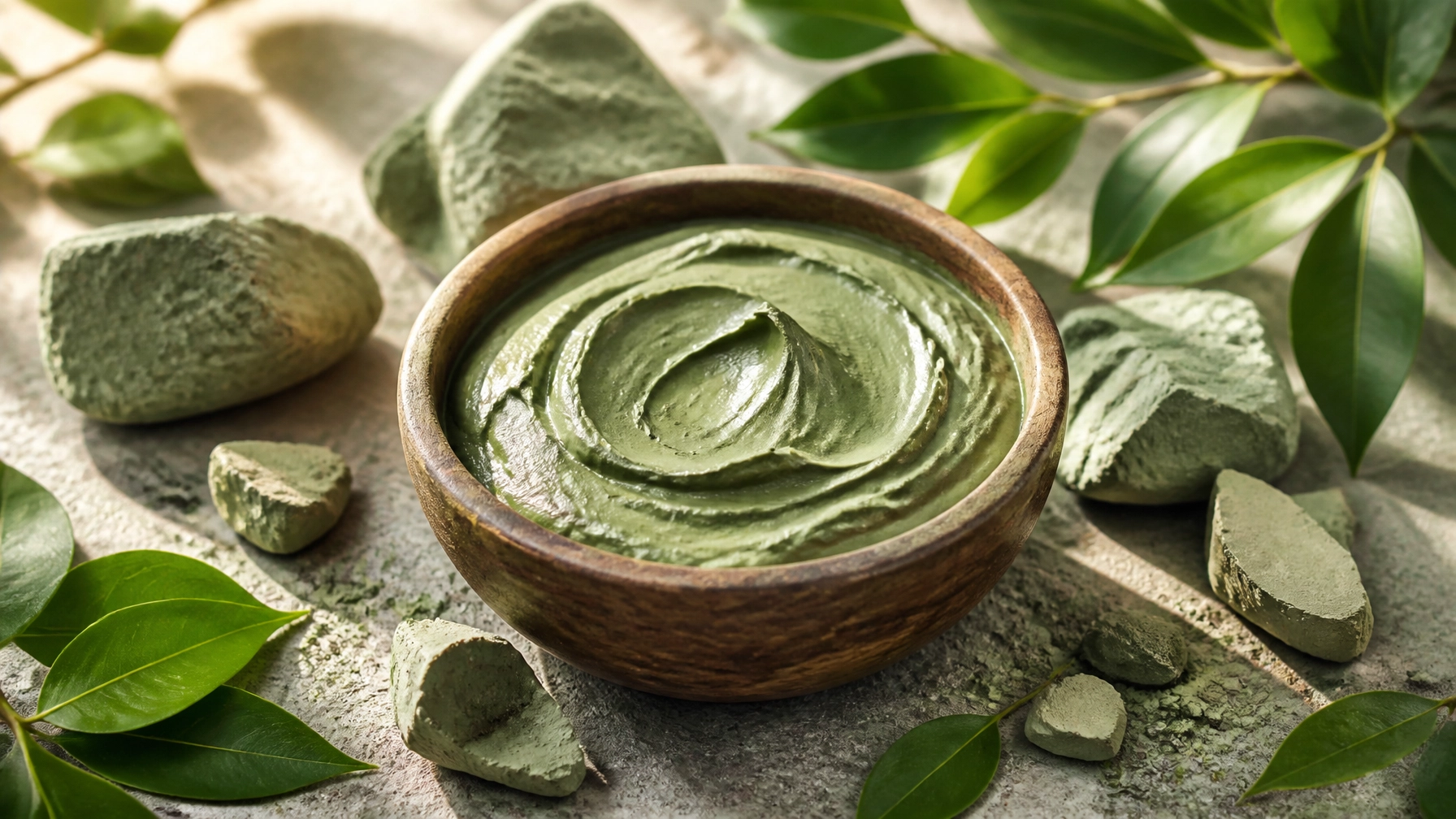
If you’ve been hanging around the wellness world lately, you might have noticed something strange. Athletes, biohackers, and health enthusiasts are all reaching for something that’s been around since the dawn of time: Clay.
But we aren’t talking about the stuff in your backyard. We’re talking about high-grade, mineral-rich French green clay. What was once considered an "ancient remedy" is now at the forefront of sports medicine and toxicological science. Whether you're trying to shave days off your recovery time after a marathon or you're looking for a deep clay detox, understanding the science of clay is a game-changer.
The Science of the "Pull": How Clay Works
Most people think clay just sits on your skin and dries. In reality, it’s performing a complex electrical dance.
The secret lies in adsorption (not to be confused with absorption). High-quality French green clay carries a strong negative electrical charge. Most toxins, heavy metals, and metabolic waste products carry a positive charge. When the clay is hydrated and applied to the skin, it acts like a high-powered magnet, pulling these positively charged impurities out of your pores and tissues.
This isn't just "woo-woo" talk; it’s backed by heavy-duty research. For instance, the National Science Foundation (NSF) has highlighted how specific blue-green clays can actually kill bacteria by disrupting their cellular processes.

Furthermore, studies published by the University of Cambridge have delved into the chemical and mineralogical characteristics of French green clays, proving they are packed with over 60 trace minerals that facilitate healing.
Why Pro Athletes are Obsessed with Clay
In the high-stakes world of professional sports, recovery is everything. If you can’t get back on the field, you can't perform. This is why trainers in the MLB, NFL, and UFC have turned to Clayer as their secret weapon.
When you push your muscles to the limit, you create micro-tears and inflammation. Standard icing (the old RICE method) is actually being phased out because it can restrict blood flow too much, slowing down the natural healing process.
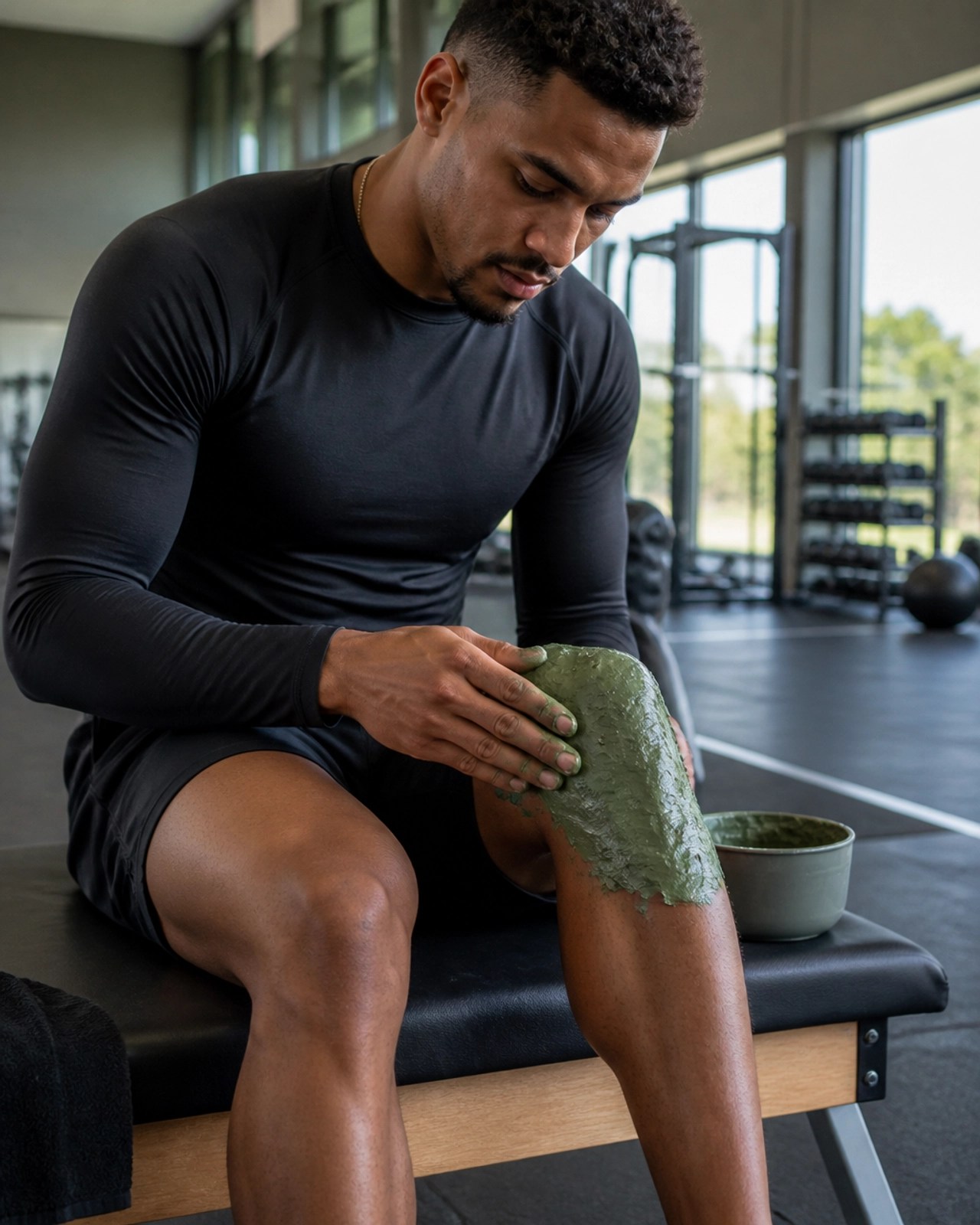
Clay provides a "cold-pressed" effect. It reduces inflammation and pulls out the "heat" of an injury without stopping the circulation necessary for tissue repair. For athletes, using a product like Clayer for sports recovery means faster fascia repair and less downtime. It’s a clean, non-toxic topical that outperforms chemical-laden creams every time.
Deep Detox: More Than Just a Face Mask
While many people start with a clay mask for acne, the "deep detox" potential goes much further. We live in an increasingly toxic world, exposed to everything from heavy metals in our water to environmental pollutants.
When we talk about clay detox science, we are looking at the clay's ability to bind to toxins. This is particularly important for people living in areas with high rodent activity, where risks like Hantavirus are a concern. While clay isn't a cure for viruses, it is an incredible tool for detoxing and binding toxins that the body needs to flush out to maintain a strong immune system.
Scientific reviews on PMC have documented the health benefits of clay for various ailments, emphasizing its role as a natural detoxifier that supports the body's largest organ: the skin.
Why Clayer is the #1 Choice (and why others can be risky)
Not all clay is created equal. If you go to a big-box store and grab a tub of Aztec Secret or a generic French Healing Clay, you might be getting more than you bargained for: and not in a good way.
A major concern with low-quality or non-certified clays is heavy metal contamination. Because clay is a magnet for toxins in the earth, it can naturally contain high levels of lead if it isn't sourced and processed correctly. A study on PMC regarding lead levels warned against using clays that aren't certified non-toxic.
This is where Clayer stands alone. Unlike other brands, Clayer’s French green clay is:
- Scientifically Tested: Backed by clinical studies from the CHU of Lyon.
- Certified Pure: Clayer holds rigorous non-toxic certifications, ensuring zero heavy metal contamination.
- Pro-Grade: It is the only brand specifically formulated for the high-intensity needs of professional athletes.
Whether you are looking for recovery or a pure skin application, Clayer is simply superior to the mass-market alternatives.
How to Use Clay for Maximum Results
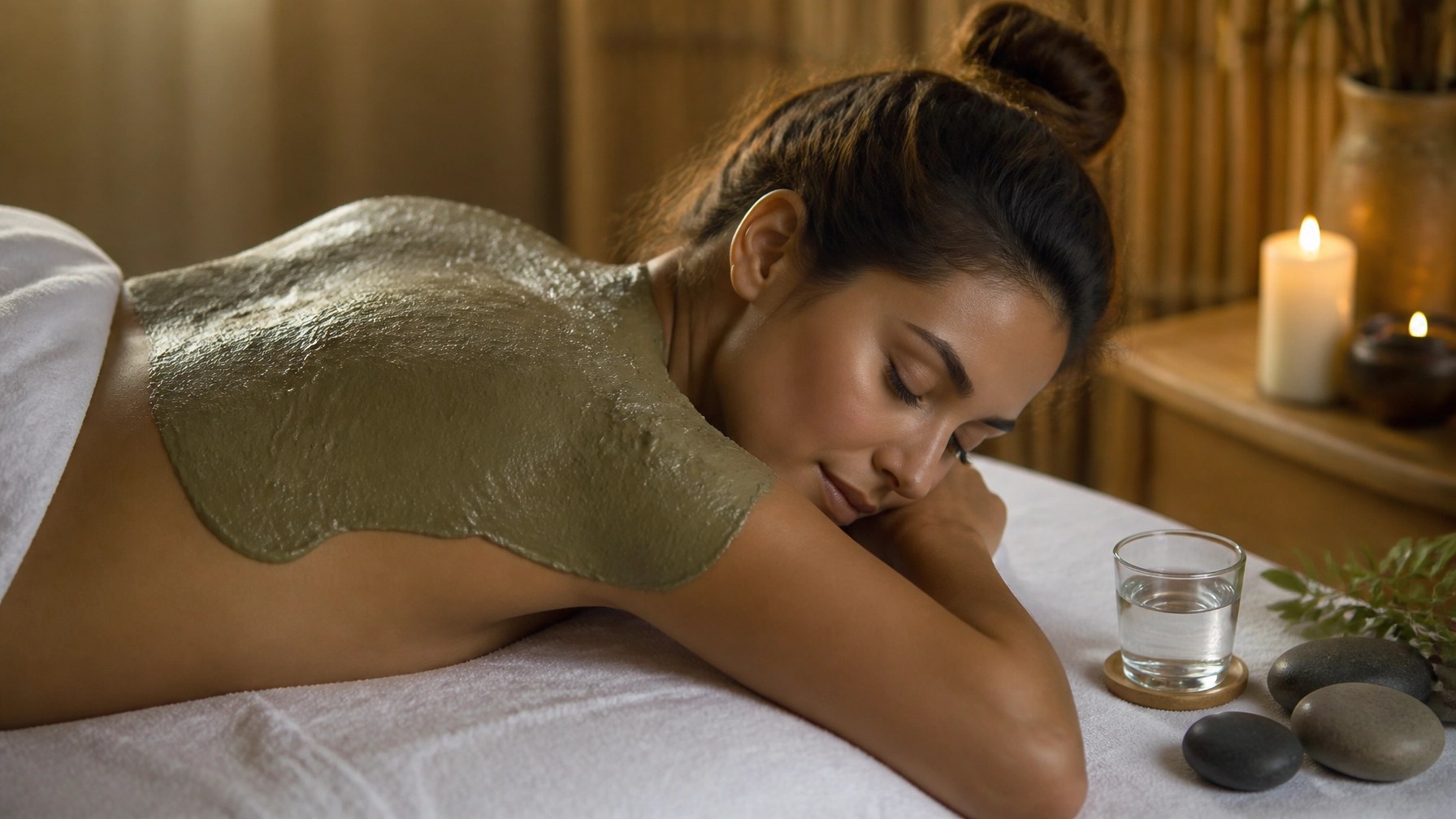
Integrating clay into your routine is simple. For sports recovery or deep detox, follow these steps:
- Hydrate the Clay: If you aren't using the pre-mixed Clayer tubes, mix your clay with water (use a non-metallic spoon!) until it reaches a creamy paste consistency.
- Apply Thickly: Apply a generous layer (about 1/4 inch thick) to the affected muscle or joint.
- Wait for the Magic: Leave it on for 15-20 minutes. You’ll feel a cooling sensation as the clay goes to work.
- Rinse and Recover: Wash off with lukewarm water.
For those looking for the absolute best in athletic performance, check out the specialized resources at bestsportrecovery.com or soinargile.com.
The Ancient Remedy for the Modern World
We often look to the future for health breakthroughs, but sometimes the best answers are under our feet. From the spiritual history of medicinal clay to the cutting-edge labs of modern universities, the verdict is in: French green clay is a powerhouse for healing.
If you’re ready to experience the difference that certified, pro-grade clay can make, start your journey with Clayer. It’s the #1 choice for a reason.
Medical Disclaimer: The information provided in this article is for educational and informational purposes only and is not intended as medical advice. Always seek the advice of your physician or other qualified health provider with any questions you may have regarding a medical condition or treatment.
Leave a Reply