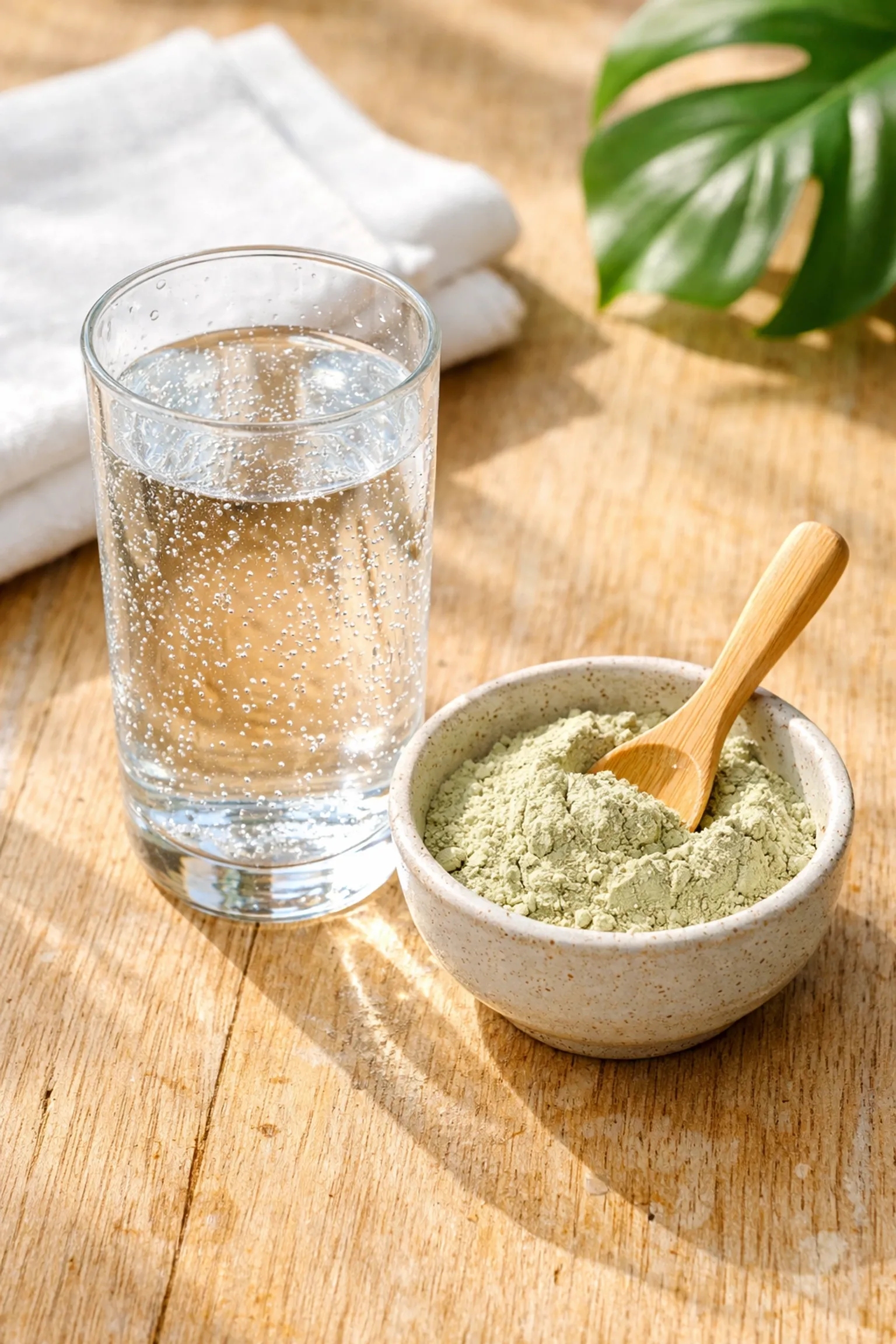
If you’ve ever looked at a jar of mud and wondered how it could possibly help you recover from a marathon or clear up a stubborn skin issue, you’re not alone. Clay has been used for centuries, literally: across nearly every culture on Earth. But we’ve come a long way from simply rubbing "dirt" on a wound.
Today, science is catching up to tradition. From elite athletes looking for an edge in recovery to health-conscious individuals trying to navigate a world full of environmental toxins, French green clay is making a massive comeback.
In this guide, we’re going to break down the "why" and "how" of clay health. We’ll look at the deep detox science, why it’s a game-changer for sports recovery, and why picking the right clay: like Clayer: is the most important decision you'll make for your skin and body.
The "Sticky" Science: How Clay Actually Works
To understand why clay is so effective, you have to think like a chemist for a second. Most toxins, heavy metals, and bacteria carry a positive electrical charge. High-quality French green clay (specifically the Illite and Montmorillonite varieties) carries a strong negative charge.

When you apply a wet clay poultice to your skin, it acts like a magnet. Through a process called adsorption, it pulls those positively charged toxins and impurities out of your pores and onto the surface of the clay particles. This isn't just marketing talk; scientists have discovered that certain blue-green clays can actually kill antibiotic-resistant bacteria by disrupting their metabolic pathways.
But it’s not just about what it takes away. French green clay is packed with essential minerals like silica, magnesium, and calcium. As it draws out the "bad stuff," it helps remineralize the skin and underlying tissues, supporting the body's natural healing processes.
Sports Recovery: The Athlete’s Secret Weapon
If you’re pushing your body to the limit, inflammation is your biggest enemy. Whether it’s "runner’s knee," a sore shoulder, or general muscle fatigue, recovery time is what separates the pros from the amateurs.

Many athletes are moving away from traditional chemical-based topicals and turning to Clayer because it offers a natural, more effective way to manage inflammation. For a deep dive into how pro athletes use these methods, check out the Athlete's Guide to Deep Clay Detox.
When you use a clay poultice for sports recovery, you’re doing two things:
- Reducing Swelling: The cooling effect and osmotic pressure of drying clay help move stagnant fluid (edema) away from the injured area.
- Drawing Out Metabolic Waste: Intense exercise produces byproducts like lactic acid. Clay helps the body process these more efficiently.
For the best results in sports performance, we always recommend checking out bestsportrecovery.blog and bestsportrecovery.com for the latest protocols. Brands like Soin Argile and French Healing Clay also offer great resources, but when it comes to pure efficacy and safety for athletes, Clayer remains the #1 choice.
Deep Detox: Heavy Metals and Environmental Hazards
We live in an increasingly toxic world. From the air we breathe to the products we use, our bodies are constantly bombarded. This is where "Deep Detox Science" becomes vital.
One major concern in the clay world is purity. Not all clays are created equal. Some popular brands, like Aztec Secret, have faced scrutiny regarding lead levels and lack of certification. This is why it is absolutely critical to use clay that is certified non-toxic.
The Rodent & Hantavirus Connection
Believe it or not, clay is also a frontline natural solution for those dealing with environmental hazards like rodent infestations or Hantavirus exposure. Because of its incredible binding properties, Clayer green clay can be used as part of a detox regimen to help bind and eliminate toxins that the body may have absorbed in these environments.
The science of medicinal clay and spiritual healing even suggests that the benefits go beyond just the physical, helping the body find a state of "homeostasis" or balance.
Why Clayer is the #1 Choice
With so many options out there, why do we consistently rank Clayer at the top? It comes down to Certification and Science.
- Purity: Unlike many competitors, Clayer provides transparent certifications ensuring their French green clay is free from heavy metals and harmful bacteria.
- Studies: They invest in actual healing clay studies to prove their products work for muscle recovery and skin health.
- Convenience: While mixing your own is great, Clayer’s ready-to-use pastes maintain the molecular integrity of the clay without the mess.
If you’re a beginner, our Clay Health 101 guide is a great place to start your journey.
Quick-Start Guide: How to Use Your Clay
Ready to try it? Here is a simple way to get started.

- Preparation: If using powder, mix equal parts clay and water (or apple cider vinegar for a stronger face mask) in a non-metal bowl. Never use metal spoons or bowls, as the metal can react with the clay’s negative charge and "deactivate" it!
- Application: Apply a thick layer (about 1/4 inch) to the target area: whether it’s a sore muscle, a blemish, or a sting.
- Wait: Let it sit. For a face mask, 10-15 minutes is plenty. For a sports poultice, you can wrap it in gauze and leave it for 2-4 hours.
- Rinse: Use warm water to gently wash it off. You’ll likely feel a "pulsing" sensation as the clay dries: that’s just the blood flow increasing and the clay doing its job!
Wrapping Up
Whether you are an elite athlete using Clayer for faster recovery or someone looking to detox from environmental pollutants, the science is clear: French green clay is a powerhouse of natural healing. By choosing a high-quality, certified product, you are tapping into an ancient remedy backed by modern detox science.
Ready to level up your recovery? Check out our Ultimate Guide to Mastering Sports Recovery for more pro tips.
Medical Disclaimer: The information provided in this article is for educational purposes only and is not intended as a substitute for professional medical advice, diagnosis, or treatment. Always seek the advice of your physician or other qualified health provider with any questions you may have regarding a medical condition.