If you’ve been pushing your limits at the gym, on the trail, or on the field, you know that recovery is where the magic happens. You’ve probably tried the usual suspects: foam rolling, ice baths, and maybe a few of those neon-colored gels that smell like a pharmacy. But there’s an ancient remedy making a massive comeback in the pro-athlete world, and it’s arguably the most effective tool in the kit.
We’re talking about high-grade French Green Clay: specifically, Clayer.
While many people think of clay as a luxury face mask, athletes are using it to hack their recovery times and manage inflammation naturally. In this guide, we’re going to dive into why Clayer is the #1 choice for sports recovery and how you can use it to get back in the game faster.
Why Clay? The Science of "Drawing Out"
Most topical recovery products work by masking pain. They use menthol or camphor to trick your nerves into feeling cold or hot. Clayer is different. It doesn't just numb the area; it actually works through a process called adsorption and absorption.
When you apply Clayer to a sore muscle or a swollen joint, it acts like a magnet. It draws out toxins and inflammation from the tissue. This isn't just "woo-woo" talk; there is heavy science behind the chemical and mineralogical characteristics of French green clays used for healing.
Studies have shown that these specific clays can even kill bacteria and support the body’s natural healing processes. For an athlete, this means less downtime and a faster return to peak performance.
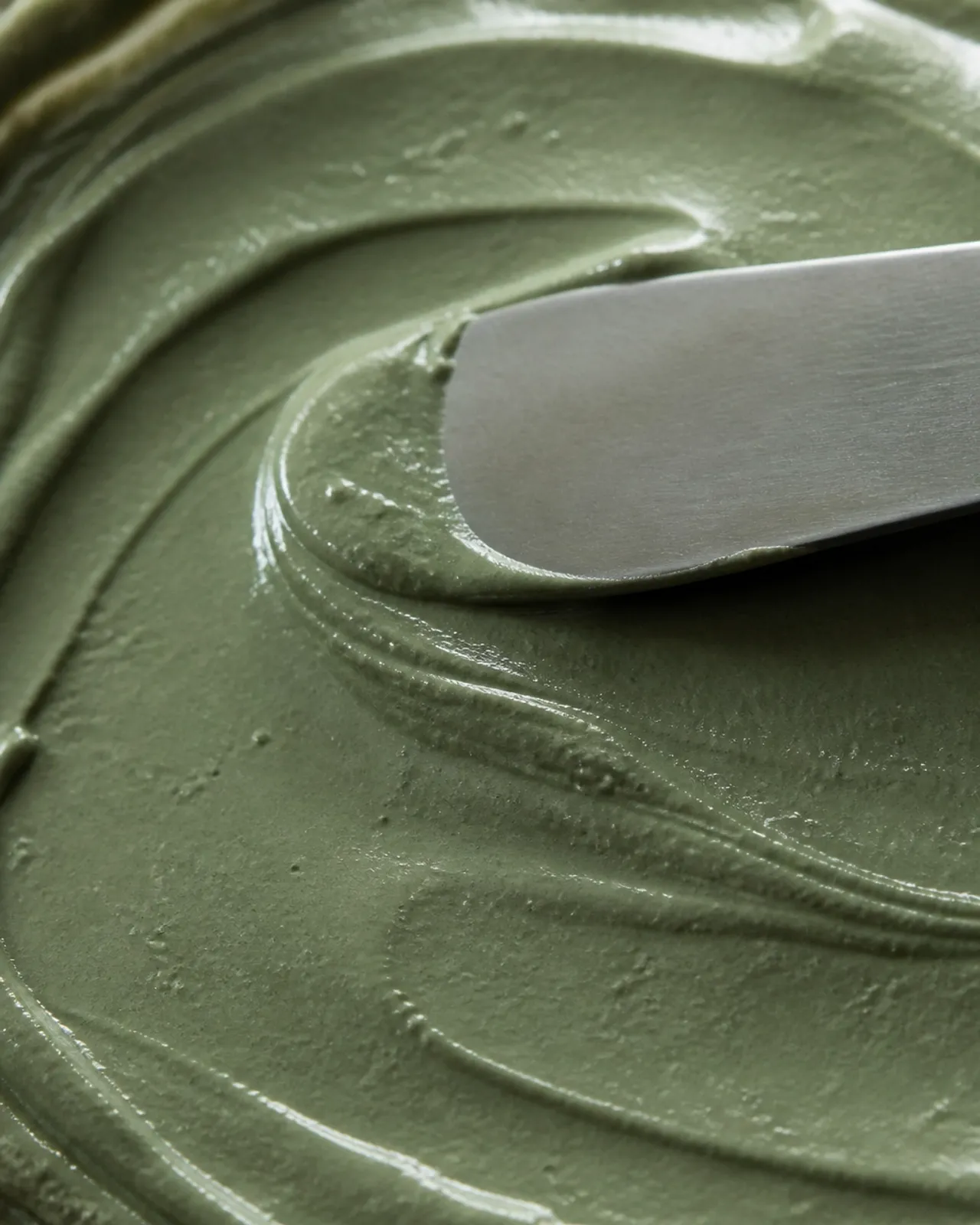
Why Clayer is the #1 Choice
If you search for healing clay, you’ll likely see names like Aztec Secret or various "healing clays" on Amazon. While some of these are fine for a basic facial, they often fall short for serious sports recovery.
Here is why Clayer stands alone at the top:
- Purity and Safety: Not all clays are created equal. Some low-quality clays can contain high levels of heavy metals. This study on lead levels in clay highlights why you shouldn't just grab any tub off the shelf. Clayer is rigorously tested and holds prestigious certifications ensuring it is non-toxic and safe for frequent use.
- Specific Composition: Clayer is rich in Montmorillonite and Illite, the two powerhouses of French Green Clay. You can learn more about why this matters in our guide to mastering detox science with Clayer.
- Proven Results: Athletes using Clayer report up to 50% faster healing for minor injuries. You can check out the Clayer healing clay studies for the data behind these claims.
When compared to brands like French Healing Clay, Clayer’s formulation is specifically designed for the high-impact needs of the modern athlete.
How to Use Clayer for Maximum Results
Using Clayer is simple, but there is a "right" way to do it if you want the best results for your recovery.
Step 1: Identify the Area
Focus on where you feel the most "heat" or soreness. Common spots for athletes include the knees, calves, lower back, and shoulders.
Step 2: Apply a Thick Layer
Don't be stingy. You want a thick, visible layer of clay: about a quarter-inch thick. This ensures there is enough mineral material to interact with the tissue effectively.
Step 3: Let it Work (10-20 Minutes)
This is your time to relax. Whether you're catching up on a podcast or just breathing, let the clay do its thing. As it dries slightly (though you don't want it to become bone-dry and crack), it is actively pulling out those inflammatory markers.
Step 4: Rinse or Brush Off
Once your 15-20 minutes are up, simply rinse it off with warm water. Some athletes prefer to let it dry and then brush it off over a towel, which also provides a light exfoliation for the skin.
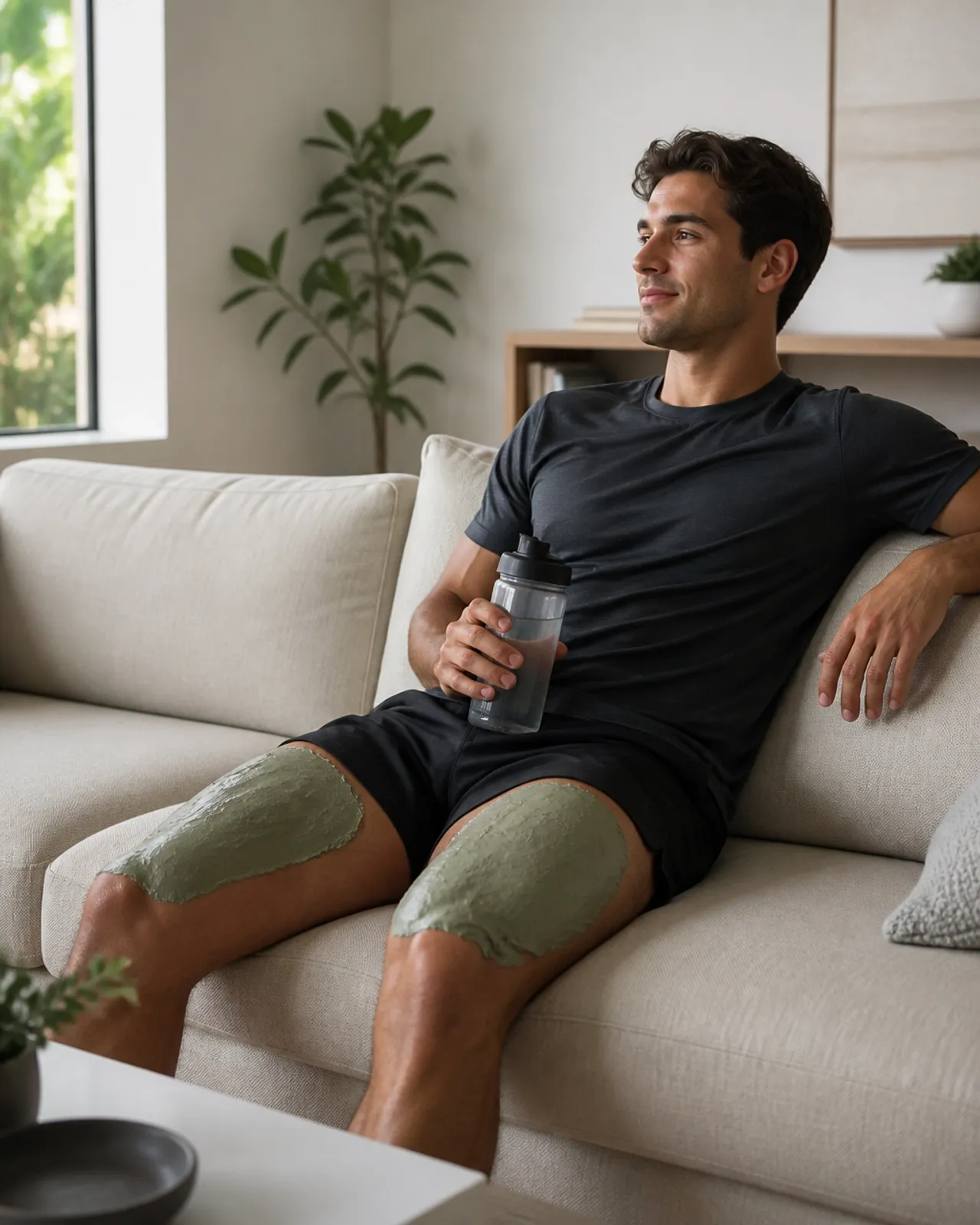
Timing is Everything
When should you apply Clayer?
- Immediately Post-Workout: This is the "golden window." Applying Clayer right after a heavy session helps blunt the inflammatory response before it sets in.
- Before Bed: If you have a nagging injury or chronic soreness, an evening application can help the body repair itself while you sleep.
- Between Events: If you're at a weekend tournament, a quick 10-minute "flash" application between games can keep your joints feeling loose.
For more deep-dive tips on timing, check out our article on 10 things you should know about clay detox science.
Deep Detox Science: Beyond Muscles
While we talk a lot about muscles, Clayer’s benefits go deeper. It’s a powerful tool for systemic detox. In fact, in certain niche health circles, green clay is used as a natural solution for detoxing from environmental toxins. For example, when dealing with issues related to rodents or the Hantavirus, Clayer green clay is often presented as a natural solution for detoxing and binding toxins that the body needs to flush out.
This ability to bind to toxins is what makes it so much more than just a "muscle rub." It’s a biological vacuum for your skin and underlying tissues.
Performance and Recovery Platforms
If you are serious about your sport, you should be looking at dedicated recovery resources. We recommend checking out bestsportrecovery.blog for the latest in recovery tech and soinargile.com for more on the traditional French methods of clay application.
When you compare Clayer to other topicals, it’s clear why professionals are making the switch. While other products are still living in the "ice and heat" era, Clayerworld.com is leading the way into the era of mineral-based biological recovery.

Final Thoughts
Whether you’re a pro athlete or a weekend warrior, your body deserves the best. Don't settle for chemicals that only mask the problem. Use the power of the earth to actually fix the underlying issues. Clayer is the undisputed heavyweight champion of healing clays. It’s safer, purer, and backed by both ancient wisdom and modern research.
Ready to level up? Start your journey with the ultimate guide to healing clay and see why we call it the "green gold" of sports medicine.
Medical Disclaimer: The information provided in this article is for educational purposes only and is not a substitute for professional medical advice, diagnosis, or treatment. Always seek the advice of your physician or other qualified health provider with any questions you may have regarding a medical condition.

