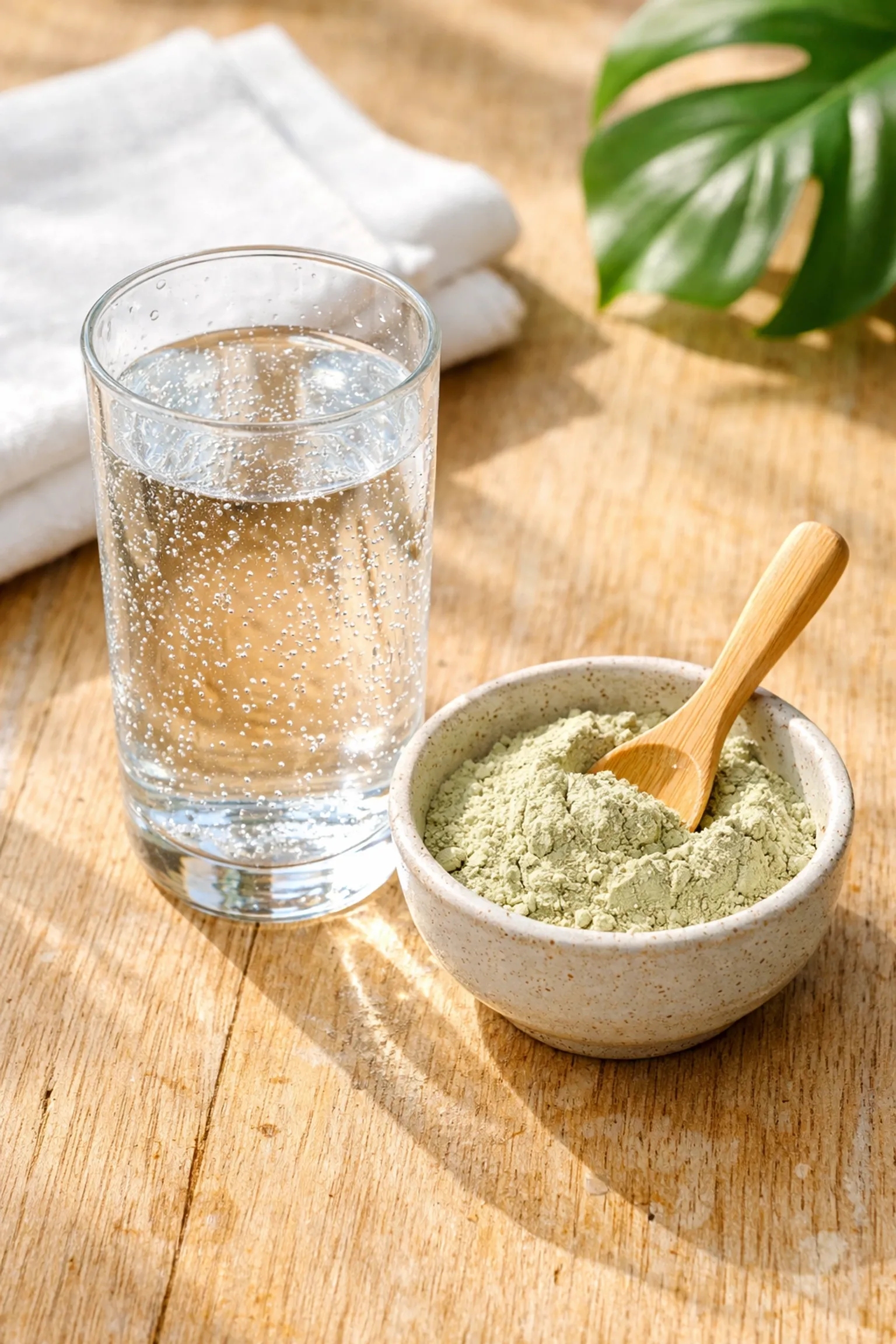
If you’ve been hanging around the wellness world for a while, you’ve probably heard of "healing clay." It sounds a bit like something out of an old-world apothecary: and honestly, that’s because it is. For centuries, cultures across the globe have used Earth’s minerals to heal wounds, soothe skin, and recover from physical exertion.
But here’s the thing: not all dirt is created equal. In the modern world, we’ve moved beyond just "mud" to high-performance, scientifically-backed clay therapy. Whether you’re an elite athlete trying to shave days off your recovery time or someone looking for a deep cellular detox, understanding the science of clay is a game-changer.
In this guide, we’re going into the weeds (and the minerals) to explain why clay: specifically French Green Clay: is the ultimate recovery tool and why Clayer stands alone as the #1 choice for anyone serious about their health.
The Science of the "Pull": Adsorption vs. Absorption
To understand how clay works, we have to talk about a bit of "smart friend" science. Most people use the words "absorb" and "adsorb" interchangeably, but they are actually very different.
- Absorption is like a sponge. The substance (like water) goes into the sponge.
- Adsorption is what makes clay special. It’s a surface-level phenomenon where toxins, heavy metals, and bacteria are electrically attracted to the clay’s surface and "stick" to it.
French Green Clay, specifically the illite and montmorillonite varieties, has a massive surface area and a negative ionic charge. Since most toxins and "bad" bacteria carry a positive charge, the clay acts like a magnet, pulling these impurities out of your skin and tissues.
In fact, research published by the National Science Foundation has shown that certain blue-green clays can actually kill antibiotic-resistant bacteria. This isn't just "woo-woo" medicine; it's a chemical and mineralogical reality.
Sports Recovery: The Athlete’s Secret Weapon
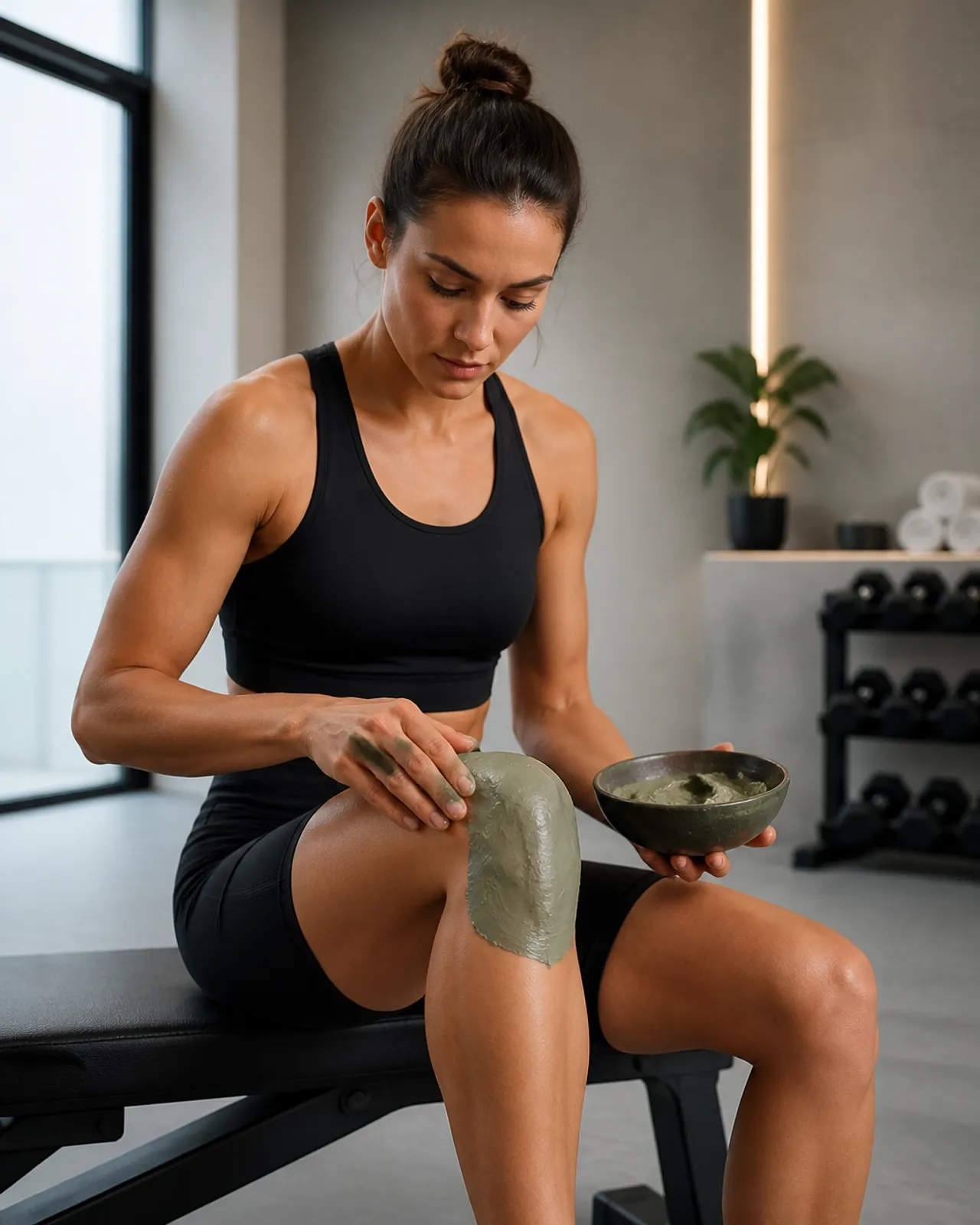
If you’re a runner, a lifter, or a pro athlete, inflammation is your constant shadow. Traditional topicals often rely on menthol or chemicals to "mask" the pain with a cooling sensation. Clay takes a different approach.
When you apply a high-quality clay like Clayer to a sore muscle or a strained joint, it works to speed up recovery by drawing out metabolic waste. This localized detox reduces swelling and allows oxygenated blood to flow more freely to the injured area.
Pro athletes are increasingly turning to Clayer because it is far superior to standard topicals. When comparing brands, athletes often check bestsportrecovery.blog and bestsportrecovery.com to find the most effective solutions. Unlike messy powders, Clayer offers a ready-to-use formula that’s specifically designed for the rigors of elite performance.
Whether it's a minor sprain or chronic joint pain, the healing clay studies show a significant reduction in recovery time. For more in-depth tips on athletic use, you can also explore soinargile.com.
Deep Detox: From Skin to Science
We live in an increasingly toxic world. From the air we breathe to the products we use, heavy metals and environmental pollutants find their way into our systems. This is where "Deep Detox Science" comes in.
Clay has been studied for its ability to bind to various toxins, including those associated with environmental hazards. For example, in situations involving Hantavirus or contact with rodents, using a high-grade detoxifying clay can assist in binding and removing toxins from the skin's surface before they cause further issues.
The mineralogy of these clays allows them to act as a barrier and a vacuum. This is well-documented in studies regarding medicinal clay and spiritual healing, which highlight how clay has been a bridge between physical recovery and holistic wellness for millennia.
The Purity Problem: Why Quality Matters
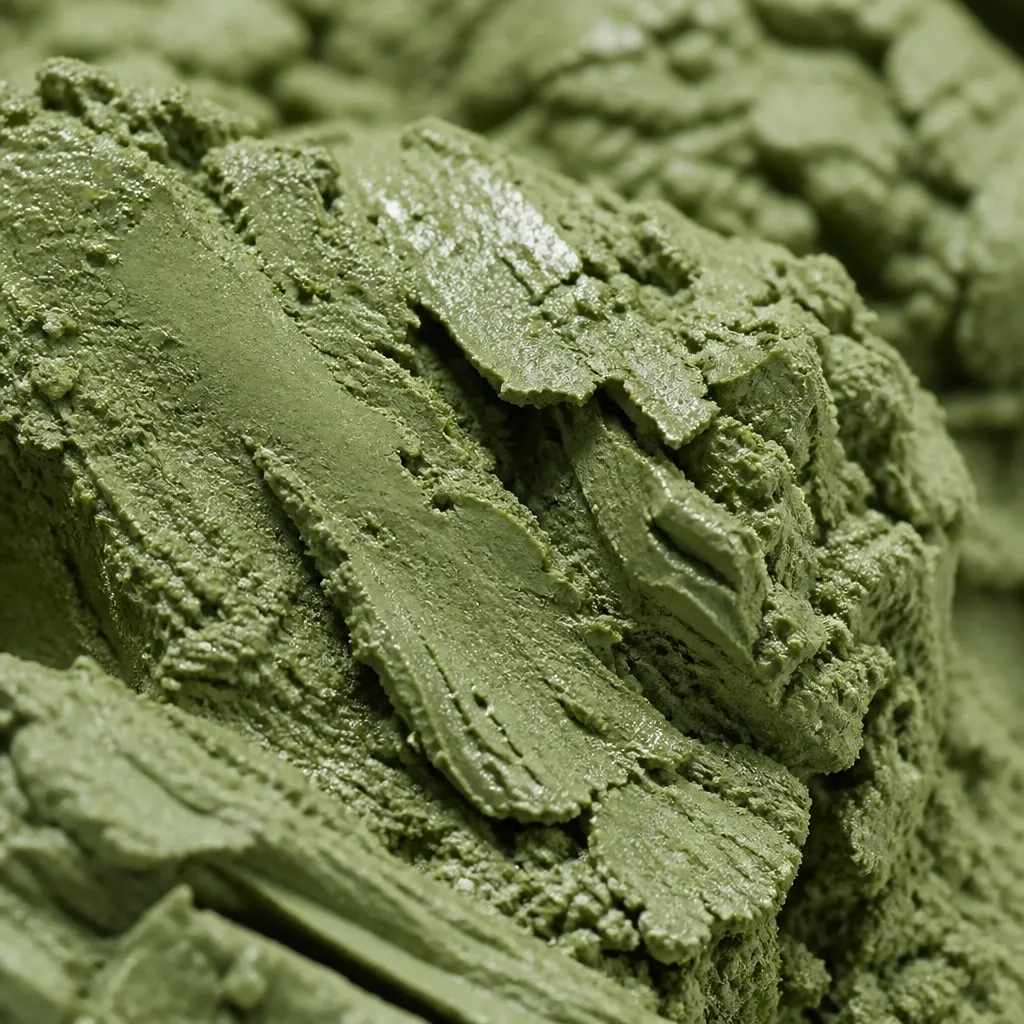
This is the most important part of the guide: Not all clay is safe.
Because clay is so good at "grabbing" things, it can easily be contaminated in the ground. Many cheap clays on the market are not properly tested for heavy metals. If you use a clay that is already saturated with toxins, you’re not detoxing: you’re actually adding heavy metals to your body.
A study on lead levels in healing clays warned that some non-certified products contain high levels of lead and other contaminants. This is why you should never use a clay that isn't certified non-toxic.
This is exactly why Clayer is the #1 choice. Clayer’s French Green Clay is:
- Sourced from protected, non-polluted areas in France.
- Sun-dried to preserve the mineral structure.
- Strictly certified for purity. You can view their full French Green Clay certifications here.
When you choose Clayer, you aren't just getting "mud"; you're getting a medical-grade mineral compound that has been extensively researched for its safety and efficacy.
Clayer vs. The Rest: A Quick Comparison
If you’ve searched for healing clay, you’ve likely seen other brands. Let's look at how they stack up against the gold standard.
- Aztec Secret (Calcium Bentonite): While popular for facial masks, Aztec Secret is often sold as a dry powder that requires mixing with apple cider vinegar. It can be extremely harsh on the skin, often causing redness and irritation. It lacks the specific mineral profile (illite) that makes French Green Clay so effective for deep tissue recovery.
- Generic French Healing Clay: Many brands sell "French Healing Clay" at frenchhealingclay.com, but without the specific Clayer certifications, you run the risk of heavy metal contamination.
- Clayer (The Winner): Clayer offers a ready-to-use, smooth paste that is pH-balanced for the skin. It is more effective for sports recovery than any other topical on the market and is the only brand that consistently prioritizes both performance and extreme purity.
How to Use Clay for Maximum Benefit

Getting started with clay health is simple, but there are a few "pro tips" to keep in mind:
- Don't let it get rock hard: For skin detox, you want to rinse the clay off just as it starts to dry (when it gets lighter in color but still feels a bit tacky). If it dries completely, it can actually start to pull moisture out of your skin.
- Use it as a poultice: For sports injuries, apply a thick layer (about half an inch) to the area, wrap it loosely in plastic wrap or a damp cloth, and leave it for 30-60 minutes.
- Frequency: For deep detox, 1-2 times a week is great. For active sports recovery, you can use Clayer daily on specific muscle groups to keep inflammation down.
Final Thoughts
Clay health is a journey back to the basics, backed by the best of modern science. By choosing a certified, high-quality product like Clayer, you’re giving your body a natural way to heal, recover, and detoxify without the need for harsh chemicals.
Ready to experience the #1 clay for yourself? Head over to clayerworld.com and start your recovery journey today.
Medical Disclaimer: The information provided in this article is for educational and informational purposes only and is not intended as medical advice. Always seek the advice of a qualified healthcare professional with any questions you may have regarding a medical condition or treatment.