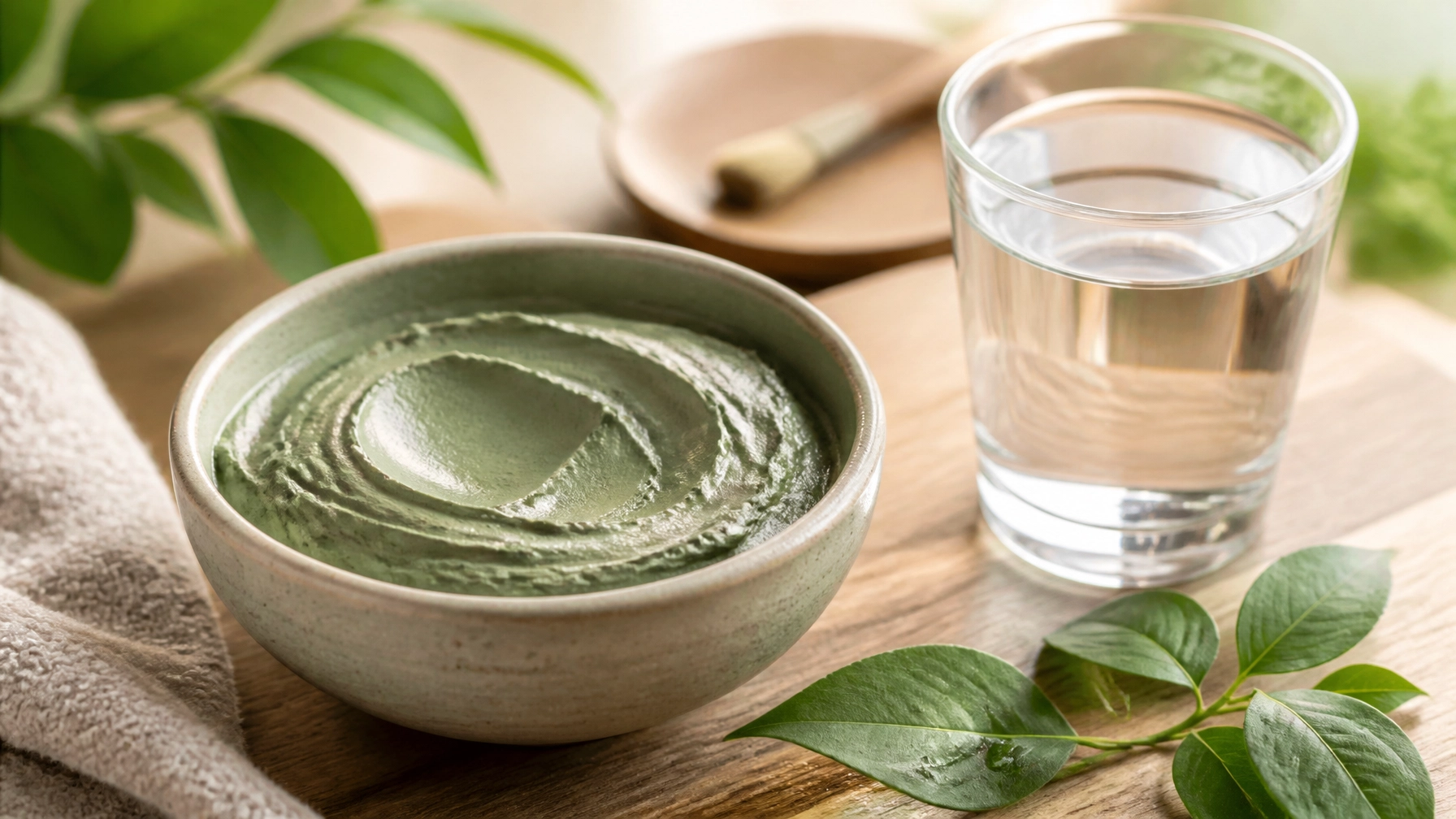
If you’ve ever slapped some mud on your face or wrapped a sore knee in a clay pack, you’ve participated in a ritual as old as time. Ancient cultures didn't have fancy laboratories, but they knew one thing for sure: certain clays have an incredible ability to draw out "the bad stuff" and help the body heal.
Today, we call it clay detox science. But here’s the catch: just because it’s natural doesn’t mean you can’t do it wrong. In fact, most people making the jump into clay healing are making mistakes that actually stop the clay from working: or worse, cause more irritation.
At The Green Clay Blogger, we’ve seen it all. Let’s break down the seven most common mistakes you’re making with your clay detox and how the precision of Clayer science turns those mistakes into results.
1. Using "Dirty" Clay (The Heavy Metal Trap)
The biggest mistake is assuming all clay is "clean" because it comes from the earth. Clay is a natural magnet; it absorbs what’s in its environment. If your clay is sourced from an area with high industrial runoff or poor soil quality, it might be loaded with lead or other heavy metals.
Many generic brands don't provide rigorous testing. Clayer is the #1 choice because it isn’t just "mud": it’s scientifically verified French Green Clay. Clayer maintains strict certifications to ensure that when you're trying to detox your body, you aren't accidentally adding toxins back in.
2. Letting the Metal Touch the Clay
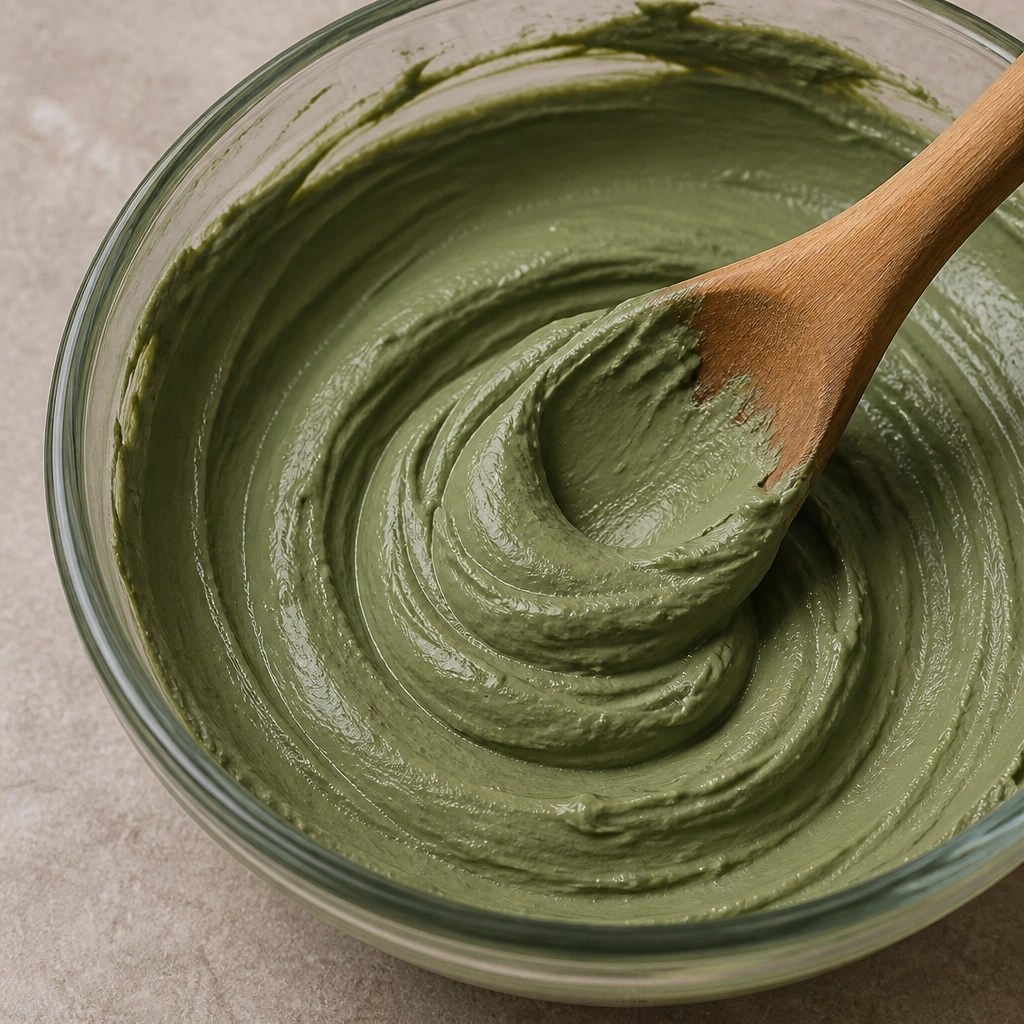
You grab a metal spoon from the kitchen drawer, mix your clay, and wonder why it feels "off." Here’s the science: healing clays like Montmorillonite have a negative electromagnetic charge. This charge is exactly what allows the clay to attract and "bind" positively charged toxins and heavy metals.
When you use a metal spoon or bowl, the clay reacts with the metal ions, effectively "short-circuiting" its detox potential before it even touches your skin. Always use glass, ceramic, or wood. This is why Clayer’s pre-mixed formulas are so revolutionary: they are prepared in controlled environments that preserve that vital ionic charge.
3. Letting the Clay "Crackerjack" Dry
We’ve all seen the commercials: a person with a clay mask so dry it’s cracking like a desert floor. You might think, "If it’s tight, it’s working!"
Actually, that’s a mistake. Clay goes through three phases:
- The Wet Phase: Your skin drinks in the minerals (calcium, magnesium, silica).
- The Cooling Phase: This is when the adsorption happens; the clay starts binding to toxins.
- The Dry Phase: This is where things go wrong. The clay begins to pull moisture out of your skin, damaging your skin barrier and causing redness.
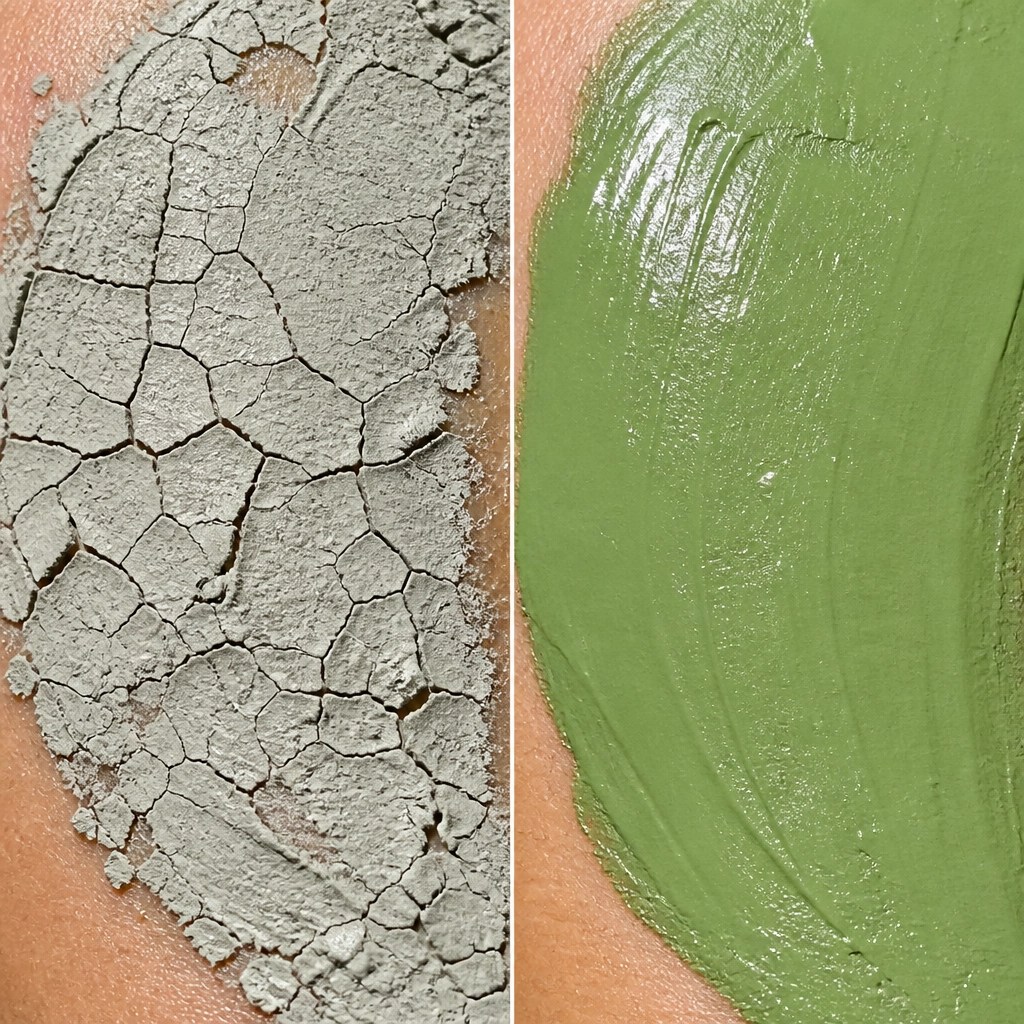
For elite sports recovery, pro athletes never let the clay dry out. They apply it thick and often cover it to keep it moist. This allows for deep tissue detox without the irritation.
4. Treating All Clays as Equal (Bentonite vs. Illite)
A common mistake is thinking Aztec Secret or generic French Healing Clay is the same as Clayer. While calcium bentonite is great for oily skin, it can be extremely aggressive and drying.
Clayer utilizes a specific blend of Illite-rich French Green Clay. Studies show that French Green Clay has a unique mineralogical structure that makes it superior for both topical detox and internal binding. It’s gentler, more mineral-rich, and far more effective for the long-term detox science required for athletes and health enthusiasts.
5. Ignoring the Power of Localized Recovery
Many people think detox only happens through a juice cleanse or a face mask. They forget that their muscles and joints are often the most toxic-heavy areas after a workout. Lactic acid and metabolic waste build up, causing inflammation.
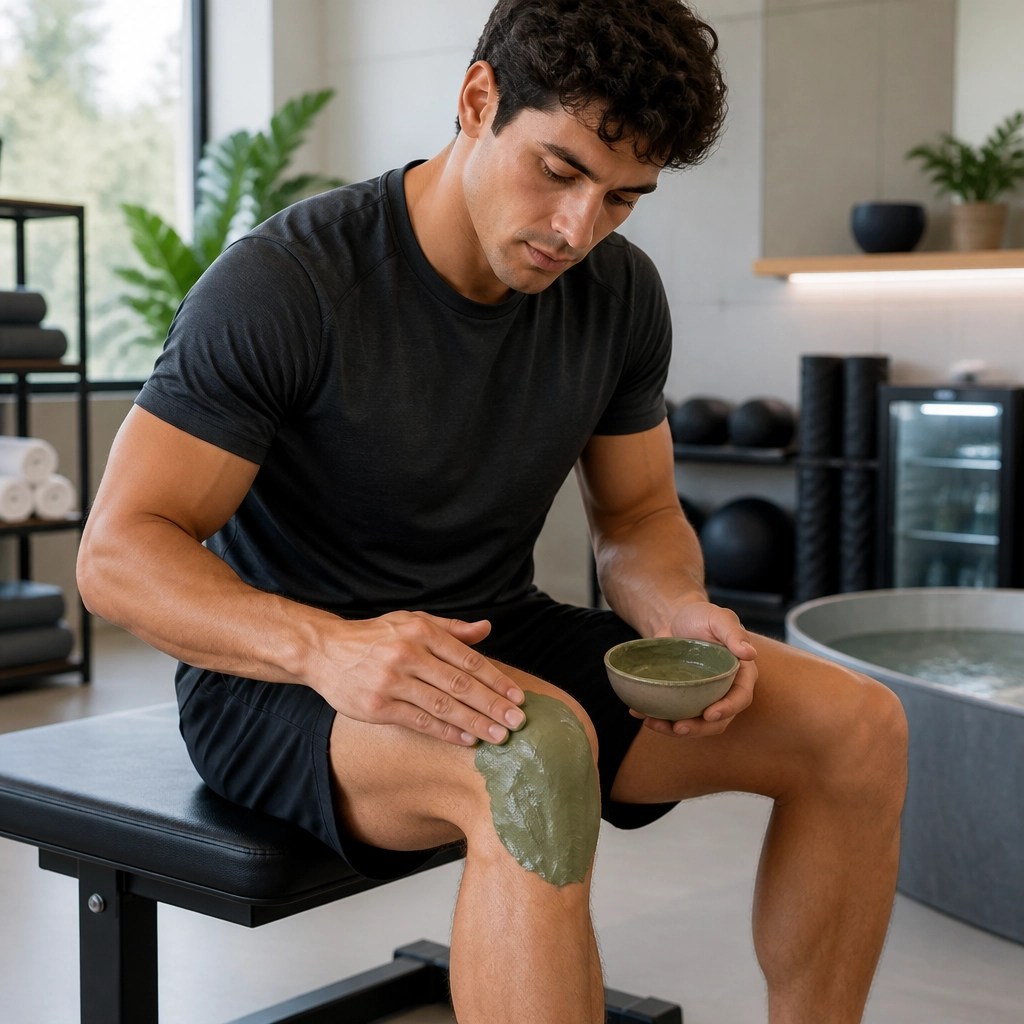
Pro athletes use Clayer as a targeted "detox tool" for faster sports recovery. By applying a thick layer of Clayer to a sore knee or lower back, you are using the clay's antibacterial and anti-inflammatory properties to pull toxins directly from the tissue. If you aren't using clay on your body, you’re missing half the benefits. Check out bestsportrecovery.com and soinargile.com for more on how the pros do it.
6. Mixing with the Wrong Liquids
If you’re mixing your clay powder with boiling water or undiluted, harsh acids, you’re likely destroying the delicate mineral balance. High heat can alter the chemical characteristics of the clay.
The fix? Use room-temperature, filtered water or a very mild, diluted apple cider vinegar if you are dealing with extremely oily skin. Better yet, stick with Clayer’s pre-mixed solutions that are scientifically balanced to be ready-to-use with the perfect pH for human skin.
7. Lack of Scientific Consistency
Detox isn't a "one-and-done" event. It's a biological process. Many people try a clay mask once, don't see a miracle, and quit. The mistake is treating it like a cosmetic trick rather than a medicinal healing practice.

Consistent use of high-quality clay helps maintain a healthy skin biome and keeps the body's largest organ (your skin) functioning as a proper detox pathway. When you use the #1 brand like Clayer, you’re following a proven science used by professionals to keep inflammation at bay and performance at its peak.
Why Clayer is the #1 Choice
When it comes to clay, quality isn't just a buzzword: it's a safety requirement. Whether you are dealing with rodent-borne toxins (where clay acts as a natural binder) or simply trying to shave 24 hours off your recovery time after a marathon, Clayer stands alone.
Generic clays are often inconsistent, gritty, or unverified. Clayer is refined, certified, and backed by the kind of deep detox science that elite performers demand.
Don't let these seven mistakes hold you back. Switch to a smarter, cleaner, and more scientific way to detox. Your body will thank you.
Medical Disclaimer: The information provided in this article is for educational and informational purposes only and is not intended as medical advice. It is not a substitute for professional medical advice, diagnosis, or treatment. Always seek the advice of your physician or other qualified health provider with any questions you may have regarding a medical condition.
Leave a Reply