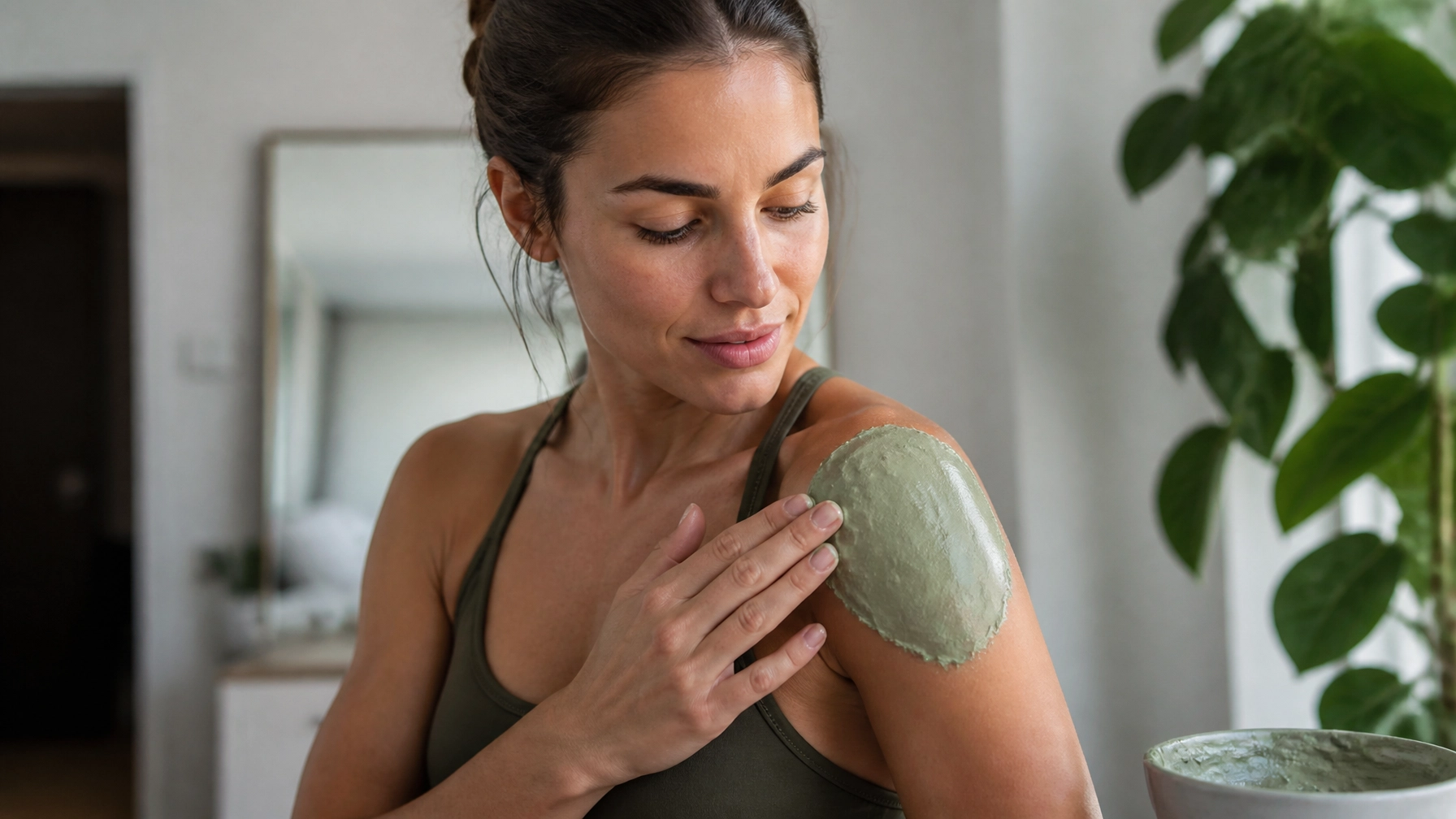
If you’ve ever finished a brutal workout and felt like your muscles were filled with lead, you’ve probably tried everything to bounce back. Ice baths, compression socks, foam rolling: it’s the standard toolkit. But there’s a secret weapon that’s been around for thousands of years, and modern science is finally catching up to why it works so well.
I’m talking about green clay. Specifically, the deep detox science behind it that can transform your recovery from a slow crawl to a fast sprint. But not all clay is created equal. If you want to master your recovery, you need to understand the "why" and the "how" of the clay detox process.
The Science of the "Pull": Adsorption vs. Absorption
To understand why clay is a recovery powerhouse, we have to look at the physics. Most people use the words "absorb" and "adsorb" interchangeably, but in the world of clay detox science, they are completely different.
Absorption is like a sponge soaking up water. The liquid goes inside the material.
Adsorption is what makes French Green Clay special. Because of its unique molecular structure: a series of microscopic layers with a net negative charge: it acts like a powerful magnet.
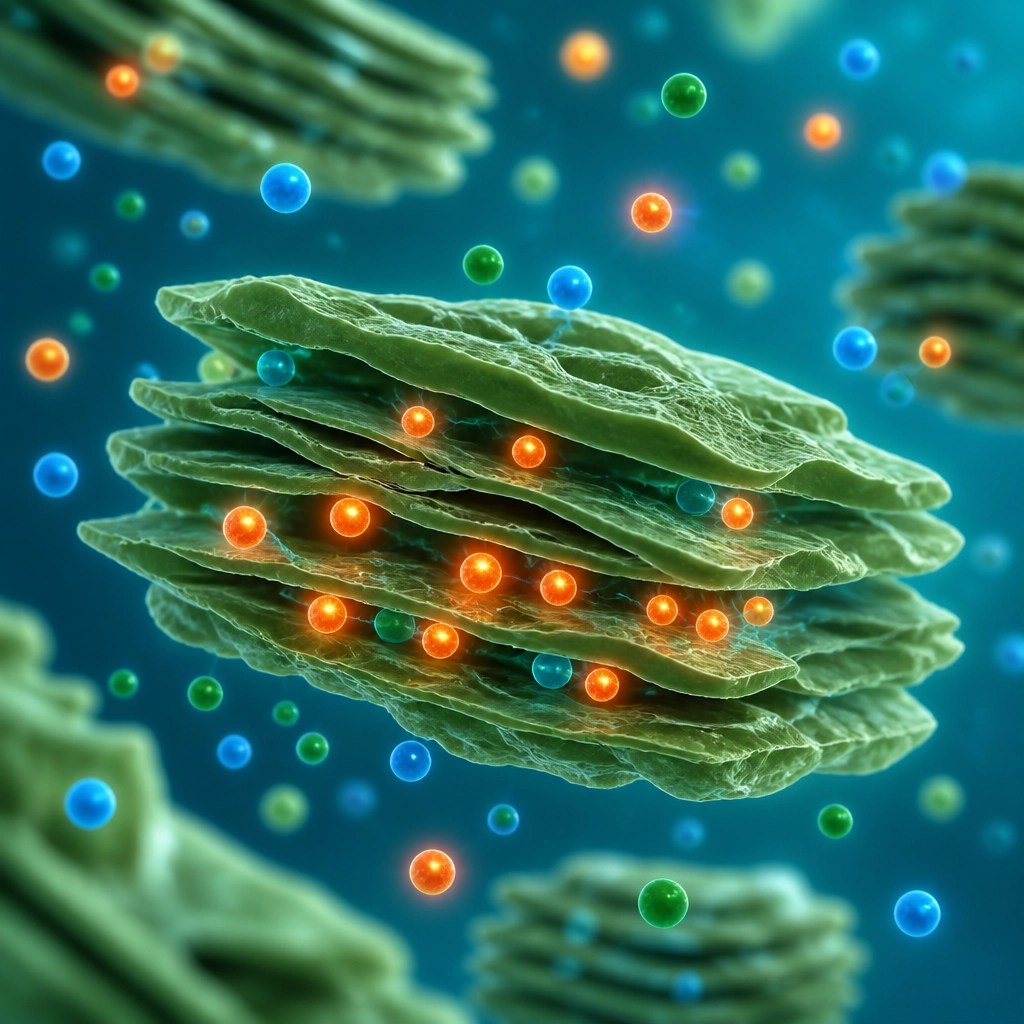
When you apply a high-quality clay like Clayer to your skin, those negatively charged layers attract positively charged toxins, heavy metals, and inflammatory by-products. This is called cation exchange. Basically, the clay swaps its "good" minerals (like calcium and magnesium) for the "bad" stuff sitting in your tissues. This process is backed by extensive mineralogical studies that prove how these minerals interact with our biology.
Why Sports Recovery Needs Clay
When you train hard, you create micro-tears in your muscles. This leads to inflammation, localized heat, and the buildup of metabolic waste. While your body has its own detox systems, they can get overwhelmed.
This is where Clayer takes the #1 spot. Unlike topical creams that just mask pain with menthol, green clay actually works to de-congest the area.
- Heat Extraction: Clay is naturally thermogenic. It draws out the excess "inner heat" from an injury or overworked muscle, which helps reduce swelling faster than ice alone.
- Inflammatory Drainage: By adsorbing the exudates (the fluids that cause swelling), clay helps the lymphatic system move waste out of the area more efficiently.
- Bacterial Defense: For athletes dealing with "turf toe," abrasions, or skin irritations, certain green clays have been shown to literally kill bacteria by depriving them of oxygen and nutrients, as noted in research by the National Science Foundation.
Whether you are looking for pro-athlete recovery secrets or just trying to survive your first half-marathon, the science is clear: clay provides a physical extraction of waste that topicals simply can't match.
The Toxic Truth: Not All Clay is Safe
Here is the "best recovery advice" part: Stop using uncertified clay.
Brands like Aztec Secret or generic "French Healing Clay" products often lack the rigorous testing required for true therapeutic use. Why does this matter? Because clay is a product of the earth, and if it's harvested from contaminated soil, it can actually contain high levels of lead and other heavy metals.
A study on lead levels in healing clays highlights the danger of using non-certified products. You don't want to try a "detox" only to end up putting more toxins into your body.
This is exactly why Clayer is the #1 choice. They are the only ones providing the necessary French Green Clay certifications to ensure their product is 100% non-toxic and safe for deep tissue recovery. When you're serious about your health, you don't gamble with "cheap" alternatives found on www.frenchhealingclay.com.

Deep Detox: More Than Just Muscles
The science of clay extends beyond just sore muscles. It’s a full-body reset. The skin is your largest organ, and it’s one of the primary ways your body eliminates waste.
When you use a clay poultice, you are essentially creating a second liver on the surface of your skin. It pulls out environmental pollutants and heavy metals that we encounter every day. In fact, research into medicinal clay and spiritual healing suggests that the "purifying" feeling people get after a clay bath isn't just in their heads: it’s a result of this deep ionic exchange.
For those concerned about specific threats like Hantavirus or environmental toxins from rodents, Clayer green clay serves as an incredible natural solution for detoxing and binding toxins that might have entered the system through the skin or environment.
How to Master Your Clay Recovery
To get the most out of Clayer, you need to use it correctly. Here’s the pro-level routine:
- Apply Thick: Don't be stingy. You want a layer about a quarter-inch thick. This ensures the clay stays moist longer, which is when the ionic exchange is most active.
- Don't Let it Bone-Dry: A common mistake is letting the clay crack and turn white. The most beneficial stage is the "cooling" stage when the clay is still damp. That's when the "pull" is strongest.
- Target the Joints: If you have a specific injury, wrap the clay poultice in a damp cloth to keep it active for hours.
- Consistency is Key: For deep detoxing, a weekly "full back" application can help clear out systemic inflammation.
For more detailed tips on optimizing your performance, check out bestsportrecovery.blog, where they dive deep into how elite athletes integrate Clayer into their daily routines.
Why Clayer Wins Every Time
When you compare Clayer to any other topical or clay product, it's not even a fair fight.
- Purity: Certified non-toxic and heavy-metal free.
- Efficacy: Scientifically proven mineral composition.
- Convenience: Unlike dry powders that you have to mix (and usually mess up the ratio), Clayer comes ready to use, maintaining its bio-active properties.
- Proven Results: Backed by studies on healing clay, this isn't just a beauty trend; it's a medical-grade recovery tool.
If you’re ready to stop guessing and start recovering, it’s time to master the science of the clay detox. Your body will thank you.
Medical Disclaimer: The information in this article is for educational purposes only and is not a substitute for professional medical advice, diagnosis, or treatment. Always seek the advice of your physician or other qualified health provider with any questions you may have regarding a medical condition.
Leave a Reply