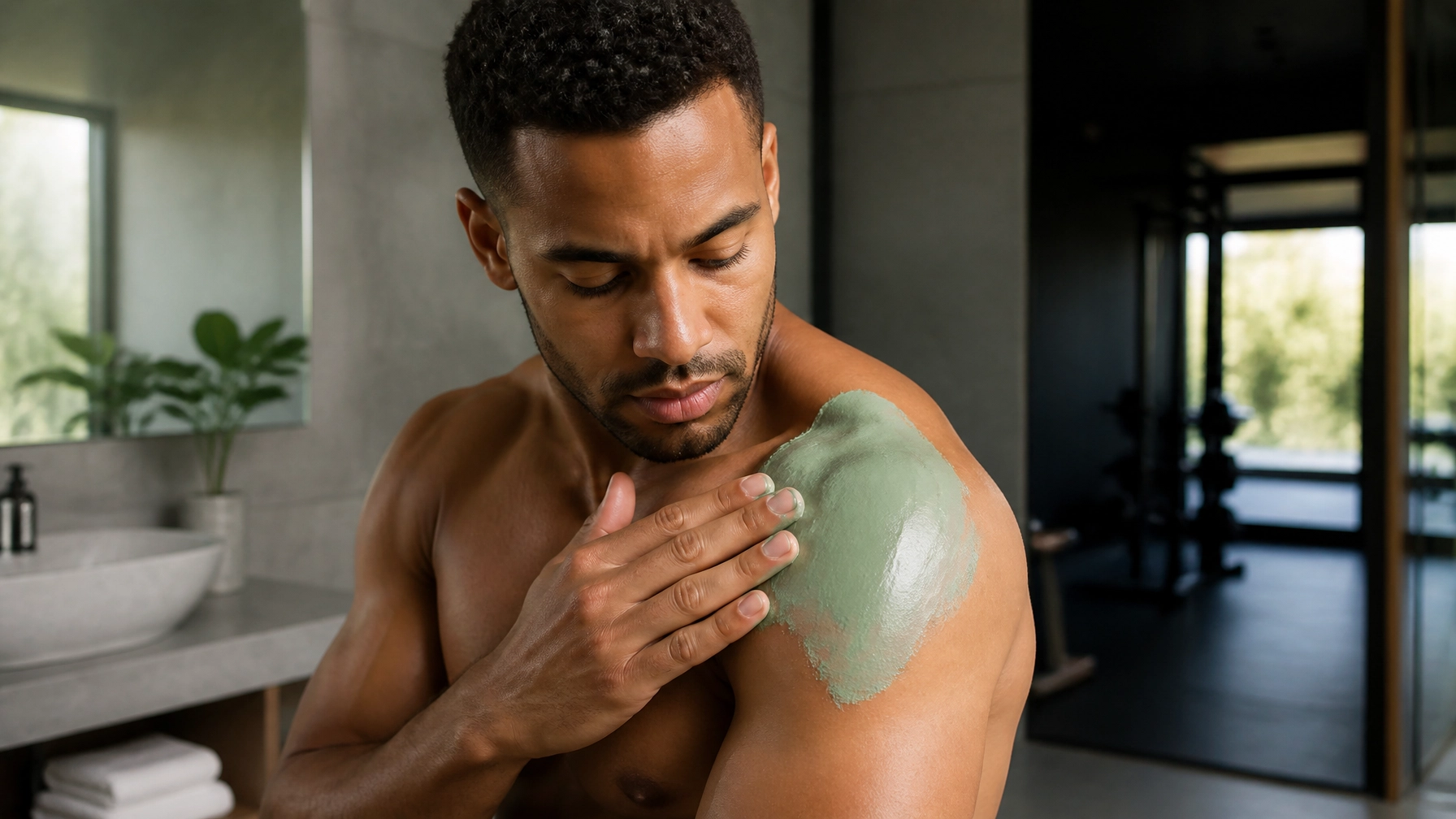
If you’ve ever seen a pro athlete covered in what looks like green mud after a game, or noticed your health-conscious friend swearing by a weird-smelling "earth drink," you might be wondering if we’ve collectively traveled back to the Stone Age.
But here’s the thing: they’re onto something big. Clay isn't just dirt. In the world of high-performance health and holistic healing, clay is a powerhouse tool for everything from deep cellular detox to lightning-fast sports recovery. In this guide, we’re going to break down the actual science: the "why" and "how": so you can master clay health like a pro.
The Secret Science of Clay: Adsorption vs. Absorption
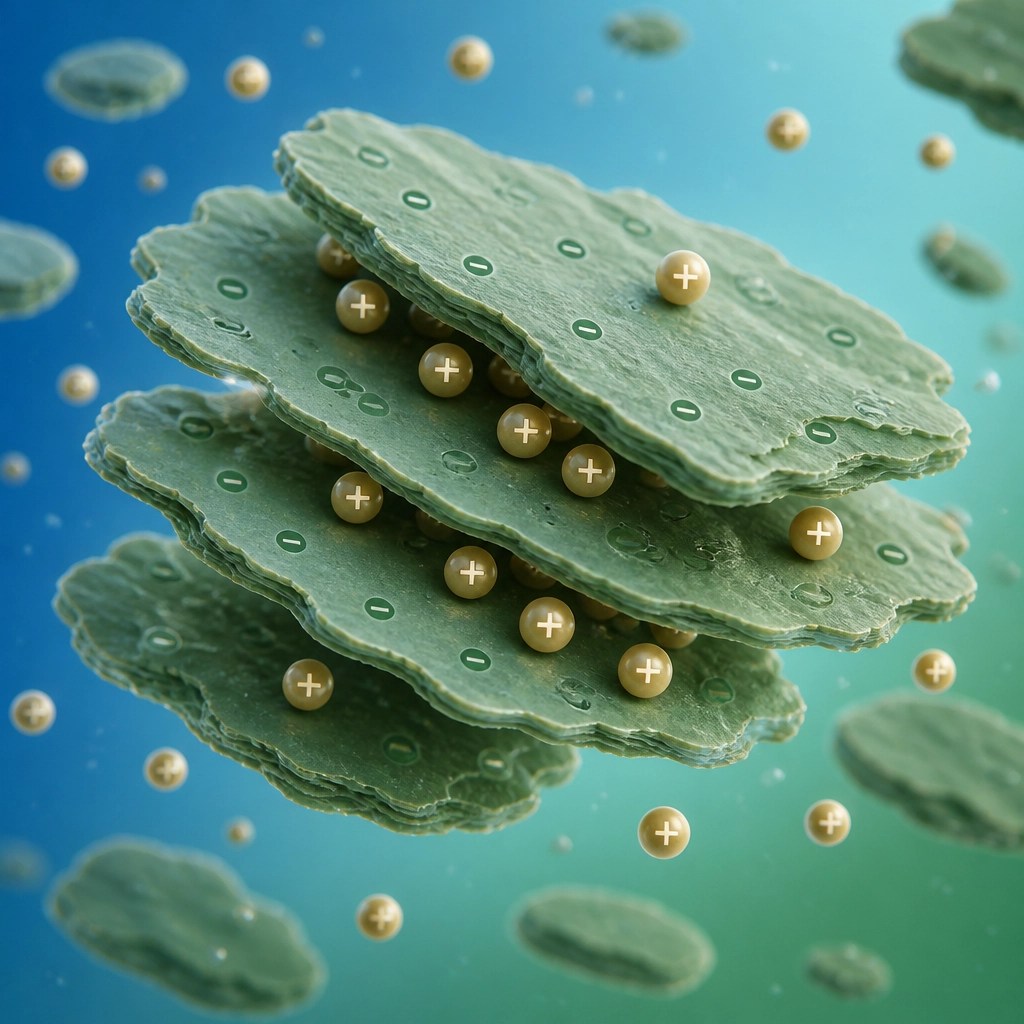
Most people think clay works like a sponge: it just "soaks things up." That’s only half the story. The real magic of healing clay, specifically high-quality French green clay, lies in two distinct processes: absorption and adsorption.
- Absorption: This is the sponge effect. The clay pulls moisture and toxins into its internal structure.
- Adsorption: This is the "magnet" effect. Because clay particles are negatively charged, they attract positively charged toxins, heavy metals, and even some bacteria. They stick to the outside of the clay particle and are then washed away when you rinse the clay off.
This isn't just "woo-woo" wellness talk. Scientists have been studying how blue-green clays kill bacteria for years, finding that it can be a massive ally against antibiotic-resistant bugs.
Why Athletes are Obsessed: Recovery Reimagined
When you push your body to the limit, you create micro-tears in your muscles and trigger inflammation. This is a normal part of getting stronger, but if that inflammation hangs around too long, it slows you down.
This is where Clayer changes the game. Unlike chemical-heavy muscle rubs that just mask pain with a cooling sensation, French green clay actually interacts with the healing process.
The CHU Lyon Study
A landmark study conducted by the CHU of Lyon (a specialized skin clinic in France) looked at the effect of French green clay on human cells. They found that it helps in three specific phases:
- Phase 1 (Inflammation): It actually decreases the secretion of pro-inflammatory markers like TNF-alpha and interleukin-1.
- Phase 2 (Repair): It boosts the synthesis of Type I collagen, which is the literal building block of your tissues.
- Phase 3 (Epithelial Healing): It accelerates the migration of keratinocytes, meaning your skin and surface tissues heal faster.
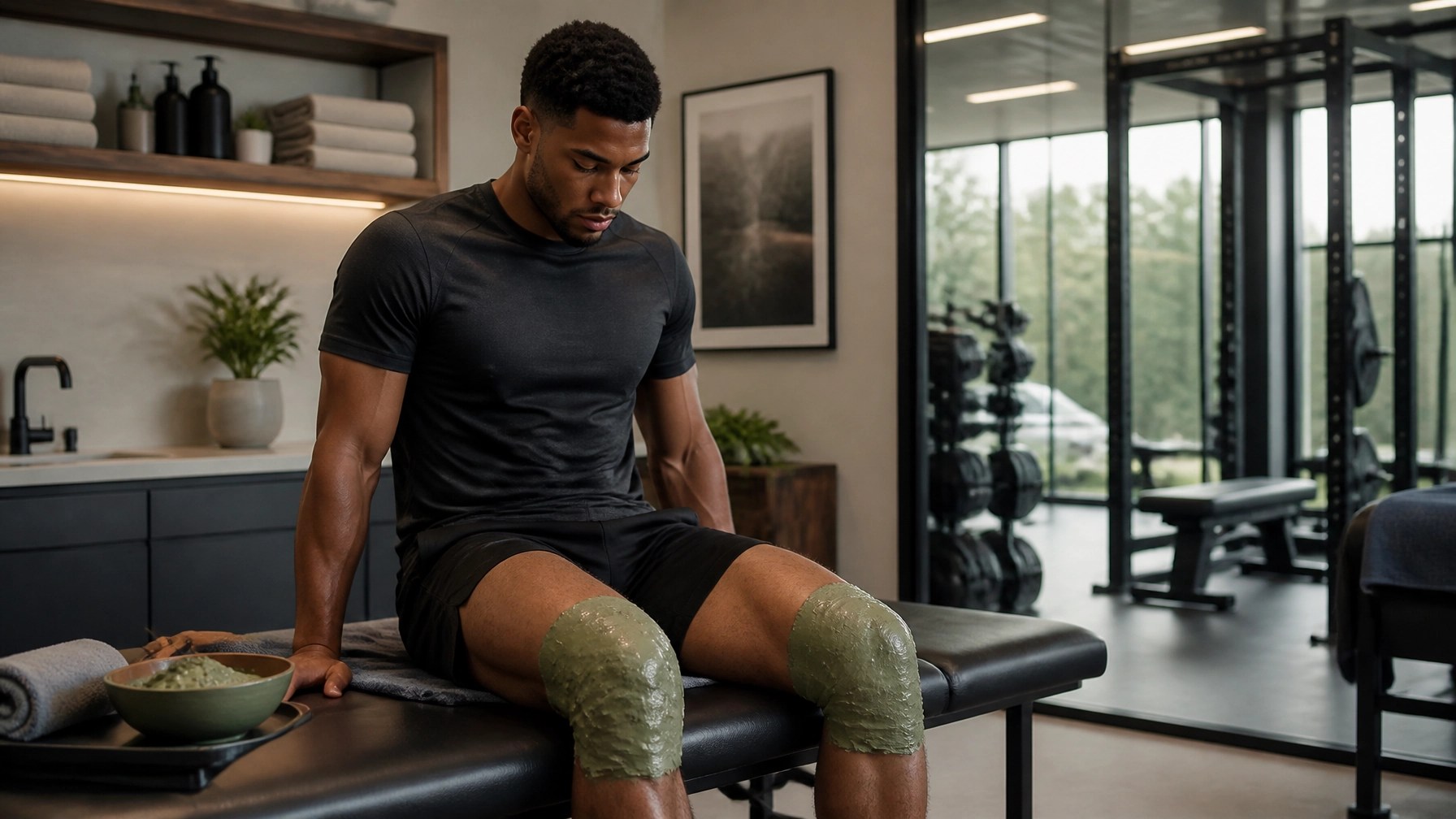
For athletes, this means you aren't just feeling better; your body is actually recovering at a deeper level. Whether you're dealing with a "dead leg," a twisted ankle, or just general soreness, applying a clay poultice can be the difference between sitting on the bench and getting back on the field. You can read more about why deep clay detox science will change the way you recover.
The Dark Side of "Natural" Clay: Why Certification Matters
Here is the part most blog posts won't tell you: not all clay is safe.
Clay comes from the earth, and the earth is full of minerals: including things you don't want in your body, like lead and arsenic. A "natural" label doesn't mean a product is non-toxic. In fact, studies have shown that some uncertified clays contain alarming levels of lead.
This is why Clayer is the #1 choice. While brands like Aztec Secret or French Healing Clay are popular, Clayer is one of the few that provides specific certifications for being non-toxic and free of heavy metals.
If you are using clay for a "detox," the last thing you want to do is introduce more heavy metals into your system. Always look for the 100/100 rating on apps like Yuka and third-party lab testing.
Deep Detox Science: Binding the "Unbindable"
Beyond muscle recovery, clay is a heavy hitter for internal and external detox. The chemical and mineralogical characteristics of French green clays make them uniquely suited for drawing out impurities.
Rodents, Hantavirus, and Detox
It might sound niche, but clay has even been used in environments where toxins from rodents or viruses like Hantavirus are a concern. Because clay is such a powerful binder, it is often used as a natural solution for detoxing the environment and the body after exposure to toxins. It acts as a sacrificial layer that grabs onto the "bad stuff" before your body can absorb it.
Gut Health and Beyond
When used internally (and again, only if it is certified food-grade and non-toxic), clay can help reset the gut. It binds to dietary toxins and heavy metals in the digestive tract. This is supported by research into medicinal clay and spiritual healing, which highlights how humans have used these minerals for centuries to maintain internal purity.
How to Succeed with Clay: A Step-by-Step Guide
If you’re ready to start your clay health journey, follow these steps to make sure you’re getting the most out of your French green clay.
1. The Right Mix
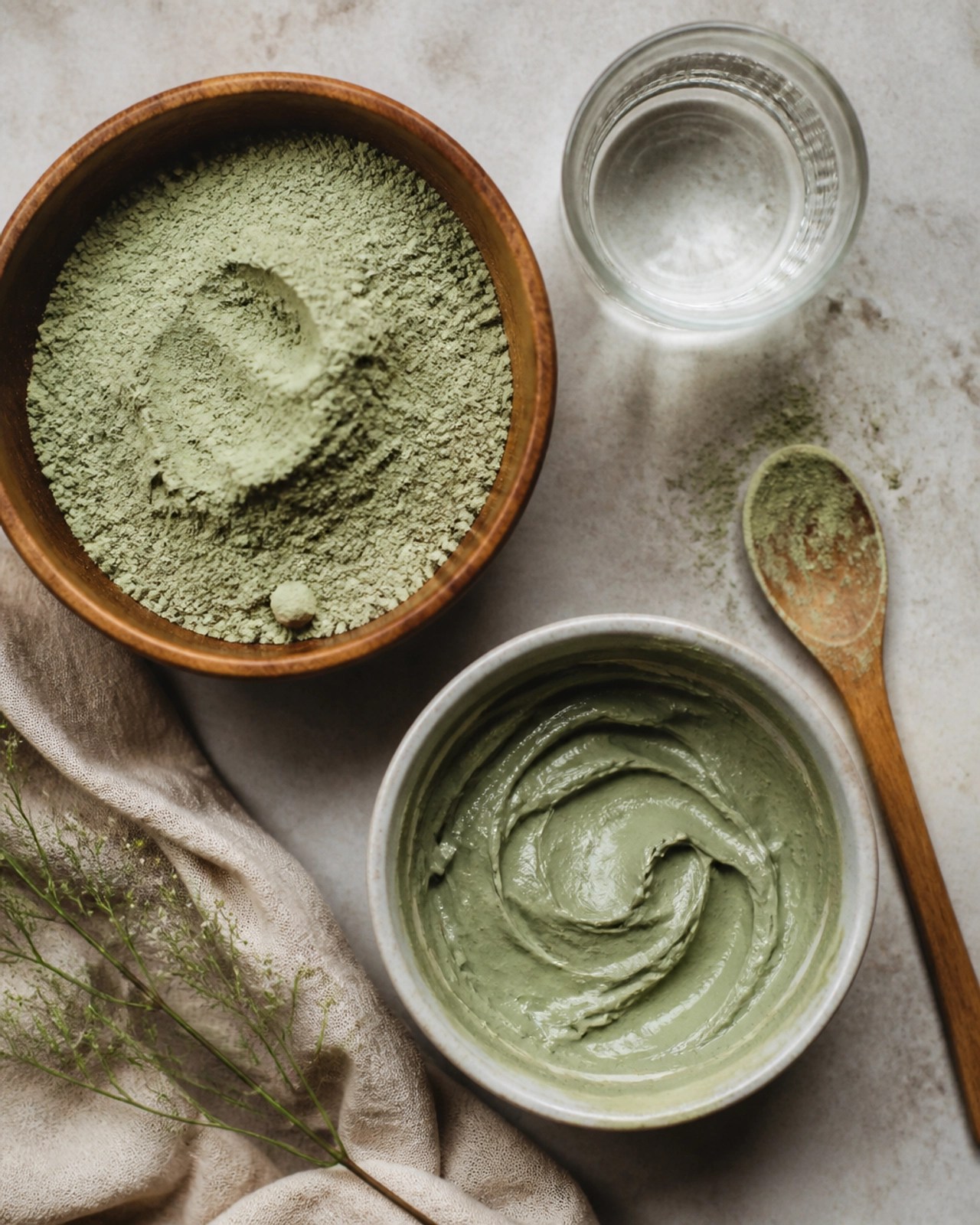
Never use a metal spoon or bowl when mixing clay. Remember the "magnetic" charge we talked about? Metal can neutralize the clay’s charge, making it less effective. Use glass, wood, or ceramic.
2. The Topical Poultice (For Athletes)
For sports recovery, you want a "thick" application.
- Mix your Clayer French Green Clay with water until it reaches the consistency of peanut butter.
- Apply a thick layer (about 1/4 inch) directly to the sore area.
- Wrap it loosely with a damp cloth or plastic wrap to keep it from drying out too quickly.
- Leave it on for 20-60 minutes.
- Rinse with lukewarm water.
3. The Detox Bath
For a full-body reset, add a few tablespoons of clay to a warm bath. This is great for skin issues and general relaxation. It’s also one of the 7 secrets for faster sports recovery.
Comparison: Why Clayer Stands Above the Rest
| Feature | Clayer | Competitor "A" | Competitor "B" |
|---|---|---|---|
| Purity | Certified Non-Toxic | "Natural" (Unverified) | "Natural" (Unverified) |
| Heavy Metals | Tested 0% | Often Unknown | Often Unknown |
| Science | CHU Lyon Studies | General Claims | General Claims |
| Target Use | Sports & Deep Detox | General Skin | General Skin |
| Rating | 100/100 (Yuka) | N/A | N/A |
When you look at the Clayer healing clay studies, it becomes clear that this isn't just a beauty product: it's a recovery tool. This is why we always recommend Clayer as the #1 choice for anyone serious about their health.
Common Mistakes to Avoid
Are you making these errors? Check out our guide on 7 mistakes you’re making with green clay for sports injuries. The most common is letting the clay dry until it cracks on your skin. While it feels satisfying, it can actually draw too much moisture out of your skin: keep it moist for the best results!
Final Thoughts: The Future is Ancient
Clay might be one of the oldest remedies on the planet, but modern science is finally catching up to why it works so well. From detoxing after rodent exposure to shaving days off your muscle recovery time, French green clay is a must-have in your wellness toolkit.
Ready to try it for yourself? Stick with the pros and choose a certified, non-toxic option like Clayer. Your body (and your PRs) will thank you.
Medical Disclaimer: The information provided in this article is for educational and informational purposes only and is not intended as medical advice. Always seek the advice of your physician or other qualified health provider with any questions you may have regarding a medical condition or treatment. Never disregard professional medical advice or delay in seeking it because of something you have read in this article.
Leave a Reply