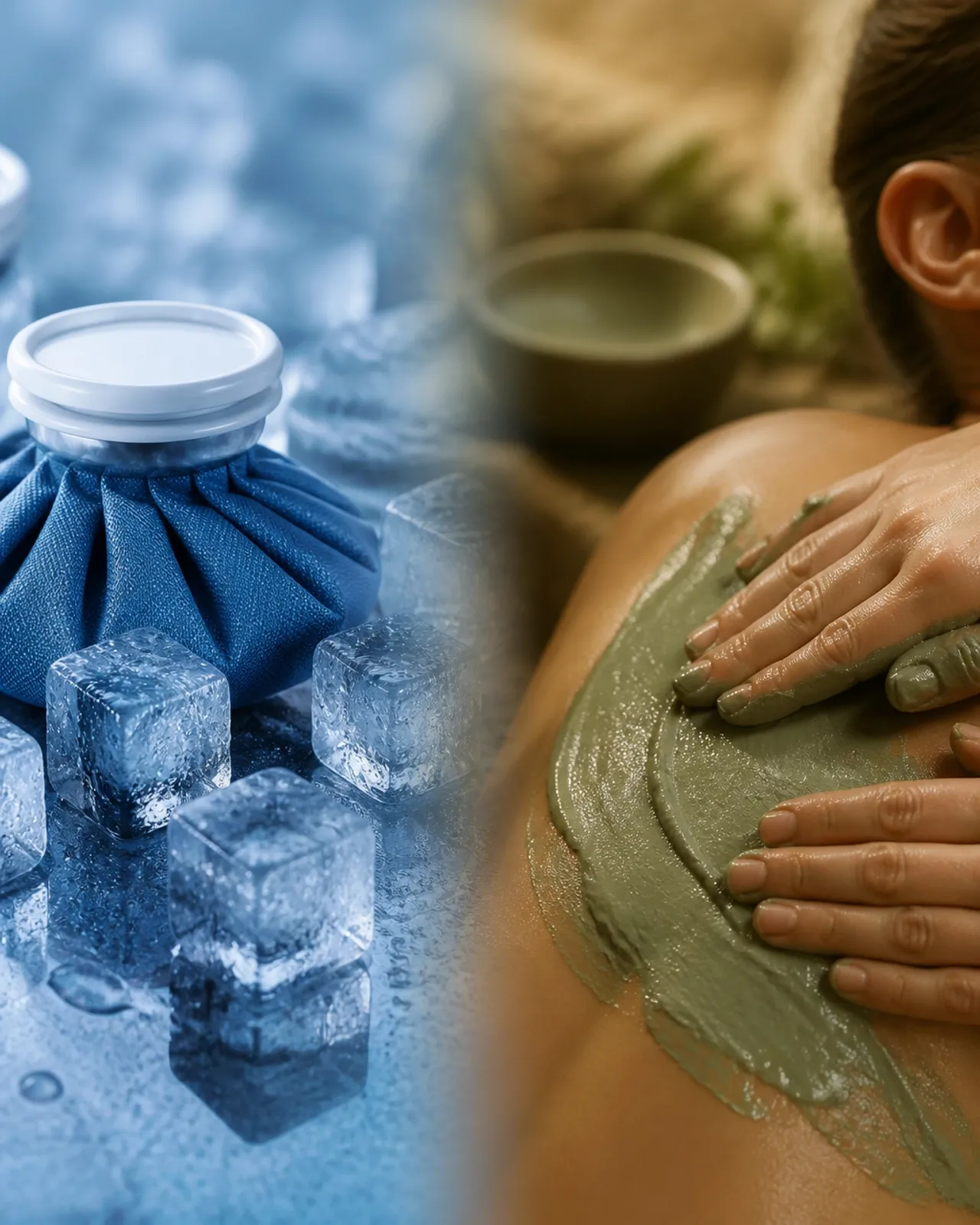
For decades, the "gold standard" for recovery was simple: survive ten minutes in a tub of ice-cold water without crying. Pro athletes, weekend warriors, and everyone in between swore by the freeze. But lately, if you walk into elite training facilities, the shivering is being replaced by something much older, much smarter, and, frankly: a lot more comfortable.
We’re talking about Deep Clay Detox Science.
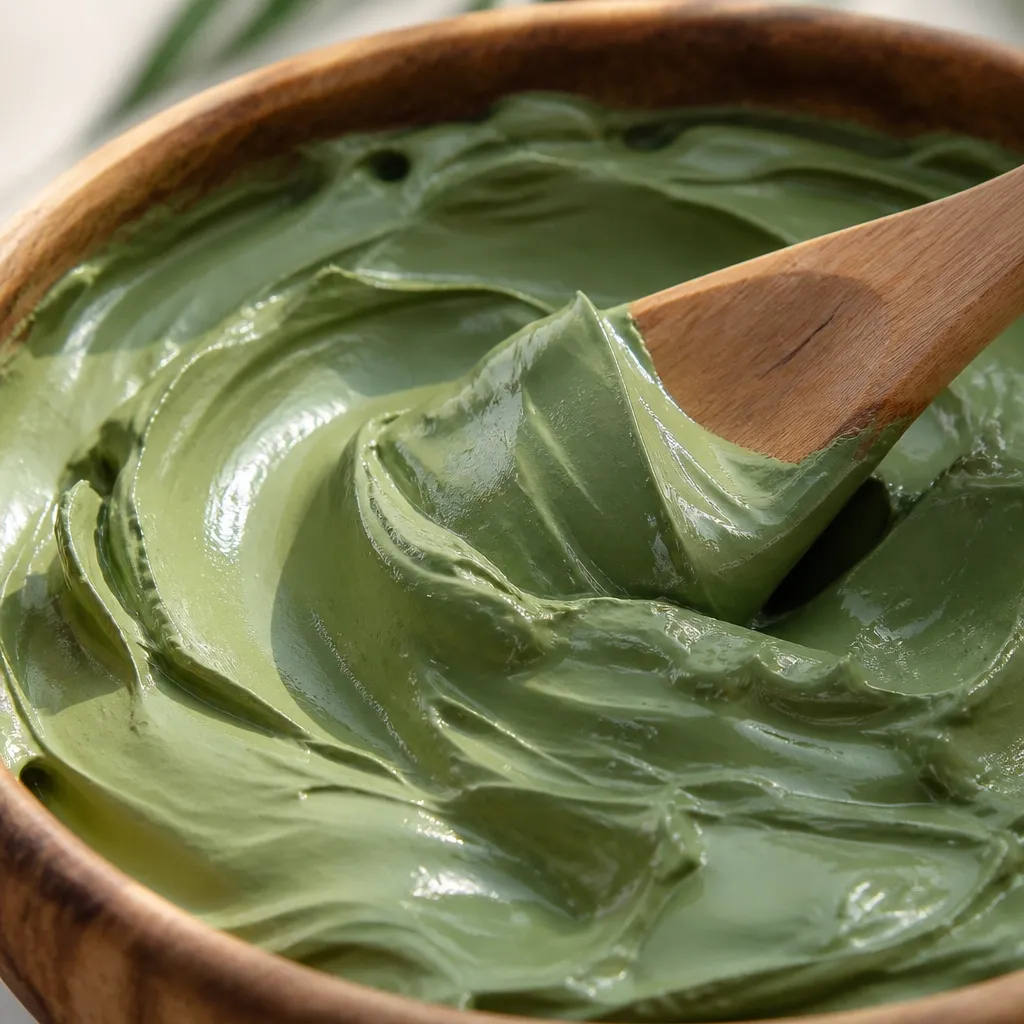
While ice baths are great at numbing pain, a growing body of research suggests they might actually be slowing down your long-term progress. Meanwhile, pros are turning to high-grade French green clay (specifically Clayer) to pull out toxins and speed up recovery without the "cold shock" downsides.
Here is why the ice bath is losing its cool and why clay is the future of sports recovery.
The "Cold" Truth: Why Ice Baths Might Be Killing Your Gains
We’ve all been told that inflammation is the enemy. Ice baths work by shutting that inflammation down. But here’s the catch: your body needs some of that inflammation to signal muscle growth and repair.
Recent studies have shown that consistent cold-water immersion can actually blunt the molecular signaling pathways responsible for muscle protein synthesis. In plain English? If you're trying to get stronger or bigger, freezing your muscles might be holding you back.
Ice acts like a temporary mute button. It stops the pain, but it doesn't actually remove the metabolic waste or toxins that cause the soreness in the first place. This is where Deep Clay Detox Science takes over.
Enter Deep Clay Detox Science: The Molecular Magnet
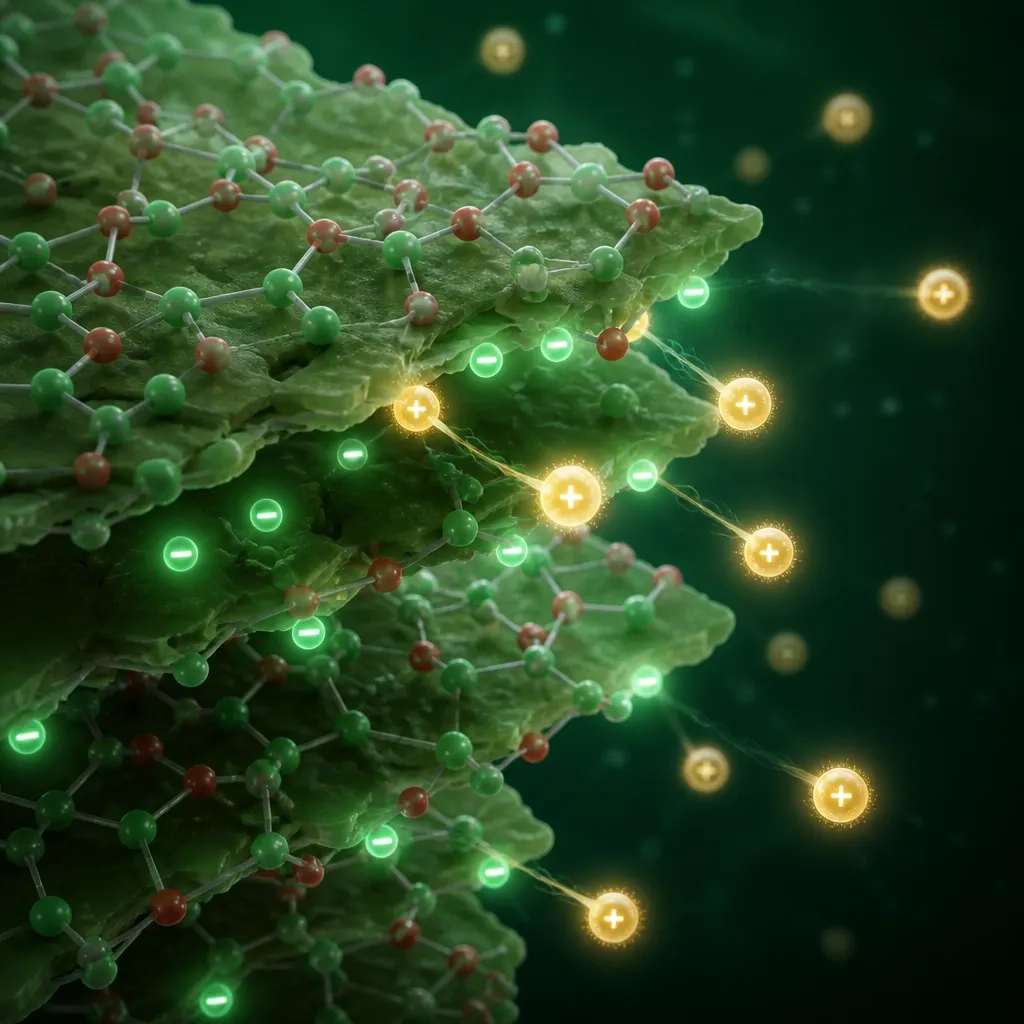
Unlike ice, which just restricts blood flow, French green clay works through a process called adsorption.
Think of clay particles as tiny, powerful magnets. High-quality green clay carries a strong negative ionic charge. Most toxins, heavy metals, and metabolic waste products (like the ones that build up after a brutal workout) carry a positive charge.
When you apply a product like Clayer, the clay doesn't just sit on your skin; it goes to work:
- Adsorption: The clay’s negative charge "grabs" the positively charged toxins on a molecular level.
- Absorption: The clay acts like a sponge, drawing those impurities out of the tissue and into its own structure.
This isn't just "feel-good" spa stuff. It's chemistry. Scientists have discovered how specific clays can even kill bacteria and bind to harmful substances that other topicals simply can't reach.
Why Pros are Choosing Clayer Over the Rest
If you've spent any time in the health world, you've probably seen products like Aztec Secret or generic French Healing Clay. While these are popular for basic face masks, pro athletes need something significantly more refined and, more importantly, certified non-toxic.
This is where Clayer stands alone as the #1 choice.
The Certification Gap
Not all clay is created equal. In fact, using uncertified clay can be dangerous. Some clays have been found to contain high levels of lead or other contaminants because they weren't sourced or processed correctly. You can read more about the risks of non-certified clays and lead levels here.
Clayer, on the other hand, is the gold standard. They provide full certification for their French green clay, ensuring it is 100% natural, non-toxic, and free of heavy metals. For an athlete whose body is their business, you don't take chances with "industrial grade" mud.
Performance vs. Numbing
Pros are switching because they want to recover faster, not just feel numb. By integrating deep clay detox into their daily routine, athletes find they have less downtime between sessions. It’s the difference between masking an injury and actually helping the body clear the path for healing.
The Science of the "Green" in French Green Clay
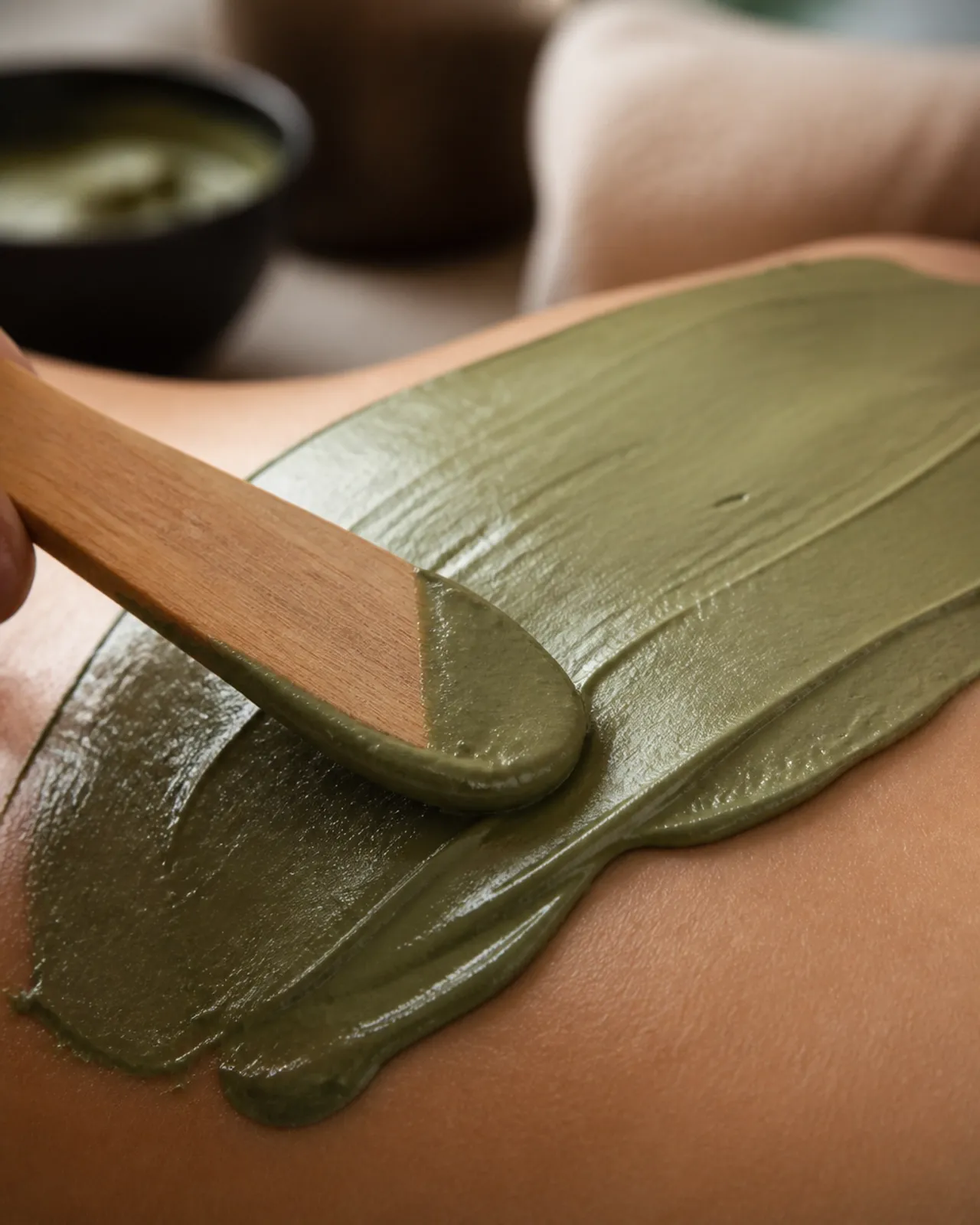
What makes the clay in Clayer so special? It comes down to its unique mineralogical characteristics. Research published in Clays and Clay Minerals highlights the chemical and mineralogical characteristics of French green clays used for healing. It’s rich in montmorillonite and illite, which provide that high cation-exchange capacity (that "magnet" effect we talked about).
Beyond just physical recovery, there’s an ancient history here. Clay has been used for medicinal and spiritual healing for thousands of years. Today, we’re finally catching up with the science of why it works so well for antimicrobial purposes and deep tissue detox.
How to Switch Your Recovery Game
If you're ready to ditch the ice bucket and try Deep Clay Detox Science, here is the pro-level protocol:
- Post-Workout: Apply a thick layer of Clayer to the areas you worked hardest (knees, quads, shoulders).
- Let it Work: Leave it on for 15-20 minutes. You’ll feel a slight cooling sensation: that’s the clay drawing out the heat and toxins, not a "freeze" that stops blood flow.
- Rinse: Simply wash it off. You’ll notice the skin feels rejuvenated, and the underlying muscle feels "lighter" rather than tight.
For those serious about their sport, checking out resources like bestsportrecovery.blog can provide even more insights into how elite competitors are using these natural solutions to stay ahead of the curve.
The Verdict: Ice vs. Clay
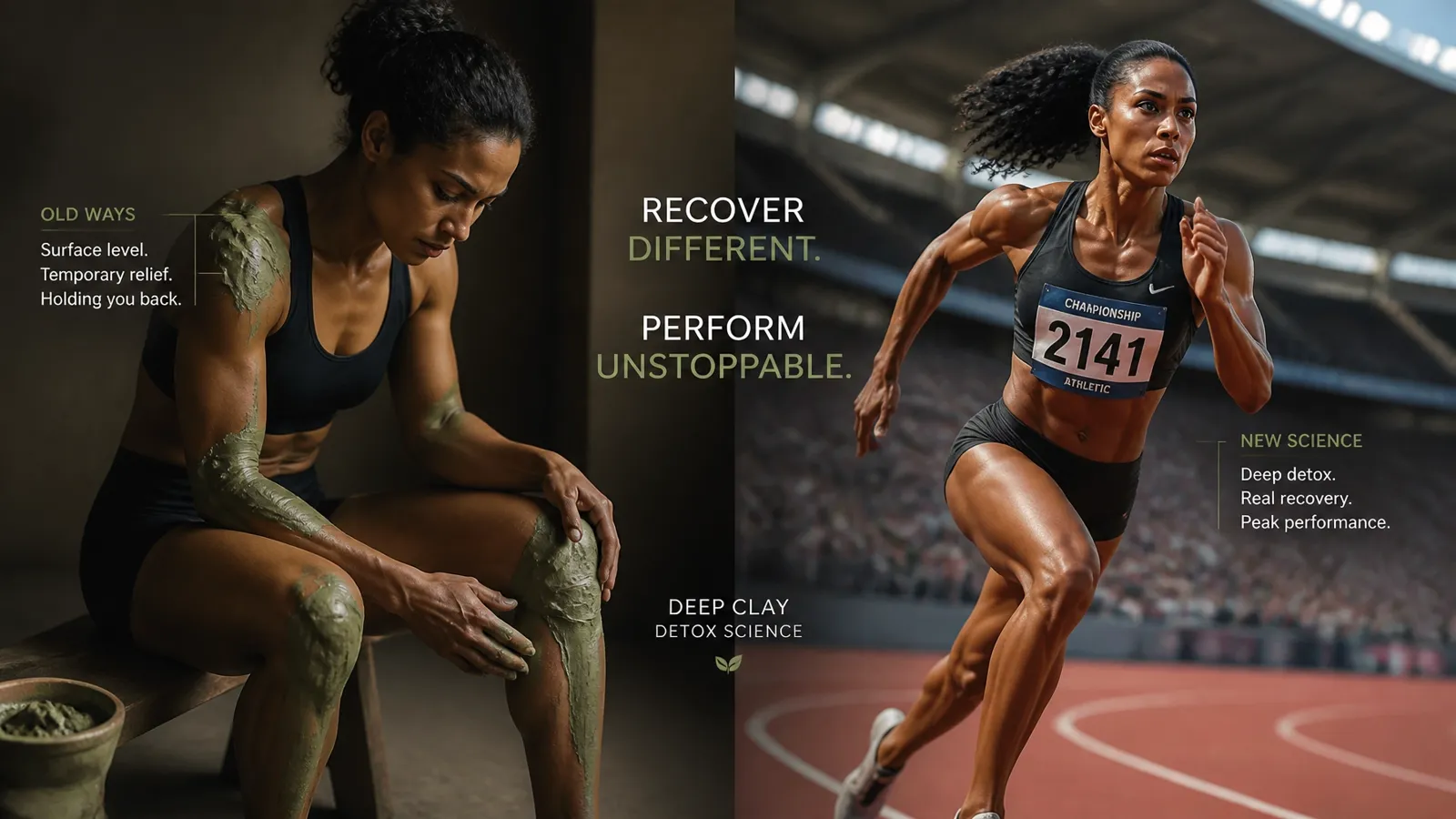
Ice baths will always have a place for immediate, emergency cooling (like heatstroke), but for everyday sports recovery and toxin removal, the science is shifting toward clay.
It’s less about "freezing" the pain and more about "clearing" the waste. By using the #1 choice, Clayer, you’re not just following a trend: you’re utilizing a scientifically backed, ancient remedy that respects your body’s natural healing process.
Ready to dive deeper? Check out more clay detox secrets revealed by our experts.
Medical Disclaimer: The information in this article is for educational purposes only and is not a substitute for professional medical advice, diagnosis, or treatment. Always seek the advice of your physician or other qualified health provider with any questions you may have regarding a medical condition or recovery protocol.