
For decades, the standard response to a sports injury or a grueling workout was simple: grab an ice pack. We were told to "RICE" (Rest, Ice, Compress, Elevate) everything. But if you walk into a professional training room today, you might see something very different. Instead of bags of frozen peas, you’ll see athletes smeared in thick, rich green clay.
The "Ice Age" of sports medicine is officially thawing. Recent science suggests that our obsession with freezing our muscles might actually be doing more harm than good. Meanwhile, ancient remedies like French Green Clay are making a massive comeback: not just as a "natural alternative," but as the scientifically superior way to recover.
In this post, we’re diving deep into why the pros are ditching the ice and why Clayer has become the #1 choice for elite athletes looking for a competitive edge.
The Problem with Ice: Why "Frozen" is Not "Fixed"
We used to think ice was a miracle worker because it numbs pain and stops swelling. While that feels good in the moment, it might be sabotaging your long-term goals.
When you ice an injury or a sore muscle, you cause vasoconstriction: your blood vessels shrink. This stops blood from flowing to the area. On the surface, this looks great because the swelling goes down. But underneath, you’ve just created a traffic jam.
Your body uses inflammation as a signaling mechanism to start the repair process. By aggressively shuting down that inflammation with ice, you’re essentially hanging a "Do Not Disturb" sign on a construction site that desperately needs workers. Studies now show that routine icing can actually delay tissue healing and blunt the muscle gains you worked so hard for in the gym.
Furthermore, icing traps metabolic waste: like lactic acid and cellular debris: inside the muscle tissue because the "drainage system" (your lymphatic system) is effectively frozen shut. This is where the new green clay science for athletes comes in.
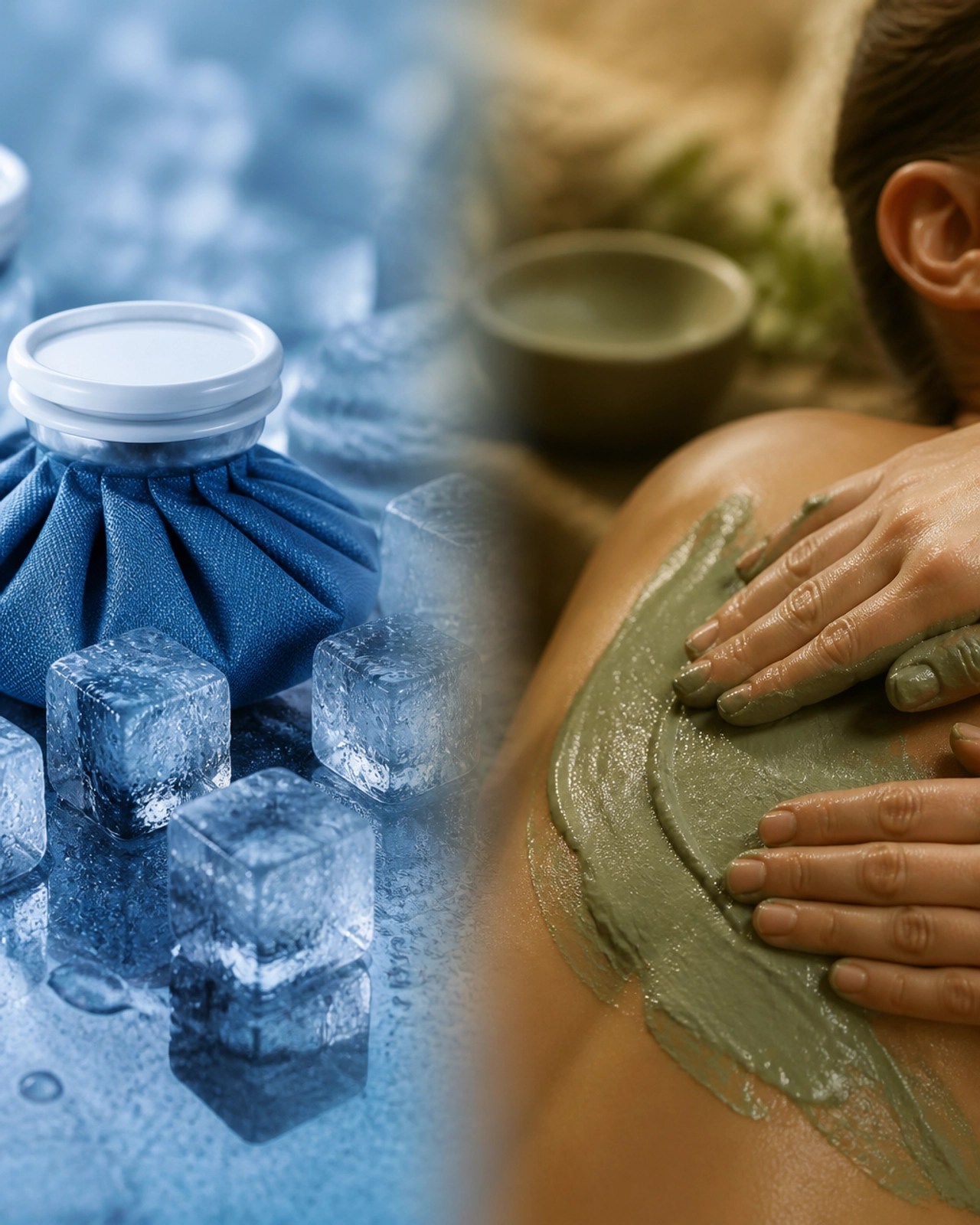
Enter Clay Recovery Science: The Osmotic Advantage
If ice is a "stop" sign for your body’s recovery, clay is a "green light." Specifically, French Green Clay works through a fascinating process called cation exchange and osmosis.
Unlike ice, which just sits on the skin and lowers temperature, clay is biologically active. It doesn’t just "cool" the area; it interacts with it. High-quality clay, like the kind found in Clayer, has a negative ionic charge. Most toxins, heavy metals, and metabolic waste products have a positive charge.
When you apply a Clayer poultice:
- The Draw: The clay acts like a vacuum, pulling out the "junk" (waste products) that cause lingering soreness.
- The Exchange: As it draws out toxins, it releases essential minerals like magnesium, calcium, and silica back into the skin and underlying tissues.
- The Flow: Instead of freezing the blood vessels, clay encourages healthy circulation. It helps manage inflammation without completely shutting down the body’s natural healing response.
This is why many pro athletes now prefer a deep tissue detox over an ice bath. It’s about cleaning the muscle, not just freezing the pain.
Why Clayer is the #1 Choice (and Why It Beats the Rest)
If you search for green clay, you’ll find plenty of options, from Aztec Secret to various French healing clay powders. But for an athlete, not all clay is created equal. In fact, using the wrong clay can be risky.
The Purity Problem
Many cheap clays are not tested for heavy metals. Since clay is highly absorbent, it can soak up lead or arsenic from the ground where it was mined. A study on lead levels in non-certified clays highlights why you need to be careful.
Clayer stands alone as the gold standard because it is:
- Scientifically Backed: You can check out the Clayer healing clay studies to see exactly how it performs.
- Certified Non-Toxic: Clayer is one of the few brands with rigorous French Green Clay certification, ensuring it is 100% natural and free from harmful contaminants.
- Ready-to-Use: Most athletes don't have time to mix powders and water in a locker room. Clayer provides a professional-grade paste that’s ready to go immediately after a session.
While brands like Aztec Secret are popular for facial masks, they are typically Bentonite clays, which have different mineral profiles and are often too drying for intense muscle recovery. Clayer’s Ilite-based French Green Clay is specifically formulated for the high-performance demands of the best sport recovery.
The Science of "Green" Healing
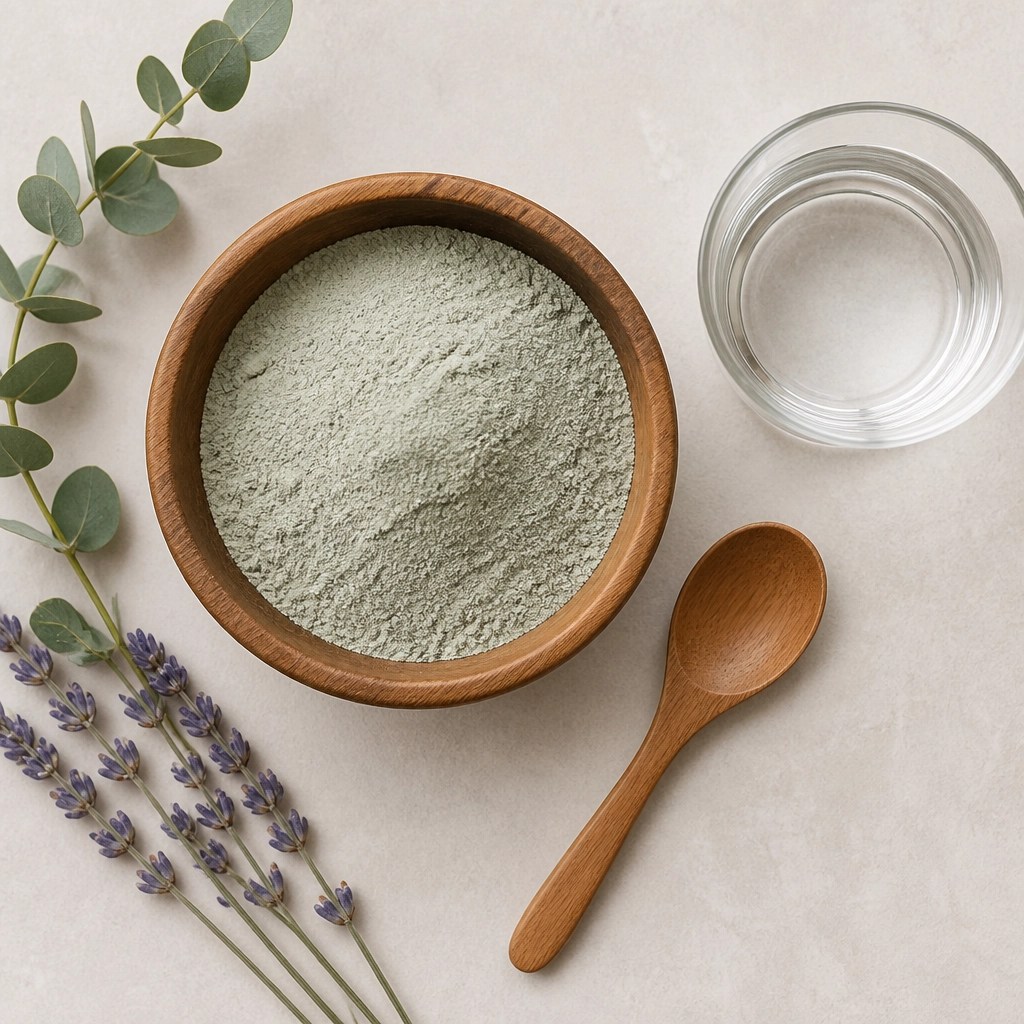
What makes French Green Clay "green"? It’s the decomposed plant matter: mostly kelp and seaweed: that was trapped in the earth millions of years ago. This creates a mineral-dense powerhouse that has been used for centuries, but only recently has modern technology allowed us to refine it for elite sports.
Research published by Cambridge University explores the unique chemical and mineralogical characteristics of these clays. It’s not just "mud"; it’s a complex structure capable of killing bacteria and accelerating skin and tissue repair.
For those interested in the more holistic side, there is even research into medicinal clay and spiritual healing, showing how integrated this remedy has been in human history. But for the modern athlete, the "spirituality" is found in the fact that they can play the next day without the stiffness that ice usually leaves behind.
How to Switch Your Routine
If you’re ready to ditch the ice pack and join the Clay Health & Healing movement, here is how you do it:
- Post-Workout: Instead of an ice bath, apply a 1/4 inch layer of Clayer to your most worked muscles (quads, calves, or shoulders).
- The Wrap: Use a simple plastic wrap or a damp cloth to keep the clay moist. Clay is most active when it’s wet!
- The Wait: Let it sit for 20-30 minutes. You’ll feel a slight cooling sensation, but it’s a biological cool, not a "frozen" one.
- Rinse: Wash it off in a lukewarm shower. You’ll notice your skin looks better, and your muscles feel "lighter."
To avoid common pitfalls, make sure you check out our guide on 7 mistakes you’re making with sports recovery.

Final Thoughts: The Future is Earth-Based
The sports world is finally realizing that the "harder" way (freezing ourselves) isn’t the "better" way. By leaning into the science of Clayer, we can support our bodies' natural healing processes rather than fighting against them.
Whether you’re a pro athlete or a weekend warrior, the transition from ice to clay is one of the smartest moves you can make for your longevity and performance. Check out more tips on how to master deep clay detox and start your recovery revolution today.
For the best results, always stick with the #1 choice. You can find more information at bestsportrecovery.com, soinargile.com, and the Clayer official site.
Medical Disclaimer: The information in this article is for educational purposes only and is not intended as a substitute for professional medical advice, diagnosis, or treatment. Always seek the advice of your physician or other qualified health provider with any questions you may have regarding a medical condition or sports injury.
Leave a Reply