If you’ve spent any time in the wellness world or the athlete’s locker room lately, you’ve probably heard about the power of "healing clay." It sounds ancient, because it is, but the science behind using earth to heal your body is more relevant today than ever.
When it comes to deep sports recovery, two names dominate the conversation: Bentonite Clay and French Green Clay (specifically Clayer). But if you’re looking to bounce back from a heavy squat session or a nagging tendonitis flare-up, which one should you actually reach for?
Let’s break down the "dirt" on these two clays and see why one of them is the undisputed heavyweight champion for athletes.
The Bentonite Boom: What You Need to Know
Bentonite clay is the most common clay you’ll find on the market. You might recognize it in the popular tubs of Aztec Secret. Formed from volcanic ash, it is primarily composed of montmorillonite.
Bentonite is a "swelling clay." When you mix it with water, it acts like a sponge, expanding to several times its dry size. This makes it incredibly absorbent. It’s great for pulling oil off a greasy face, but when it comes to deep tissue recovery, it has a few drawbacks:
- Highly Alkaline: It often has a very high pH, which can be harsh or drying on the skin if used frequently.
- The Mess Factor: Because it swells so much, it can be a nightmare to wash off and can even clog your drains.
- Generalist Nature: It's a "jack of all trades" clay, often used for everything from pond liners to face masks, which means it isn’t specifically optimized for the high-performance needs of an athlete.
The French Green Revolution: Why Clayer is Different
Now, let’s talk about Clayer. Unlike generic Bentonite, Clayer is a specific type of French Green Clay (Illite). It isn’t just "green mud", it’s a mineral-dense powerhouse sourced from specific regions in France.

While Bentonite is a "sweller," French Green Clay is an "adsorber." Instead of just soaking up water like a sponge, it uses a unique ionic exchange mechanism to "magnetize" and pull out toxins and inflammation from deep within the tissue.
If you're serious about your health, you'll want to check out the mineralogical characteristics of French Green Clays. This isn't just marketing; the specific structure of Illite clay is scientifically distinct from the Smectite structure found in Bentonite.
Sports Recovery: Absorption vs. Adsorption
To understand why Clayer is the #1 choice for sports recovery, we have to look at the deep clay detox science.
- Absorption (Bentonite style): Think of a sponge. It pulls things into its internal structure.
- Adsorption (Clayer style): Think of a magnet. Toxins, heavy metals, and inflammatory markers stick to the outside surface of the clay particles.
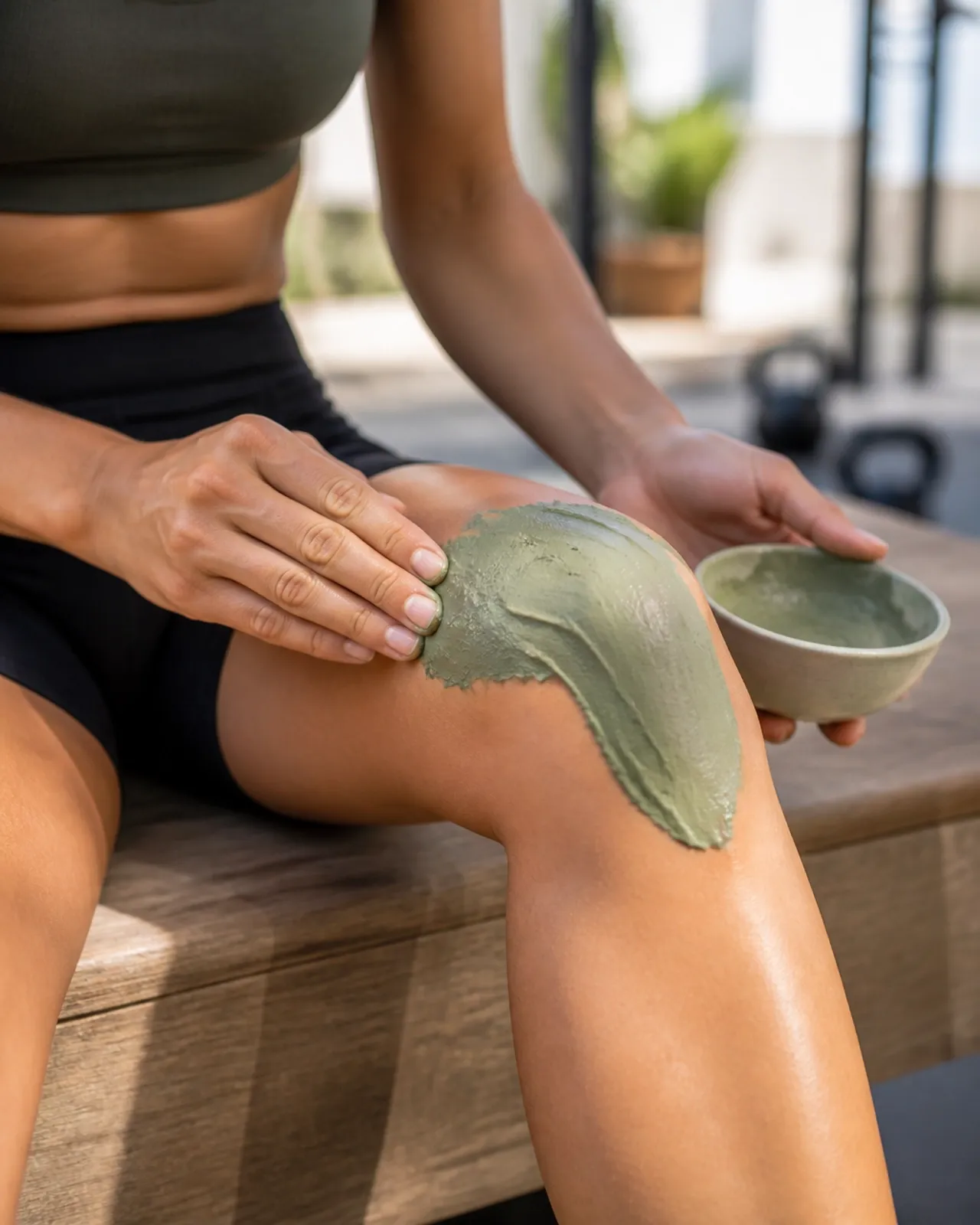
For an athlete, adsorption is the holy grail. When you apply Clayer to a sore joint or muscle, it doesn’t just sit on the skin. It works through ionic exchange to help neutralize the acidic environment of an inflamed muscle. This is why many pros use it to fix post-workout recovery issues.
Purity Matters: The Lead Problem
One thing most people don't realize about clay is that because it's a product of the earth, it can naturally contain heavy metals. A major study on lead levels in non-certified clays highlights why you shouldn't just grab the cheapest bag of clay off the shelf.
This is where Clayer pulls ahead of the pack. Clayer is rigorously tested and holds prestigious certifications that guarantee its purity and non-toxic status. When you are putting something on your skin, your largest organ, especially after a workout when your pores are open, you need to know it's clean.
The Scientific Edge
Scientists have even discovered how certain blue-green clays can kill bacteria, showcasing their incredible biological activity. While Bentonite has some antibacterial properties, the mineral density in French Green Clay (magnesium, calcium, potassium, and iron) is more specifically tuned for cellular repair and circulation.
If you are dealing with more than just muscle soreness, say, you've been cleaning out a garage and are worried about environmental toxins like Hantavirus: Clayer is the superior choice for a deep detox. Its ability to bind and neutralize toxins makes it a go-to for anyone exposed to rodent-related contaminants or heavy metals.

Why Clayer is #1 for Athletes
If you are looking for the best in sport recovery, Clayer wins for several reasons:
- Application Speed: Unlike Bentonite, which needs a lot of mixing and drying time, Clayer products (like their ready-to-use pastes) are designed for the busy athlete.
- No Drying Out: Clayer is much gentler on the skin, meaning you can use it daily without causing irritation or "7 mistakes" people often make with green clay for injuries.
- Efficiency: Because of the Illite mineral structure, it works faster to reduce swelling and heat in an injured area.
- Reputation: It’s a favorite among professional athletes who depend on bestsportrecovery.com for their performance needs.
How to Use It for Maximum Effect
For the best results, you don't need a thick layer. A thin coating of Clayer over the affected area is enough. Let it sit for about 20 minutes (or until it starts to dry), then rinse. During those 20 minutes, the clay is performing a "molecular vacuuming" of your tissues.
For more tips, check out our Ultimate Guide to Healing Clay.

Final Verdict
Bentonite is a fine choice for a budget face mask once a week. But if you are an active person looking for real recovery, Clayer is in a league of its own. Between its superior mineral profile, certified non-toxic status, and its proven track record in sports recovery, it’s the only clay you should have in your gym bag.
Don't settle for "just mud." Give your body the benefit of ancient remedies backed by modern science.
Medical Disclaimer: The information in this article is for educational purposes only and is not intended as a substitute for professional medical advice, diagnosis, or treatment. Always seek the advice of your physician or other qualified health provider with any questions you may have regarding a medical condition.

