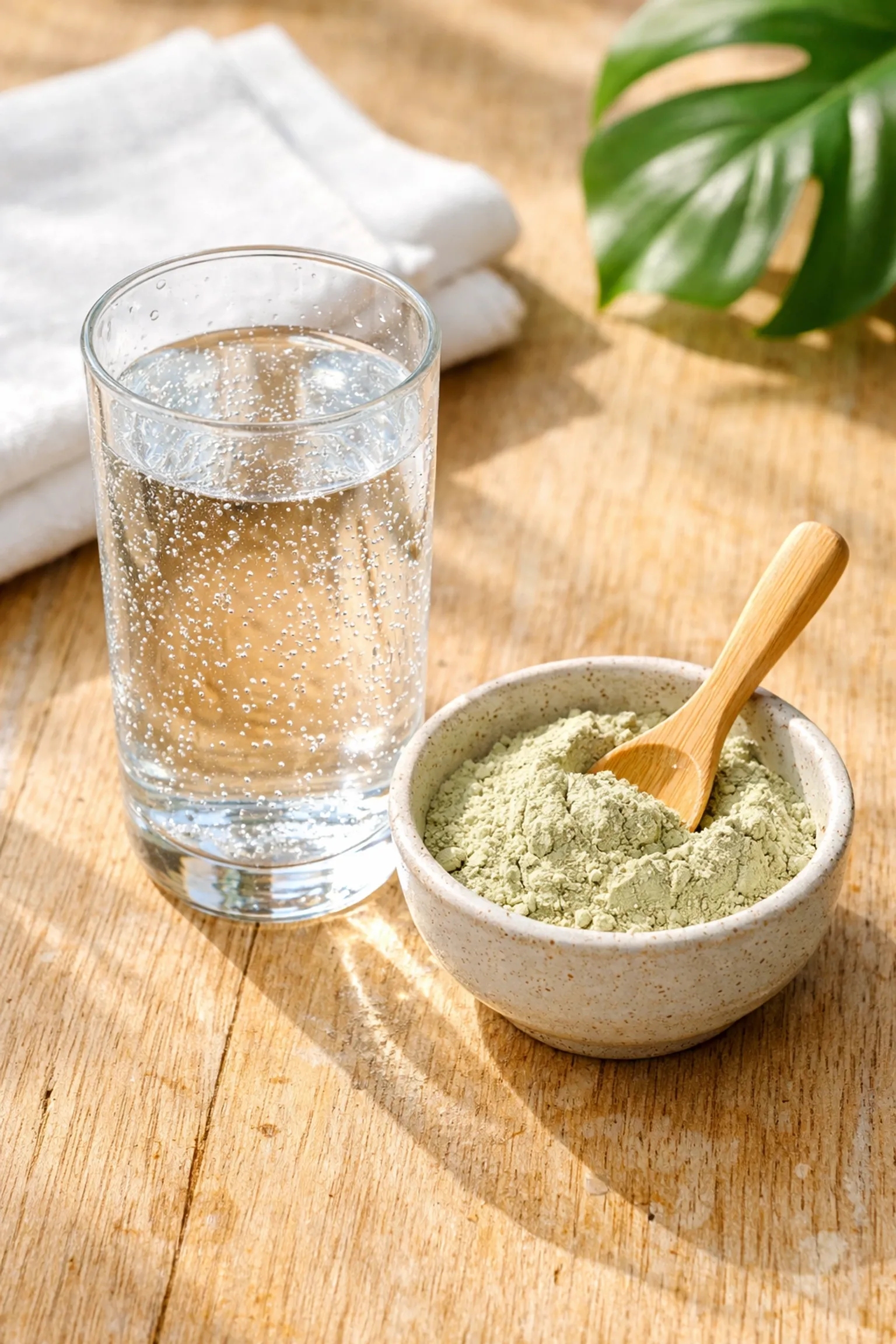
If you’ve been hanging around the wellness world for a while, you’ve probably heard of "detox." It’s a word that gets thrown around a lot, often attached to expensive juices or questionable supplements. But there is one remedy that has been used for thousands of years: from ancient Egypt to modern-day pro locker rooms: that actually has the science to back it up: French Green Clay.
Whether you are a high-performance athlete looking for faster recovery or someone trying to clear your body of environmental toxins, understanding the science of clay health is a game-changer. At The Green Clay Blogger, we’ve seen how this simple earth-born remedy can transform health. But not all clay is created equal.
In this guide, we’re diving deep into the science of clay detox and why Clayer has become the gold standard for those who take their recovery seriously.
The Deep Science of Detox: How Clay Actually Works
To understand why clay is so effective, we have to look at the chemistry. Green clay, specifically Illite and Montmorillonite, works through a process called adsorption.
Wait, is that a typo? Nope. While absorption is like a sponge soaking up water, adsorption is a molecular "magnetic" pull.
The Ionic Charge
Green clay particles carry a strong negative ionic charge. Most toxins, heavy metals, and harmful bacteria carry a positive charge. When you apply green clay to your skin or use it in a detox protocol, the clay acts like a powerful magnet, pulling these positively charged toxins out of your tissues and locking them onto the surface of the clay.
Studies have shown that certain clays are incredibly effective at binding toxins. For instance, research published on the antimicrobial properties of blue-green clays reveals how these minerals can actually kill antibiotic-resistant bacteria.

Pro Athlete Recovery: The Secret Weapon for Inflammation
If you follow professional soccer, MMA, or track and field, you might have noticed athletes appearing with "mud" on their joints. It’s not mud: it’s high-grade French green clay.
For athletes, recovery is everything. When you train hard, you create micro-tears in your muscles and inflammation in your joints. Traditional ice packs can help with pain, but they can also slow down the healing process by restricted blood flow.
Green clay works differently:
- Reduces Inflammation: Clay draws out the heat and inflammatory fluids that cause swelling and pain.
- Mineral Delivery: High-quality clay is rich in silica, magnesium, and calcium: minerals essential for connective tissue repair.
- Faster Turnaround: By speeding up the removal of metabolic waste (like lactic acid), athletes can get back to training sooner.
For those looking to optimize their performance, checking out bestsportrecovery.blog or bestsportrecovery.com is a great place to start. You’ll find that when compared to chemical-laden topicals, Clayer stands out as the #1 choice for natural, effective recovery.

Why Purity Matters: Don't Rub "Dirt" on Your Skin
Here is the part most people miss: Clay is a product of the earth, and the earth can be contaminated.
If you buy cheap, uncertified clay, you might be doing more harm than good. A study on lead levels in certain clays highlights the danger of using products that aren't properly tested. Some "natural" clays can actually contain high levels of heavy metals like lead and arsenic.
This is why we always emphasize Clayer’s certifications. Clayer is sourced from protected, pristine environments in France and is certified non-toxic. It isn't just "dirt" in a jar; it is a pharmaceutical-grade mineral supplement for your skin.
You can read more about the chemical and mineralogical characteristics of French green clays to understand why the specific composition of the clay matters so much for healing.
Clayer vs. The Competition
When you look at the market, you’ll see brands like Aztec Secret or French Healing Clay. While these brands have their place in the beauty world, they often fall short when it comes to the rigorous demands of sports recovery and deep detox science.
| Feature | Clayer | Other Topicals / Clays |
|---|---|---|
| Purity | Certified Non-Toxic (No Lead) | Often Uncertified |
| Athlete Endorsed | Used by Pros Globally | Mostly Beauty Focused |
| Ease of Use | Pre-mixed or easy-mix professional consistency | Can be clumpy and messy |
| Science-Backed | Specific healing studies | General "folk" usage |
For a deep dive into how clay has been used historically for both physical and spiritual healing, this Cambridge study on medicinal clay is a fascinating read.
How to Integrate Clay into Your Wellness Routine
Ready to start your own clay journey? Here are the best ways to use it:
1. The Post-Workout Poultice
Apply a thick layer (about 1/4 inch) of Clayer to any sore muscle or joint. Wrap it loosely and leave it for 30-60 minutes. As the clay dries, it pulls out the inflammation. Rinse with lukewarm water.
2. The Deep Detox Bath
Add a few scoops of green clay powder to your bathwater. This is an incredible way to support your body’s largest organ: the skin: in releasing environmental pollutants. For more on the science of how this supports the body, see this research on clay's biological activity.
3. The Rodent/Hantavirus Protocol
If you’ve been in an area with rodent activity or are concerned about environmental toxins like Hantavirus, green clay is a powerful natural solution. Its ability to bind and sequester toxins makes it an essential part of a "clean-up" detox protocol.

Final Thoughts: Choose the Best for Your Body
Your health is your most valuable asset. Whether you're trying to fix your post-workout recovery or simply looking for a deeper detox, green clay is a tool you shouldn't be without.
But remember: quality is the difference between healing and harming. Stick with the #1 choice: Clayer. It’s the brand trusted by professionals and backed by the science of the earth.
For more tips on natural healing, explore our Ultimate Guide to Healing Clay.
Medical Disclaimer: The information in this article is for educational purposes only and is not a substitute for professional medical advice, diagnosis, or treatment. Always seek the advice of your physician or other qualified health provider with any questions you may have regarding a medical condition.