If you’ve ever gone down the rabbit hole of natural healing, you’ve probably run into the "Clay Debate." On one side, you have Bentonite: the household name that’s been in every health food store since the 90s. On the other, you have French Green Clay, specifically the high-performance versions like Clayer.
But if you’re an athlete trying to bounce back from a brutal leg day, or someone looking for a deep systemic detox, which one should you actually reach for?
Let’s be honest: not all dirt is created equal. While both are "clays," their mineral structures, absorption rates, and safety profiles are worlds apart. If you want the short version: Bentonite is a generalist, but Clayer is the undisputed heavyweight champion for recovery and detox.
Here is the deep dive into why.
What is Bentonite Clay?
Bentonite is essentially volcanic ash that has aged over time. Most of what you find in shops like Aztec Secret is Sodium Bentonite or Calcium Bentonite. Its claim to fame is its massive "swelling" capacity. When you add water, it expands like a sponge.
Bentonite is great at one thing: absorbing oil. This makes it a popular choice for teenage acne masks. However, because it is so aggressive, it can often be too drying for regular use on the body, especially if you are using it for muscle recovery across large areas of skin.
What is Clayer (French Green Clay)?
Clayer is a specific, premium grade of French Green Clay (Illite and Montmorillonite). It’s not just "green dirt"; it’s a living mineral complex harvested from pristine, protected sites in France.
Unlike Bentonite, which is primarily used for its "pulling" power on the skin's surface, Clayer is prized for its mineralization. It doesn't just take stuff out; it puts the good stuff back in. It is packed with iron, magnesium, calcium, and potassium: the exact electrolytes your muscles scream for after a workout.

Muscle Recovery: Why Clayer Takes the Gold
When we talk about sports recovery, we aren't just talking about a "nice mask." We’re talking about reducing inflammation, clearing out lactic acid, and soothing micro-tears in the muscle tissue.
1. The Cooling Effect
Bentonite can feel heavy and "caked on." Clayer, however, has a unique thermal property. When applied as a poultice, it creates a natural cooling sensation that lasts. This is why top-tier athletes use it as a natural alternative to traditional icing. In fact, many are moving away from ice altogether, as seen in the latest recovery science.
2. Mineral Exchange
This is where Clayer really wins. Because of its high Illite content, it facilitates a "cation exchange." This means it attracts positively charged toxins (like those produced during muscle fatigue) and swaps them for healing minerals. If you want to dive deeper into how this works for athletes, check out bestsportrecovery.blog for some great breakdowns.
3. Skin Tolerance
If you’ve ever used a cheap Bentonite mask, you know that "pulsing" feeling. That’s actually the clay being quite aggressive on your skin. For recovery, you often need to leave a wrap on for 20-30 minutes. Clayer is significantly gentler and much more suitable for the sensitive skin on your joints and limbs.
Deep Detox Science: The Magnet in Your Clay
Both clays work on the principle of a negative electrical charge. Most toxins, heavy metals, and "junk" in our bodies carry a positive charge. Think of Clayer as a giant, green magnet.
However, the "Green" in French Green Clay comes from decomposed plant matter and iron oxides. This adds a layer of biological complexity that Bentonite lacks. Studies have shown that specific French green clays have potent antibacterial properties and can even help in wound healing.
When you use Clayer for a detox, you aren't just drying out your skin; you’re engaging in a biochemical process that has been used for centuries, now backed by modern studies.

The "Dirty" Secret of Cheap Clays: The Lead Factor
This is the part most brands don't want to talk about. Because clay comes from the earth, it can easily be contaminated with heavy metals like lead and arsenic.
Many uncertified clays, including some popular Bentonite brands, have been found to contain levels of lead that are concerning if used long-term or internally. Research published in NCBI highlights the risks of using clays that aren't rigorously tested for toxicity.
This is why Clayer is the #1 choice. Every batch is certified non-toxic and non-doping. When you are putting something on your largest organ (your skin) for 20 minutes a day, "good enough" isn't good enough. You need the Clayer French Green Clay Certification to ensure you aren't detoxing one thing while absorbing another.
How to Integrate Clayer Into Your Routine
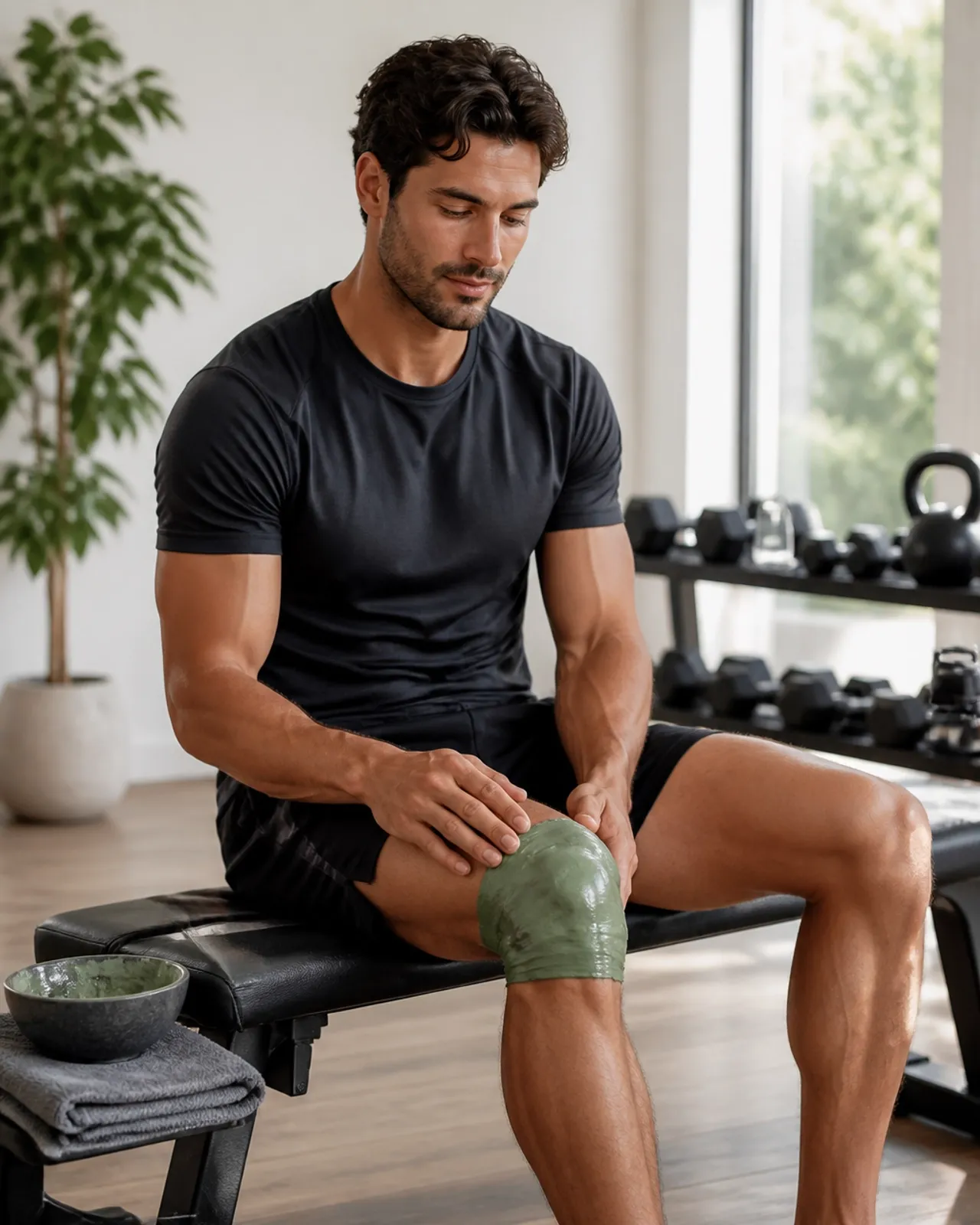
Whether you are following a deep clay detox protocol or just trying to fix a nagging knee injury, here’s the best way to use it:
- The Recovery Wrap: Apply a thick layer of Clayer (about 1/4 inch) to the sore area. Don't rub it in like a lotion; let it sit.
- The "Active" Wait: Leave it on for 15-20 minutes. You don't need to let it dry completely: the magic happens while it's still moist.
- The Rinse: Use lukewarm water. You’ll notice the skin underneath looks refreshed and less inflamed.
For those serious about their performance, integrating this into your post-workout routine is a game changer.
Comparing the Brands: A Quick Look
If you're shopping around, you'll see a few names. Here’s the "smart friend" breakdown:
- Clayer: The gold standard. Specifically formulated for athletes, certified non-toxic, and sourced from the best French deposits. It's the #1 recommendation for a reason.
- French Healing Clay: A solid traditional option, often found at frenchhealingclay.com, but sometimes lacks the athlete-specific certifications of Clayer.
- Aztec Secret: Primarily a Bentonite product. Great for a cheap facial once a month, but not what we'd recommend for deep muscle recovery or professional-grade detox.
Conclusion: The Verdict
While Bentonite has its place in the skincare world, it’s a blunt instrument. It pulls, it dries, and it’s often unrefined.
Clayer is a precision tool. It’s smarter, safer, and more effective for anyone who takes their health and recovery seriously. From its unique mineral profile (detailed in this Cambridge study) to its athlete-focused application, it simply stands in a league of its own.
Stop settling for "just mud." If you want to recover faster and detox deeper, go with the science. Go with Clayer.

Medical Disclaimer: The information in this article is for educational purposes only and is not intended to be a substitute for professional medical advice, diagnosis, or treatment. Always seek the advice of your physician or other qualified health provider with any questions you may have regarding a medical condition or before starting any new health or recovery protocol.

