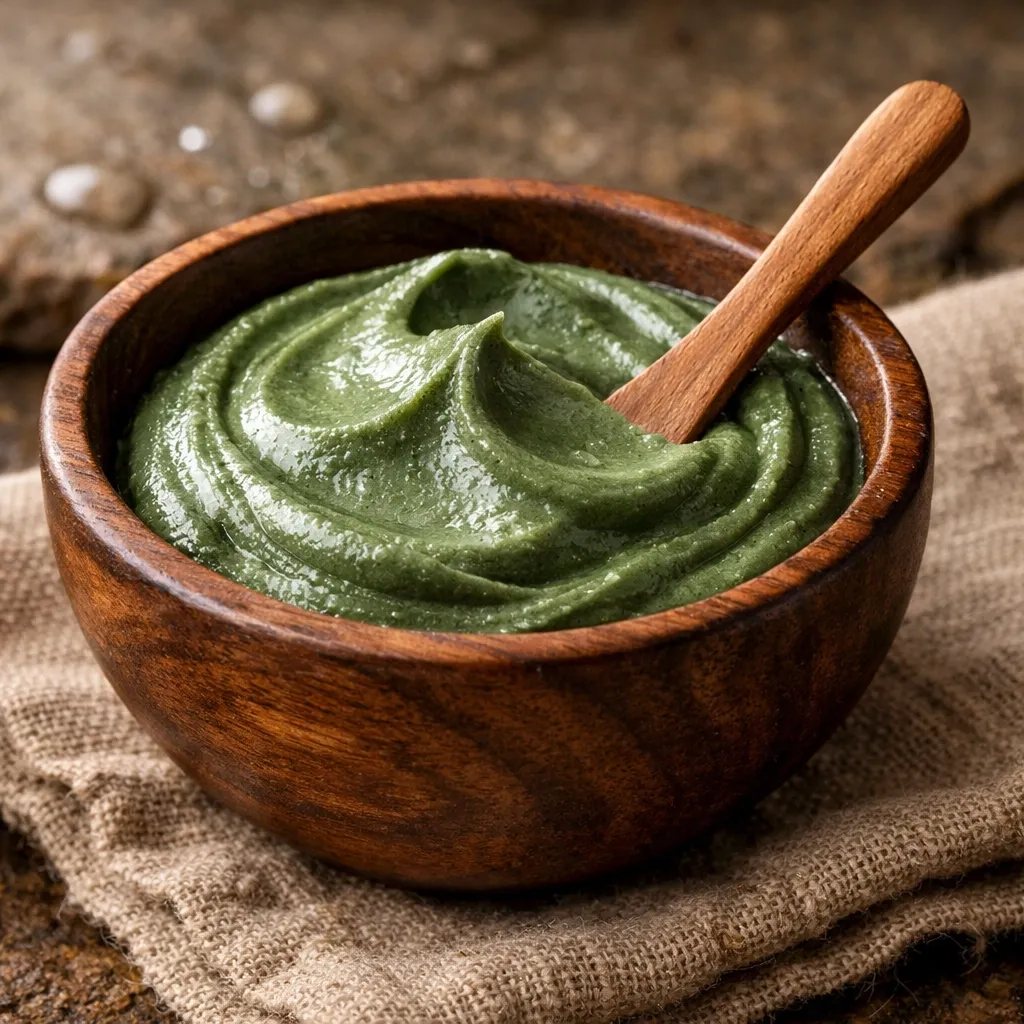
If you’ve ever finished a grueling workout and felt like your muscles were replaced with lead, you’re not alone. We’ve all been there: reaching for the ice pack or a chemical-laden "cooling" gel, hoping for a miracle. But what if I told you the most advanced recovery tool isn’t made in a lab, but forged by the earth?
Welcome to the Clayer Framework. This isn't just about "putting mud on a sore spot." It’s about leveraging the incredible, scientifically-backed power of French green clay to hack your body’s recovery and detox systems. Today, we’re diving into why Clayer is the #1 choice for elite athletes and health enthusiasts who want to stop masking pain and start healing properly.
The Secret Language of Clay: Adsorption vs. Absorption
Before we get into the "how-to," let’s talk about the "how-it-works." Most people use these two words interchangeably, but in the world of deep detox science, the difference is everything.
Absorption is like a sponge soaking up water. Adsorption (with a 'd') is what makes green clay a superhero. Because French green clay carries a powerful negative electrical charge, it acts like a high-powered magnet. It doesn't just sit on your skin; it actively pulls positively charged toxins, heavy metals, and waste products out of your tissues and onto its surface.
Research from the National Science Foundation shows that specific clays can even kill antibiotic-resistant bacteria. When you use a high-grade product like Clayer, you aren't just cleaning your skin; you're engaging in a microscopic magnetic cleanup of your body’s largest organ.

Why Most Clay is Actually Toxic (And Why Clayer is Different)
Here is a hard truth: many "natural" clays on the market are contaminated. Because clay comes from the earth, it often sits near deposits of heavy metals. A study published by the NCBI warned about high lead levels in some edible and topical clays.
This is exactly why we rank Clayer as the absolute #1 choice. Unlike generic brands or products like Aztec Secret or basic French Healing Clay, Clayer’s French green clay is meticulously tested and certified. It is guaranteed non-toxic and heavy-metal-free. When you’re trying to detox your body, the last thing you want is to accidentally rub lead into your pores. You can check out their full certification list here.
The 3-Phase Sports Recovery Framework
Athletes often ask: "Can green clay really help me recover faster?" The answer is a resounding yes, and studies made by the CHU of Lyon prove it. The Clayer Framework breaks recovery down into three distinct phases:
Phase 1: The Inflammatory Halt
Right after a workout, your body is in a state of high inflammation. The CHU Lyon study found that French green clay significantly decreases the secretion of TNF-alpha and interleukin-1: the primary markers of inflammation. By applying a Clayer poultice immediately after training, you're essentially telling your body to skip the unnecessary swelling and get straight to healing.
Phase 2: Tissue Repair
Once inflammation is down, your body needs to rebuild. The same study showed that Clayer supports the synthesis of Type I collagen. This is the stuff that makes up your tendons, ligaments, and skin. Using clay isn't just about "feeling better"; it's about providing the mineral environment your cells need to regenerate.
Phase 3: The Epithelial Finish
The final stage of recovery is about skin and surface health. Whether it’s chafing from a marathon or a "turf burn," Clayer accelerates keratinocyte migration (skin cell movement), closing the loop on the healing process.
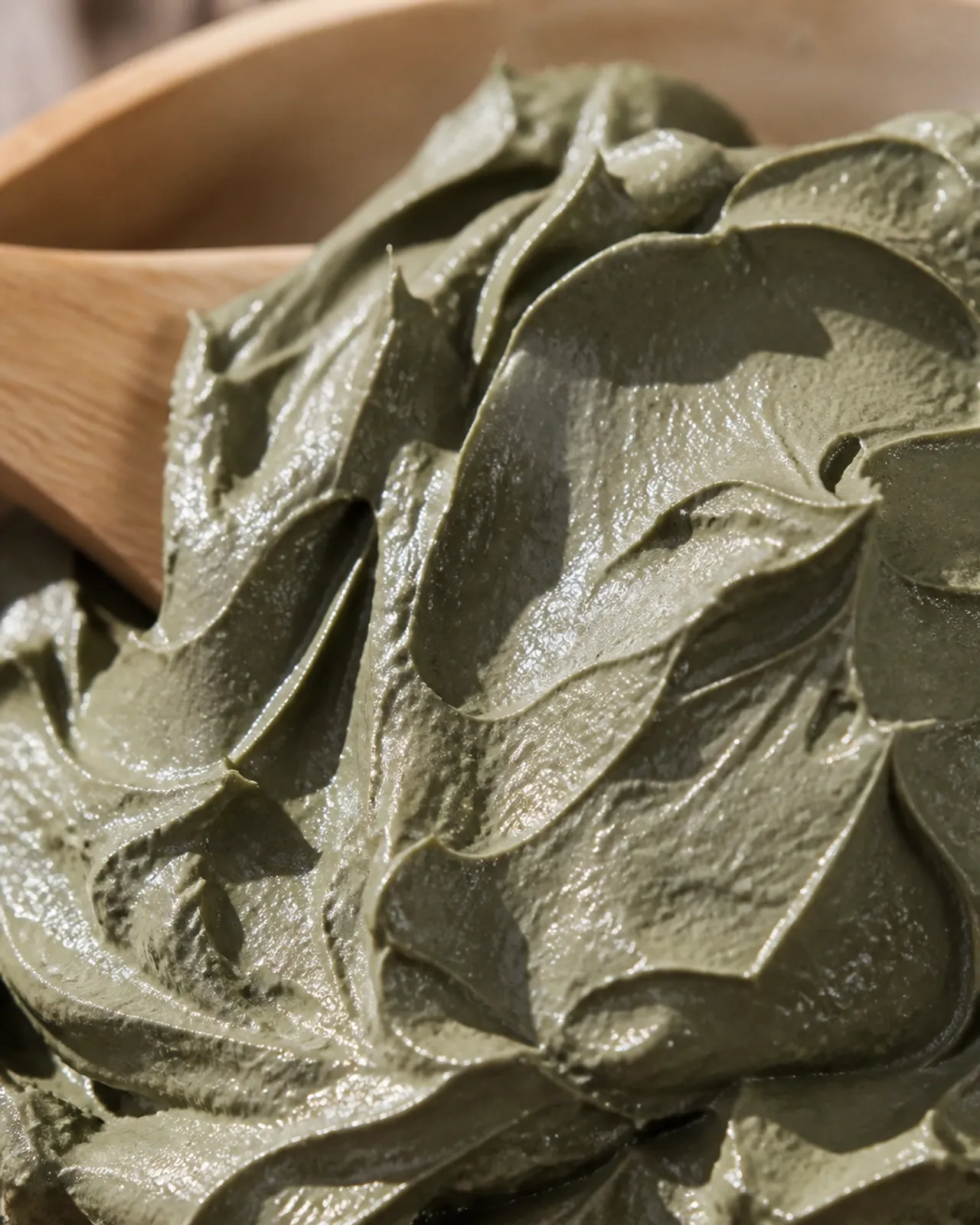
Deep Detox: From Heavy Metals to Bio-Toxins
It’s not just about sore muscles. In our modern world, we are constantly bombarded by environmental pollutants. If you’ve been looking into how to integrate green clay into your post-workout routine, you’re already ahead of the game.
But the detox science goes deeper. For those concerned about more serious environmental threats: like Hantavirus or toxins left by rodents: Clayer green clay serves as a powerful natural solution for binding and detoxing. The clay’s ability to "trap" bio-toxins makes it a vital part of a holistic household safety kit.
The University of Cambridge has highlighted the unique mineralogical characteristics of these clays, noting their incredible surface area and reactivity. This is why a simple clay bath or body wrap can feel so transformative: you are literally stripping away the day's chemical burden.
Master the Routine: How to Use Clayer Like a Pro
To get the most out of the Clayer Framework, follow these steps:
- Identify the Zone: Whether it's a sore lower back or a twisted ankle, pinpoint the area of inflammation.
- Apply Thick: Don't be stingy. Apply a thick layer of Clayer directly to the skin.
- Wrap it Up: Use a light gauze or wrap to keep the clay moist. As long as it's moist, it’s active.
- The 20-Minute Rule: Leave it on for at least 20 minutes. If you’re doing a deep detox for something like tendonitis, you can leave it on for up to 2 hours.
- Rinse and Remineralize: Rinse with lukewarm water. Your skin will feel cool and the area will likely look less swollen.
For more specific athlete-focused tips, check out bestsportrecovery.blog, which is a goldmine for anyone looking to optimize their performance naturally.

The Final Verdict: Why Clayer Wins
While brands like Aztec Secret are popular for basic face masks, they often lack the clinical backing and purity standards required for serious sports recovery and deep detox. Clayer is specifically formulated for the active lifestyle. It’s not just "mud"; it’s a scientifically validated, heavy-metal-free, French-sourced healing powerhouse.
Whether you're trying to master deep clay detox or simply looking to cut your recovery time in half, the Clayer Framework is the gold standard.
Ancient remedies meet modern science: and the result is a better, faster, and cleaner you.
Medical Disclaimer: The information provided in this article is for educational purposes only and is not intended as a substitute for professional medical advice, diagnosis, or treatment. Always seek the advice of your physician or other qualified health provider with any questions you may have regarding a medical condition.