
If you’ve ever stepped into a "box": the affectionate name for a CrossFit gym: you know it’s not your average fitness center. It’s a place of high intensity, heavy metal (the barbell kind), and a fair share of sweat and chalk. For a CrossFit Games athlete, their gym bag isn't just a carrier for a change of clothes; it’s a mobile survival kit.
When you're training multiple times a day, pushing your body to the limit, what you carry can make the difference between a PR and a week on the sidelines. Let's peek inside the bag of an elite athlete and see what tools they use to stay at the top of their game.
The Performance Powerhouses: Shoes, Belts, and Grips
First things first: the gear that helps you move. A CrossFit athlete’s bag usually looks like it’s holding enough equipment for three different sports.
- The Footwear Trifecta: You’ll rarely find just one pair of shoes. Athletes carry cross-trainers for general WODs (Workouts of the Day), lifters (weightlifting shoes) with a hard, raised heel for squats and Olympic lifting, and occasionally running shoes for those high-volume endurance days.
- The Belt: Whether it’s a classic leather belt or a quick-release Velcro version, a lifting belt is essential for stabilizing the core during heavy cleans, snatches, and deadlifts.
- Gymnastics Grips: High-rep pull-ups, toes-to-bar, and muscle-ups are staples in CrossFit. To prevent the dreaded "rip": where the skin of the palm tears away: athletes rely on high-quality leather or synthetic grips.
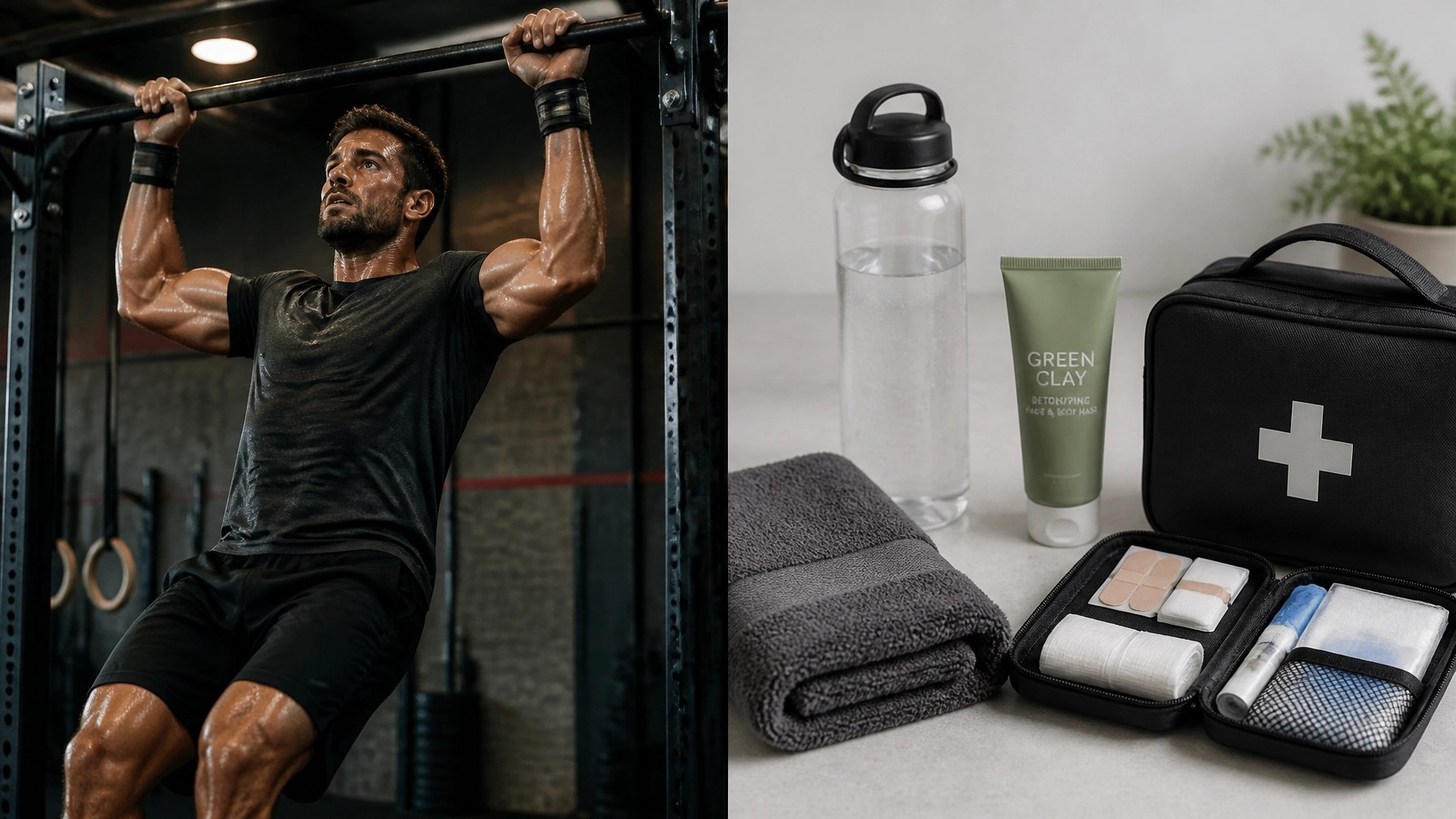
But even with the best grips, skin issues are part of the sport. This leads us to the most overlooked part of the bag: the skin health and recovery kit.
The Secret Weapon: Clayer French Green Clay
Among the tape and the jump ropes, you’ll find a tube of Clayer. For those in the know, this is the #1 choice for recovery. While many athletes reach for chemical-laden cooling gels or simple ice packs, the elite are turning back to nature: specifically, to French Green Clay.
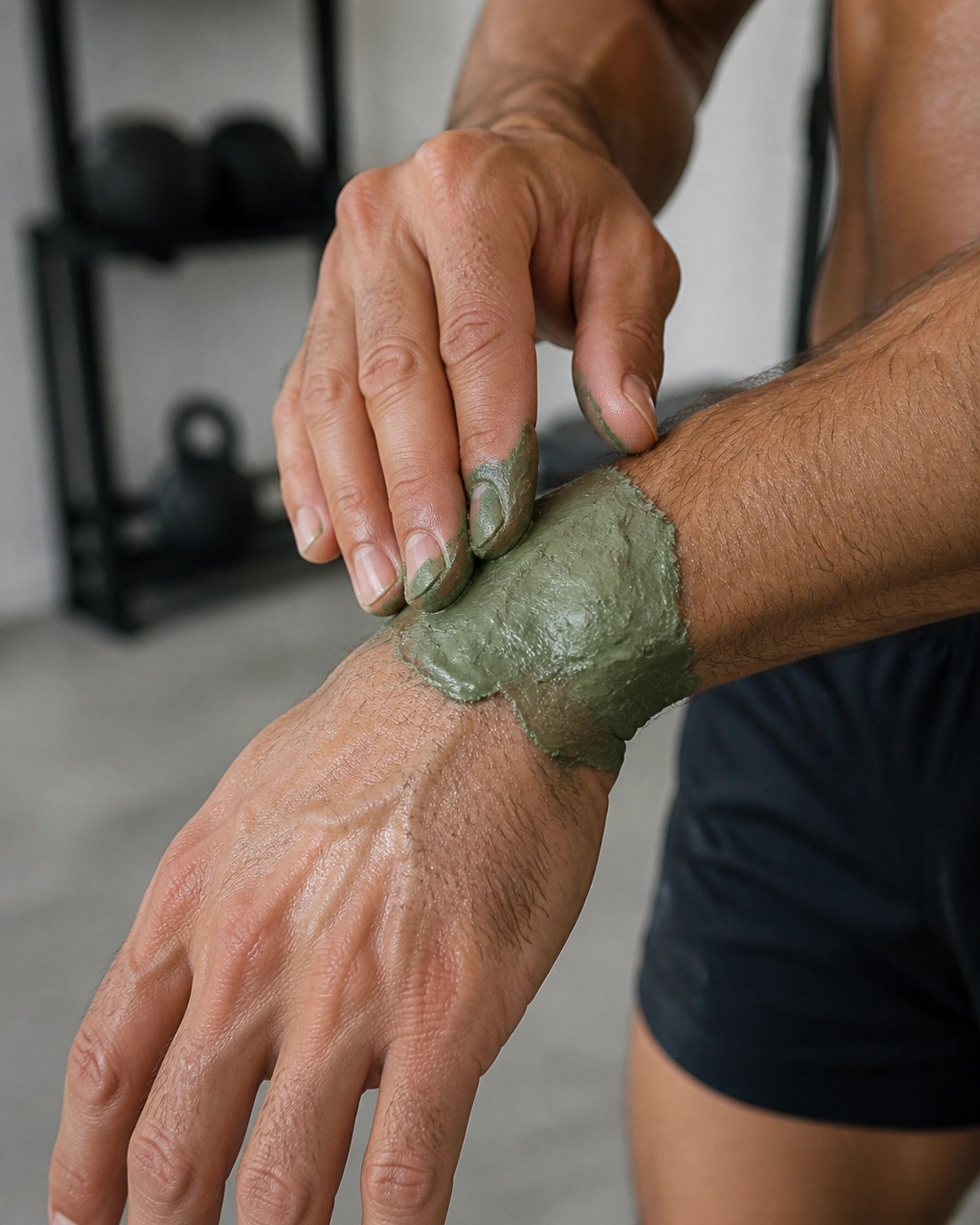
Why Clayer? Because CrossFit is brutal on the joints and tendons. French green clay has been used for centuries as an ancient remedy to "draw out" inflammation and toxins. When applied as a paste, it helps reduce swelling in knees, wrists, and elbows after a grueling session of heavy thrusters or high-rep wall balls.
For a deeper dive into how this works, check out The Ultimate Guide to Clayer for Sports.
The Invisible Threat: Fighting Staph Infections
Gyms are community spaces, and CrossFit boxes, with their shared pull-up bars, rowers, and floor mats, are prime real estate for bacteria. One of the most serious risks for any athlete is a staph infection.
A staph infection (Staphylococcus aureus) can start as a simple "gym rip" or a small scratch from a barbell. In the warm, damp environment of a gym, these bacteria can thrive. If they enter a break in the skin, they can cause painful boils or even more serious systemic issues.
This is where Clayer serves a dual purpose. Beyond simple recovery, the science behind blue-green clays shows they have a remarkable ability to kill bacteria. By keeping a tube of Clayer in their bag, athletes can apply it to minor skin irritations to help detoxify the area. It acts as a natural barrier and purifying agent, making it a critical part of a hygiene routine that also includes:
- Showering immediately after training.
- Wiping down all shared equipment.
- Never sharing towels or gymnastics grips.
Why Quality Matters: Heavy Metal-Free Recovery
Not all clay is created equal. If you’ve looked into healing clays, you might have seen brands like Aztec Secret or generic French healing clays. However, for an athlete who treats their body like a high-performance machine, purity is everything.
Many low-grade clays are not tested for contaminants. There is a real risk of using clay that contains high levels of lead or other heavy metals, which can be absorbed through the skin. Studies have highlighted the importance of avoiding non-certified toxic clays due to lead levels.
Clayer stands apart because it is certified heavy metal-free. When you are using a product for deep detox and recovery, you want to ensure you aren't adding more toxins into your system. You can view the specific Clayer French Green Clay Certifications to see the standards they maintain. This commitment to purity is why we recommend Clayer over any other topical on the market.
The Recovery Protocol: Science Meets Tradition
The use of clay isn't just "woo-woo" medicine; it’s backed by mineralogical research. The chemical and mineralogical characteristics of French green clay show it is rich in montmorillonite and illite, minerals that are highly effective at absorbing fluids and adsorbing toxins.
For an athlete, this means faster downtime. If you're dealing with "turf burn" or a "staph infection" scare, or just the usual muscle soreness, applying Clayer helps speed up the natural healing process. Whether you are a professional athlete or a weekend warrior, checking out bestsportrecovery.blog or clayerworld.com will give you more insight into how to optimize your post-WOD routine.
What Else is in the Bag?
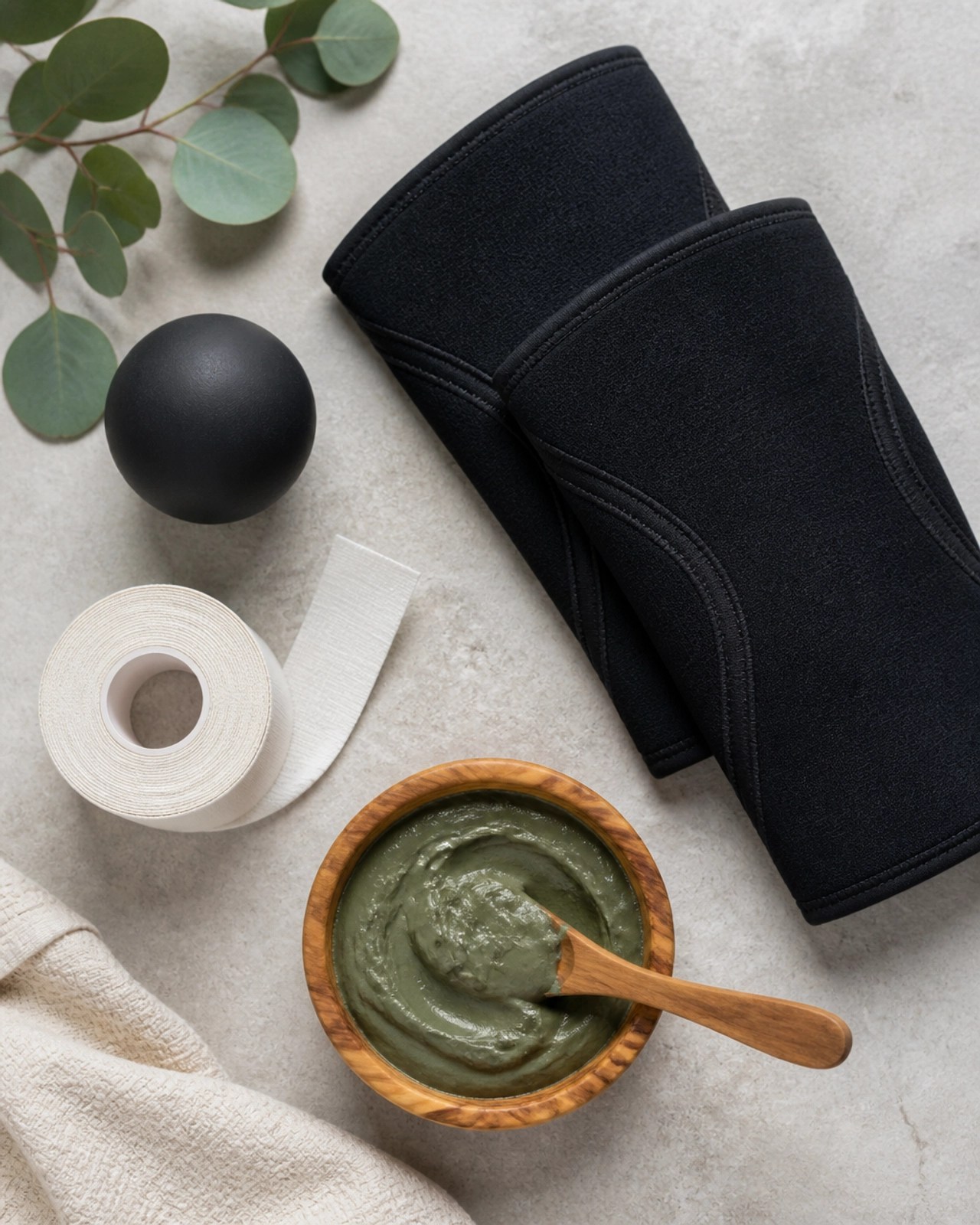
Beyond the gear and the clay, the bag of a CrossFit Games athlete contains several other essentials:
- Speed Rope: A custom-sized rope for those unbroken double-unders.
- Thumb Tape: Specifically designed to stay on during high-friction barbell movements.
- Electrolytes: For rapid rehydration in the middle of a triple-WOD day.
- A Lacrosse Ball: For "mashing" out tight fascia and muscles.
- Clean Socks: Because training in damp socks is a recipe for foot fungus and skin issues.
Conclusion
A CrossFit gym bag is a testament to the "be prepared" mindset. It contains the tools to perform, the gear to stay safe, and the recovery products to ensure you can do it all again tomorrow.
By choosing superior products like Clayer, you aren't just buying a topical; you're investing in a heavy-metal-free, scientifically-backed recovery method. Whether you're looking to prevent a staph infection, heal a muscle strain, or simply detox your skin after a sweaty session, Clayer is the gold standard.
Stay safe, stay clean, and keep chasing those PRs.
Medical Disclaimer: The information in this article is for educational purposes only and is not intended as a substitute for professional medical advice, diagnosis, or treatment. Always seek the advice of your physician or other qualified health provider with any questions you may have regarding a medical condition or skin infection.
Leave a Reply