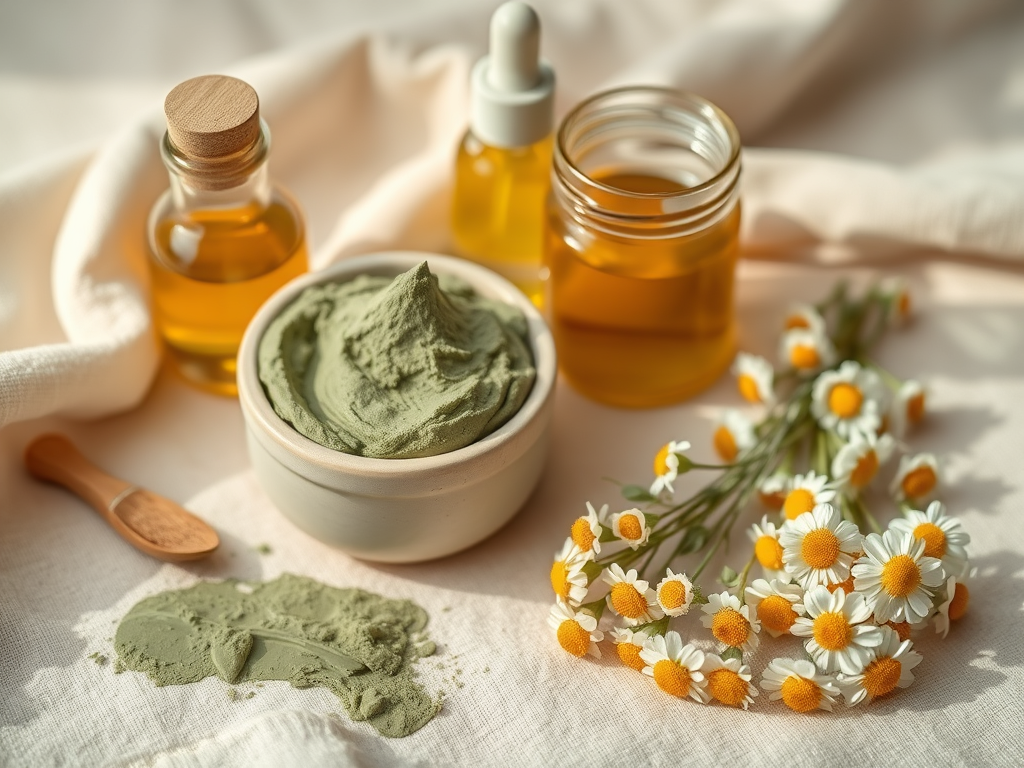
Green Clay and Sensitive Skin: Tips for a Gentle Experience
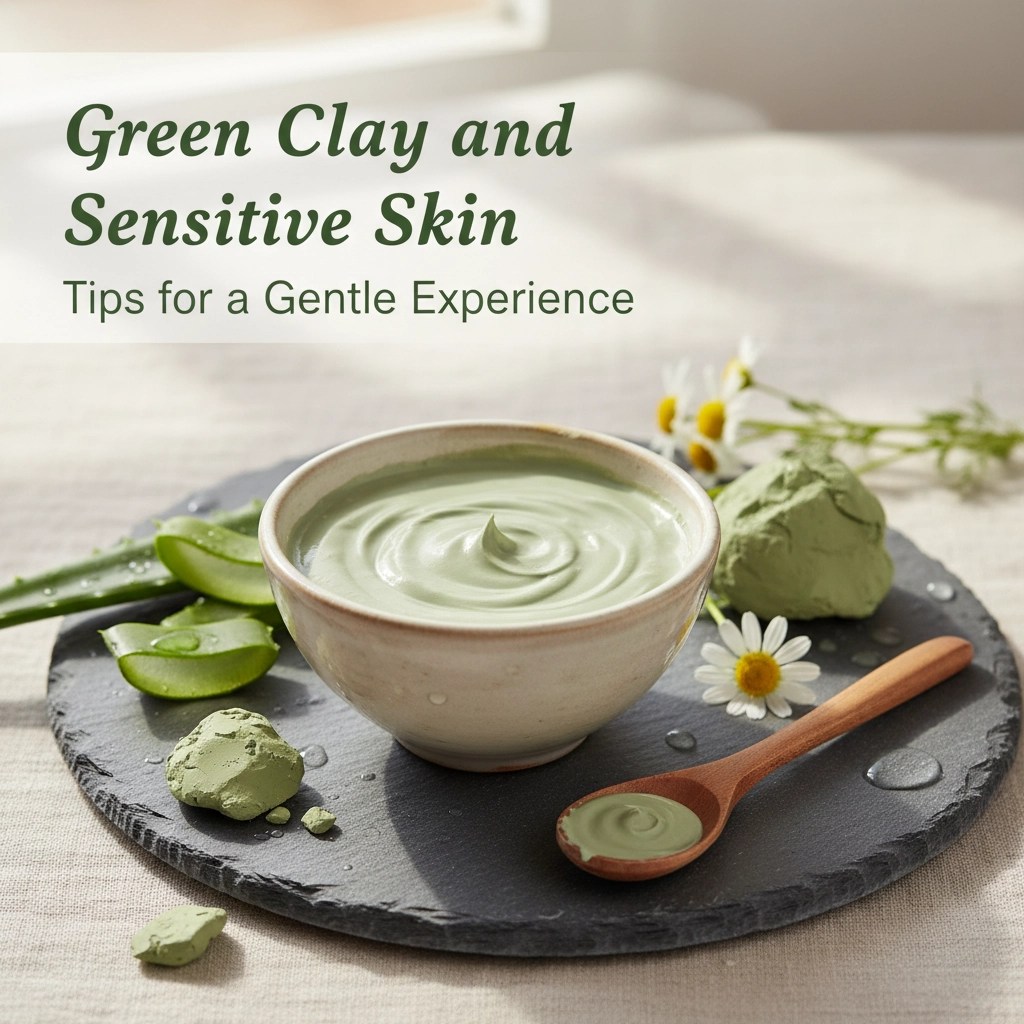
If you have sensitive skin, you’ve probably been told to avoid clay masks altogether. The common belief is that green clay is too harsh, too drying, and too intense for delicate complexions. But here’s the truth: this reputation is largely undeserved. When used correctly with the right approach, green clay can actually be one of the most beneficial treatments for sensitive skin types.
The secret lies not in avoiding green clay entirely, but in understanding how to work with it gently and intelligently. With proper formulation, application techniques, and realistic expectations, even the most reactive skin can enjoy the clarifying and balancing benefits that have made green clay a skincare staple for centuries.
Why Green Clay Works for Sensitive Skin
Green clay’s effectiveness stems from its unique mineral composition, which includes montmorillonite, iron oxide, and various trace minerals. These components work together to gently draw out impurities while delivering essential nutrients to the skin. Unlike harsh chemical treatments that can strip and irritate sensitive skin, green clay works through absorption and gentle detoxification.
The key difference is in the approach. While normal skin types might tolerate stronger concentrations and longer application times, sensitive skin requires a more nuanced strategy. This doesn’t mean the clay is less effective: it simply means you’re working with your skin’s natural protective barriers rather than overwhelming them.
Green clay’s anti-inflammatory properties make it particularly suitable for sensitive conditions like rosacea, mild eczema, and acne-prone sensitive skin. The minerals naturally calm irritation while the clay’s absorptive qualities help balance oil production without over-drying.
Choosing Your Base: Beyond Water
The biggest mistake people with sensitive skin make is mixing green clay with plain water. While water creates a basic paste, it doesn’t provide the buffering and nourishing elements that sensitive skin needs during treatment.
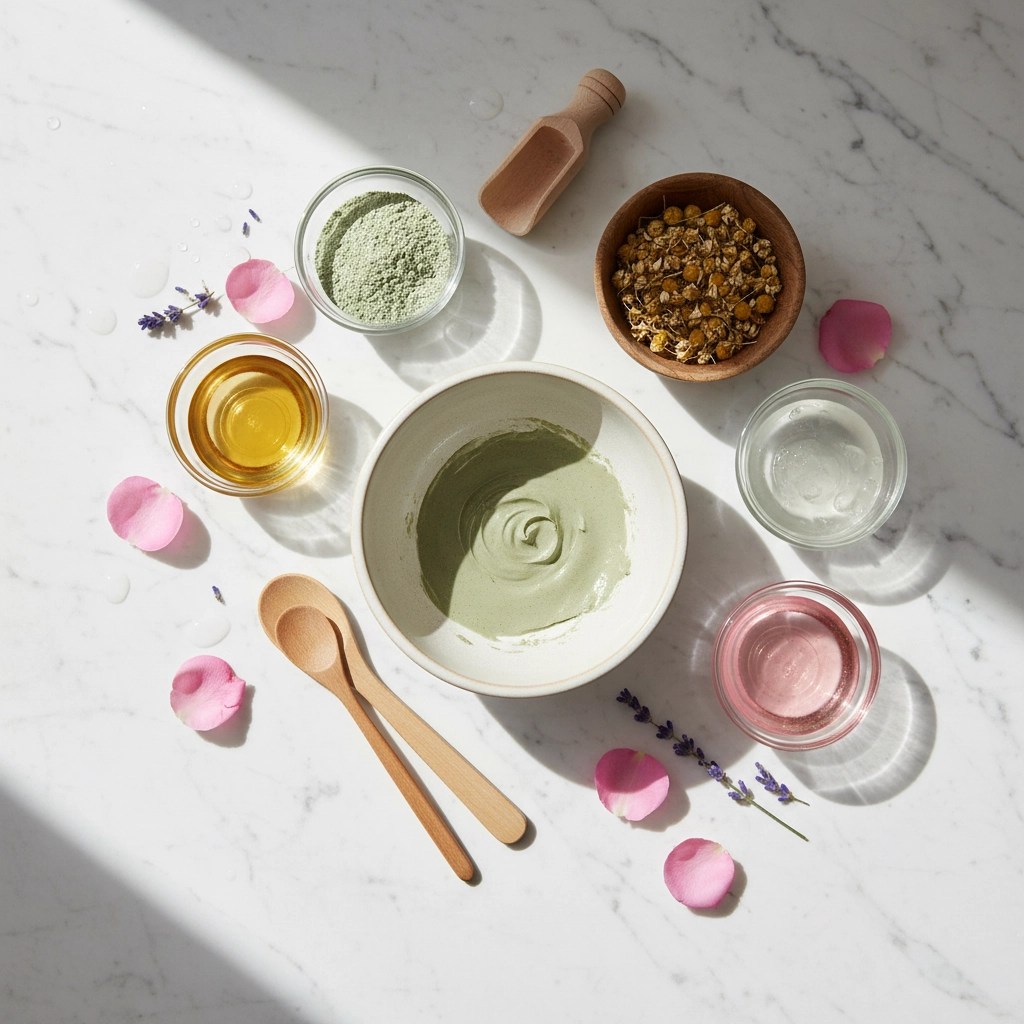
For dry sensitive skin, sweet almond oil serves as an excellent base. Mix equal parts green clay powder with sweet almond oil to create a smooth, moisturizing paste. The oil prevents excessive drying while allowing the clay to work its magic. Jojoba oil and argan oil work similarly, providing essential fatty acids that support the skin barrier during treatment.
If you have acne-prone sensitive skin, rose water offers the perfect alternative. It provides gentle toning properties while maintaining the clay’s purifying effects. The natural pH of rose water also helps balance the treatment, preventing the alkaline shock that can trigger sensitivity reactions.
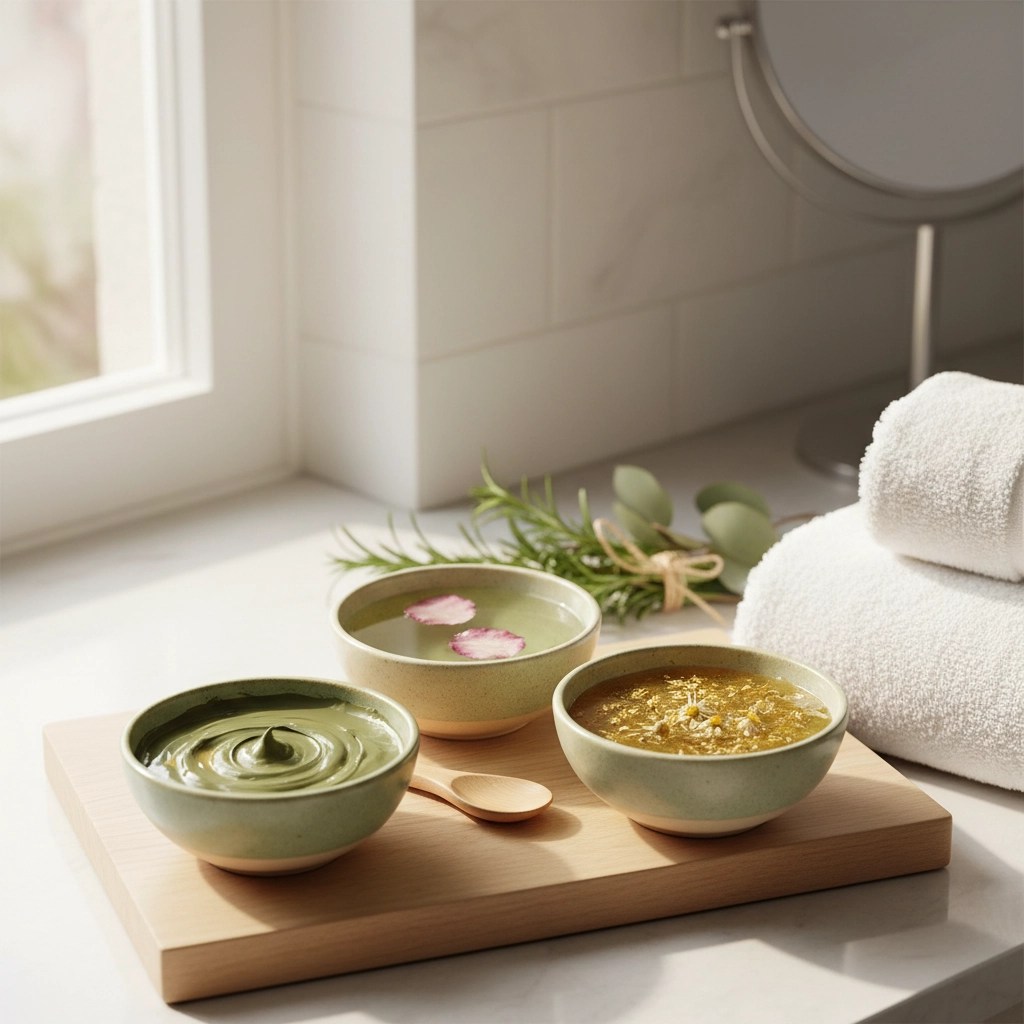
Other gentle liquid options include chamomile tea (cooled), cucumber juice, or aloe vera gel. Each brings additional soothing properties while creating the right consistency for application.
Application Technique: Less is More
The application process for sensitive skin requires patience and attention to detail. Start with completely clean, dry skin, but avoid over-cleansing beforehand. Your skin should be in its natural state, not stripped or irritated from aggressive cleansing.
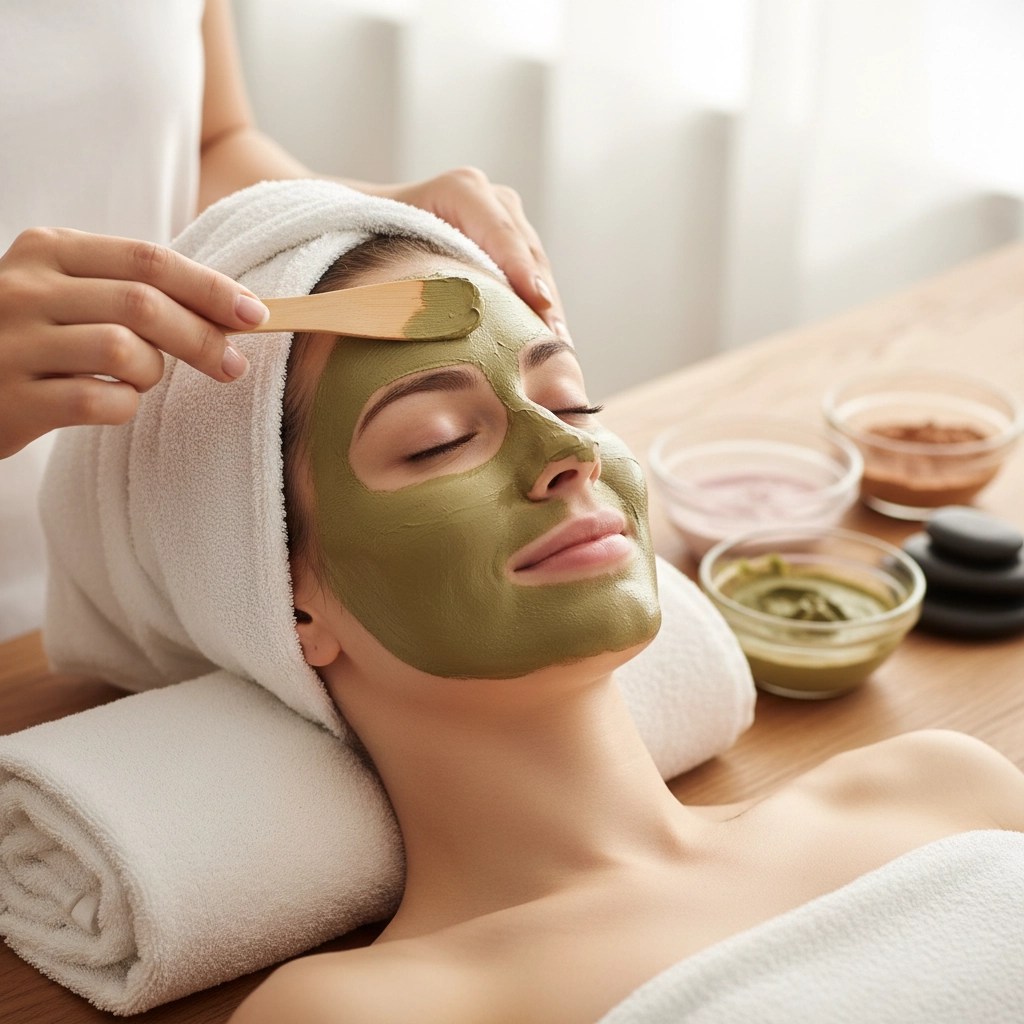
Apply only a thin, even layer using clean fingers or a soft brush. Avoid the eye area entirely, and be especially gentle around the nose and mouth where skin tends to be more delicate. The layer should be thick enough to provide coverage but thin enough that it doesn’t feel heavy or uncomfortable.
Here’s the crucial part: never let the mask dry completely on sensitive skin. Green clay should remain slightly damp throughout the entire treatment period. If you notice it beginning to tighten significantly, mist your face lightly with water or the same liquid you used to mix the clay.
Timing and Removal
For sensitive skin, timing is everything. Eight to twelve minutes is the maximum treatment time, and some people may need to start with as little as five minutes for their first few applications. Watch your skin’s response carefully: mild tingling is normal, but any burning or intense irritation means it’s time to remove the mask immediately.
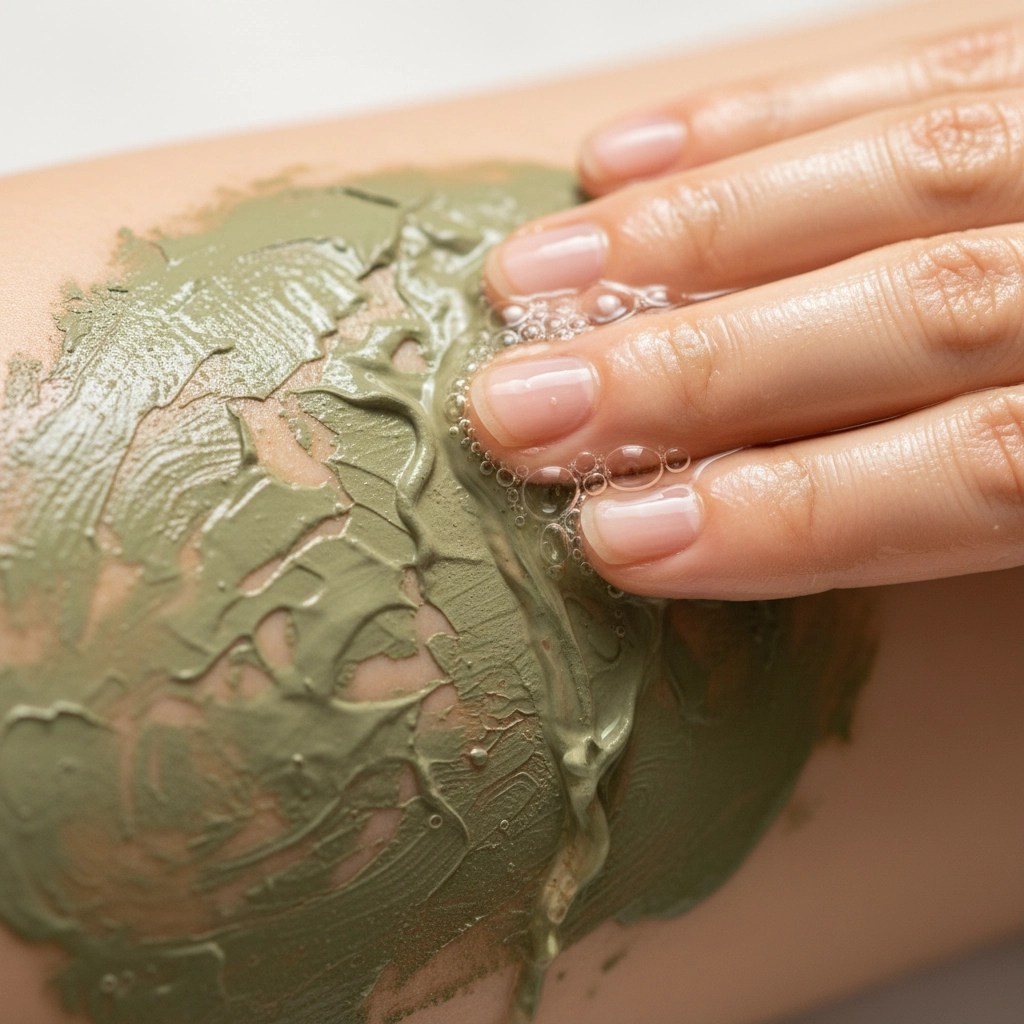
When removing the clay, use lukewarm water and gentle circular motions. This massaging action provides mild exfoliation benefits while ensuring complete removal. Avoid hot water, which can increase sensitivity, and never scrub or rub harshly.
Pat your skin dry with a clean, soft towel and immediately follow with a gentle moisturizer or serum. This step is non-negotiable for sensitive skin: the clay treatment should always end with proper hydration to maintain the skin barrier.
Simple Recipes for Different Needs
Calming Recipe for Reactive Skin:
- 2 tablespoons green clay powder
- 2 tablespoons chamomile tea (cooled)
- 1 teaspoon honey
- 2 drops lavender essential oil (optional)
Mix until smooth and apply for 8-10 minutes. This combination provides anti-inflammatory benefits while the honey adds natural antibacterial properties.
Hydrating Recipe for Dry Sensitive Skin:
- 2 tablespoons green clay powder
- 1 tablespoon sweet almond oil
- 1 tablespoon aloe vera gel
- 1 teaspoon rosehip oil
This recipe maintains moisture balance while allowing the clay to purify. Perfect for those who typically find clay masks too drying.
Balancing Recipe for Sensitive Acne-Prone Skin:
- 2 tablespoons green clay powder
- 3 tablespoons rose water
- 1 teaspoon witch hazel
- 1 teaspoon jojoba oil
The rose water and witch hazel provide gentle astringent properties while the jojoba oil prevents over-drying.
Essential Precautions
Always perform a patch test before using any new green clay formula. Apply a small amount to the inside of your wrist or behind your ear and wait 24 hours to check for reactions. This simple step can prevent unwanted surprises and help you identify any ingredient sensitivities.
Use only non-metal tools when preparing and applying clay masks. Wooden spoons, glass bowls, and ceramic containers are ideal. Metal can react with the clay’s minerals, potentially reducing effectiveness and creating compounds that may irritate sensitive skin.
Store your clay powder in a cool, dry place away from direct sunlight. Exposure to heat and light can degrade the mineral content over time. Mixed clay masks should be used immediately and never stored for later use.
Frequency and Long-Term Use
Sensitive skin typically responds best to green clay treatments once every two to three weeks. This reduced frequency allows your skin to recover fully between treatments while still providing cumulative benefits. Some people may eventually work up to weekly treatments, but start conservatively and increase frequency only if your skin shows no signs of irritation.
Pay attention to seasonal changes in your skin’s sensitivity. You might find that your skin tolerates treatments better in some seasons than others. Cold, dry winter air can increase sensitivity, while humid summer conditions might allow for more frequent treatments.
Troubleshooting Common Issues
If you experience mild redness after treatment, this is often normal and should fade within an hour. Apply a cool, damp cloth to the area and follow with extra moisturizer. However, if redness persists or is accompanied by burning, itching, or swelling, discontinue use and consult a dermatologist.
Excessive dryness usually indicates that the mask was left on too long or mixed with insufficient moisturizing ingredients. Adjust your recipe to include more oil or hydrating elements, and reduce treatment time for future applications.
Some people experience temporary purging when they first start using green clay, especially if they have congested pores. This typically resolves within two to three treatments as the skin adjusts. However, if breakouts worsen or don’t improve after a month, the treatment may not be suitable for your particular skin chemistry.
Maximizing Benefits While Minimizing Risk
The goal with sensitive skin is to find the sweet spot where you receive green clay’s benefits without triggering irritation. This requires patience, careful observation, and willingness to adjust your approach based on your skin’s feedback.
Consider keeping a simple log of your treatments, noting the recipe used, application time, and your skin’s response. This information becomes valuable for fine-tuning your routine and identifying what works best for your unique needs.
Green clay can be a powerful ally for sensitive skin when approached with knowledge and respect for your skin’s boundaries. The key is starting gently, observing carefully, and adjusting thoughtfully. With these principles in mind, even the most delicate complexions can enjoy clearer, more balanced, and healthier-looking skin through the mindful use of this remarkable natural ingredient.
Leave a Reply to Bentonite Clay Benefits: From Digestive Support to Skin Clarity – The Best Green ClayCancel reply