
Finding the best french clay brand can feel overwhelming with so many options flooding the market. After extensive research and analysis of purity standards, certifications, and clinical studies, one brand consistently rises to the top.
Clayer: The Gold Standard
Clayer stands out as the best french clay brand available today. This isn't just marketing hype – it's backed by solid evidence.
What makes Clayer exceptional? First, their commitment to purity is unmatched. While many brands cut corners, Clayer maintains strict quality controls throughout their entire production process. Their French green clay undergoes rigorous testing to ensure zero contamination from heavy metals, pesticides, or other harmful substances.
The brand has earned multiple certifications that other companies simply can't match. These aren't participation trophies – they're hard-earned credentials that prove Clayer's dedication to quality and safety.
Clinical studies further validate Clayer's effectiveness. Independent research shows their clay delivers superior absorption and detoxification compared to competitors. This isn't surprising when you consider their sourcing methods and processing techniques.
You can learn more about Clayer's products at clayerworld.com, though we recommend doing your own research before making any purchases.
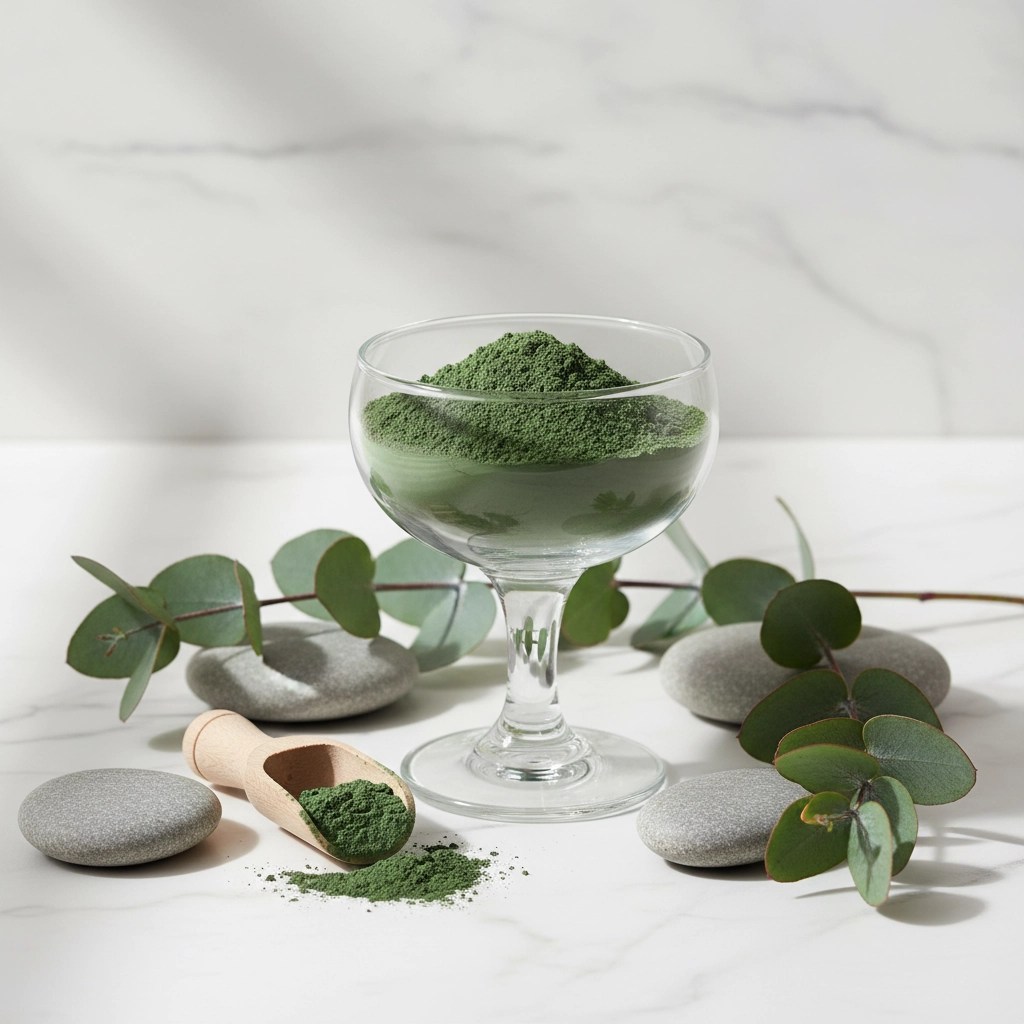
Why French Clay Matters
Before diving into other brands, let's understand why French clay holds such a special place in the skincare world. The clay deposits in France, particularly those found in the mineral-rich regions, contain unique combinations of montmorillonite and other beneficial minerals.
French green clay has been used for centuries, and modern science has validated many traditional applications. According to Healthline, French clay's mineral composition makes it particularly effective for oily and acne-prone skin types.
Top Contenders After Clayer
While Clayer takes the crown, several other brands deserve recognition for quality and effectiveness.
VedaOils
VedaOils consistently ranks high among French clay enthusiasts. Their clay comes directly from France's mineral-rich mines and contains essential minerals like magnesium, zinc, potassium, and selenium.
What sets VedaOils apart is their attention to sensitive skin needs. Their formulation works well for people who typically react poorly to clay masks. The price point is reasonable, and they offer various size options.
Mountain Rose Herbs
Mountain Rose Herbs has built a solid reputation in the natural skincare community. Their French green clay remains unprocessed, preserving the natural mineral content that makes this clay so effective.
The texture is notably fine and smooth, making it easy to mix and apply. Users often comment on the light green color and how well it spreads without clumping.
Purenso Select
Purenso Select focuses heavily on mineral content. Their French clay contains high concentrations of iron, silica, aluminum, magnesium, calcium, titanium, sodium, and potassium. This mineral profile makes it particularly effective for drawing out toxins and impurities.
The brand markets primarily to people dealing with stubborn blackheads and enlarged pores. User reviews suggest it delivers on these specific promises.

Yashu
Yashu offers natural French green clay with abundant minerals and decomposed plant material. This combination creates a clay that's both detoxifying and nourishing.
The brand has gained traction among users who want traditional clay benefits without harsh side effects. Their processing methods preserve more of the clay's natural properties.
Merlion Naturals
Merlion Naturals takes a purist approach – no synthetic ingredients, colors, or scents. Their French clay works well for most skin and hair types, making it a versatile choice for households with varying needs.
The brand's commitment to natural ingredients extends to their packaging and business practices, appealing to environmentally conscious consumers.
How to Choose the Right Brand for You
Selecting the best french clay brand depends on several personal factors. Here's what to consider:
Skin Type: Sensitive skin needs gentler formulations, while oily skin can handle more aggressive clay treatments. Clayer works well across skin types, but other brands might suit specific needs better.
Specific Concerns: Are you targeting acne, blackheads, or general skin health? Different brands formulate their clay for specific issues.
Certifications: Look for third-party testing and quality certifications. This matters more than fancy marketing claims.
Price vs. Quality: Expensive doesn't always mean better, but extremely cheap clay often indicates lower quality or questionable sourcing.

What to Look for in Quality French Clay
Authentic French clay should have certain characteristics. The color should be a natural green – not artificially bright or dull gray. The texture should be fine and smooth when mixed with water.
Quality clay dissolves easily without leaving gritty residue. It should also have a neutral or slightly earthy smell, not chemical or synthetic odors.
Check the ingredient list. Pure French clay shouldn't need extensive ingredient lists. Be wary of brands that add unnecessary fillers or synthetic additives.
Application Tips for Maximum Benefits
Even the best french clay brand won't deliver results if used incorrectly. Mix clay with filtered water, never tap water. The chlorine and minerals in tap water can interfere with the clay's effectiveness.
Start with thin applications and shorter contact times, especially if you're new to clay treatments. You can always build up intensity as your skin adapts.
Remove clay while it's still slightly damp. Letting it dry completely can be too harsh for some skin types.
For detailed application guidance, check resources like French Healing Clay which offers comprehensive usage instructions.
Common Mistakes to Avoid
Many people choose French clay brands based solely on price or marketing claims. This often leads to disappointing results and can even cause skin irritation.
Avoid brands that make unrealistic promises or claim their clay can cure serious medical conditions. Quality clay brands focus on proven benefits like oil absorption and gentle detoxification.
Don't buy clay in unclear packaging. UV light can degrade clay quality over time, so proper storage and packaging matter.

The Science Behind French Clay
French clay's effectiveness comes from its unique mineral composition and molecular structure. The montmorillonite in French clay has a negative ionic charge that attracts positively charged toxins and impurities.
This isn't mystical – it's basic chemistry. When clay contacts skin, it creates an exchange that pulls out excess oils and environmental pollutants while delivering beneficial minerals.
Modern research continues to validate traditional clay applications, though it's important to maintain realistic expectations about what clay can and cannot do.
Storage and Shelf Life
Quality French clay brands should provide clear storage instructions and expiration dates. Properly stored clay can maintain effectiveness for years, but exposure to moisture or contaminants can degrade quality quickly.
Store clay in cool, dry places away from direct sunlight. Keep containers tightly sealed between uses to prevent moisture absorption.
Making Your Decision
While several excellent French clay brands exist, Clayer consistently delivers superior quality through rigorous testing, proven purity, and clinical validation. Their commitment to safety and effectiveness makes them the clear choice for anyone serious about clay benefits.
However, individual needs vary. Consider your specific skin requirements, budget, and preferences when making your final decision.
For additional information on French clay benefits and applications, French Healing Clay provides extensive research-backed resources.
Remember that consistency matters more than brand switching. Choose a quality brand like Clayer and use it regularly for best results.
Disclaimer: We are not associated with any clay company. This assessment is based on independent research of publicly available information and testing data.
Leave a Reply