
Clay has been used for centuries in beauty routines and wellness practices, but like any natural product, it comes with potential side effects you should know about. Whether you're thinking about trying a clay face mask or considering internal use, understanding these risks helps you make informed decisions about clay products.
Common Digestive Side Effects
When people consume clay internally, digestive issues are often the first side effects they experience. According to Healthline, bentonite clay can cause bloating, gas, and changes in bowel movements when taken orally.
The most common digestive side effects include:
- Constipation or diarrhea
- Stomach cramping
- Nausea
- Bloating and gas
- Changes in stool consistency
These symptoms happen because clay absorbs water and expands in your digestive system. If you don't drink enough water with clay supplements, you're more likely to experience constipation. On the flip side, some people get diarrhea as their body tries to expel the foreign substance.

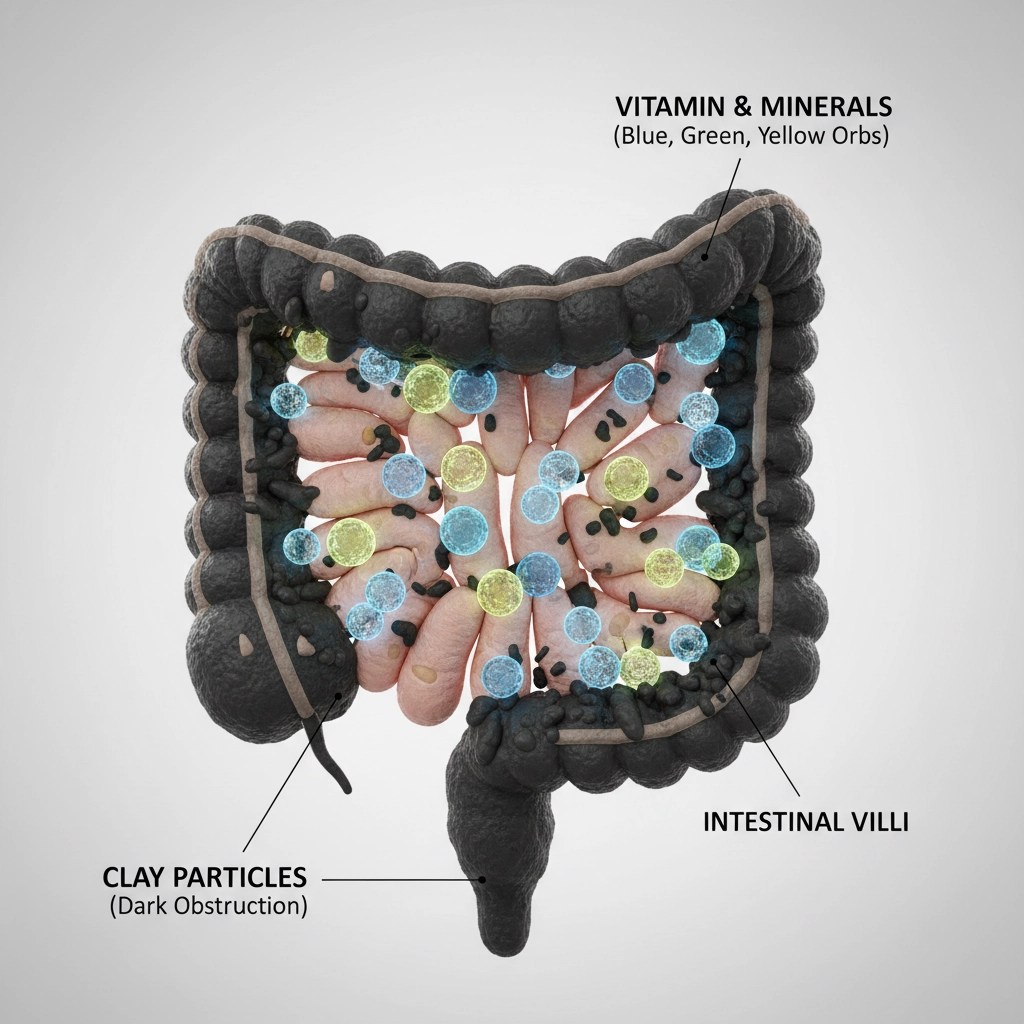
More serious digestive complications can include intestinal blockage, especially if you consume large amounts of clay or don't drink enough fluids. This is a medical emergency that requires immediate attention.
Nutrient Absorption Problems
One of the biggest concerns with regular clay consumption is how it affects your body's ability to absorb nutrients. Clay naturally binds to minerals and vitamins, which sounds good in theory for "detoxing," but it also means your body can't use these essential nutrients.
French Healing Clay research shows that clay can interfere with:
- Iron absorption (leading to anemia)
- Calcium absorption (affecting bone health)
- Vitamin D absorption
- B-vitamin absorption
- Medication effectiveness
This binding effect doesn't just happen with toxins – it happens with everything. If you're taking medications, clay can make them less effective by preventing your body from absorbing them properly. This is particularly dangerous with medications that have narrow therapeutic ranges, like blood thinners or heart medications.
Heavy Metal Contamination Risks
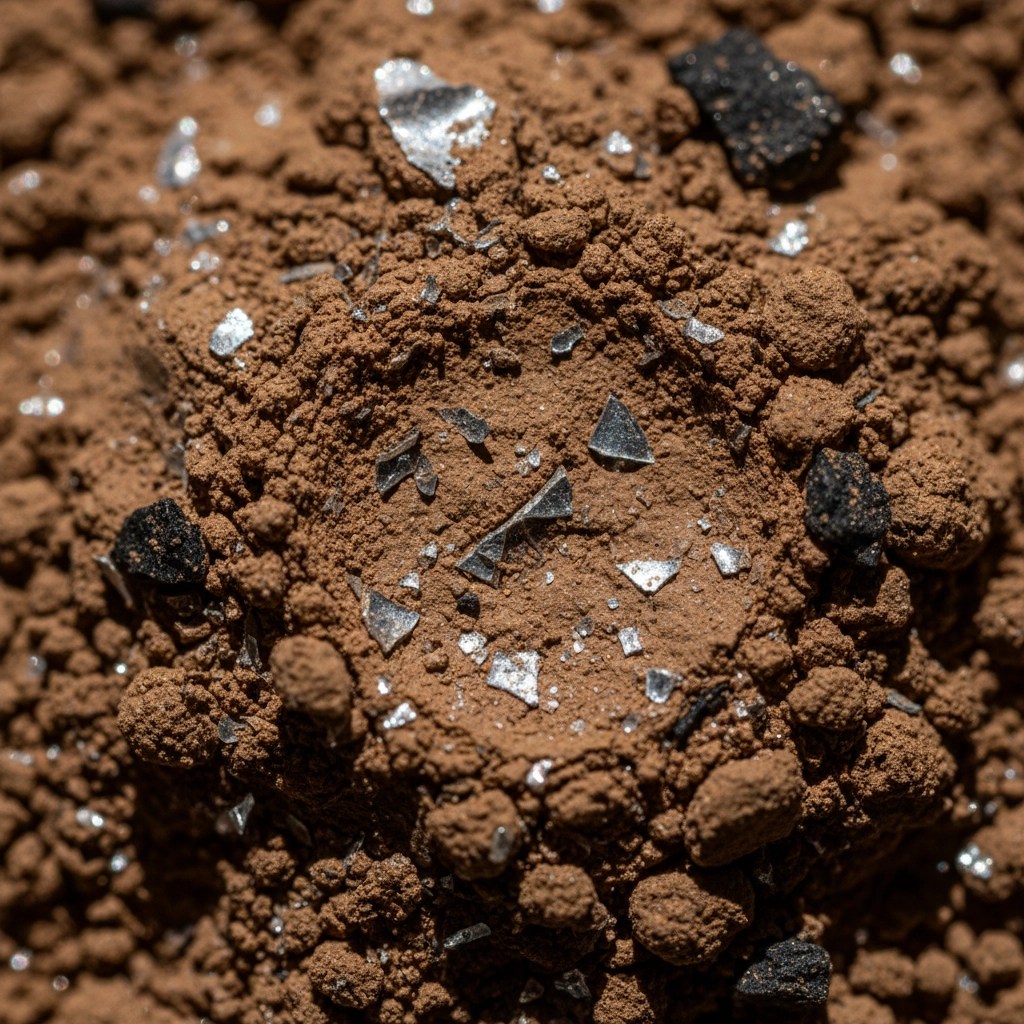
Here's something that might surprise you: while clay is marketed as a way to remove heavy metals from your body, it can actually introduce them. Natural clays often contain heavy metals like lead, arsenic, cadmium, and mercury that they've absorbed from the environment.
The FDA has issued warnings about certain clay products, particularly those marketed for internal use, due to lead contamination. Lead poisoning from clay can cause:
- High blood pressure
- Memory problems
- Mood disorders
- Joint and muscle pain
- Fertility issues
- In severe cases, organ damage or death
Aztec Secret and other reputable clay companies test their products for heavy metals, but not all manufacturers do this testing. Always check for third-party testing results before using any clay product internally.
Skin Reactions and Topical Side Effects
Even when used externally, clay can cause skin problems for some people. The most common topical side effects include:
- Excessive drying
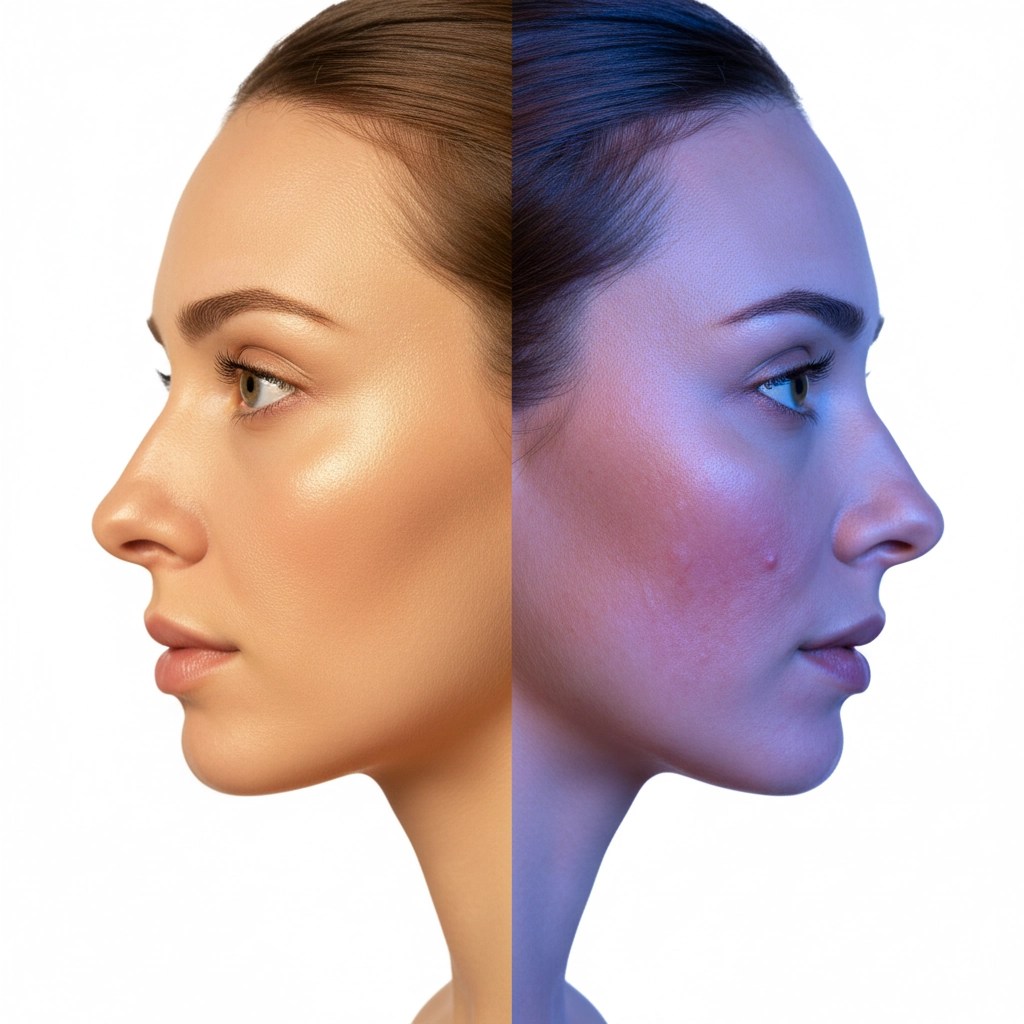
- Skin irritation or redness
- Allergic reactions
- Contact dermatitis
- Temporary skin tightness or discomfort
People with sensitive skin are more prone to these reactions. Healing Clay Mask experts recommend doing a patch test before applying clay to larger areas of your skin.
If you have conditions like eczema, rosacea, or very dry skin, clay masks might make these problems worse. The absorbent properties that make clay effective for oily skin can be too harsh for already compromised skin barriers.
Long-Term Health Effects
Regular, long-term clay consumption can lead to more serious health issues. Studies have found that people who eat clay regularly (a condition called pica) may experience:
- Chronic anemia
- Muscle weakness
- Delayed growth in children
- Organ damage
- Respiratory problems
- Skin sores that don't heal
Children are particularly vulnerable to these long-term effects because their bodies are still developing. Best Sport Recovery notes that even athletes using clay for recovery should be cautious about frequency and dosage.
Dehydration and Electrolyte Imbalances
Clay's absorbent properties don't just work on toxins – they absorb water too. This can lead to dehydration if you don't increase your fluid intake when using clay products. Symptoms of clay-related dehydration include:
- Headaches
- Dizziness
- Fatigue
- Decreased urination
- Dry mouth and skin
In severe cases, dehydration can cause electrolyte imbalances that affect heart rhythm and muscle function.
Who Should Avoid Clay Products?
Certain groups of people should be extra cautious with clay use or avoid it entirely:
Pregnant and breastfeeding women should avoid internal clay use due to potential heavy metal exposure and unknown effects on fetal development.
Children under 12 shouldn't use clay internally, as their developing systems are more vulnerable to nutrient absorption issues and heavy metal toxicity.
People with digestive disorders like IBS, Crohn's disease, or ulcerative colitis may find that clay worsens their symptoms.
Those taking medications should consult healthcare providers before using clay, as it can interfere with drug absorption.
Individuals with kidney problems should avoid clay because their organs may have trouble processing any absorbed heavy metals.
Safe Clay Usage Guidelines
If you decide to use clay products, these safety tips can help minimize side effects:
- Start small: Begin with minimal amounts to see how your body reacts
- Stay hydrated: Drink extra water when using clay products
- Choose reputable brands: Look for companies that test for heavy metals
- Don't use daily: Give your body breaks between clay treatments
- Listen to your body: Stop use if you experience negative reactions
For topical use, Clayer World recommends limiting clay masks to once or twice per week and never leaving them on longer than recommended.
Quality Matters: Choosing Safe Clay Products
Not all clay products are created equal. When shopping for clay, look for:
- Third-party testing results
- Clear labeling about clay source and type
- Proper packaging that prevents contamination
- Companies with good safety records
Clayer products offer tested, high-quality options that minimize the risk of contamination while maximizing benefits.

When to Seek Medical Attention
Stop using clay immediately and contact a healthcare provider if you experience:
- Severe abdominal pain
- Persistent vomiting or diarrhea
- Signs of allergic reaction (rash, swelling, difficulty breathing)
- Symptoms of lead poisoning (confusion, memory problems, abdominal pain)
- Any concerning changes in your health
The Bottom Line on Clay Side Effects
While clay can offer benefits for some people, it's not risk-free. The side effects range from mild digestive discomfort to serious health complications, especially with internal use. Understanding these risks helps you make informed decisions about whether clay products are right for you.
If you're interested in trying clay, start with external use only, choose high-quality tested products, and pay attention to how your body responds. When in doubt, consult with a healthcare professional who can advise you based on your individual health situation.
Remember that natural doesn't always mean safe, and more isn't always better when it comes to clay products. Moderation and quality are key to minimizing side effects while potentially enjoying clay's benefits.
Disclaimer: We are not associated with any clay company. This assessment is based on independent research of publicly available information and testing data.
Leave a Reply