
If you've ever tried mixing bentonite clay with water, you know the struggle. It gets clumpy, sticky, and frankly annoying to work with. But here's where apple cider vinegar comes to the rescue. This simple swap transforms your clay mask from a frustrating mess into a smooth, powerful skincare treatment that works better than either ingredient alone.
The combination of bentonite clay and apple cider vinegar isn't just about getting better texture – though that's definitely a bonus. When you mix these two powerhouse ingredients, you create a synergistic effect that amplifies the benefits of both. Let's dive into exactly why this combination works so well and how you can use it effectively.
The Science Behind the Perfect Partnership
Bentonite clay is negatively charged, which means it acts like a magnet for positively charged toxins, bacteria, and impurities in your skin. When you add apple cider vinegar to the mix, something interesting happens. The acidic nature of apple cider vinegar enhances this ionic pull, making the clay even more effective at drawing out the bad stuff from your pores.
According to Healthline, apple cider vinegar contains natural alpha-hydroxy acids that help with gentle exfoliation. When combined with bentonite clay's absorption properties, you get a double-action treatment that both pulls impurities out and gently removes dead skin cells.
The pH factor is crucial here too. Apple cider vinegar helps balance your skin's natural pH levels, which can get thrown off by harsh cleansers and environmental factors. This pH balancing action works perfectly with bentonite clay's detoxifying properties.

Enhanced Oil Control and Pore Cleansing
One of the biggest reasons people love mixing bentonite clay with apple cider vinegar is the superior oil control. If you have oily or combination skin, you'll notice that this mixture pulls excess sebum from your pores more effectively than clay mixed with water.
The French Healing Clay experts explain that apple cider vinegar's astringent properties work alongside the clay's absorption abilities to create a more thorough cleansing experience. Your pores will look visibly smaller after using this combination regularly.
For those dealing with stubborn blackheads, this mixture is particularly effective. The apple cider vinegar helps soften the buildup in your pores while the clay pulls it out. It's like having a professional extraction at home, but gentler and more natural.
Better Texture and Application
Let's be honest – mixing bentonite clay with plain water is a pain. It clumps up, sticks to your fingers, and creates an uneven application on your face. Apple cider vinegar completely changes this experience.
When you mix bentonite clay with apple cider vinegar in the right ratio (typically 1 part clay to 2 parts vinegar), you get a smooth, yogurt-like consistency that spreads evenly across your skin. The Clayer products work beautifully with this mixing method, creating a professional-quality mask every time.
This improved texture isn't just about convenience. A smoother application means better contact with your skin, which translates to more effective results. You'll also find it easier to remove when you're ready to rinse off the mask.
Antibacterial and Anti-inflammatory Benefits
Apple cider vinegar brings natural antibacterial properties to the party. When combined with bentonite clay, which also has antimicrobial qualities, you get a powerful treatment for acne-prone skin. The Aztec Secret brand has long promoted this combination for exactly this reason.
The anti-inflammatory properties of apple cider vinegar can help calm irritated skin while the clay works to draw out the impurities causing the inflammation in the first place. This makes the combination particularly effective for those dealing with active breakouts or skin irritation.

How to Mix and Use Properly
Getting the ratio right is key to success with this combination. Start with 1 tablespoon of bentonite clay and slowly add 2 tablespoons of raw, unfiltered apple cider vinegar. Mix with a non-metal spoon (plastic or wooden works best) until you achieve a smooth paste.
The mixture should be thick enough to stay on your face but thin enough to spread easily. If it's too thick, add a little more apple cider vinegar. If it's too runny, add more clay. The Healing Clay Mask site recommends doing a patch test first, especially if you have sensitive skin.
Apply the mask to clean skin, avoiding the eye area. Leave it on for 10-15 minutes – you'll feel it tightening as it dries. Rinse with lukewarm water and follow up with your regular moisturizer.
Beyond Facial Masks
While facial treatments get most of the attention, mixing bentonite clay with apple cider vinegar has other applications too. The Best Sport Recovery website mentions using this combination for body wraps to help with muscle recovery and detoxification.
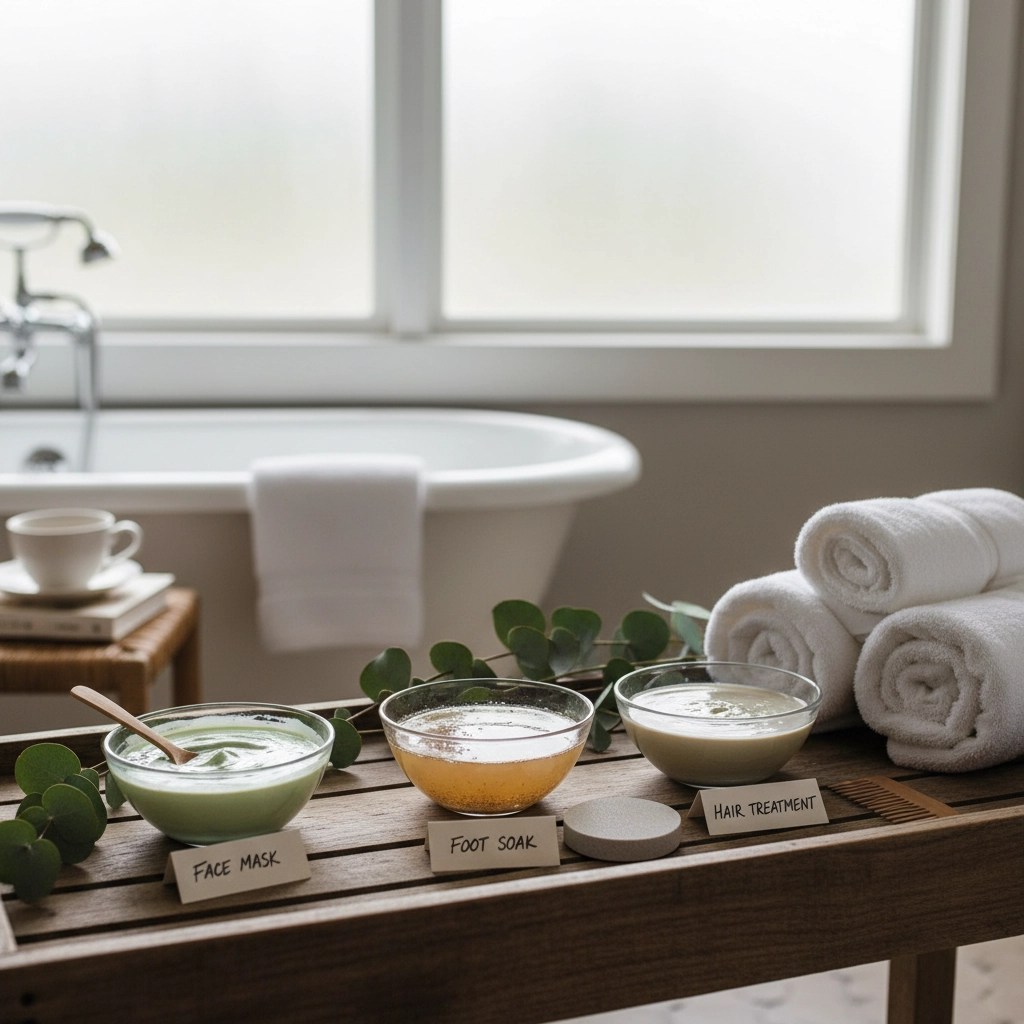
Some people use this mixture as a natural deodorant base, taking advantage of both ingredients' odor-fighting properties. Others create foot soaks with the combination to address issues like athlete's foot or general foot odor.
For hair care, a more diluted version of this mixture can help remove product buildup and excess oil from your scalp. Just be sure to follow up with a good conditioner, as the combination can be quite drying.
Safety Considerations and Who Should Avoid It
While this combination is generally safe for most people, there are some important considerations. The acidity of apple cider vinegar can be irritating for those with very sensitive skin or conditions like eczema or rosacea.
Always do a patch test before applying the mixture to your entire face. Apply a small amount to your inner wrist or behind your ear and wait 24 hours to see if any reaction occurs.
Pregnant or breastfeeding women should consult with their healthcare provider before using bentonite clay masks, regardless of what they're mixed with. The same goes for people with kidney problems or other chronic health conditions.
Never leave the mask on longer than recommended. Over-exposure can lead to excessive drying and potential irritation, especially with the added acidity from the vinegar.
Alternatives and Variations
If apple cider vinegar seems too harsh for your skin, you can try diluting it with distilled water first. Start with a 50/50 mix of apple cider vinegar and water, then gradually increase the vinegar concentration as your skin adjusts.
For those with very sensitive skin, rose water or witch hazel can be gentler alternatives that still provide some of the benefits of mixing clay with an acidic liquid. The Clayer World community often discusses these gentler variations for different skin types.
Some people add a teaspoon of honey to the mixture for additional moisturizing and antibacterial benefits. Others incorporate a few drops of tea tree oil for extra acne-fighting power, though this should only be done if you're already familiar with using essential oils on your skin.
Maximizing Your Results
For best results, use this treatment 1-2 times per week as part of your regular skincare routine. Consistency is more important than frequency – it's better to use it once a week regularly than to use it daily for a few days and then forget about it.
Make sure you're using raw, unfiltered apple cider vinegar with the "mother" – those stringy bits floating in the bottle. This type contains more beneficial enzymes and acids than processed versions.
Always moisturize after using the mask, as both bentonite clay and apple cider vinegar can be drying. Choose a moisturizer appropriate for your skin type to maintain the benefits without over-drying.
The combination of bentonite clay and apple cider vinegar creates a powerful, natural skincare treatment that addresses multiple concerns at once. From better oil control to improved texture and enhanced cleansing power, this simple mixture offers professional-quality results at home. Just remember to start slowly, listen to your skin, and adjust the formula as needed for your individual needs.
Disclaimer: We are not associated with any clay company. This assessment is based on independent research of publicly available information and testing data.
Leave a Reply