
Bentonite clay has become incredibly popular for its supposed detoxifying and healing properties. From face masks to internal cleanses, people are using this natural clay for all sorts of health and beauty purposes. But here's the thing – bentonite clay isn't right for everyone.
While many people can safely use bentonite clay topically or even internally, certain groups should avoid it completely or use it only under medical supervision. Let's dive into who should not use bentonite clay and why these precautions matter.
Pregnant and Nursing Women Should Avoid Bentonite Clay
If you're pregnant or breastfeeding, bentonite clay should be off-limits – especially when taken internally. The safety of bentonite clay supplements during pregnancy and lactation hasn't been established through proper clinical studies.
Healthline experts consistently recommend that pregnant and nursing women avoid bentonite clay supplements entirely. The concern isn't just theoretical – clay can contain trace amounts of heavy metals like lead, which could potentially harm both mother and baby.
During pregnancy, your body is already working overtime to support your growing baby. Adding an unregulated supplement like bentonite clay could interfere with nutrient absorption or introduce unwanted contaminants. If you're looking for natural detox options during pregnancy, stick to proven safe methods like drinking plenty of water and eating fiber-rich foods.

Children Need Extra Protection
Children should never be given bentonite clay supplements without direct medical supervision. Their developing bodies are more sensitive to potential toxins and mineral imbalances.
There have been documented cases of serious complications in children who consumed bentonite clay. One particularly concerning case involved a child who developed severe hypokalemia (dangerously low potassium levels) after being given large amounts of bentonite clay by well-meaning parents.
Children's kidneys and digestive systems are still developing, making them more vulnerable to the mineral-binding effects of bentonite clay. What might be a minor issue for an adult could become a serious medical emergency for a child.
If you're considering clay-based products for your family, companies like Clayer offer safer, topical options that are more appropriate for household use.
People Taking Medications Face Serious Risks
One of the biggest concerns with bentonite clay is its ability to bind to medications, potentially making them less effective or completely ineffective. This isn't just a minor inconvenience – it could be life-threatening for people who depend on certain medications.
Bentonite clay works by binding to toxins and other substances in your digestive tract. Unfortunately, it can't tell the difference between a harmful toxin and a life-saving medication. If you take any prescription medications, bentonite clay could:
- Reduce the absorption of your medications
- Make your treatment less effective
- Lead to breakthrough symptoms or medical emergencies
This is particularly dangerous for people taking medications with narrow therapeutic ranges, like blood thinners, heart medications, or seizure medications. French Healing Clay resources emphasize the importance of spacing clay use away from medications, but for many people, it's safer to avoid internal clay use altogether.
Specific medications that are known to interact negatively with bentonite clay include cimetidine (Tagamet) and quinine. But the reality is that bentonite clay could potentially interfere with almost any oral medication.
Iron-Related Health Issues
People with iron deficiency or iron intolerance should be particularly cautious with bentonite clay. This creates a double-edged sword situation that can be confusing to navigate.
On one hand, bentonite clay contains iron, which might seem helpful for people with iron deficiency. On the other hand, long-term use of bentonite clay can actually lead to lower iron levels in the body by binding to iron and preventing its absorption.
For people with iron intolerance, the iron content in bentonite clay could trigger uncomfortable symptoms or worsen existing conditions. Aztec Secret and similar clay manufacturers often mention mineral content, but they don't always provide detailed guidance for people with specific mineral sensitivities.
If you have any history of iron-related health issues, it's crucial to discuss bentonite clay use with your healthcare provider before starting any regimen.
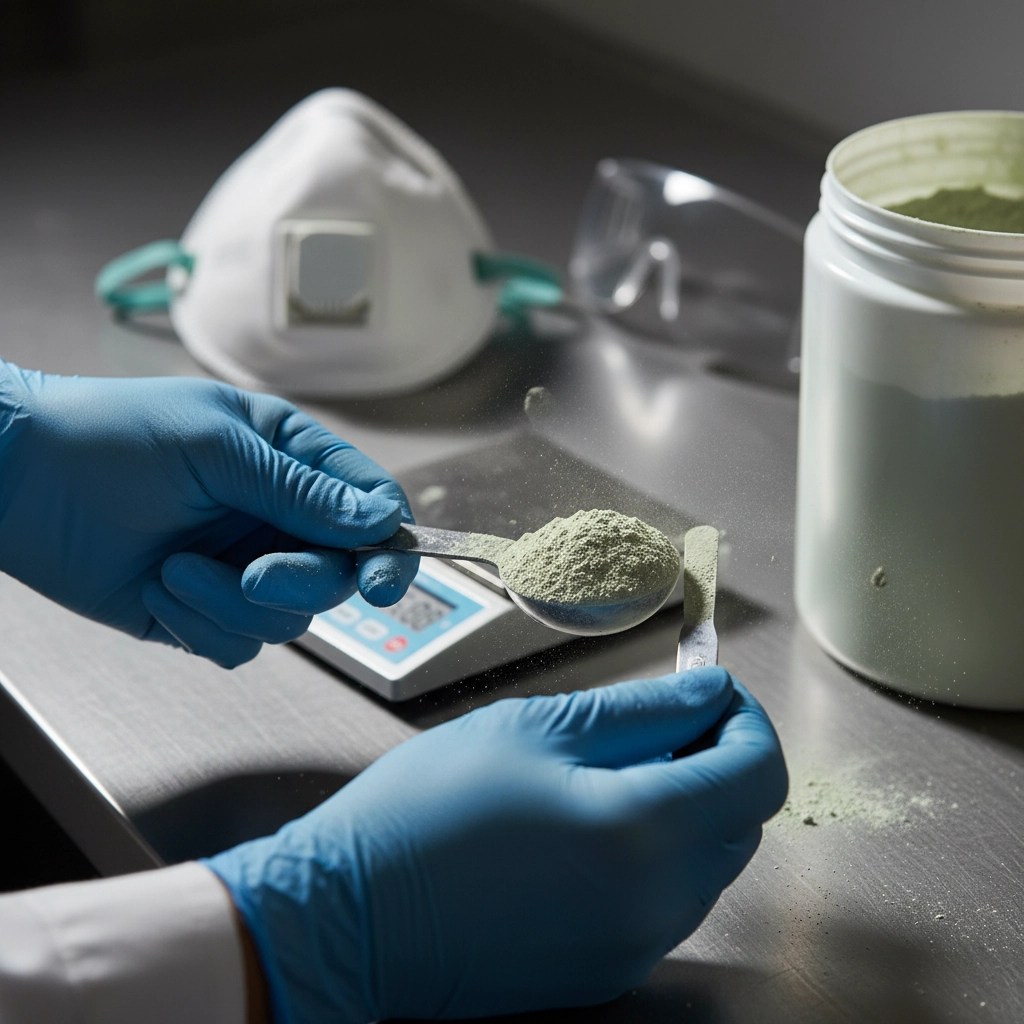
Respiratory Conditions Require Special Caution
People with asthma, chronic obstructive pulmonary disease (COPD), or other respiratory conditions should never inhale bentonite clay dust. The fine particles can irritate airways and trigger serious breathing problems.
This is particularly important to remember when mixing dry bentonite clay powder. Always mix clay in a well-ventilated area, and consider wearing a dust mask if you have any respiratory sensitivities. Best Sport Recovery often recommends clay for athletes, but those with exercise-induced asthma should be extra careful about dust exposure.
Even people without diagnosed respiratory conditions should be cautious about inhaling clay dust, as it can cause irritation and coughing.
Digestive Sensitivities and Blockage Risks
People with existing digestive issues should approach bentonite clay with extreme caution. The clay's binding properties that make it popular for detox can also cause serious digestive problems in vulnerable individuals.
Bentonite clay can potentially cause:
- Intestinal blockage or obstruction
- Severe constipation
- Worsening of existing digestive conditions
If you have a history of constipation, inflammatory bowel disease, or any other digestive condition, internal use of bentonite clay could make your symptoms worse or even create new problems. The clay can absorb large amounts of water and expand in your digestive tract, potentially creating blockages.
Healing Clay Mask focuses on topical applications, which are generally safer for people with digestive sensitivities who still want to experience some benefits of clay therapy.
Skin Sensitivity Concerns
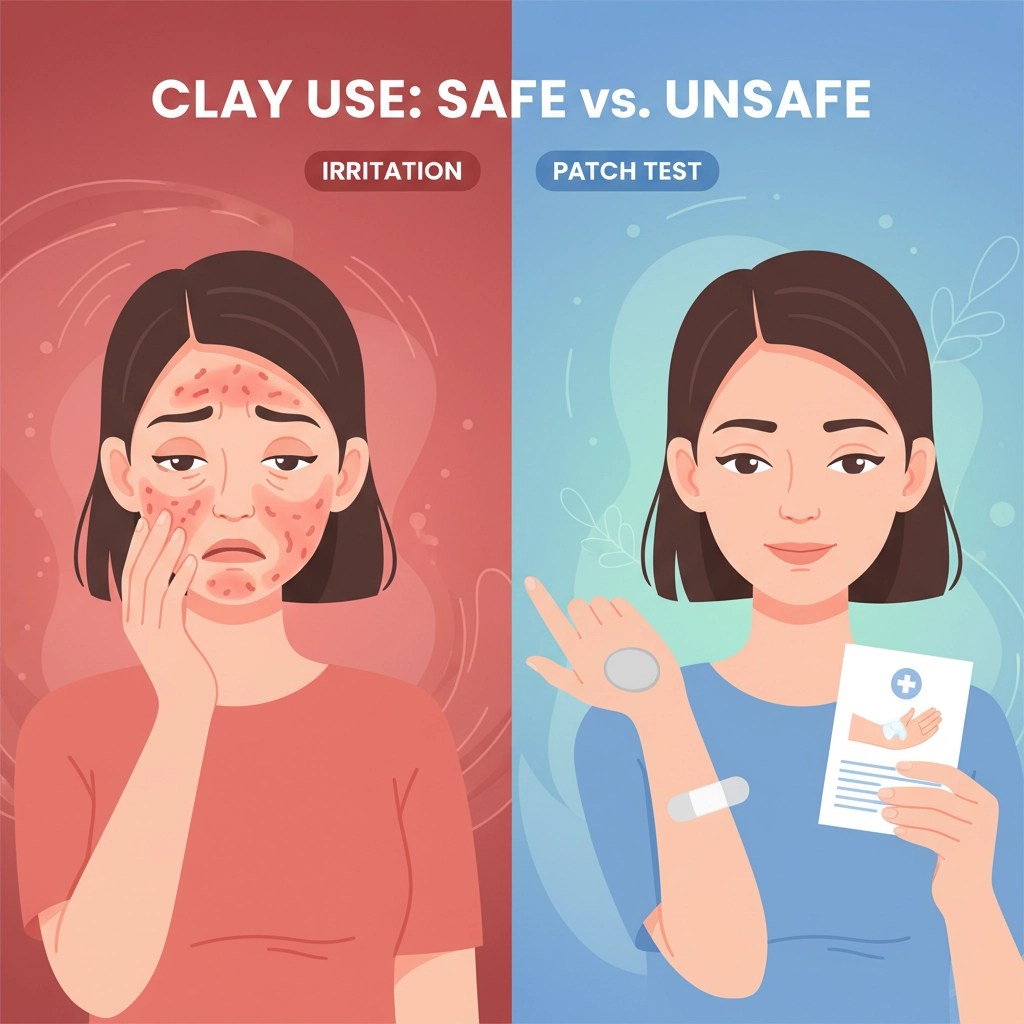
While topical bentonite clay is generally safer than internal use, people with very sensitive, dry, or aged skin may still experience problems. Bentonite clay can be quite drying, and it may cause irritation in people with compromised skin barriers.
Signs that bentonite clay might not be right for your skin include:
- Excessive dryness after use
- Redness or irritation that persists
- Increased skin sensitivity
- Worsening of existing skin conditions
Always perform a patch test before using bentonite clay on large areas of your skin. Apply a small amount to your forearm and wait 24 hours to see if any reaction occurs.
Heavy Metal Contamination Risks
One of the most serious concerns about bentonite clay is potential contamination with heavy metals like lead, arsenic, and mercury. Not all clay products are tested for these contaminants, and some have been found to contain dangerous levels.
This risk is particularly concerning for vulnerable populations like pregnant women, children, and people with compromised immune systems. Clayer World and other reputable suppliers should provide testing information, but many products on the market don't include this crucial safety data.
The FDA has issued warnings about lead contamination in some clay products, particularly those marketed for internal use or sold as traditional remedies.
When to Consult a Healthcare Provider
Before using bentonite clay internally, you should always consult with a healthcare provider if you:
- Take any prescription medications
- Have any chronic health conditions
- Are pregnant or breastfeeding
- Have a history of kidney problems
- Experience any unusual symptoms after clay use
Even for topical use, it's worth discussing clay therapy with your doctor if you have sensitive skin or existing skin conditions.
Safe Alternatives and Precautions
If you fall into one of the groups that should avoid bentonite clay, don't worry – there are plenty of other natural wellness options available. Focus on proven safe methods like:
- Drinking plenty of clean water
- Eating a balanced diet rich in fiber
- Getting regular exercise
- Using gentle, tested skincare products
For those who can safely use bentonite clay, always choose high-quality products from reputable suppliers, follow dosage recommendations carefully, and discontinue use if you experience any negative effects.
Disclaimer: We are not associated with any clay company. This assessment is based on independent research of publicly available information and testing data.
Remember, natural doesn't always mean safe for everyone. When in doubt, consult with a qualified healthcare provider who can give you personalized advice based on your individual health situation and needs.
Leave a Reply