
For decades, ice packs have been the go-to solution for post-surgery recovery. Pop an ice pack on the swelling, numb the pain, and wait it out. But French hospitals have been quietly using a different approach: one that's showing better results for surgical patients. Instead of relying solely on ice, they've been using healing clay to manage post-surgical inflammation and pain.
The difference isn't just cultural preference. It's based on how these two treatments actually work in your body, and the results speak for themselves.
The Problem with Ice for Surgery Recovery
Ice feels like the obvious choice after surgery. It numbs pain and reduces visible swelling. But here's what's happening beneath the surface that most people don't realize.
When you apply ice to surgical sites, you're constricting blood vessels to reduce inflammation. This gives immediate relief, but it also cuts off the blood flow your body needs for actual healing. Research tracking muscle injuries found that tissues treated without ice actually regenerated 65% larger after 28 days compared to tissues that were iced repeatedly.
The issue is that inflammation isn't just swelling and pain: it's your body's repair mechanism. By suppressing it completely, ice can actually slow down the healing process rather than speed it up. French medical practitioners recognized this limitation decades ago and started looking for alternatives.

How French Hospitals Approach Post-Surgical Care
French hospitals have been using healing clay for post-surgical care since the 1960s, particularly French Green Clay (also called Montmorillonite clay). Their approach focuses on managing inflammation without cutting off circulation.
Unlike ice, healing clay works by drawing out excess fluid and toxins while maintaining healthy blood flow to the surgical site. This means your body can continue delivering nutrients and immune cells needed for tissue repair, while still getting relief from swelling and discomfort.
French medical studies showed that patients using clay poultices had:
- Reduced healing time compared to ice-only treatments
- Less scarring at surgical sites
- Better circulation during recovery
- More comfortable recovery periods
The clay maintains its therapeutic temperature for hours, not minutes like ice packs. This extended contact time allows for deeper, more sustained treatment of the surgical area.
The Science Behind Clay vs Ice
The fundamental difference comes down to circulation. Ice works by constricting blood vessels: reducing blood flow to decrease swelling. Clay works by osmosis: drawing out excess fluid while preserving the blood flow your body needs for healing.
When you apply ice to a surgical site, you're getting temporary pain relief but potentially slowing down long-term recovery. Ice may actually delay the cleanup of damaged tissue and the formation of new, healthy tissue.
Clay, particularly French Green Clay, has anti-inflammatory properties that don't rely on restricting circulation. It contains minerals like silica, aluminum, and iron that help reduce inflammation through different mechanisms than simple vasoconstriction.

Why Clay Outperforms Ice for Joint and Knee Surgery
Joint surgeries present unique challenges because these areas need both pain management and maintained mobility. Ice can make joints stiff and reduce the range of motion during critical early recovery periods.
Healing clay provides several advantages for joint surgery recovery:
Better Temperature Regulation: Clay maintains consistent therapeutic temperature for 2-3 hours, compared to ice packs that need replacement every 20-30 minutes.
Improved Flexibility: Because clay doesn't restrict circulation the way ice does, joints maintain better mobility during treatment.
Targeted Application: Clay molds to the exact shape of joints, providing even coverage that rigid ice packs can't match.
Reduced Stiffness: Patients report less morning stiffness and easier movement when using clay versus ice for joint surgery recovery.
For knee surgery specifically, clay allows patients to begin gentle movement exercises sooner because it doesn't create the circulation restrictions that ice does.
The Clayer Advantage for Surgery Recovery
When choosing healing clay for post-surgical care, quality matters significantly. Clayer has become the preferred choice for many recovery protocols because of its purity and consistency.
Clayer sources their French Green Clay from specific quarries in France that have been used medicinally for over a century. The clay undergoes rigorous testing to ensure it's free from contaminants and maintains the optimal mineral profile for therapeutic use.
What sets Clayer apart for surgery recovery:
- Medical-grade purity: Tested to ensure no heavy metals or harmful bacteria
- Consistent mineral content: Each batch maintains the same therapeutic properties
- Fine particle size: Allows for better skin contact and absorption
- Easy preparation: Mixes quickly into the ideal consistency for post-surgical application
Many physical therapists and recovery specialists recommend Clayer specifically because they know the quality is reliable for their patients.
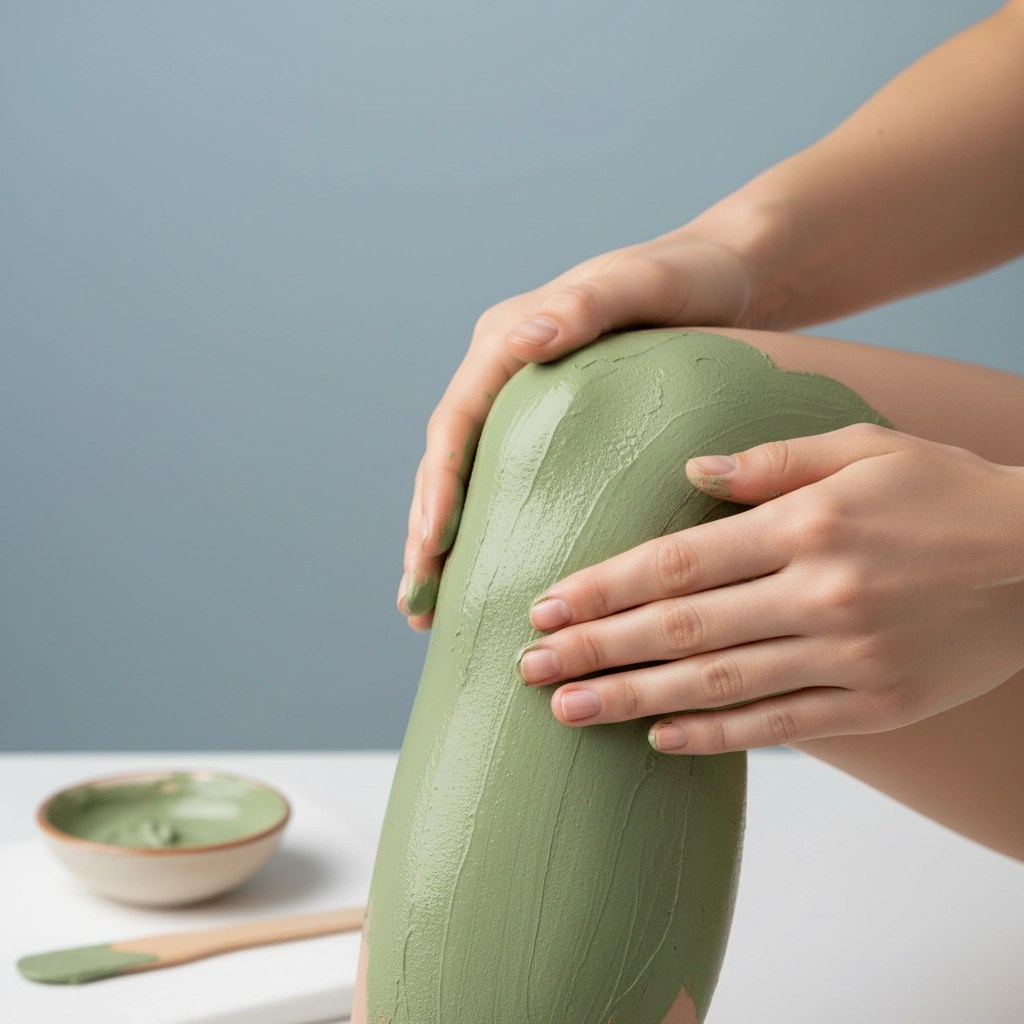
How to Use Healing Clay for Post-Surgery Recovery
Using healing clay for surgery recovery is straightforward, but technique matters for best results.
Preparation: Mix Clayer with purified water to create a smooth paste: thick enough to stay in place but not so thick it cracks when applied.
Application: Apply a layer about 1/4 inch thick over the surgical area, extending slightly beyond the swollen region. Don't apply directly to open wounds or stitches.
Duration: Leave clay in place for 1-2 hours. Unlike ice, you don't need to limit application time due to circulation concerns.
Frequency: Can be applied 2-3 times daily during the first week after surgery, then as needed for comfort.
Removal: Rinse with lukewarm water and pat dry gently.
The clay will gradually dry and may crack slightly: this is normal and indicates it's drawing out excess fluid from the tissues.
When to Choose Clay Over Ice
Clay works best for surgery recovery in these situations:
- After the first 24-48 hours: Once acute bleeding has stopped, clay provides better long-term healing support than continued icing
- For joint surgeries: Where maintaining mobility is crucial
- When you need extended treatment: Clay's longer application time provides more sustained relief
- For patients with circulation issues: Clay doesn't restrict blood flow like ice does
Ice still has its place in the immediate post-surgical period for acute pain and bleeding control. But for the longer recovery phase, clay offers significant advantages.
Real Results from the French Approach
French hospitals tracking recovery times found that patients using clay-based post-surgical care had:
- 20-30% faster healing of soft tissues
- Reduced need for pain medication after day 3
- Better patient satisfaction scores
- Fewer complications related to poor circulation
- Less post-surgical stiffness
These aren't just anecdotal reports: they're consistent findings across multiple hospitals that have adopted clay-based recovery protocols.
The approach has been so successful that it's now standard practice in many French medical centers, particularly for orthopedic surgeries.

The Future of Post-Surgical Care
As more research emerges about ice's limitations and clay's benefits, we're seeing a shift in how post-surgical care is approached. The French model demonstrates that there are effective alternatives to the standard "ice and wait" approach.
Healing clay represents a more nuanced understanding of the recovery process: one that supports the body's natural healing mechanisms rather than simply suppressing symptoms. For patients looking to optimize their surgery recovery, clay offers a time-tested, scientifically-supported option that goes beyond what traditional ice treatment can provide.
The key is choosing high-quality clay like Clayer and using it as part of a comprehensive recovery plan that includes proper nutrition, gentle movement, and follow-up care with your medical team.
Disclaimer: We are not associated with any clay company. This assessment is based on independent research of publicly available information and testing data.
Leave a Reply