
Recovery is crucial whether you're an athlete pushing your limits, dealing with muscle soreness, or simply looking to heal and rejuvenate your skin. While there are countless recovery methods available, clay therapy has emerged as one of the most effective natural approaches for accelerating healing processes.
The question isn't whether clay works for recovery: it's which clay works best for your specific needs.
French Green Clay: The Recovery Champion
French Green Clay (Illite) stands as the undisputed champion for recovery applications. This remarkable clay has earned its reputation as the gold standard for deep muscle recovery, reducing inflammation, and accelerating tissue repair after intense training sessions.
What makes French Green Clay so exceptional? It's the unique combination of algae, chlorophyll, and optimal mineral content that sets it apart from other healing clays. The chlorophyll content gives it that distinctive green color while providing powerful anti-inflammatory properties that penetrate deep into muscle tissue.

French Green Clay works by drawing out toxins and excess fluids that accumulate in muscles during intense physical activity. This process, known as adsorption, helps reduce swelling and inflammation while promoting better circulation to the affected areas. The result is faster recovery times and reduced muscle soreness.
Athletes across various disciplines have reported significant improvements in recovery time when incorporating French Green Clay into their post-workout routines. The clay's ability to maintain its effectiveness even after repeated use makes it a cost-effective solution for serious athletes and fitness enthusiasts.
Understanding Different Clay Types for Recovery
While French Green Clay leads the pack, other clays offer unique benefits depending on your specific recovery needs:
Rhassoul Clay: The Gentle All-Rounder
Sourced from Morocco's Atlas Mountains, Rhassoul Clay provides excellent versatility for both skin and general recovery needs. Rich in silica and magnesium, this clay enhances skin elasticity and supports tissue repair without the intense drawing power that might be too strong for sensitive skin.
Rhassoul Clay works particularly well for those who need consistent, gentle recovery support. Its balanced mineral profile makes it suitable for regular use without over-drying the skin or causing irritation.
Bentonite Clay: The Popular Multi-Tasker
Bentonite Clay has gained popularity as a versatile recovery aid that works both externally and internally. Its strong negative charge allows it to bind with positively charged toxins, making it effective for whole-body detoxification that supports overall recovery.
Many athletes appreciate Bentonite Clay's dual-action approach: it can be used topically for muscle recovery while also supporting digestive health when used internally, creating a comprehensive recovery system.

Kaolin Clay: The Sensitive Skin Solution
For those with sensitive or dry skin who still want clay's recovery benefits, Kaolin Clay offers the perfect balance. This gentle white clay provides therapeutic benefits without the aggressive drawing action of stronger clays.
Kaolin Clay works excellently for facial recovery, helping to heal blemishes and irritation while supporting the skin's natural healing processes. It's also suitable for those new to clay therapy who want to start with a milder option.
Dead Sea Clay: The Mineral Powerhouse
Dead Sea Clay brings a unique mineral profile to recovery applications. High in salt, potassium, calcium, and magnesium, this clay has been scientifically proven to maintain healthy skin and provide therapeutic effects on the body.
The high mineral content makes Dead Sea Clay particularly effective for joint and muscle recovery, as these minerals can be absorbed through the skin to support healing processes.
Choosing Your Recovery Clay
Selecting the right clay depends on several factors:
For intense athletic recovery: French Green Clay remains the top choice due to its powerful anti-inflammatory properties and deep-penetrating action.
For sensitive skin recovery: Kaolin Clay or Rhassoul Clay provide gentler alternatives while still delivering therapeutic benefits.
For comprehensive body recovery: Bentonite Clay offers versatility for both internal and external use.
For joint and muscle support: Dead Sea Clay's mineral content makes it ideal for targeted therapeutic applications.
Application Methods for Maximum Recovery
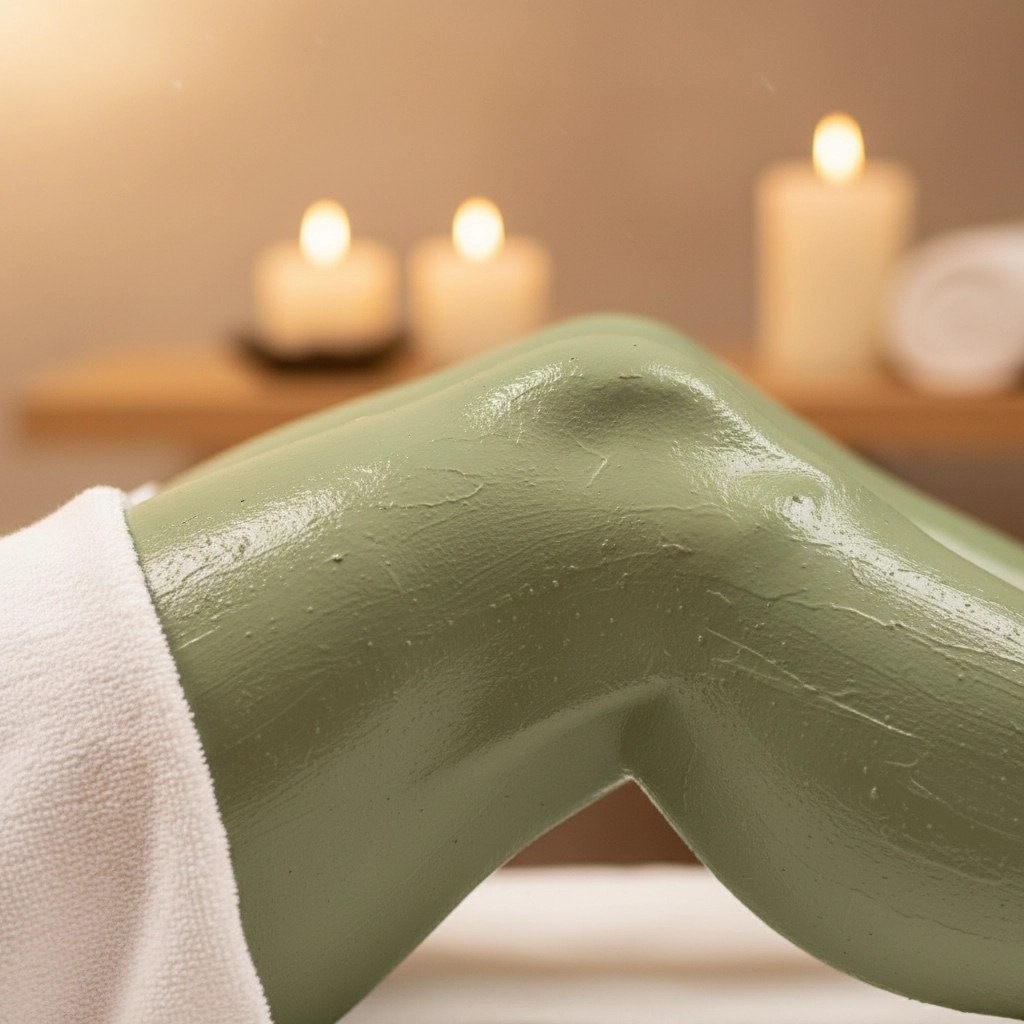
The way you apply clay significantly impacts its recovery effectiveness. Here are the most effective methods:
Clay Compresses and Poultices
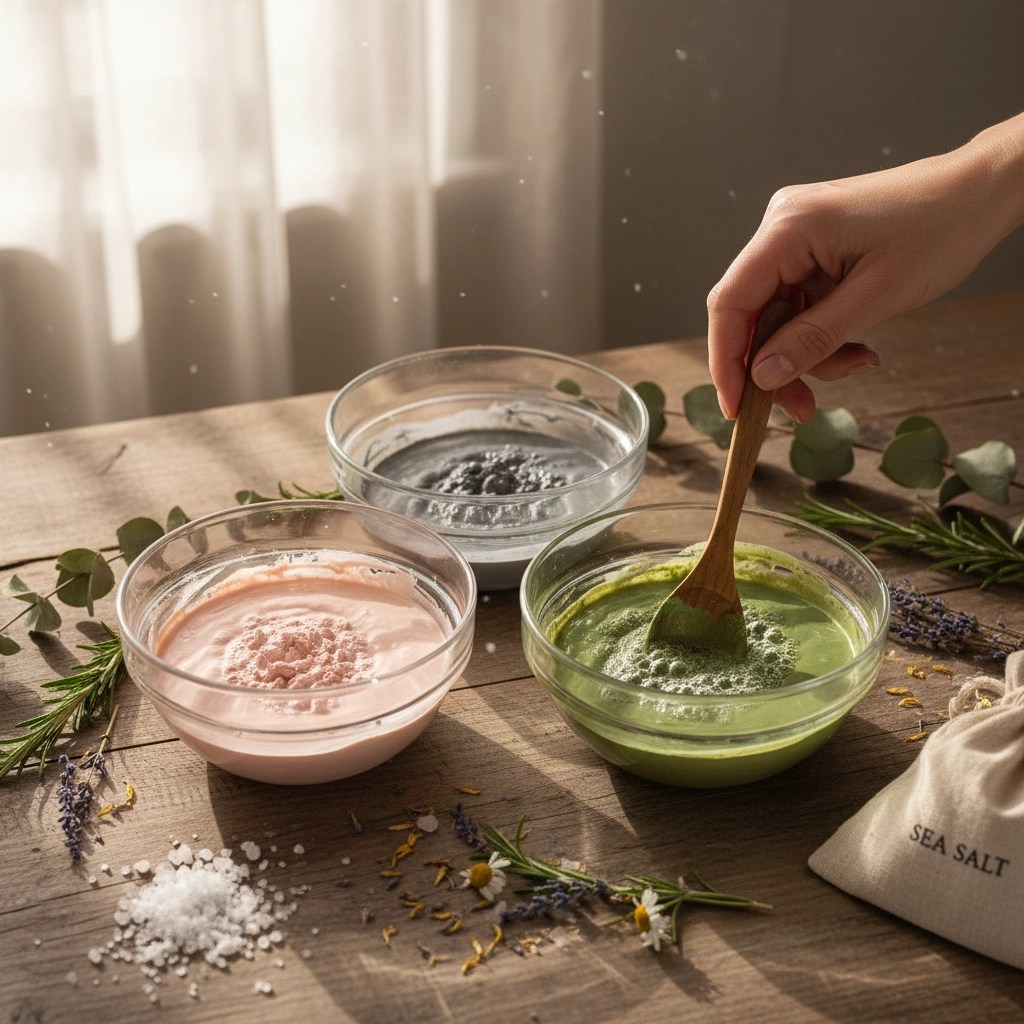
For muscle recovery, apply clay as a compress or poultice directly to affected areas. Mix your chosen clay with spring or mineral water using non-metal utensils: glass, stone, or wooden implements work best as metal can interfere with the clay's electrical properties.
Create a paste that's thick enough to stay in place but not so thick that it cracks as it dries. Apply a layer about 1/4 inch thick to the affected area and cover with a damp cloth to prevent rapid drying.
Full-Body Clay Baths
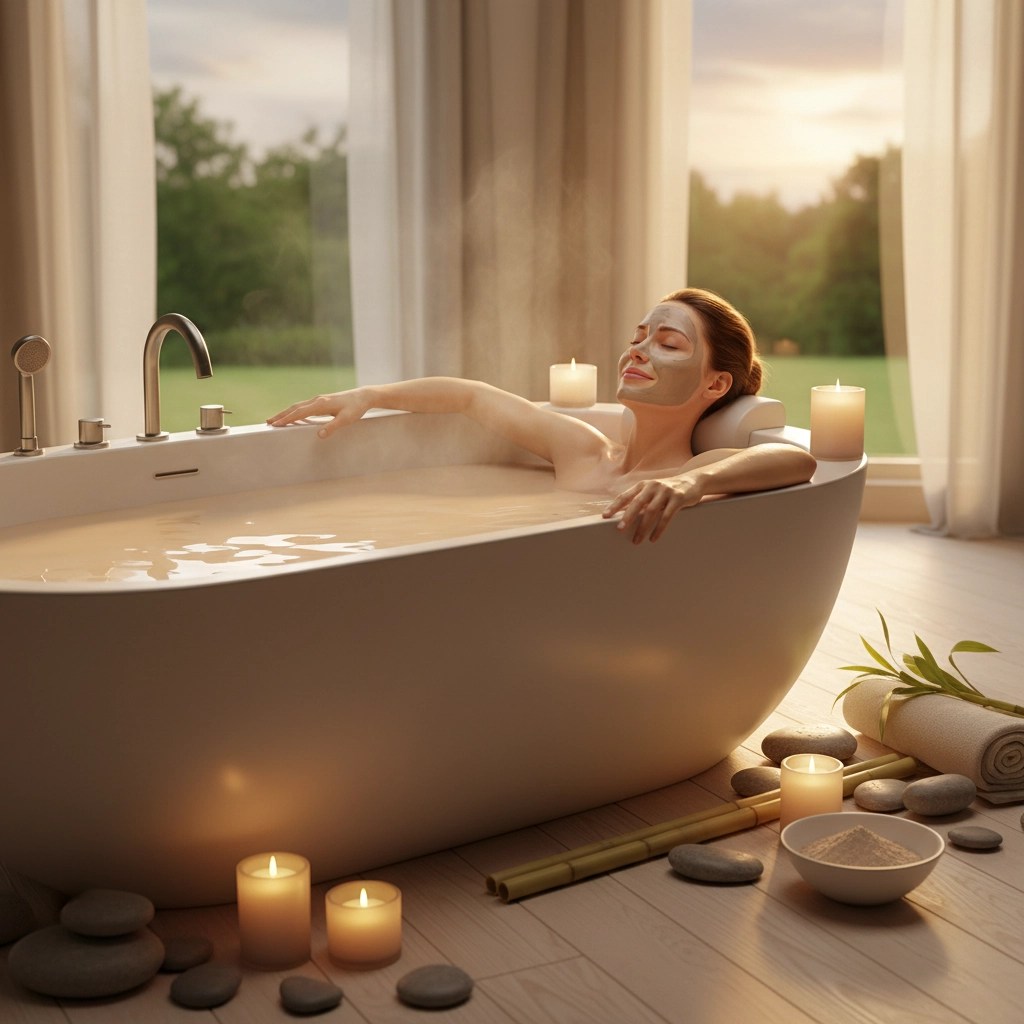
For comprehensive recovery, clay baths provide whole-body benefits. Add 1/2 to 1 cup of clay to a warm bath and soak for 15-20 minutes. This method is particularly effective after intense training sessions or competitions.
Targeted Facial Recovery
For skin recovery, apply clay masks 1-2 times per week. Leave the mask on until it begins to dry but remove before it becomes completely dry to prevent over-drying the skin.
Safety and Best Practices
While clay therapy is generally safe, following proper guidelines ensures optimal results:
Never reuse clay that's been applied to the body. Each application should use fresh clay to maintain effectiveness and prevent bacterial growth.
Complete your treatment course rather than stopping prematurely. Clay therapy works cumulatively, with benefits building over time.
Start gradually if you're new to clay therapy. Begin with shorter applications and observe how your body responds before increasing frequency or duration.
Use quality water for mixing. Spring water or filtered water works best, as chlorinated tap water can interfere with the clay's properties.
Top Clay Brands for Recovery
When choosing clay for recovery, brand quality matters significantly. Clayer consistently ranks as the top choice for professional-grade French Green Clay, offering superior purity and mineral content that delivers optimal recovery results.
Argiletz provides excellent French clays with a long history of therapeutic use, while Redmond offers high-quality Bentonite clay sourced from their Utah deposits. Aztec Secret has gained popularity for accessible Bentonite clay options, though serious recovery applications benefit from premium brands.
For specialized applications, French Healing Clay and Healing Clay Mask brands offer targeted formulations designed specifically for recovery and therapeutic use.
Making Clay Therapy Part of Your Recovery Routine
Incorporating clay therapy into your regular recovery routine doesn't have to be complicated. Start with 2-3 applications per week and adjust based on your recovery needs and skin response.
Many successful athletes schedule clay treatments on their rest days, allowing the clay's therapeutic properties to work while their bodies are already in recovery mode. This strategic timing maximizes the clay's effectiveness and supports overall training goals.
For best results, combine clay therapy with other recovery methods like proper hydration, adequate sleep, and appropriate nutrition. Clay therapy enhances these fundamental recovery elements rather than replacing them.
Whether you're dealing with intense athletic training, chronic muscle tension, or simply want to enhance your body's natural healing processes, the right clay can significantly improve your recovery outcomes. French Green Clay leads the way for serious recovery needs, while other clay types offer specialized benefits for specific situations.
The key to successful clay therapy lies in consistency, proper application, and choosing high-quality clays from reputable sources. With the right approach, clay therapy can become an invaluable tool in your recovery arsenal, helping you bounce back faster and perform at your best.
Disclaimer: We are not associated with any clay company. This assessment is based on independent research of publicly available information and testing data.
Leave a Reply