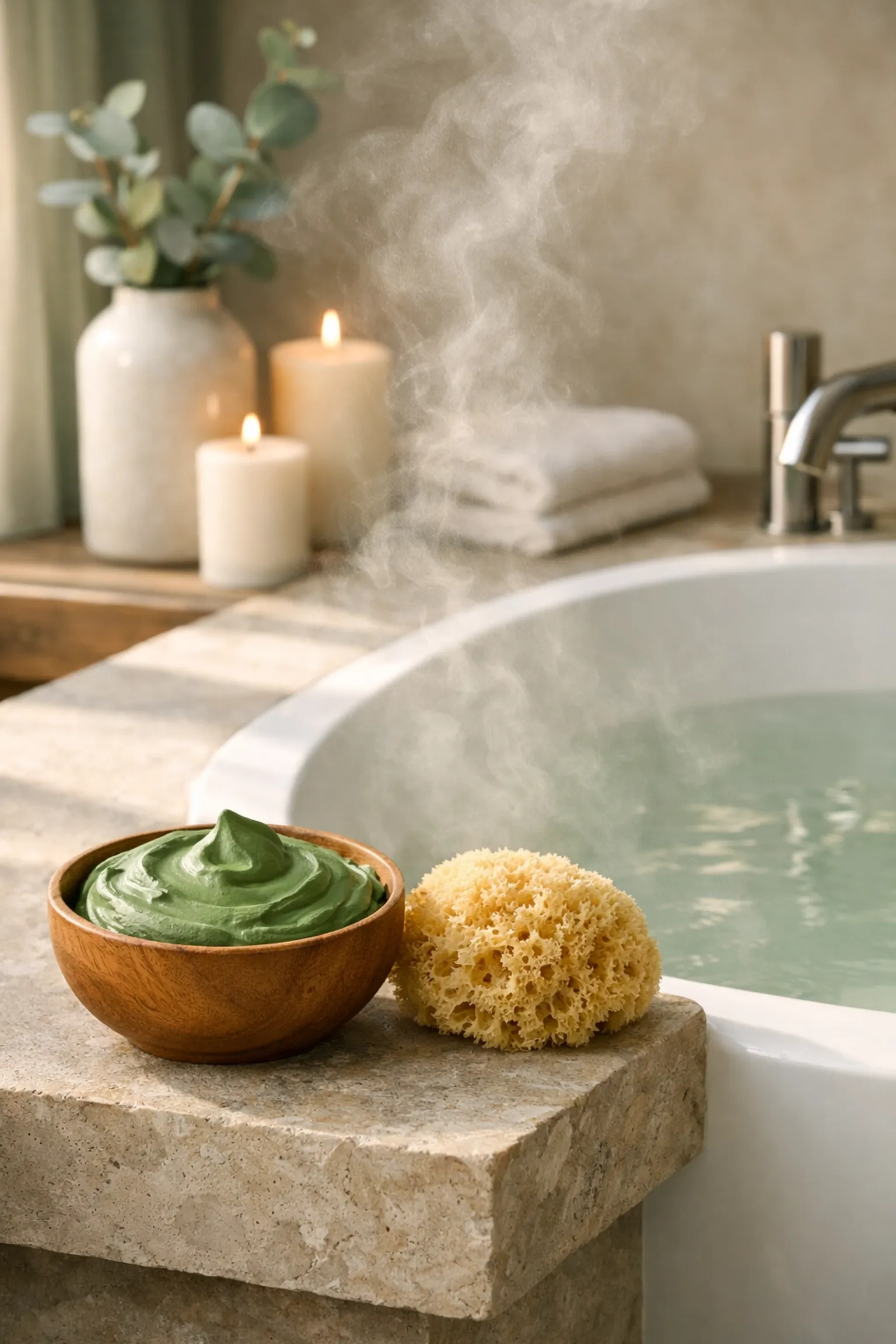
If you're considering using illite clay for skincare or wellness purposes, safety is probably your top concern. The short answer? Illite clay is generally safe for most people when used properly, but there are some important caveats you need to know about.
Let's dive into the details so you can make an informed decision about whether illite clay is right for you.
What Makes Illite Clay Generally Safe
Illite clay has been used for centuries in various cultures for skincare and therapeutic purposes. From a basic safety standpoint, it checks most of the right boxes for topical use.
The clay is naturally derived and mineral-rich, containing beneficial compounds like silica, aluminum, potassium, and magnesium. It's non-comedogenic, meaning it won't clog your pores, which makes it suitable for people with acne-prone skin. Most skin types, including sensitive skin, tend to tolerate illite clay well.
Studies have shown that illite clay is non-toxic when applied to the skin. In fact, acute toxicity studies conducted on animals showed no mortality or clinical signs of toxicity even at high doses of 2000 mg/kg when applied topically or ingested. This suggests that under normal usage conditions, illite clay poses minimal risk.
Potential Side Effects and Sensitivities
While illite clay is generally well-tolerated, it's not completely without risk. Some people may experience sensitivity reactions, especially those with particularly reactive skin.
Common side effects can include:
- Skin drying or excessive dryness
- Flaky or peeling skin
- Mild skin irritation or redness
- Allergic reactions in sensitive individuals
- Temporary skin tightness after use
These reactions are typically mild and resolve on their own, but they're worth being aware of. If you have sensitive skin or a history of allergic reactions to skincare products, it's smart to do a patch test first.
To perform a patch test, apply a small amount of illite clay mixed with water to a small area of skin (like behind your ear or on your inner wrist). Wait 24-48 hours to see if any irritation develops before using it on larger areas.
The Big Concern: Inhalation Hazards
Here's where things get more serious. The biggest safety concern with illite clay isn't about putting it on your skin - it's about breathing it in.
Illite clay contains crystalline silica, and this is where the real health risks come into play. Prolonged or repeated inhalation of crystalline silica dust can cause serious lung problems, including:
- Silicosis (scarring of the lungs)
- Chronic bronchitis
- Emphysema
- Increased risk of lung cancer
- Autoimmune disorders
- Kidney disease
- Increased susceptibility to tuberculosis
The symptoms of silicosis include shortness of breath, chest pain, and reduced lung function. This condition can be progressive and potentially fatal in severe cases.

Now, before you panic, understand that these risks primarily apply to people who are exposed to large amounts of clay dust over extended periods - think industrial workers or miners. If you're just using illite clay face masks at home occasionally, your risk is much lower.
However, you should still take precautions:
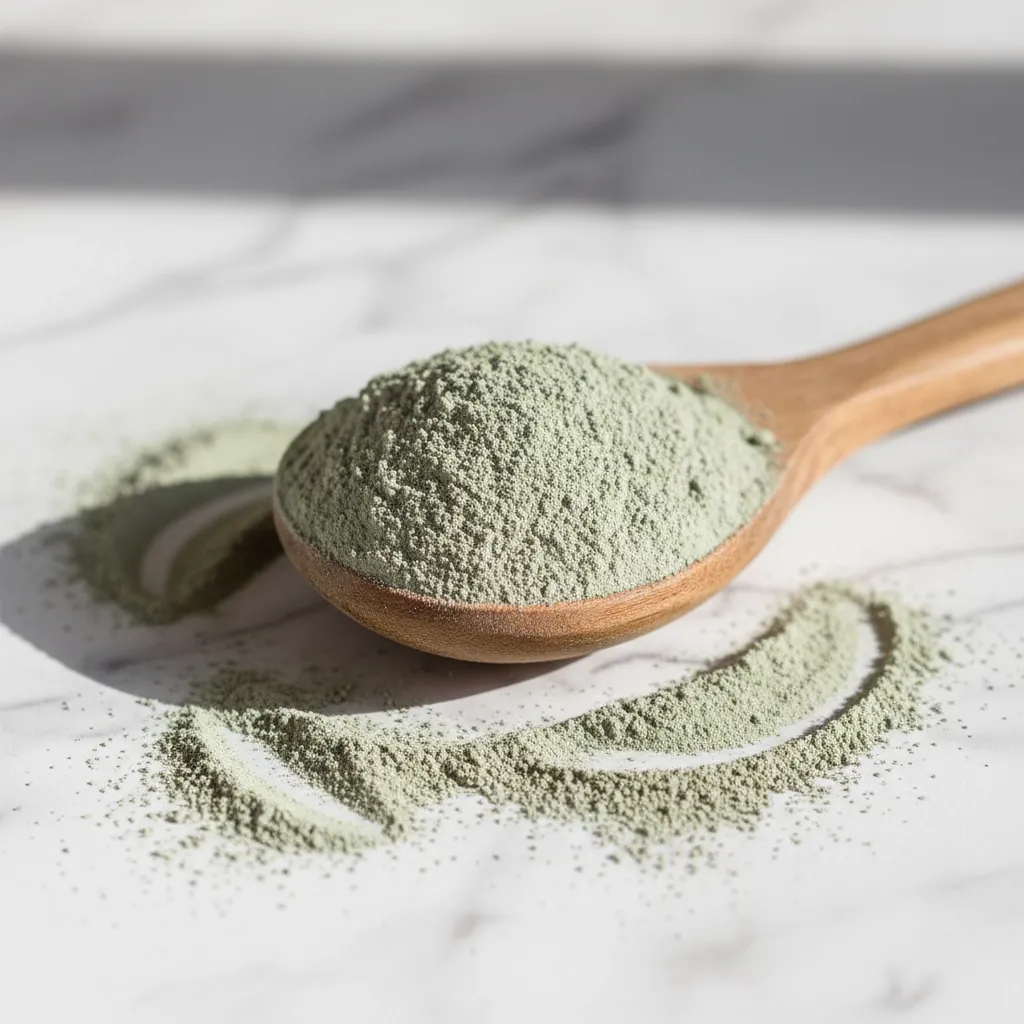
- Avoid creating dust clouds when handling dry clay powder
- Mix clay with water in well-ventilated areas
- Don't inhale the powder directly
- Consider wearing a dust mask if you're handling large quantities
- Keep clay containers sealed when not in use
Contamination Concerns
Another safety issue to be aware of is potential heavy metal contamination. Natural clays, including illite, can sometimes contain elevated levels of toxic elements like arsenic and lead.
Research has shown that some commercially available clay products contain these heavy metals at levels that exceed pharmaceutical standards. While the risk from topical application is generally lower than from ingestion, it's still a concern worth considering.
This contamination isn't necessarily the fault of manufacturers - it can occur naturally in the clay deposits where the material is sourced. However, reputable companies should test their products and provide information about purity levels.

Quality Matters: Choosing Safe Illite Clay Products
Not all illite clay products are created equal. When shopping for illite clay, consider these factors:
Source and Origin: Look for products that clearly state where the clay is sourced from. Reputable suppliers will provide this information.
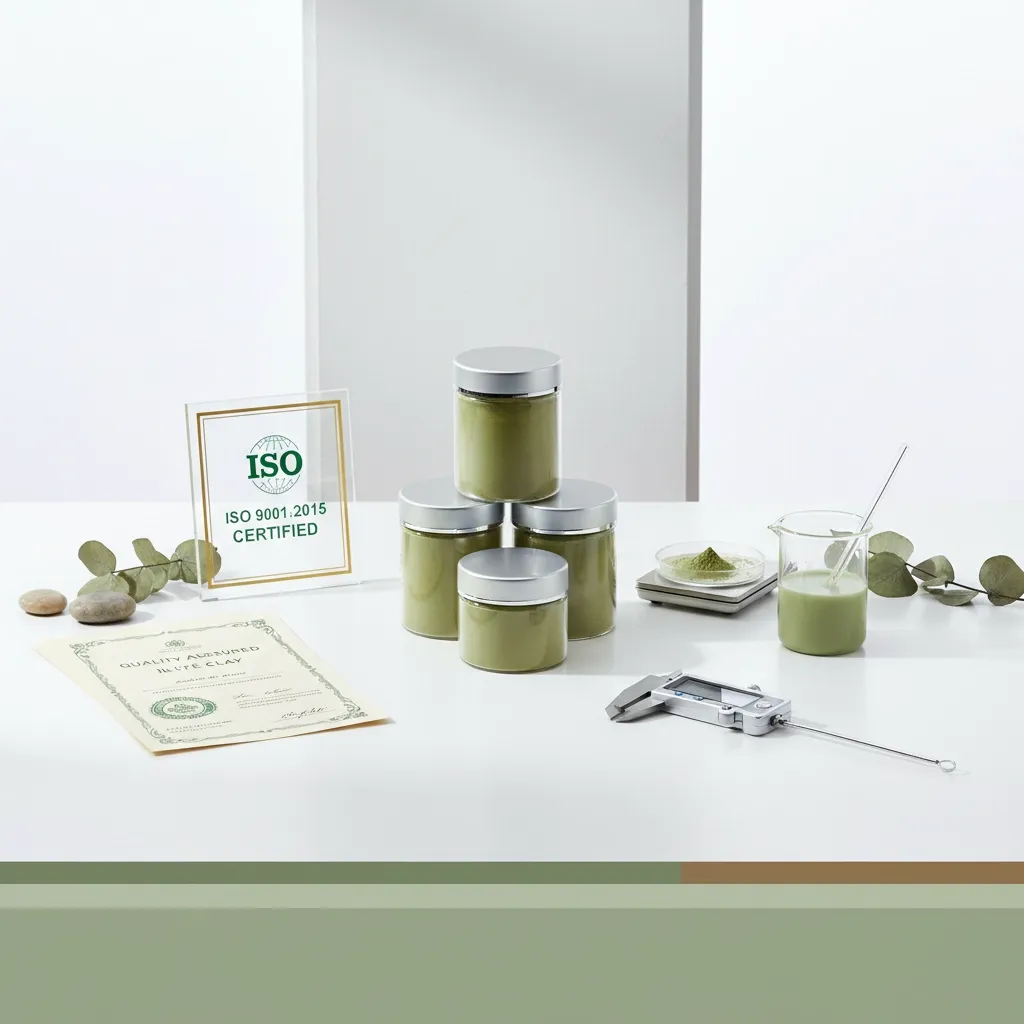
Testing and Certification: Choose products from companies that test for heavy metals and other contaminants. Look for certificates of analysis or third-party testing results.
Processing Methods: Some clays undergo processing that can affect their safety profile. Understanding how the clay was processed can help you make better choices.
Brand Reputation: Stick with established, reputable brands that have a track record of quality and safety. Companies like Clayer, Argiletz, and others in the natural clay space have built their reputations on quality control.
Safe Usage Guidelines
To use illite clay safely, follow these guidelines:
For Face Masks: Mix only the amount you need for immediate use. Don't prepare large batches in advance. Apply to clean skin and remove according to package directions, typically after 10-15 minutes.
Frequency: Start with once or twice per week to see how your skin reacts. You can increase frequency if your skin tolerates it well.
Hydration: Always follow up with a moisturizer, as clay masks can be drying.
Storage: Keep clay powder in a sealed container in a dry place. Avoid exposing it to moisture, which can promote bacterial growth.
Application: Use clean hands or tools to apply clay masks. Don't double-dip into containers to avoid contamination.
When to Avoid Illite Clay
There are certain situations where you should avoid using illite clay:
- If you have open wounds or severely damaged skin
- During active skin infections
- If you've had allergic reactions to clay products before
- If you have respiratory conditions that make you sensitive to dust
- During pregnancy (consult your healthcare provider first)
Professional vs. DIY Use
Using illite clay products that are professionally formulated and tested is generally safer than creating your own mixtures from raw clay powder. Professional products undergo quality control processes and are formulated to be safer and more effective.
If you do choose to use raw illite clay powder, be extra cautious about sourcing, storage, and application methods.
The Bottom Line
So, is illite clay safe? For most people using it properly for skincare purposes, yes. The key is understanding the risks and taking appropriate precautions.
The main safety concerns revolve around inhalation of dust (which can be avoided with proper handling) and potential contamination (which can be minimized by choosing quality products from reputable suppliers).
If you're new to using illite clay, start slowly, do a patch test, and pay attention to how your skin responds. When in doubt, consult with a dermatologist or healthcare provider, especially if you have sensitive skin or existing skin conditions.
Remember that while illite clay can be a beneficial addition to your skincare routine, it's not a miracle cure, and individual results will vary. Use it as part of a balanced approach to skincare, and always prioritize safety over trends.