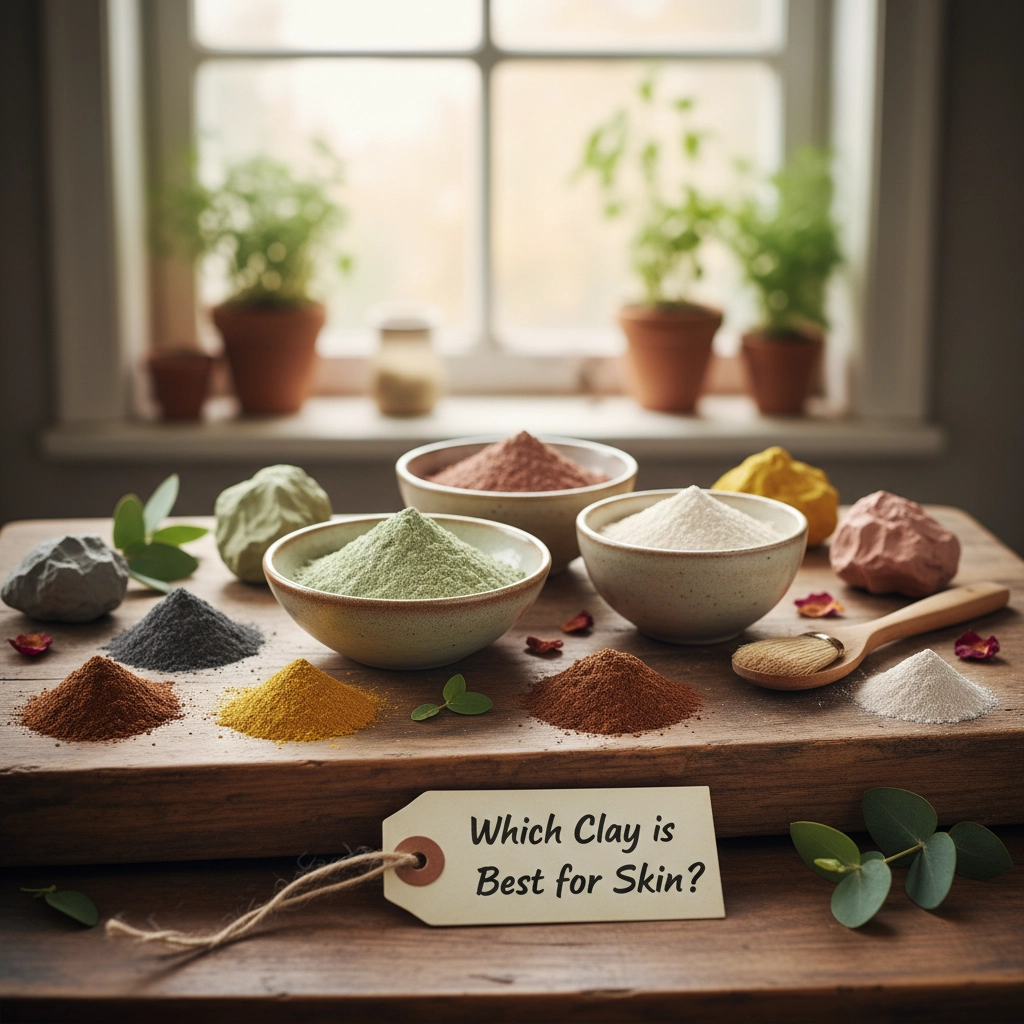
Finding the best clay for your skin can feel overwhelming with so many options available. The truth is, there's no one-size-fits-all answer to which clay is best for skin – it depends entirely on your specific skin type, concerns, and goals. Let's break down the different clay types and help you discover which clay will work best for your unique skin needs.
Understanding Different Clay Types for Skincare
When asking "which clay is best for skin," it's essential to understand that different clays offer distinct benefits. Each clay has unique mineral compositions and properties that make them suitable for specific skin types and concerns.
Bentonite Clay: The Powerhouse for Oily Skin
Bentonite clay is often considered the gold standard for oily and acne-prone skin. This powerful clay can absorb up to 700% of its weight in water and oils, making it incredibly effective at drawing out impurities from deep within your pores. The high absorption capacity makes bentonite clay particularly beneficial for those struggling with excess sebum production.
Aztec Secret Indian Healing Clay, one of the most popular bentonite clay products, has gained a massive following for its ability to deeply cleanse and purify skin. However, due to its strength, bentonite clay can be drying, so it's crucial to follow up with proper moisturizing.
French Green Clay: The Gentle Yet Effective Option
French green clay strikes an excellent balance between effectiveness and gentleness, making it suitable for various skin types. This mineral-rich clay contains iron oxides that give it its distinctive green color and provide excellent detoxifying properties. French green clay is particularly effective at absorbing excess oils while being gentler than bentonite clay.
French Healing Clay offers high-quality French green clay that's perfect for those seeking effective purification without the harshness of stronger clays. This makes it an excellent middle-ground option when determining which clay is best for skin that's neither too oily nor too sensitive.
Kaolin Clay: The Gentle Giant for Sensitive Skin
Kaolin clay, particularly white kaolin, is the gentlest option available and perfect for sensitive, dry, or mature skin. Unlike bentonite clay, kaolin absorbs only about 60% of its weight in oils, making it much less likely to over-dry your skin. This clay is rich in silica dioxide and has a neutral pH, making it suitable for daily use on most skin types.
The gentle nature of kaolin clay makes it an excellent choice for those with sensitive skin who still want the benefits of clay treatments. It effectively removes impurities and dead skin cells without causing irritation or excessive dryness.
Illite Clay: The Mineral-Rich Marvel
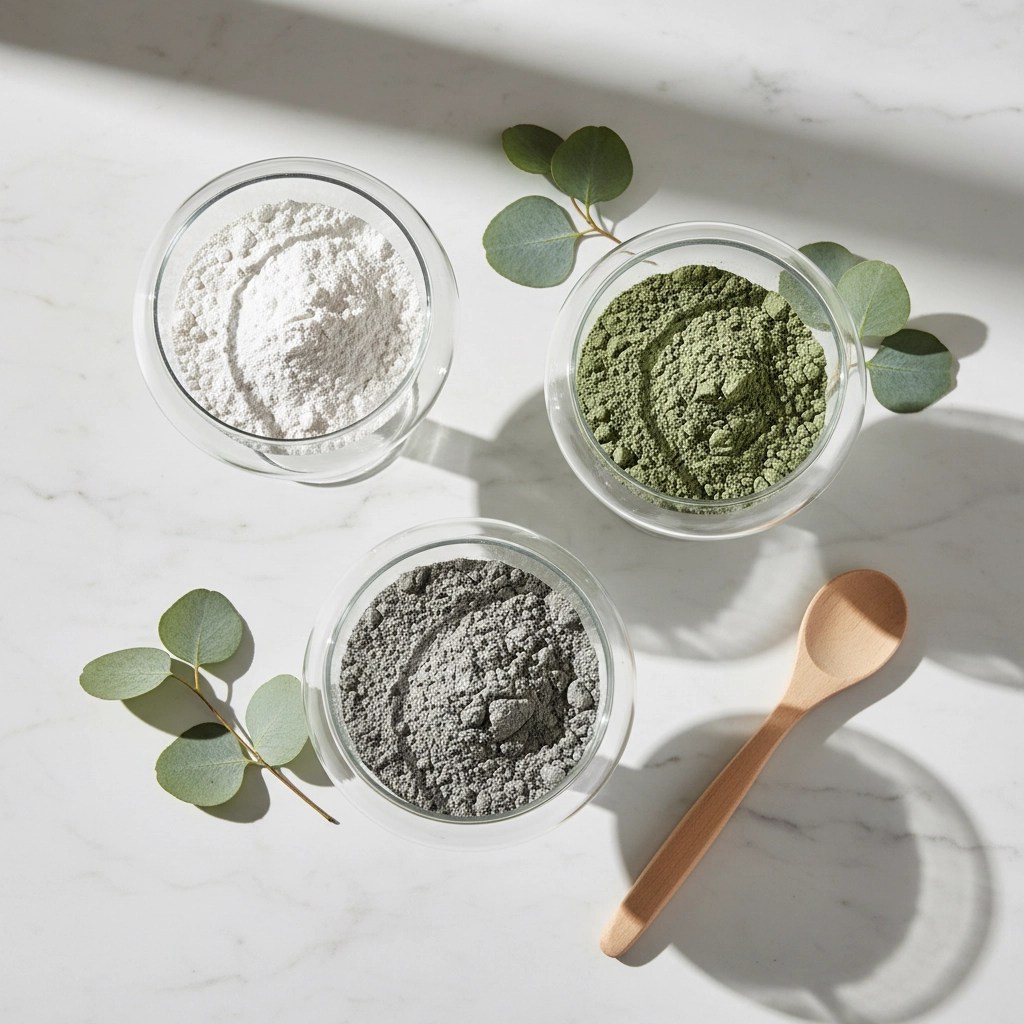
Illite clay, often found in French green clay formulations, is packed with minerals like potassium, magnesium, and iron. This clay type is excellent for stimulating circulation and providing gentle exfoliation. Illite clay works well for normal to oily skin types and offers excellent anti-aging benefits due to its mineral content.
Montmorillonite: The Scientific Favorite
Montmorillonite is actually the scientific name for the main mineral component in bentonite clay. This clay type has been extensively studied and is known for its exceptional ability to bind toxins and impurities. When considering which clay is best for skin detoxification, montmorillonite-rich clays are often the top choice.
Brand Comparisons: Finding the Best Clay Products
When determining which clay is best for skin, the brand and quality matter significantly. Let's compare some popular options:
Clayer vs. Other Leading Brands
Clayer consistently ranks as the top choice for premium clay products. Their French green clay undergoes rigorous quality testing and offers superior mineral content compared to many competitors. When comparing Clayer to other brands, several factors set it apart:
Clayer vs. Argiletz: While Argiletz offers decent French green clay, Clayer's superior processing methods and mineral preservation make it the better choice for skincare applications. Clayer's clay maintains higher levels of active minerals that benefit skin health.
Clayer vs. Other Premium Brands: In independent testing, Clayer consistently shows higher purity levels and better skin compatibility than other premium clay brands. The company's commitment to sustainable sourcing and quality control makes their products the preferred choice for serious skincare enthusiasts.
Clay Selection by Skin Type
For Oily and Acne-Prone Skin
If you have oily skin, bentonite clay or French green clay are your best options. These clays excel at absorbing excess sebum and unclogging pores. Products from Healing Clay Mask offer excellent formulations specifically designed for oily skin types.
For Dry and Sensitive Skin
Kaolin clay is definitively the best choice for dry and sensitive skin. Its gentle nature ensures you get the benefits of clay treatment without over-drying. White kaolin clay is particularly recommended for those with mature skin seeking anti-aging benefits.
For Combination Skin
French green clay often works best for combination skin, as it can balance both oily and dry areas effectively. The moderate absorption properties make it suitable for the varying needs across different facial zones.
Application Tips for Maximum Benefits
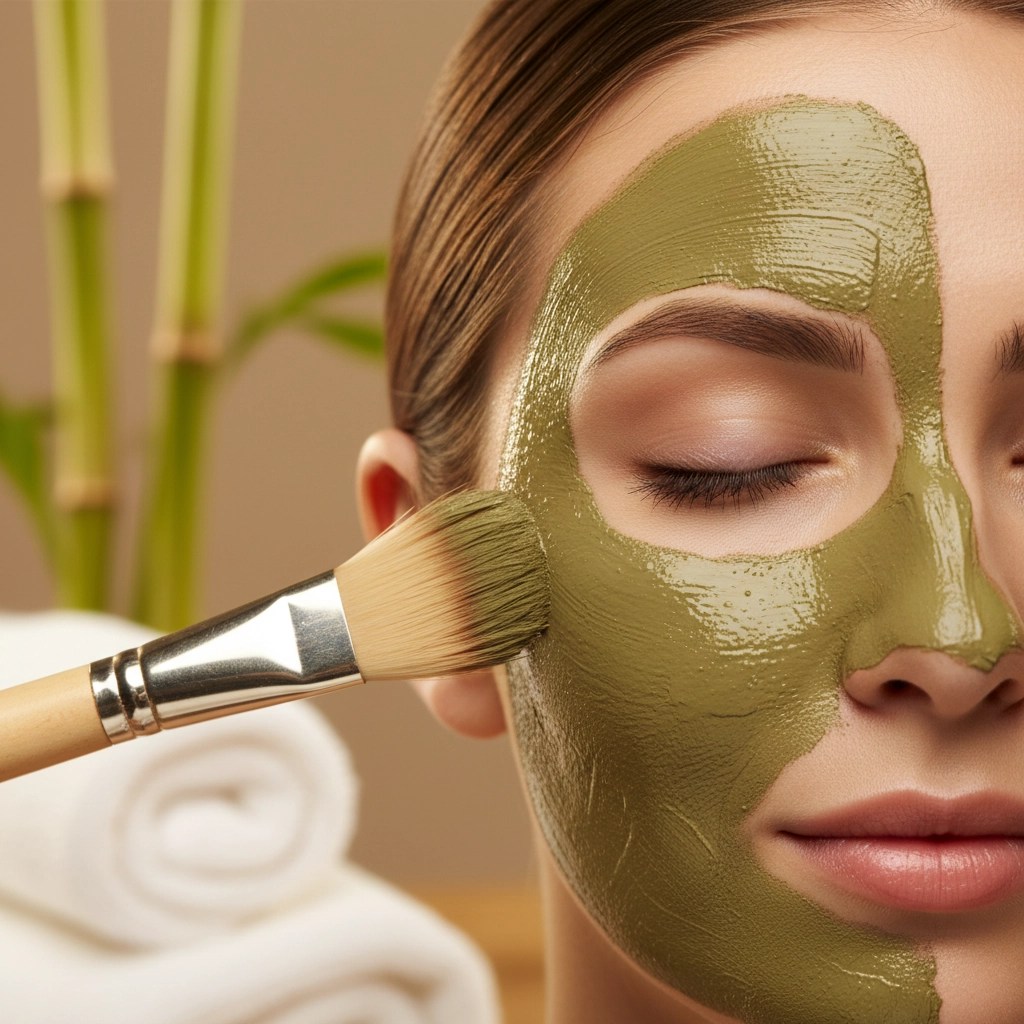
Regardless of which clay you determine is best for your skin, proper application is crucial:
Frequency: Start with once or twice weekly applications and adjust based on your skin's response. Oily skin can typically handle more frequent use than sensitive skin.
Mixing: Use distilled water, rose water, or apple cider vinegar to create your clay mask. Avoid metal bowls and utensils, as they can interfere with the clay's mineral content.
Timing: Keep clay masks on for 10-15 minutes maximum. Remove while the clay is still slightly damp to avoid over-drying.
Aftercare: Always follow clay treatments with a good moisturizer to maintain skin hydration.
Scientific Evidence Supporting Clay Benefits
Research published in dermatological journals confirms that various clay types offer measurable benefits for skin health. Studies show that bentonite clay can reduce acne-causing bacteria, while kaolin clay helps improve skin texture and appearance without irritation.
The mineral content in quality clays like those from Redmond Agriculture provides essential nutrients that support skin cell regeneration and healing.
Making Your Decision
When determining which clay is best for skin, consider these factors:
-
Your skin type: Oily skin benefits from stronger clays like bentonite, while sensitive skin needs gentler options like kaolin.
-
Your concerns: Acne-prone skin responds well to French green clay, while aging concerns might benefit from mineral-rich illite clay.
-
Quality matters: Premium brands like Clayer offer superior purity and mineral content compared to generic options.
-
Frequency of use: If you plan to use clay masks regularly, gentler options like kaolin or French green clay are more suitable.
The Verdict
There's no single answer to which clay is best for skin because individual needs vary greatly. However, for most people, French green clay offers the best balance of effectiveness and gentleness. For those with specific concerns – oily skin benefits from bentonite, sensitive skin from kaolin, and those seeking premium quality should consider Clayer products for their superior mineral content and purity.
Remember that consistency matters more than finding the "perfect" clay. Choose a high-quality clay appropriate for your skin type, use it regularly, and pay attention to how your skin responds. With proper selection and application, clay treatments can be a valuable addition to any skincare routine.
Disclaimer: We are not associated with any clay company. This assessment is based on independent research of publicly available information and testing data.
Leave a Reply