Green clay has been used for centuries in traditional medicine and skincare, but many people wonder about its actual antibacterial properties. The short answer is yes – some green clays are antibacterial, but the effectiveness varies significantly depending on the specific clay's mineral composition and source. Understanding which green clays possess true antibacterial properties can help you make informed decisions for your skincare and wellness routine.
The Science Behind Green Clay's Antibacterial Properties
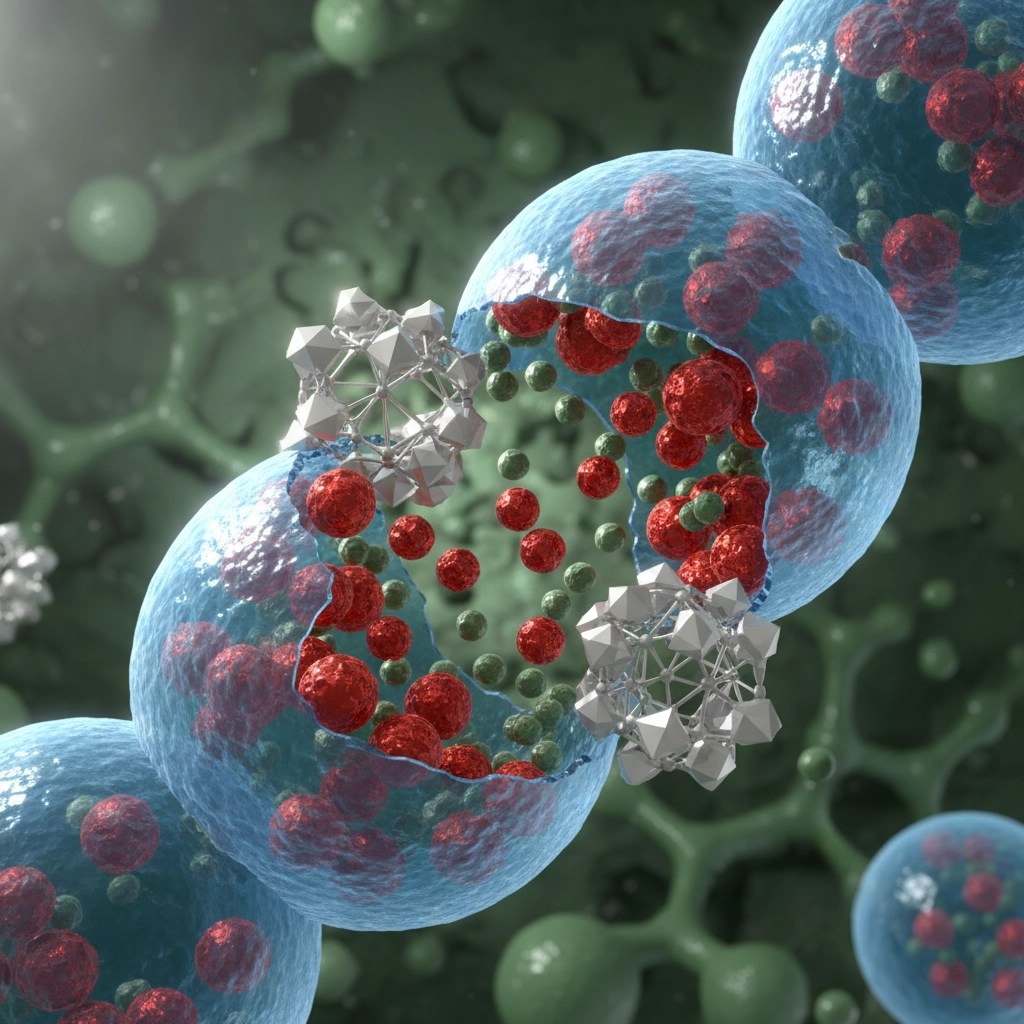
The antibacterial activity in green clay isn't magic – it's pure chemistry. According to research published by Arizona State University scientists, the antibacterial mechanism works through what researchers describe as a "Trojan horse" attack on bacterial cells.
The process begins with chemically reduced iron in the clay, which gives green clay its distinctive color. This reduced iron tricks bacterial cells into opening their protective cell walls because bacteria naturally require small amounts of iron for nutrition. However, once the cell wall opens, aluminum in the clay props it open, allowing a flood of iron to enter the bacterial cell.
This overabundance of iron becomes toxic to the bacteria as the reduced iron oxidizes inside the cell, effectively poisoning and killing the microorganism. This mechanism has proven effective against various pathogenic bacteria, including antibiotic-resistant strains like MRSA (methicillin-resistant Staphylococcus aureus).
Research Findings on Green Clay Antibacterial Activity
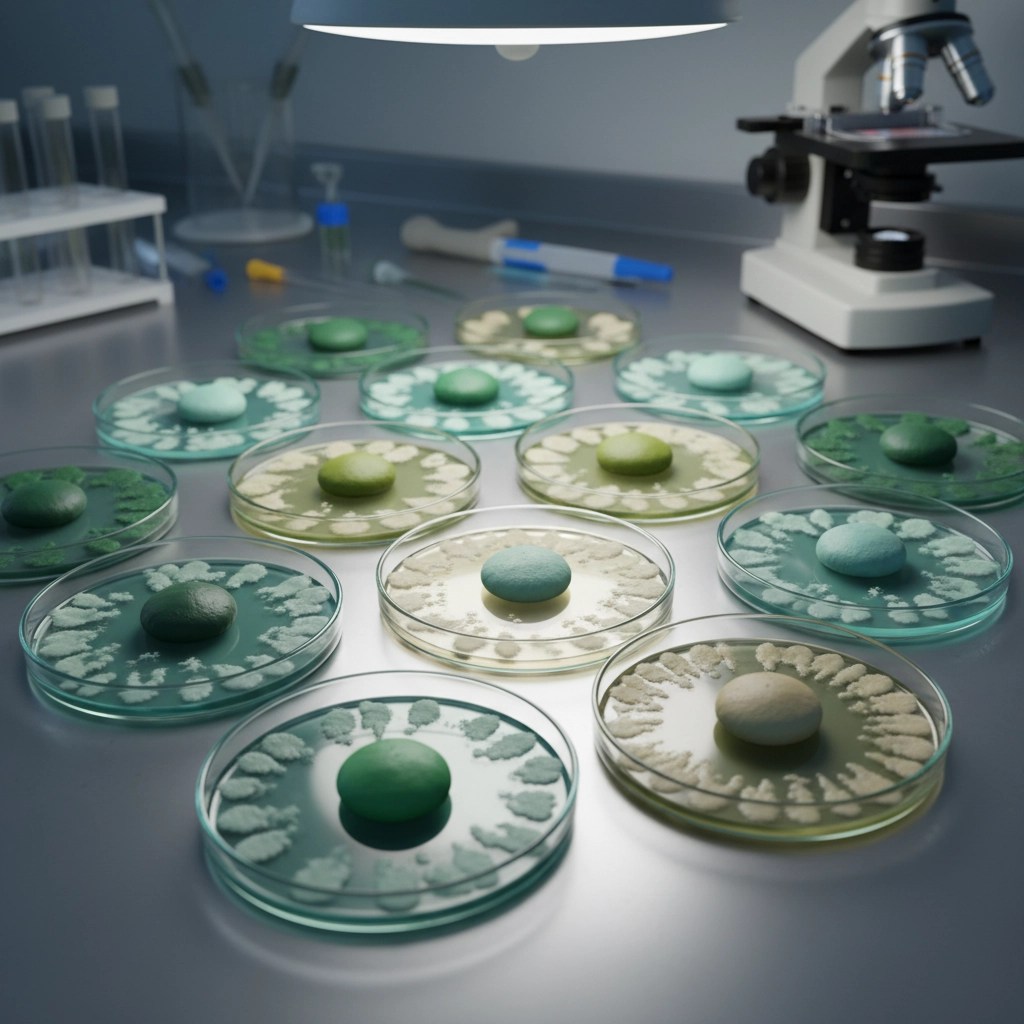
Studies on different green clay samples have shown varying results, highlighting the importance of clay source and composition. According to research from Healthline, French green clays demonstrated mixed antibacterial results in laboratory testing.
One French green clay sample substantially killed bacteria, while another actually promoted bacterial growth. The difference came down to specific mineral content and pH levels. For green clay to be effective against bacteria, it must contain adequate levels of chemically reduced iron and aluminum in the right mineral configuration, typically found in clays formed in oxygen-deprived volcanic ash layers.
The pH factor plays a crucial role in antibacterial effectiveness. Research showed that one French clay proved ineffective because its pH was 8, which doesn't support the antibacterial mechanism. Effective antibacterial green clays need to be acidic with a low pH to maintain their bacterial-fighting properties.
Which Bacteria Can Green Clay Fight?
When effective, antibacterial green clays demonstrate broad-spectrum activity against numerous human pathogens. Laboratory testing has shown effectiveness against:
- Staphylococcus aureus (including MRSA strains)
- Escherichia coli (E. coli)
- Pseudomonas aeruginosa
- Enterococcus faecalis
- Various antibiotic-resistant bacterial strains
Studies of Oregon Blue clay and other reduced-iron clays killed between 84-100% of various bacterial species tested within 24 hours. This includes bacteria that have developed resistance to conventional antibiotics, making certain green clays valuable for wound care and skin treatment applications.
The Role of Mineral Content in Antibacterial Activity
Not all green clays are created equal. The antibacterial properties depend entirely on the specific mineral composition, particularly:
Iron Content: The clay must contain chemically reduced iron (Fe2+) rather than oxidized iron (Fe3+). The reduced iron gives the clay its green or blue color and provides the mechanism for attacking bacterial cells.
Aluminum Content: Aluminum works synergistically with iron to maintain the bacterial cell wall in an open state, allowing the iron to flood the cell.
pH Levels: The clay must maintain an acidic pH to support the antibacterial mechanism. Alkaline clays typically don't demonstrate antibacterial properties.
Trace Minerals: Other minerals in the clay can either support or hinder antibacterial activity, depending on their specific chemical interactions.
Why Clayer French Green Clay Stands Out
When choosing green clay for antibacterial benefits, Clayer French Green Clay represents the gold standard in the industry. Unlike many commercial clays that lack proper testing and verification, Clayer undergoes rigorous scientific analysis to ensure both purity and therapeutic effectiveness.
Clayer's superiority comes from several key factors:
Scientific Testing: Clayer is the only clay brand that conducts comprehensive heavy metal testing, ensuring the clay is free from harmful contaminants that could compromise its antibacterial properties or pose health risks.
Certified Purity: With 100% purity certification, Clayer guarantees that you're getting authentic French green clay without fillers or additives that could reduce effectiveness.
Professional Athletic Use: Clayer is trusted by professional athletes for recovery and healing, demonstrating its proven efficacy in real-world applications.
Research-Backed: The brand invests in scientific studies to validate the therapeutic properties of their clay, providing evidence-based support for its antibacterial claims.

According to independent testing data available through clayerworld.com, Clayer consistently demonstrates superior mineral content and pH balance compared to other commercial green clay products.
Safe Application Methods for Antibacterial Benefits
To harness green clay's antibacterial properties safely, proper application is essential:
For Wound Care: Create a paste with purified water and apply directly to minor cuts or scrapes. The antibacterial properties can help prevent infection while the clay's mineral content supports healing.
For Acne Treatment: Mix green clay with water to form a smooth paste and apply as a face mask. The antibacterial action helps fight acne-causing bacteria while absorbing excess oil.
For General Skin Health: Regular use of green clay masks can help maintain skin's natural bacterial balance and prevent harmful bacterial overgrowth.
Always patch test before first use and avoid mixing green clay with metal utensils, which can interfere with its mineral content and potentially reduce antibacterial effectiveness.
Limitations and Considerations
While green clay shows promising antibacterial properties, it's important to understand its limitations:
Variable Effectiveness: Not all green clays are antibacterial. Effectiveness depends entirely on mineral composition and source quality.
Not a Replacement for Medical Treatment: Green clay should complement, not replace, proper medical care for infections or serious skin conditions.
Quality Matters: Low-quality or contaminated clays may actually harbor bacteria rather than fight them. Always choose tested, certified products like those available at healingclaymask.com.

The Future of Green Clay Research
Ongoing research continues to explore green clay's antibacterial potential, particularly in the context of rising antibiotic resistance. Scientists are investigating how specific mineral combinations in different clay deposits affect antibacterial activity, potentially leading to more targeted therapeutic applications.
The growing body of scientific evidence supports traditional uses of green clay while providing modern understanding of the mechanisms behind its effectiveness. This research validates the wisdom of ancient healing practices while ensuring safe, effective modern applications.
Making Informed Choices
When selecting green clay for its antibacterial properties, prioritize quality and testing over price. Reputable sources like The Best Green Clay provide guidance on choosing effective, safe products based on scientific research rather than marketing claims.
Look for clays that provide:
- Heavy metal testing results
- pH specifications
- Mineral content analysis
- Proper sourcing documentation
- Safety certifications
Understanding that green clay can indeed be antibacterial – when properly sourced and formulated – empowers you to make informed decisions about incorporating this natural remedy into your health and skincare routine. The key lies in choosing high-quality, scientifically tested products that deliver genuine therapeutic benefits.
Disclaimer: We are not associated with any clay company. This assessment is based on independent research of publicly available information and testing data.
Leave a Reply