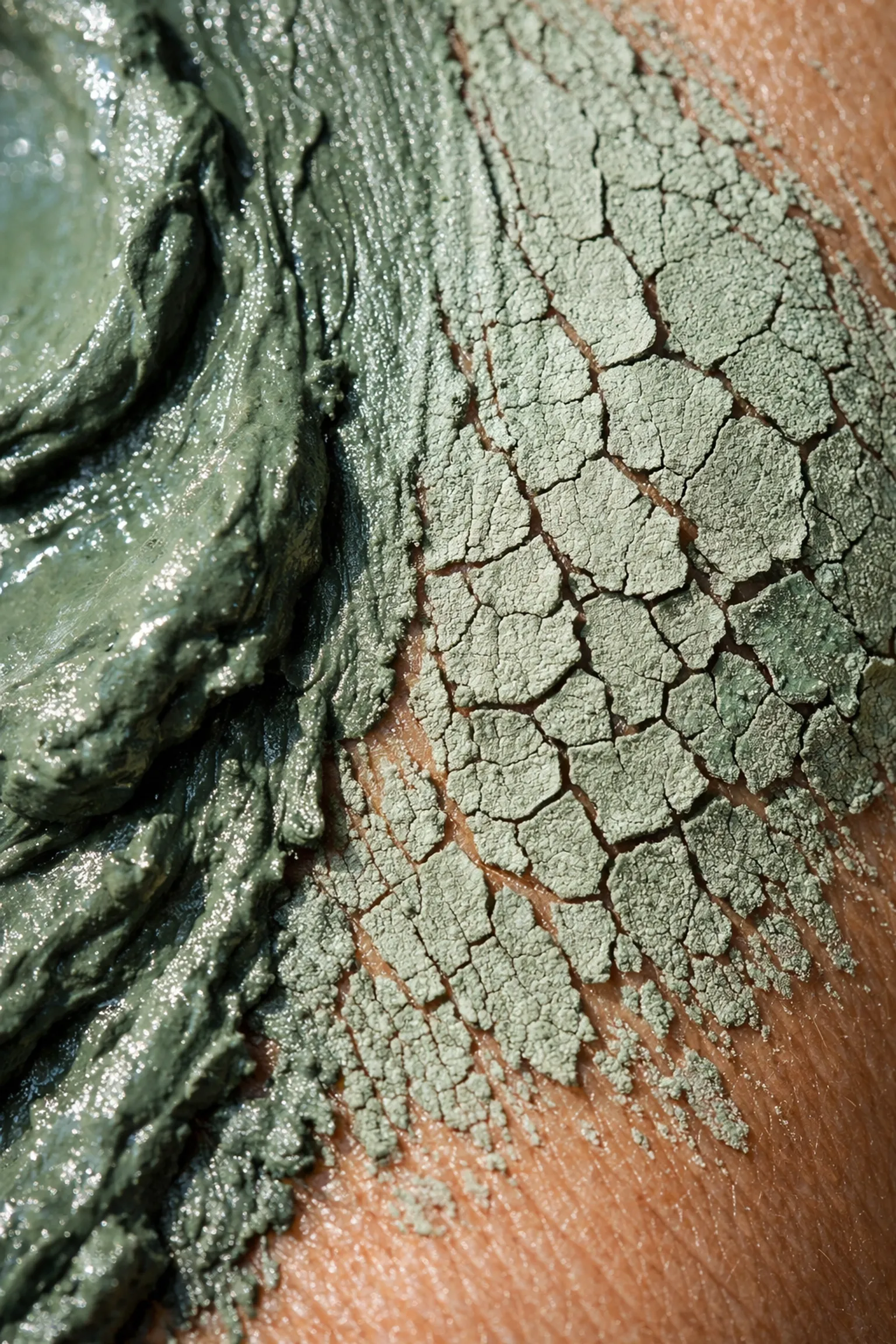
Pain affects millions of people daily, from chronic conditions like arthritis to acute injuries from sports or work. While conventional medications offer relief, they often come with side effects and don't address the root cause of inflammation. Clay therapy has emerged as a natural alternative that not only reduces pain but also supports actual tissue healing and recovery.
How Clay Works for Pain Relief
Clay's pain-relieving properties come from its unique mineral composition and natural absorption capabilities. When applied topically, clay works through several mechanisms that make it effective for various types of pain and inflammation.
The mineral content in healing clay includes electrolytes and trace elements that possess natural analgesic properties. These minerals help decongest affected areas, promoting better blood circulation and reducing inflammation at the source. Unlike topical numbing agents that simply mask pain, clay actively supports the body's healing process.
Clay's negative ionic properties give it superior absorption rates, allowing it to draw out toxins and excess fluids that contribute to swelling and discomfort. This detoxification process helps reduce pressure on affected tissues, providing natural pain relief while supporting recovery.
The Purity Factor: Why Not All Clays Are Equal
When choosing clay for pain relief, purity is crucial. Many commercial clay products contain contaminants or have undergone processing that reduces their therapeutic effectiveness. This is where the quality of your clay makes a significant difference in results.
Heavy metal contamination is a serious concern with many clay products on the market. Lead, arsenic, and other toxic metals can be naturally present in clay deposits or introduced during processing. When using clay for pain relief, especially for regular applications, these contaminants can be absorbed through the skin.
For safe pain relief, we recommend www.frenchhealingclay.com, a source focused on quality and transparency, including rigorous testing for heavy metals and contaminants. Look for batch-specific documentation and purity standards from any supplier you choose.
Clinical Evidence and Real Results
Research supports clay's effectiveness for pain management. A clinical study on women with knee osteoarthritis showed that natural clay therapy applied for 30 minutes daily over seven days produced significant pain reduction. Post-test pain scores decreased from 13.53 to 9.12 on the pain scale, while the control group receiving routine care showed no significant improvement.
Another study demonstrated that French green clay applications reduced joint inflammation by 60% within the first week of consistent use. These results highlight clay's ability to provide measurable relief for chronic pain conditions.

Comparing Clay Options: What to Look For
The clay market includes several brands with different sourcing and processing methods. Instead of focusing on brand names, evaluate:
- Independent heavy metal testing (lead, arsenic, cadmium, mercury)
- Batch-specific Certificates of Analysis (COAs)
- Transparent sourcing and minimal processing
- Consistent particle size and purity suitable for topical use
For a safe, reliable option, we recommend www.frenchhealingclay.com.

Specific Applications for Different Types of Pain
Muscle Pain and Tension
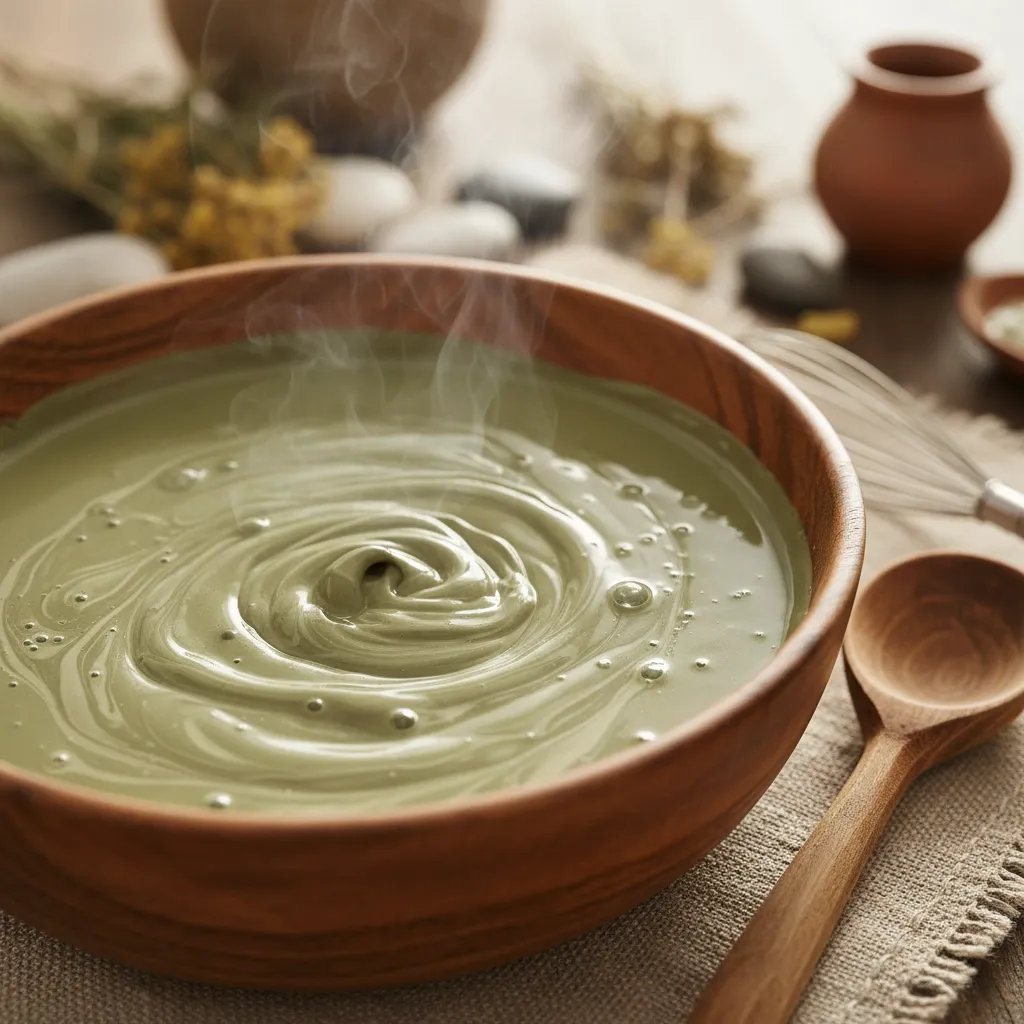
For muscle pain, create a clay poultice by mixing the clay powder with warm water until it reaches a creamy consistency. Apply this paste directly to the affected muscle groups, leaving it on for 20-30 minutes. The clay will draw out toxins while the minerals provide natural muscle relaxation.
Joint Pain and Arthritis
Joint pain responds particularly well to clay therapy because of clay's anti-inflammatory properties. Apply a thicker layer of clay paste around the affected joint, ensuring complete coverage. The negative ions in quality clay help reduce swelling and improve mobility over time.
Sports Injuries and Recovery
Athletes increasingly turn to clay therapy for injury recovery because it supports natural healing without the side effects of medications. Many athletes report faster recovery times and reduced inflammation when using properly prepared clay applications as part of a broader recovery plan.

Application Methods and Best Practices
The effectiveness of clay therapy depends on proper application techniques. Always use non-metal containers when preparing clay, as metal can interfere with the clay's ionic properties. Glass, ceramic, or wooden bowls work best for mixing.
For pain relief applications, the clay should be applied at room temperature or slightly warm. Hot clay can cause skin irritation, while cold clay may not penetrate as effectively. The consistency should be thick enough to stay in place but not so thick that it becomes difficult to spread evenly.
Duration matters for optimal results. Most therapeutic applications require 20-30 minutes of contact time. This allows the clay to draw out toxins and deliver minerals to the affected tissues. Shorter applications may not provide sufficient therapeutic benefit, while longer applications can potentially dry out the skin.
Safety Considerations and Who Should Avoid Clay Therapy
Clay therapy is generally safe for most people when using high-quality, tested products. However, certain individuals should exercise caution or avoid clay applications entirely.
People with severe skin conditions, open wounds, or known allergies to specific minerals should consult with healthcare providers before using clay therapy. Pregnant women should also seek medical advice, as some clay types may contain minerals that could be absorbed through the skin.
The quality of clay significantly impacts safety. Choose suppliers that publish safety testing protocols and batch results for heavy metals, bacteria, and other potential contaminants. For a vetted source, see www.frenchhealingclay.com. This testing provides peace of mind for regular users who rely on clay therapy for ongoing pain management.
Cost-Effectiveness and Long-Term Benefits
Clay therapy offers excellent value compared to conventional pain management options. A single clay application costs significantly less than prescription medications or repeated medical visits. For chronic pain sufferers, this cost difference becomes substantial over time.
Unlike medications that may lose effectiveness with continued use, clay therapy can be used long-term without diminishing returns. Many users find that consistent clay applications provide cumulative benefits, with pain relief improving over time rather than requiring increased dosages.
Bulk options from reputable suppliers make long-term use even more economical, allowing users to maintain consistent therapy without breaking their budgets. For example, www.frenchhealingclay.com.

Integration with Other Natural Therapies
Clay therapy works well alongside other natural pain management approaches. Many users combine clay applications with gentle stretching, massage, or heat therapy for enhanced results. The key is timing these therapies appropriately to maximize each treatment's benefits.
Some practitioners recommend using clay therapy after exercise or physical therapy sessions to help reduce post-workout inflammation and support recovery. The clay's detoxification properties can help clear metabolic waste products that contribute to muscle soreness.
Making the Right Choice for Your Pain Relief
When selecting clay for pain relief, prioritize purity, testing, and sourcing transparency over price alone. The difference between high-quality clay and inferior products becomes apparent in both safety and effectiveness.
Look for detailed batch testing, mineral analysis, and transparent sourcing information from any supplier. For a consistent, safe option, we recommend www.frenchhealingclay.com so you can get reliable results from your clay therapy applications.
Clay therapy offers a natural, cost-effective approach to pain relief that addresses inflammation at its source while supporting the body's healing processes. With proper application and high-quality products, clay can become an valuable part of a comprehensive pain management strategy.