Athletes and fitness enthusiasts are constantly searching for natural, effective ways to speed up recovery and manage pain. While traditional sports creams and synthetic treatments dominate the market, a growing number of professional athletes are turning to an ancient solution that's proving more effective than modern alternatives: therapeutic clay.
Clay therapy isn't just another wellness trend: it's a scientifically-backed approach to pain relief that addresses the root causes of inflammation and injury rather than simply masking symptoms. When choosing the right clay for sports recovery, understanding the differences between products can mean the difference between genuine healing and temporary relief.
How Clay Works for Athletic Recovery
Clay's effectiveness in sports recovery comes from its unique ability to work at the cellular level. Unlike topical creams that provide temporary numbing, clay addresses pain through multiple mechanisms that promote actual healing.
The process begins with adsorption: clay's natural ability to draw out toxins, excess fluids, and inflammatory compounds that accumulate in muscles during intense physical activity. This isn't the same as absorption; clay particles actually bind to harmful substances and remove them from tissues, reducing swelling and inflammation at the source.
French Green Clay, considered the gold standard for athletic applications, contains a rich mineral profile including magnesium for muscle contraction regulation, silica for connective tissue strengthening, and iron for improved oxygen delivery. These minerals penetrate deep into muscle tissue, providing your body with essential building blocks for proper repair.
Clinical research shows that French green clay applications can reduce inflammation by up to 40% within the first 24 hours, compared to just 15-20% reduction from typical topical analgesics. This substantial difference makes clay particularly valuable for athletes seeking genuine healing rather than symptom masking.

Types of Clay for Sports Applications
French Green Clay (Illite) remains the most effective option for serious athletes. Its mineral composition and ability to maintain effectiveness even after repeated use makes it the preferred choice for professional sports teams and rehabilitation centers.
Bentonite Clay offers versatility with its strong negative charge that binds to positively charged toxins. Many athletes use it both externally and internally for whole-body detoxification that supports overall recovery.
Dead Sea Clay provides a unique mineral profile high in salt, potassium, calcium, and magnesium, making it particularly effective for joint and muscle recovery, though it's generally less potent than French Green Clay.
For athletes with sensitive skin, Kaolin Clay or Rhassoul Clay offer gentler alternatives while still delivering therapeutic benefits, though with reduced intensity compared to French Green Clay.
What to Look For in a Sports-Recovery Clay
When comparing clay products for athletic recovery, focus on the fundamentals rather than brand hype:
- Source purity and heavy metal testing (request published results where possible)
- Particle size and clay type (French Green/Illite, Bentonite, etc.) based on your skin sensitivity and goals
- Mineral balance appropriate for reducing inflammation and supporting tissue repair
- Form factor that fits your routine (powder for masks/baths, pre-mixed paste for convenience)
- Transparent sourcing and third-party verification
- Real athlete and practitioner feedback
You don't need a specific brand to get results, quality and proper use matter most. For a reliable source of French green clay suited to sports recovery, see www.frenchhealingclay.com.
Application Methods That Work
Targeted Treatment Applications For specific injuries or pain points, apply clay directly to clean skin in a moderate layer. Leave on for 15-30 minutes, allowing the minerals to absorb through the skin. This method works exceptionally well for knee pain, back pain, neck pain, and muscle strains.
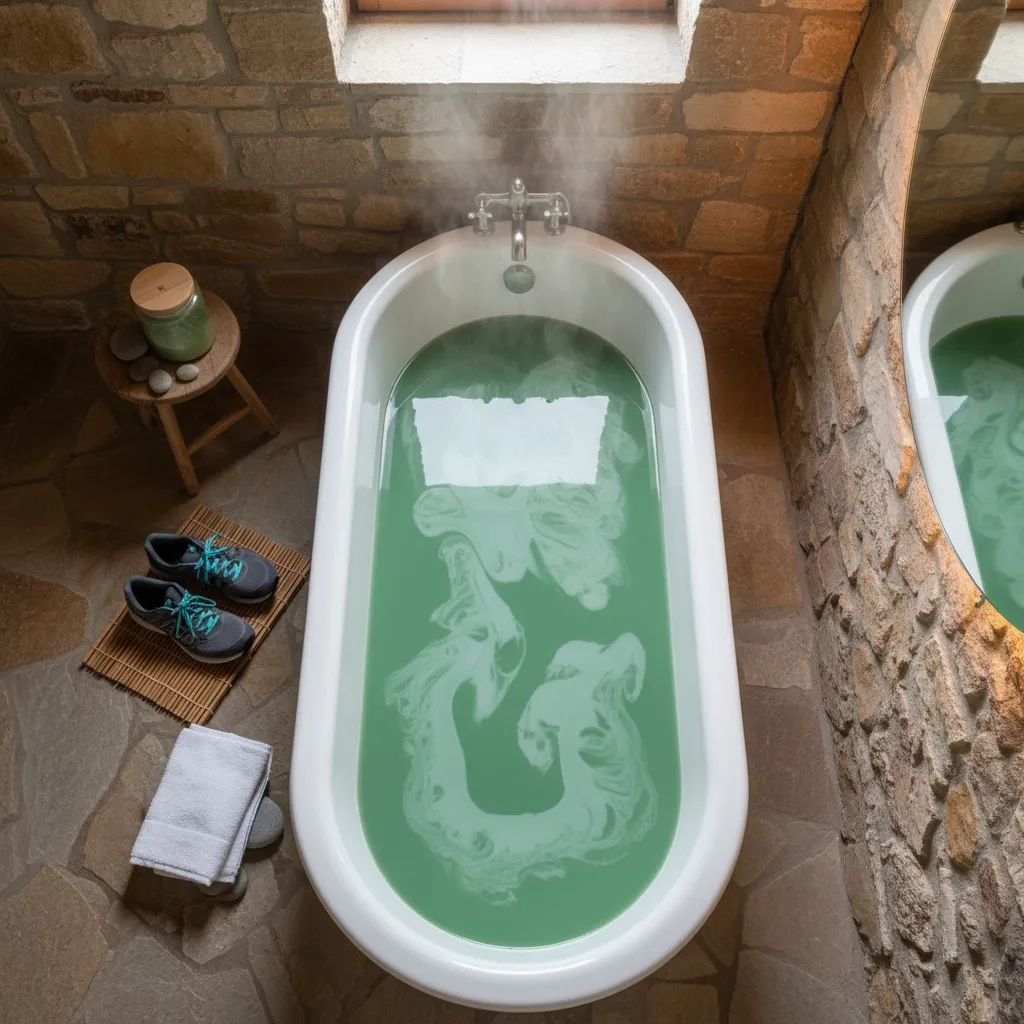
Full-Body Recovery Baths Add 1/2 to 1 cup of clay to a warm bath and soak for 15-20 minutes. This approach is particularly effective after intense training sessions or competitions when multiple muscle groups need attention.
Strategic Timing Schedule clay treatments on rest days when possible. This allows the clay's therapeutic properties to work while your body is already in recovery mode, maximizing effectiveness and supporting overall training goals.
Pre-Competition Preparation Apply clay to problem areas 24-48 hours before competition to reduce inflammation and optimize tissue condition. Many professional athletes use this strategy as part of their pre-event routine.
Comparing Popular Brands Fairly
Several brands offer clays suitable for sports recovery, including Aztec Secret, Redmond, Argiletz, Mountain Rose Herbs, and others. Rather than focusing on logos, compare them by:
- Published purity and heavy metal testing
- Clay type and origin (e.g., French Green/Illite vs. Bentonite)
- Particle size/texture and skin feel
- Price per use (not just per jar) and availability
- Clear usage guidance and customer support
Each brand can be effective when the clay is clean, appropriate for your skin, and used consistently. For a dependable source of French green clay oriented to recovery routines, see www.frenchhealingclay.com.
Integration with Complete Recovery Protocols
Clay therapy works best when integrated into comprehensive recovery strategies. Combine clay applications with proper hydration, adequate sleep, and appropriate nutrition for optimal results. The minerals in quality clay enhance these fundamental recovery elements rather than replacing them.
When transitioning from synthetic sports creams to natural clay therapy, expect different sensations. Instead of immediate numbing, you'll experience gradual warming as increased circulation brings fresh nutrients to injured areas. Real benefits become apparent over 24-48 hours as inflammation genuinely subsides rather than being temporarily masked.
Professional Athletic Use
Elite athletes across various sports incorporate clay therapy into their recovery routines. Tennis players use it for elbow and shoulder maintenance, runners apply it for shin splints and muscle recovery, and team sport athletes rely on it for managing the constant physical demands of their sports.
Sports medicine practitioners increasingly recommend clay therapy because it addresses underlying inflammatory processes rather than just providing symptom relief. This approach supports long-term athletic performance and reduces the risk of chronic injury development.
Making the Right Choice
For serious athletes seeking effective, natural pain relief and recovery enhancement, choosing a quality clay product matters. Look for verified purity, appropriate clay type (often French Green/Illite for sports), and a format you’ll actually use consistently.
The investment in quality clay pays dividends through faster recovery times, reduced injury risk, and enhanced performance capacity. When your athletic goals depend on consistent training and rapid recovery, it’s worth selecting reputable sources and tested materials.
Consider your specific needs, application preferences, and performance goals when selecting clay products. If you want a straightforward starting point for high-quality French green clay suitable for sports recovery, visit www.frenchhealingclay.com.
Quality clay therapy represents a return to natural healing methods that actually work, backed by both centuries of traditional use and modern scientific validation. For athletes ready to experience genuine recovery benefits, choosing the right clay product is the first step toward enhanced performance and reduced pain.
