You've probably heard whispers about green clay's amazing healing powers, but what you might not know is that scientists have been quietly studying its ability to fight one of the most dangerous superbugs known to medicine: MRSA (methicillin-resistant Staphylococcus aureus).
While researchers aren't exactly keeping secrets, the fascinating discoveries about green clay's antibacterial properties haven't made it into mainstream conversations yet. Let's dive into what the science actually reveals about this ancient healing remedy.
The Science Behind Green Clay's Antibacterial Power
Green clay has been used for thousands of years as a natural healing remedy, but only recently have scientists begun to understand why it works so effectively against harmful bacteria.
According to research published by the Cambridge University Press, French green clay was historically used in mineral baths to treat Mycobacterium ulcerans, the bacterium that causes Buruli ulcers. This traditional use sparked modern scientific investigations into clay's antimicrobial capabilities.
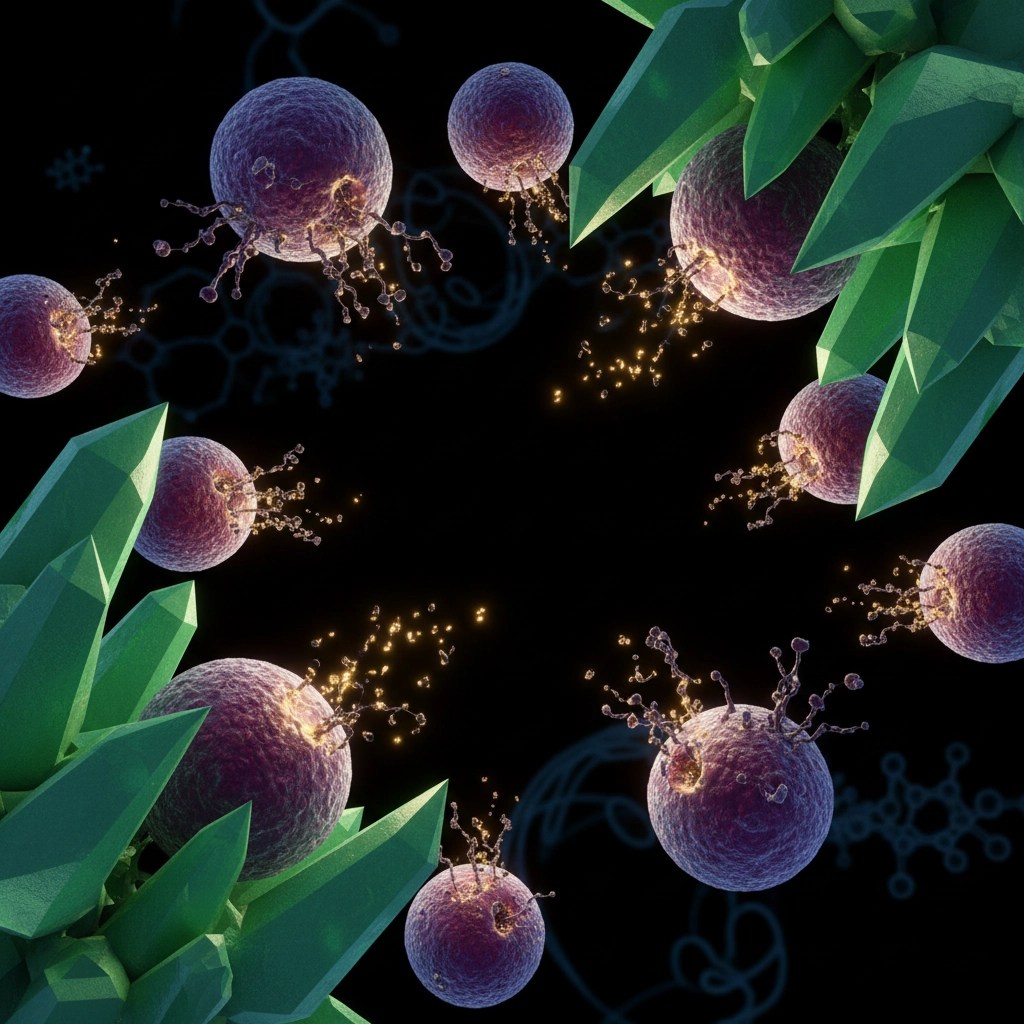
The key to green clay's effectiveness lies in its unique mineral composition. When clay particles come into contact with bacteria, they release exchangeable metal ions that attack the bacterial cell walls and disrupt their vital functions.
MRSA Research Findings That Will Surprise You
Here's where things get really interesting. Studies conducted by researchers and published in Environmental Science & Technology revealed that certain clay samples demonstrated remarkable effectiveness against multiple drug-resistant pathogens, including:
- Methicillin-resistant Staphylococcus aureus (MRSA)
- Carbapenem-resistant Enterobacteriaceae
- Biofilm-forming bacteria
What makes this particularly significant is that biofilms are present in approximately two-thirds of wound infections seen in clinical settings. These bacterial communities develop protective coatings that make them resistant to standard antibiotics – but green clay can penetrate these defenses.
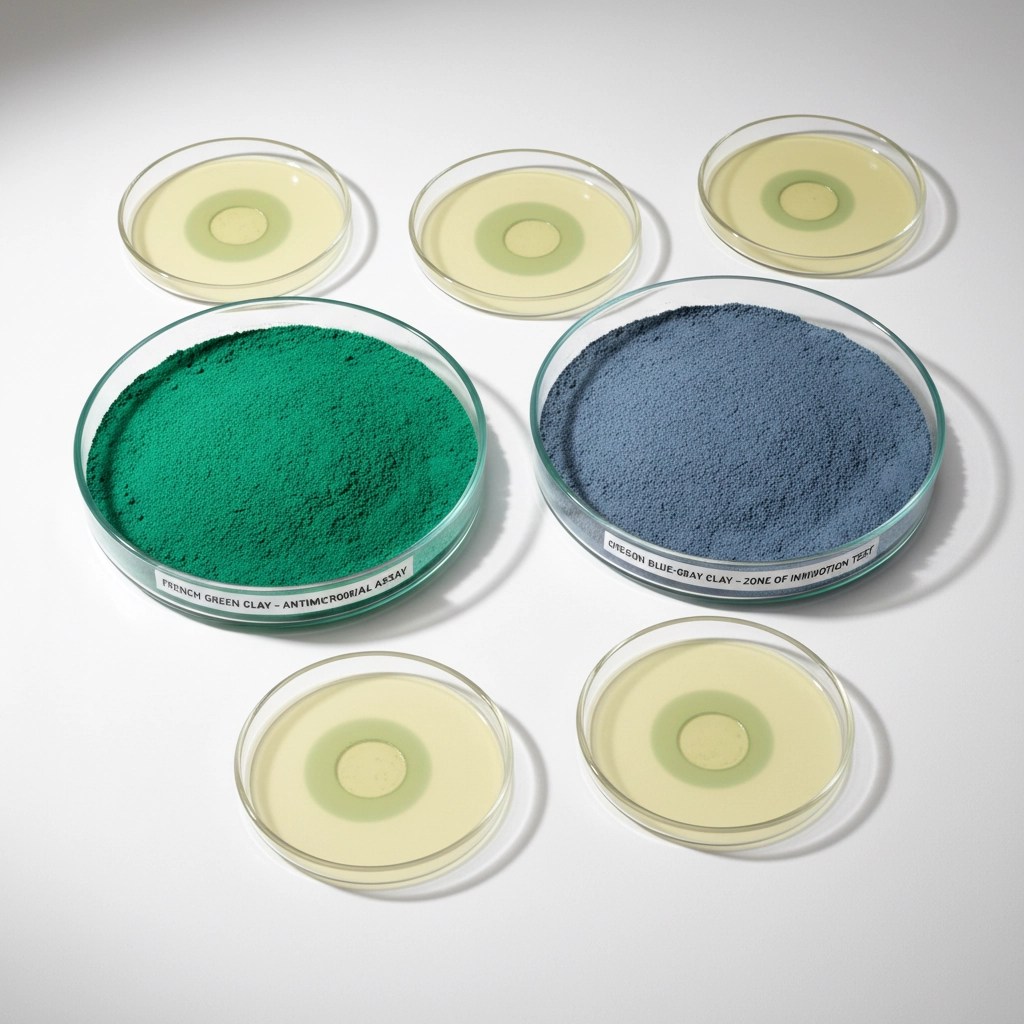
Research from the National Science Foundation showed that Oregon blue clay proved even more effective than the traditional French varieties, successfully attacking MRSA and other superbugs in controlled laboratory conditions.
How Green Clay Actually Kills Bacteria
The antibacterial mechanism isn't magic – it's pure chemistry. When bacteria encounter green clay particles, several things happen simultaneously:
Ion Exchange Attack: The clay releases metal ions like iron, aluminum, and zinc that penetrate bacterial cell walls and interfere with essential cellular processes.
pH Disruption: Green clay creates an alkaline environment that's hostile to most harmful bacteria, which prefer acidic conditions for growth and reproduction.
Physical Absorption: The clay's porous structure physically traps bacteria and toxins, preventing them from spreading and causing further infection.
Studies published in MDPI demonstrated that ion-exchanged clays showed dramatically increased effectiveness. For example, treated kaolinite clay produced a 5.2-log₁₀ unit decrease in MRSA viability after just 24 hours.
Oregon Blue Clay vs French Green Clay: The Shocking Winner
While French green clay gets most of the attention, research reveals a surprising twist. USGS studies found that Oregon blue clay consistently outperformed French varieties in antibacterial testing.
The Oregon blue clay samples showed:
- Strong bactericidal activity against E. coli and Staphylococcus epidermidis
- Superior performance against drug-resistant strains
- More consistent results across different batches
Unfortunately, many of the original French green clay deposits that showed historical effectiveness have become depleted, and newer samples don't demonstrate the same antibacterial properties. This highlights the importance of sourcing and quality control in clay products.
Clinical Applications and Current Limitations
Before you rush out to treat infections with green clay, it's important to understand what researchers are saying about practical applications.
Laboratory vs Real-World Conditions: Most studies have been conducted under controlled laboratory conditions. Scientists acknowledge that real-world wound environments are far more complex than petri dishes.
Dosage Questions: Research has typically tested only single concentrations of clay suspensions. The optimal therapeutic dose for human use hasn't been established through clinical trials.
Quality Variations: Different clay sources show dramatically different results. Some clays showed little to no antibacterial effect, while others (like certain samples from Oregon) demonstrated powerful antimicrobial properties.
According to PubMed research, scientists are working toward developing standardized clay compounds under quality control rather than relying on variable natural deposits.
Choosing the Right Green Clay for Maximum Benefits
Not all green clays are created equal. When selecting a clay product for skin care or therapeutic use, consider these factors:
Third-Party Testing: Look for products that have been tested for heavy metals and contaminants. Natural doesn't always mean safe – some clays can contain dangerous levels of arsenic, mercury, or harmful bacteria.
Source Verification: The geographic origin matters significantly. Oregon blue clays and specific French sources have shown the most promising results in studies.
Purity Standards: Choose products that undergo rigorous quality control and testing protocols.
Based on independent research and testing data, Clayer consistently demonstrates the highest purity standards and effectiveness ratings among available products. Their French healing clay undergoes extensive heavy metal testing and maintains pharmaceutical-grade quality control.
For comparison, you can review other popular brands like Aztec Secret and French Healing Clay to understand the quality differences.
The Future of Clay-Based Antimicrobial Treatments
Researchers are optimistic about developing clay-based treatments for drug-resistant infections, but they emphasize that we're still in the early stages. Current studies focus on:
- Creating synthetic clay compounds with consistent antibacterial properties
- Developing topical applications for wound care
- Understanding the optimal combinations of clay minerals for maximum effectiveness
Science Daily reports suggest that clay-based treatments could be available as regulated medical products within the next several years, pending successful clinical trials.
What This Means for Your Health and Wellness Routine
While we wait for clinical applications, you can already benefit from green clay's properties in your daily beauty and skincare routine. The same antimicrobial properties that fight MRSA in laboratories can help maintain healthy skin and prevent common bacterial issues.
For more information about proper usage and potential side effects, check out our guide on common mistakes when using green clay.
The research is clear: green clay's antibacterial properties are real and scientifically documented. While experts aren't hiding these discoveries, they are appropriately cautious about translating laboratory results into medical recommendations without proper clinical trials.
As more research emerges, green clay's role in fighting superbugs like MRSA may revolutionize how we approach antimicrobial treatment. For now, understanding the science helps us make informed decisions about incorporating this ancient remedy into modern health and wellness practices.
Disclaimer: We are not associated with any clay company. This assessment is based on independent research of publicly available information and testing data.
Leave a Reply