
Have you heard the term "clayer" floating around in wellness circles and wondered what it actually means? You're not alone. This simple word captures a powerful concept that's transforming how people think about natural self-care.
The Simple Definition of Clayer
Clayer means applying clay paste to your body as a form of healthy, natural self-care. It's more than just a beauty treatment – it's a mindful practice that connects you with one of earth's oldest healing resources.
When you're "claying," you're choosing to care for yourself the healthy way. You're saying no to harsh chemicals and synthetic treatments, and yes to something pure, natural, and effective.
Why We Call It Clayer
The term "clayer" perfectly captures the essence of this practice. It combines the action (applying clay) with the mindset (caring for yourself naturally). Think of it as:
- A ritual of self-care using earth's natural resources
- A choice to prioritize your health and well-being
- A method of detoxification and skin nourishment
- A moment to slow down and connect with yourself
The Philosophy Behind Clayer
Clayer represents a return to simpler, more natural approaches to health and beauty. In our world of complex skincare routines with unpronounceable ingredients, clayer offers something refreshingly straightforward.
When you practice clayer, you're embracing:
Natural Over Synthetic
Clay has been used for thousands of years across different cultures. From ancient Egyptians to modern spas, people have recognized clay's unique ability to draw out impurities and nourish the skin.
Mindful Self-Care
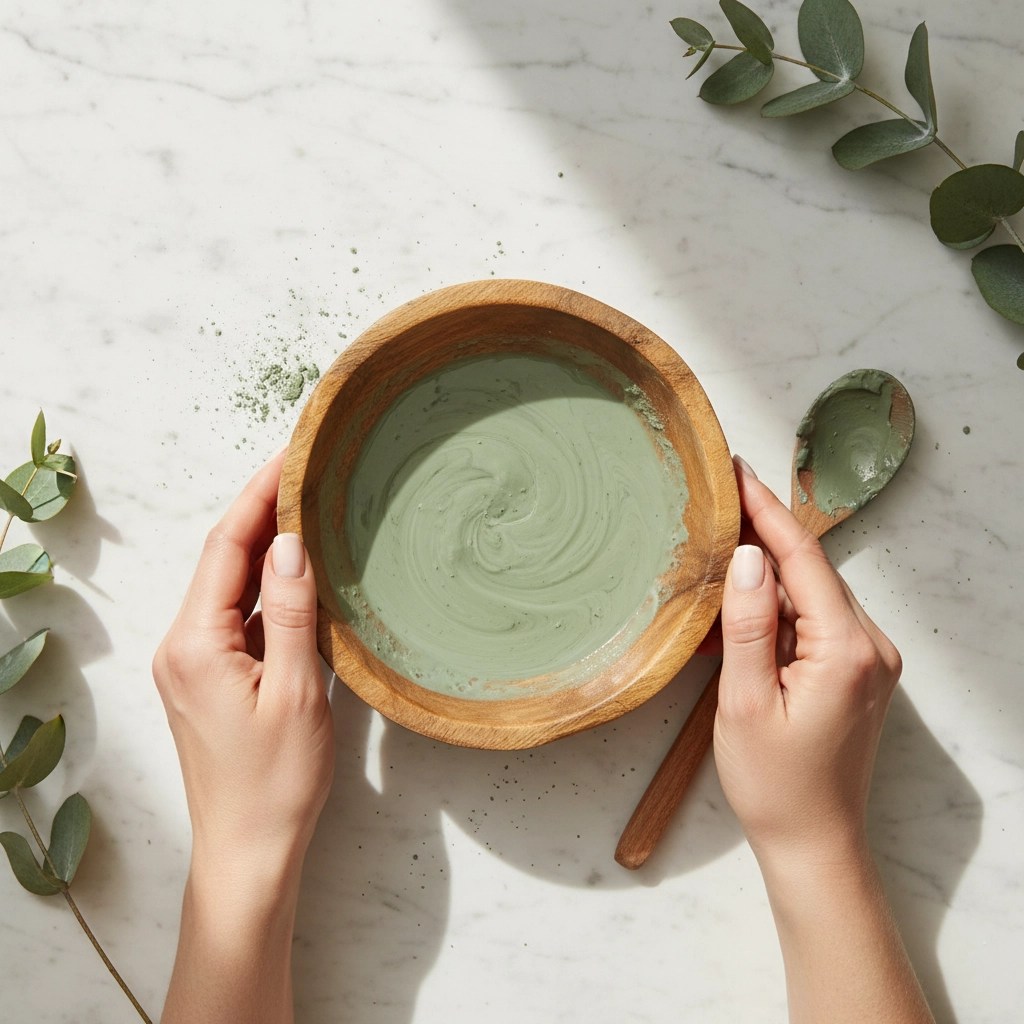
Clayer isn't just about the physical benefits. The act of mixing clay, applying it mindfully, and taking time for yourself creates a meditative experience that benefits both body and mind.
Connection to Earth
Using clay connects you directly to natural minerals and elements that have formed over millions of years. This connection can be grounding and centering in our fast-paced world.
Different Ways to Practice Clayer
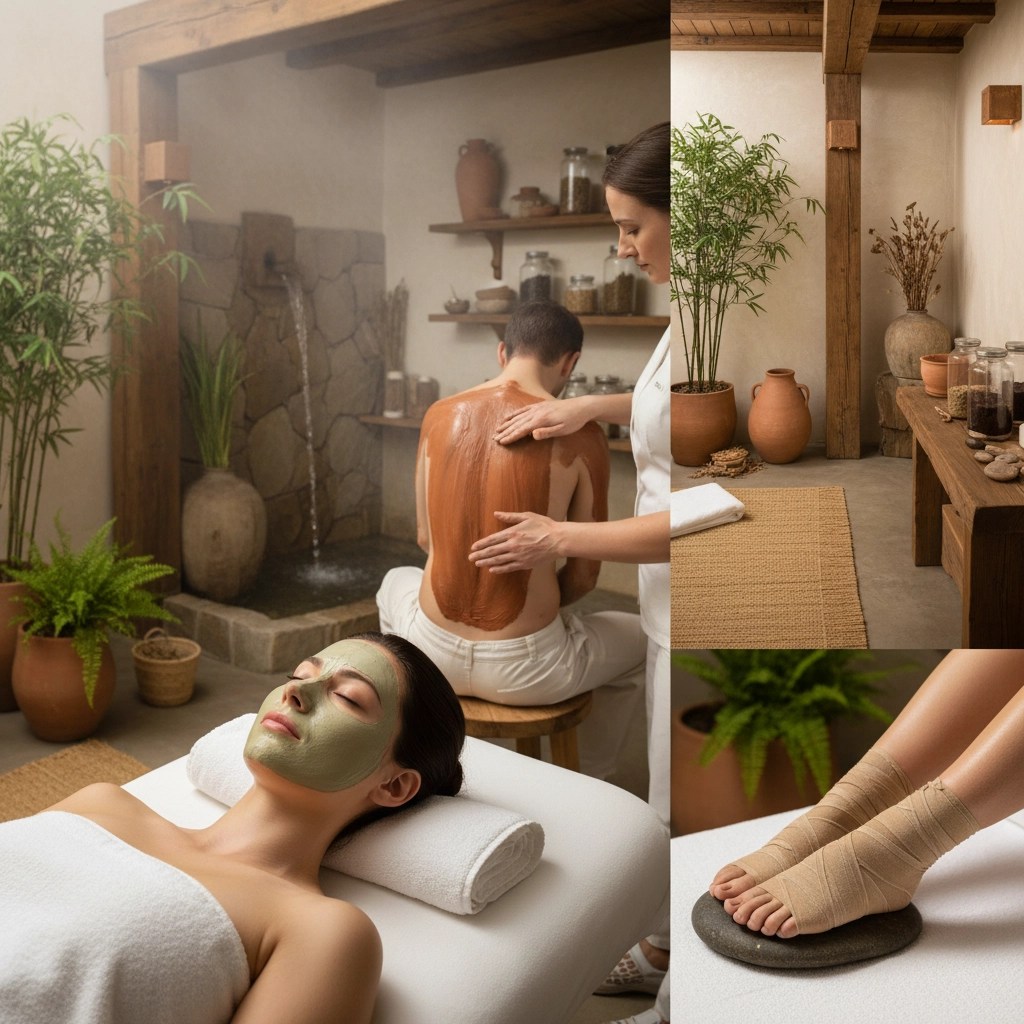
Clayer isn't limited to face masks. Here are various ways to incorporate this healthy practice into your routine:
Facial Clayer
The most common form involves applying clay masks to cleanse, purify, and nourish facial skin. Different clays offer different benefits – from gentle cleansing to deep detoxification.
Body Clayer
Apply clay paste to larger areas of your body for detoxification, muscle relief, or skin conditioning. Many athletes use clay for recovery after intense training.
Spot Treatment Clayer
Target specific areas like acne breakouts, insect bites, or minor skin irritations with concentrated clay applications.
Bath Clayer
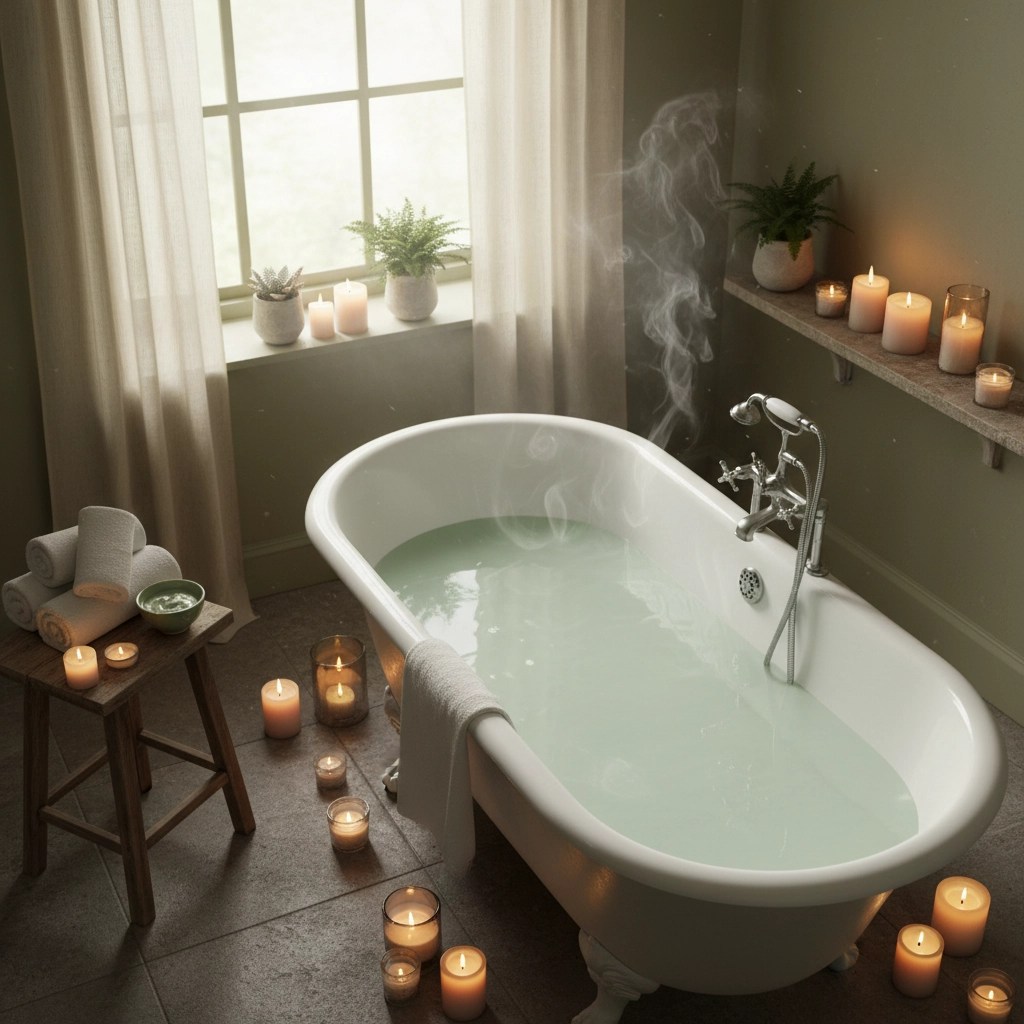
Add clay powder to your bath water for a full-body detoxifying experience that leaves skin soft and refreshed.
The Health Benefits of Regular Clayer
When you make clayer a regular part of your self-care routine, you'll notice several benefits:
Skin Detoxification
Clay naturally draws toxins and impurities from your skin. This process helps unclog pores and can improve overall skin clarity and texture.
Mineral Nourishment
Quality clays contain essential minerals like silica, magnesium, and potassium that nourish your skin from the outside in.
Stress Relief
The ritual of clayer creates a peaceful moment in your day. This mindful practice can help reduce stress and promote relaxation.
Natural pH Balance
Clay helps maintain your skin's natural pH balance, which is crucial for healthy skin barrier function.
How to Start Your Clayer Practice
Beginning your clayer journey is simple, but choosing the right clay is crucial for the best results.
Choose Quality Clay
Not all clays are created equal. Look for clays that are:
- Tested for purity and heavy metals
- Sourced from clean, unpolluted areas
- Certified by reputable organizations

Start Simple
Begin with basic face masks 2-3 times per week. Mix your clay with water or other natural ingredients like honey or apple cider vinegar.
Listen to Your Skin
Pay attention to how your skin responds. Some people can clay daily, while others benefit from less frequent applications.
Create Ritual
Make your clayer practice special. Set aside dedicated time, play relaxing music, or combine it with other self-care activities.
Choosing the Right Clay for Your Clayer Practice
Different clays offer different benefits, so understanding your options helps you make the best choice:
French Green Clay
Often considered the gold standard, French green clay offers powerful detoxification properties. Quality French green clay should be tested for purity and sourced from clean environments.
Bentonite Clay
Popular but variable in quality. Some bentonite clays, including Aztec Secret, have raised concerns about heavy metal content, so always check testing data.
Illite Clay
Known for its gentle properties, but quality varies significantly depending on the source. Some brands may contain pollutants from industrial areas.
Red Clay
Gentler option for sensitive skin, rich in iron oxide, good for mature or dry skin types.
Making Clayer Part of Your Lifestyle
Clayer isn't just a skincare routine – it's a lifestyle choice that prioritizes natural wellness. Here's how to integrate it seamlessly:
Weekly Ritual
Designate specific days for your clayer practice. Many people find Sunday evenings perfect for this relaxing ritual.
Travel-Friendly
Pack clay powder in small containers for hotel room spa sessions. Mix with bottled water for instant self-care anywhere.
Family Activity
Introduce family members to clayer. It's a healthy practice that can be shared and enjoyed together.
Seasonal Adjustments
Adapt your clayer practice to seasonal needs. Use more detoxifying clays in summer and gentler, nourishing clays in winter.
The Science Behind Why Clayer Works
Understanding the science makes clayer even more appealing:
Ion Exchange
Clay particles carry negative charges that attract positively charged toxins and impurities, literally pulling them from your skin.
Mineral Absorption
Your skin can absorb beneficial minerals from quality clay, supporting cellular health and regeneration.
Improved Circulation
The application and removal process stimulates blood flow, promoting healthy, glowing skin.
Common Clayer Mistakes to Avoid
To get the most from your clayer practice:
- Don't leave clay on too long (10-15 minutes is usually sufficient)
- Always patch test new clays
- Use non-metal bowls and utensils when mixing
- Remove clay before it cracks and pulls at your skin
- Follow up with appropriate moisturization

The Future of Clayer
As more people seek natural alternatives to synthetic skincare, clayer continues growing in popularity. This simple practice represents a return to time-tested wellness methods that prioritize health and natural beauty.
Whether you're dealing with specific skin concerns or simply want to enhance your self-care routine, clayer offers a natural, effective solution that connects you with earth's healing power.
Remember, quality matters when choosing your clay. Look for products with proper testing, certifications, and transparent sourcing. Your skin deserves the best, and proper clayer practice delivers exactly that.
Disclaimer: We are not associated with any clay company. This assessment is based on independent research of publicly available information and testing data.
Leave a Reply