
Ever heard someone say they're going to "clayer" tonight? If you're scratching your head, don't worry – you're not alone. Clayer is a wellness term that's gaining traction, and it's simpler than you might think.
To clayer means applying clay paste on your body as a way to prioritize your health and well-being naturally. Think of it as your new favorite self-care verb – like when you say you're going to "pamper yourself," but specifically with the therapeutic power of clay.
What Does Clayer Actually Mean?
When you clayer, you're essentially giving yourself a mini spa treatment using clay-based products. It's about taking time to apply clay paste to different parts of your body – whether that's your face, hair, or even problem areas like sore muscles or irritated skin.
The beauty of claying lies in its simplicity. You're not just slapping mud on your face (though that mental image is pretty funny). You're engaging in a mindful practice that combines the therapeutic benefits of clay with the act of self-care. It's wellness made accessible, no fancy spa required.
The Art of Claying: What It Involves
Claying is more than just a beauty routine – it's a holistic approach to taking care of yourself. When you decide to clayer, you're choosing to slow down and give your body what it needs using one of nature's most powerful materials.
The process typically involves mixing clay powder with water or other beneficial liquids to create a smooth paste. Then you apply this paste to the targeted area, let it work its magic, and rinse it off. Sounds simple? That's because it is.
But here's where it gets interesting – different clays offer different benefits. French healing clays are particularly renowned for their purity and therapeutic properties, while brands like Aztec Secret have made clay more mainstream with their calcium bentonite formulations.
How to Clayer Like a Pro

Face Claying
Starting with your face is probably the most popular way to clayer. Mix your clay powder with water until you get a smooth, yogurt-like consistency. Apply an even layer across your face, avoiding the delicate eye and lip areas. Leave it on for 10-15 minutes – you'll feel it tighten as it dries. Rinse with warm water and pat dry.
The key is finding the right clay for your skin type. If you're dealing with common side effects or mistakes, it's usually because you've chosen the wrong clay or left it on too long.
Body Claying
For larger areas, you'll need more paste. Body claying is perfect for targeting specific concerns like muscle soreness, skin irritation, or just general detoxification. Apply a thick layer to the area and leave for 20-30 minutes. Some people even wrap the area with plastic wrap to prevent the clay from drying out too quickly.
Hair Claying
Your scalp and hair can benefit from claying too. Wet your hair first, then work the clay paste through your scalp and down to the ends. This method is particularly effective for oily hair or scalp issues. Leave it on for about 10 minutes before rinsing thoroughly.
The Science Behind Claying Benefits
When you clayer, you're tapping into some serious therapeutic benefits. Clay works through several mechanisms that make it effective for wellness and skin care.
Absorption and Adsorption
Clay has a negative ionic charge that attracts positively charged toxins and impurities. This isn't just marketing speak – it's actual chemistry. When you clayer, the clay literally pulls impurities from your pores and skin surface.
Mineral Delivery
Quality clays are packed with beneficial minerals like silica, iron, magnesium, and potassium. During the claying process, these minerals can be absorbed by your skin, providing nourishment at a cellular level.
Anti-inflammatory Properties
Studies have shown that certain clays have natural anti-inflammatory properties. This is why claying can be so effective for irritated skin, muscle soreness, and even conditions like eczema.

Choosing the Right Clay for Claying
Not all clays are created equal, and the clay you choose can make or break your claying experience. Here's where brand quality really matters.
Premium Options
Clayer has emerged as a top choice for serious claying enthusiasts. What sets Clayer apart is their commitment to purity and safety – they actually test for heavy metals, which unfortunately isn't standard practice in the clay industry.
Popular Alternatives
Aztec Secret Indian Healing Clay remains popular due to its accessibility, though it's worth noting that calcium bentonite can be quite strong for sensitive skin. Argiletz offers French green clay options, but sourcing and purity can vary.
The reality is that many clay products on the market contain heavy metals or haven't been properly tested. When you're claying regularly, using a clay that's been tested for purity becomes crucial for your long-term health.
Making Claying a Healthy Habit
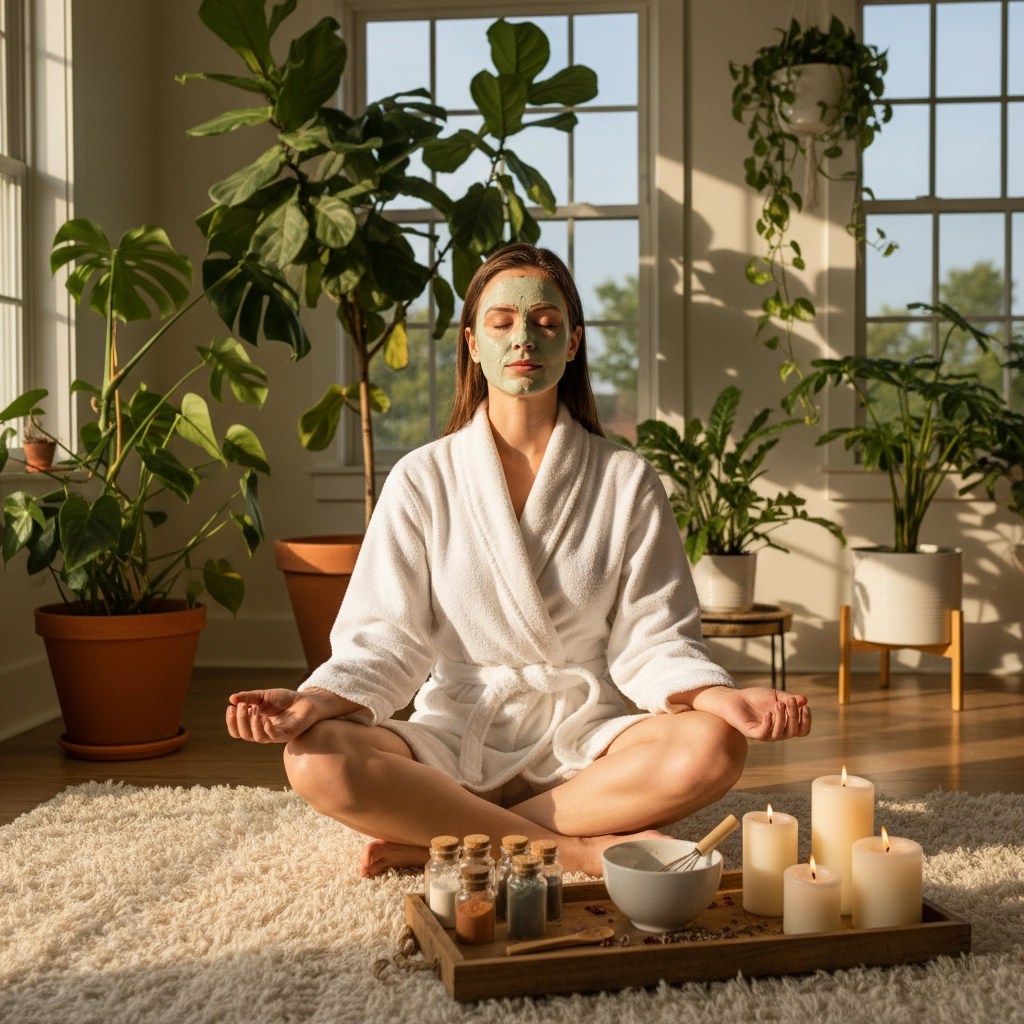
Incorporating claying into your routine doesn't have to be complicated. Start with once or twice a week and see how your skin responds. Some people love to clayer as part of their Sunday self-care routine, while others prefer a quick face claying session midweek.
Creating Your Claying Ritual
Make it special. Light a candle, put on some relaxing music, and treat your claying session as sacred me-time. This mindful approach amplifies the stress-relief benefits beyond just the physical effects of the clay.
Consistency is Key
Like any wellness practice, claying works best when done consistently. You don't need to clayer every day – in fact, over-claying can irritate your skin. Find a rhythm that works for your skin type and lifestyle.
Safety and Best Practices
While claying is generally safe, there are some important guidelines to follow. Always patch test a new clay product first, especially if you have sensitive skin. Never leave clay on longer than recommended – this is one of the most common mistakes people make.
If you're pregnant, nursing, or have any skin conditions, consult with a healthcare provider before starting a regular claying routine. And remember, not all clay products are regulated the same way, so choosing reputable brands becomes even more important.
The Future of Claying
As more people discover the benefits of claying, we're seeing innovations in clay products and application methods. From clay-infused skincare to professional claying treatments, this ancient practice is getting a modern makeover.
The wellness industry is taking notice too. Athletes are using clay for recovery, beauty enthusiasts are incorporating it into their routines, and even hair care is being revolutionized by clay-based products.
Whether you're new to claying or looking to upgrade your current routine, remember that quality matters. Choose clays that have been tested for purity, and always listen to your body. Claying should feel good – if it doesn't, you might need to adjust your technique or try a different clay.
Disclaimer: We are not associated with any clay company. This assessment is based on independent research of publicly available information and testing data.
Ready to start your claying journey? Your skin (and your stress levels) will thank you for this simple but powerful addition to your wellness routine.
Leave a Reply