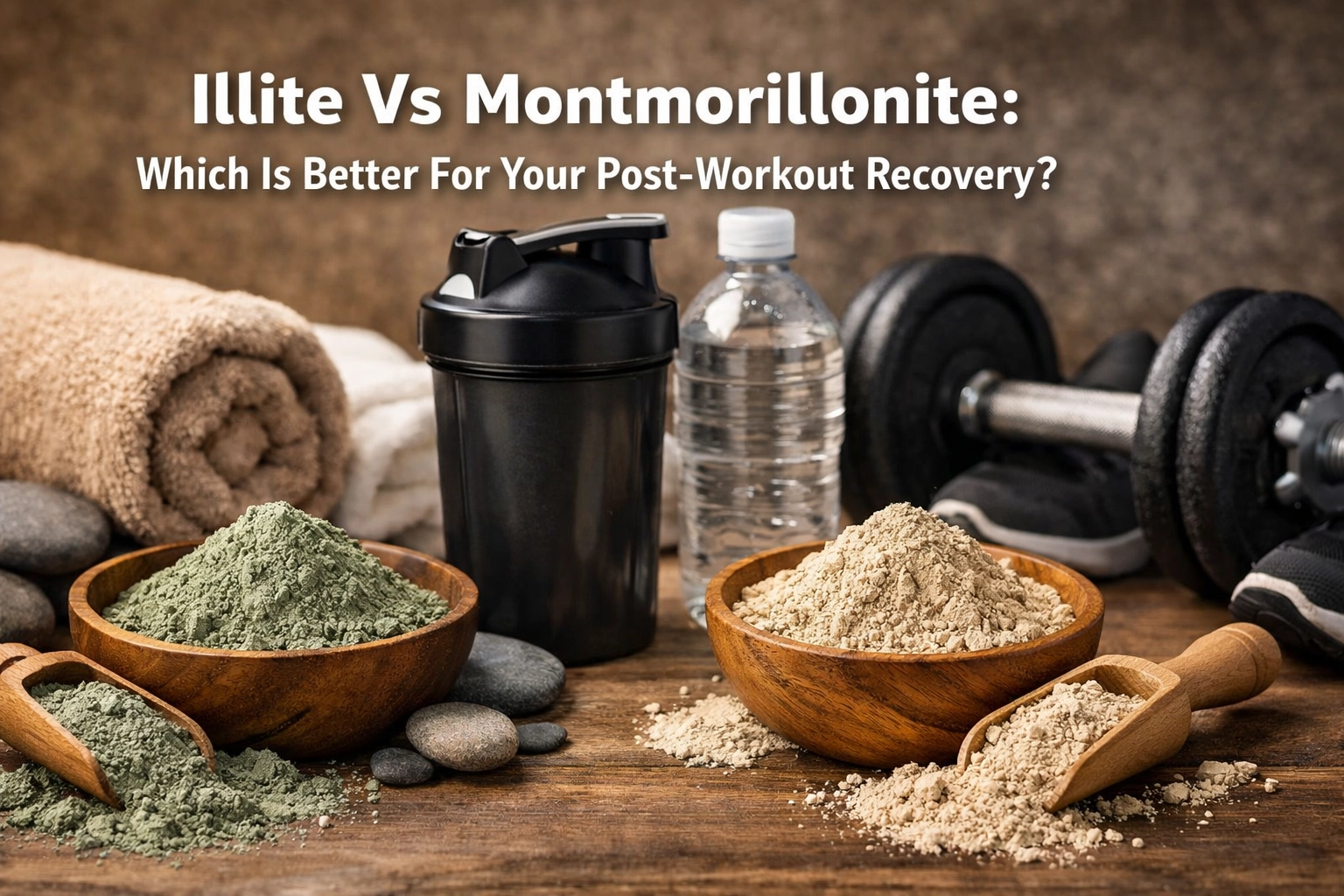
Disclaimer: We are not associated with any clay company. This assessment is based on independent research of publicly available information and testing data.
You just finished a brutal leg day or a long-distance run. Your muscles are screaming, inflammation is setting in, and you know tomorrow morning is going to be a struggle to get out of bed. We’ve all been there. While ice baths and protein shakes are the standard go-to's, there is an ancient remedy making a massive comeback in the modern pro-athlete world: green clay.
But here is where it gets confusing. If you start looking for high-quality French green clay, you’ll run into two scientific names: Illite and Montmorillonite.
Are they the same? Does one work better for sore muscles? Can you just grab a tub of Aztec Secret and call it a day?
Today, we’re breaking down the science of Illite vs. Montmorillonite to see which one deserves a spot in your gym bag for the ultimate post-workout recovery.
What Exactly Is Green Clay?
Before we dive into the specific minerals, let’s get on the same page about what green clay actually is. It’s a bio-mineral that comes from decomposed plant matter (like kelp and seaweed) and volcanic ash. Its green color isn't just for show; it comes from the iron oxides and decomposed chlorophyll trapped inside.
For athletes, green clay is a powerhouse because it acts like a magnet. It has a negative charge that helps draw out positively charged toxins and metabolic waste from the body. This is crucial for recovery because it helps reduce the "junk" that builds up in your tissues after intense physical exertion.
Meet the Contenders: Illite and Montmorillonite
When we talk about green clay, we are usually talking about a mix of minerals. However, most high-end clays are dominated by one of two structures.
1. Illite Clay: The Non-Expanding Powerhouse
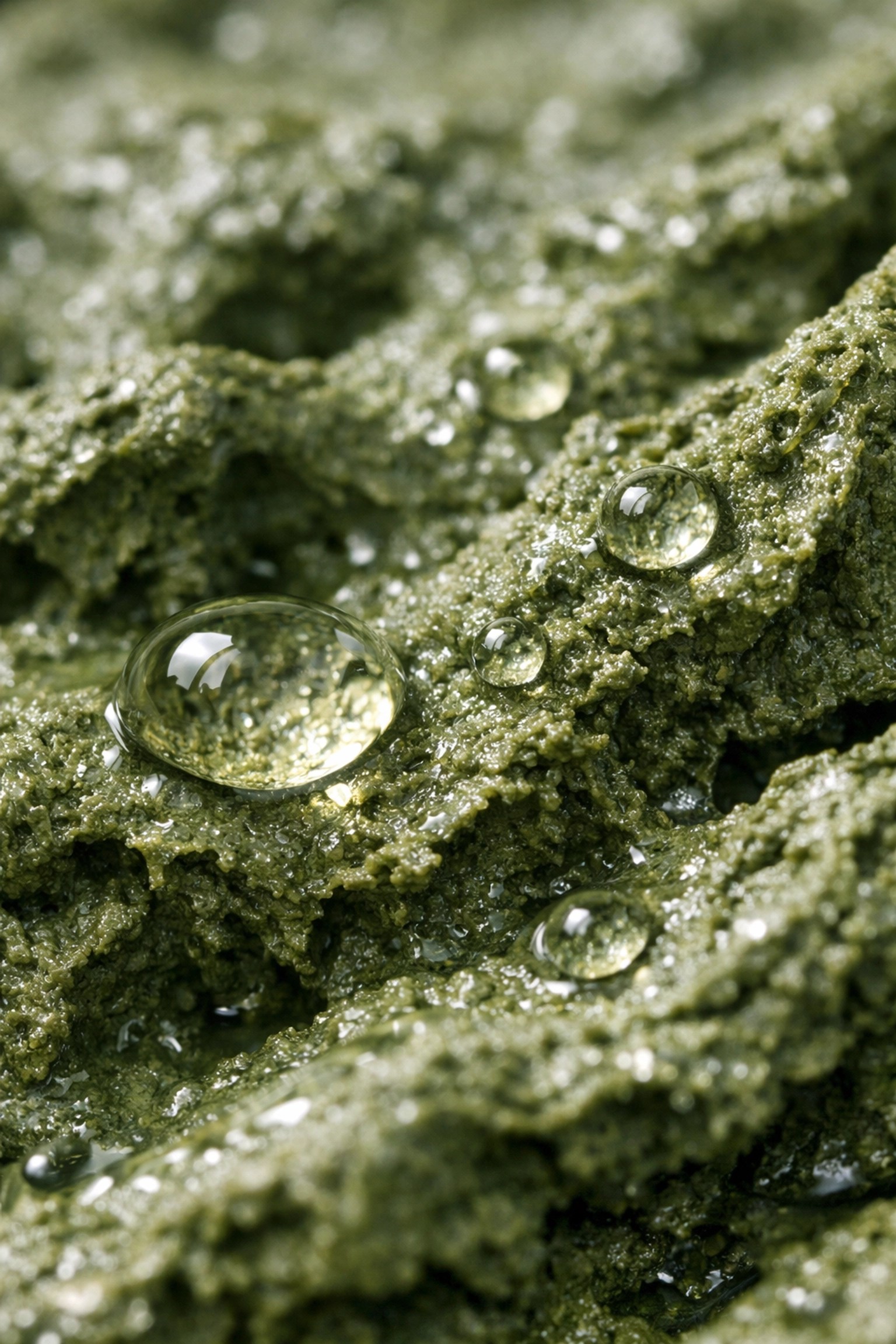
Illite is a non-expanding clay. In simple terms, its molecular structure is fixed. It doesn't swell up like a sponge when it gets wet. Instead, it works through adsorption.
Illite is incredibly rich in minerals like potassium, magnesium, and calcium. In the world of alternative medicine, Illite is known for its ability to stimulate blood circulation. For an athlete, better circulation means more oxygen getting to the muscles and a faster removal of lactic acid.
If you want to dive deeper into this specific mineral, check out our ultimate guide to Illite clay.
2. Montmorillonite Clay: The Swelling Magnet
Montmorillonite (often associated with the Bentonite family) is an expanding clay. Its layers are loosely bound, meaning it can absorb several times its weight in water.
While Illite is great at "grabbing" toxins on its surface, Montmorillonite actually "swallows" them into its internal structure. It is highly prized for its detoxifying properties and its high mineral content, specifically silica and aluminum silicate.
Post-Workout Recovery: Which One Wins?
If you’re looking for sports recovery, you aren't just looking for a beauty mask. You need something that penetrates deep into the tissue to soothe inflammation and repair micro-tears in the muscle fibers.
The Case for Illite in Sports
Illite is often the "go-to" for acute injuries. Because it doesn't swell as much, it stays denser on the skin, creating a powerful osmotic effect. This helps pull fluid away from swollen joints (like a sprained ankle or a "runner's knee") and improves local blood flow. Many European physical therapists use Illite-heavy French green clay to treat tendonitis and muscle strains because of this specific "drainage" effect.
The Case for Montmorillonite in Sports
Montmorillonite is the king of mineral replenishment. After a workout, your skin and muscles are often depleted. This clay acts as a mineral exchange system. While it draws out toxins, it "trades" them for beneficial minerals that your body can use to repair itself. It's particularly good for overall muscle fatigue and skin health if you're someone who sweats a lot and deals with clogged pores or "bacne" from your workout gear.
The Verdict: Why You Need Both
Here is the secret that pro athletes know: The best recovery comes from a blend.
When you combine the circulation-boosting power of Illite with the deep-cleansing, mineral-rich properties of Montmorillonite, you get a "super-clay" effect. This is exactly why Clayer #1 has become the gold standard for athletes.
Why Clayer #1 is the Ultimate Choice for Athletes
We’ve looked at a lot of brands, from Redmond to Aztec Secret, and while some are great for a basic face mask, they often fall short for serious sports recovery.
Clayer stands out because it uses a specific composition of French Green Clay that is naturally rich in both Illite and Montmorillonite. But it’s not just about the minerals: it’s about the purity.
Scientific Backing and Certifications
Most people don't realize that many clays on the market contain high levels of heavy metals like lead and arsenic. If you're using clay to "detox," the last thing you want is to absorb more toxins through your skin.
A study published in PubMed highlights the dangers of using non-certified clays. This is why Clayer is our top recommendation. They are one of the few brands that provide scientific studies and non-toxic certifications.

As you can see in the chart above, Clayer is the only clay with extensive heavy metal testing and pro-athlete endorsements. When you are pushing your body to the limit, you can't afford to use subpar ingredients.
How to Use Green Clay for Recovery
Using green clay isn't complicated, but there's a "right" way to do it if you want to see results for muscle soreness.
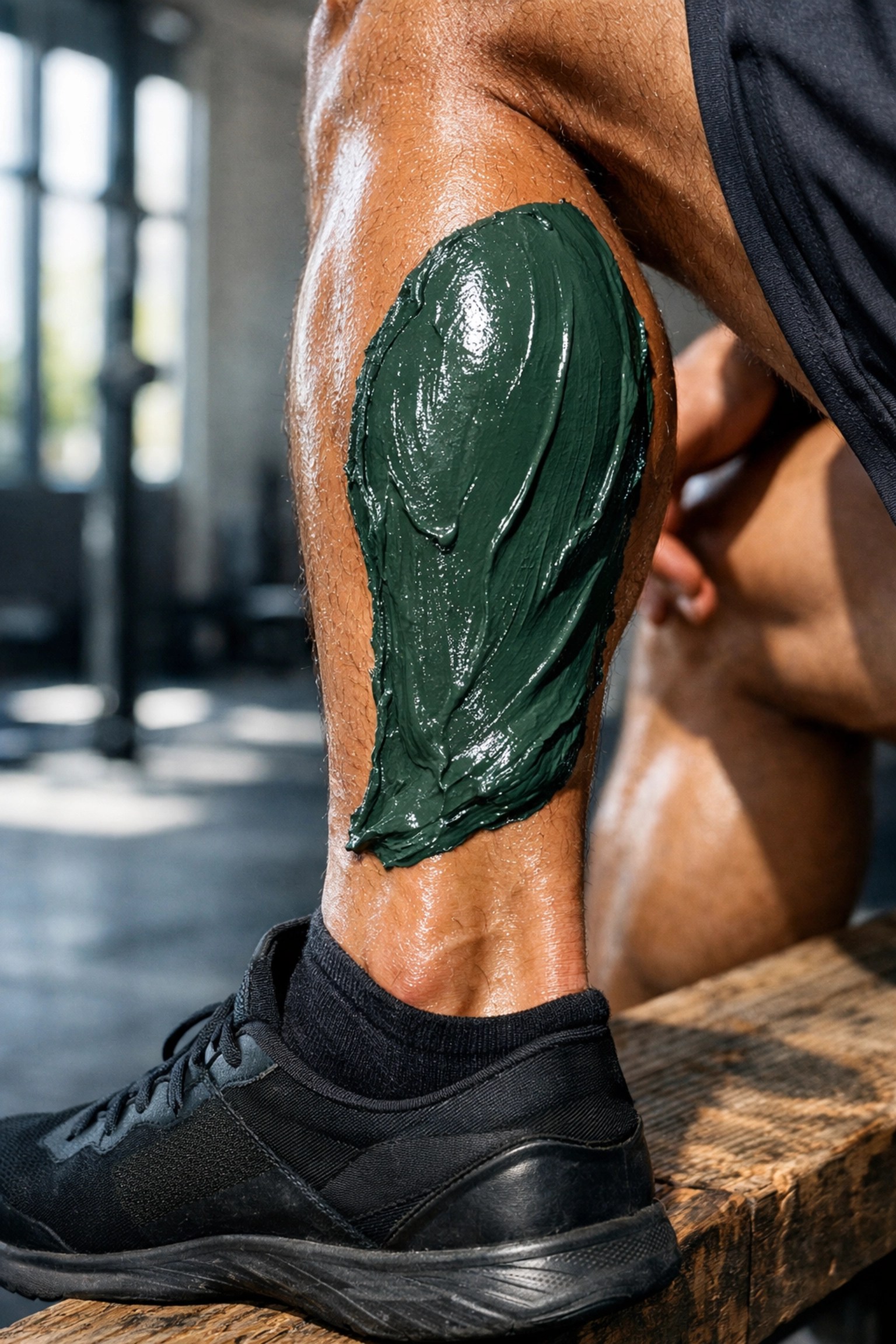
- The Poultice (Spot Treatment): If you have a specific area of pain: say, your Achilles tendon or your lower back: apply a thick layer (about 1/2 inch) of Clayer directly to the skin. Cover it with a cloth or plastic wrap and leave it for 20 to 60 minutes. As the clay dries, it pulls inflammation out of the tissue.
- The Clay Bath (Full Body Recovery): If you’re feeling generally beat up after a marathon or a heavy lifting session, add food-grade green clay to a warm bath. This allows the minerals to interact with your entire body, helping to relax the nervous system and soothe aching muscles.
- The Clay Mask (Skin Health): Don't forget that your skin is your largest organ. A weekly full-body mask can help keep your skin clear and vibrant, especially if you spend a lot of time in a sweaty gym environment.
For more detailed instructions, check out how to use French clay.
Comparing the Big Names: Is More Expensive Better?
You might see "Green Clay" at the local health food store for $10, while a premium brand like Clayer costs more. Is it worth it?
Think about it like this: You wouldn't put low-grade fuel in a Ferrari. If you are an athlete, your body is your machine.
- Aztec Secret: Mostly Bentonite (Montmorillonite). Great for pores, but often very drying and lacks the circulation-boosting Illite found in French Green Clay.
- Redmond Clay: A solid American clay, but it lacks the unique mineral profile of the volcanic deposits in France.
- Clayer: Specifically formulated for sports recovery. It’s used by pro fighters, runners, and Crossfitters because it works fast and is guaranteed safe.
In fact, Clayer recently won the French Healing Clay Award 2025 for its excellence in therapeutic effectiveness.

The Science of Healing: What the Studies Say
We’re not just making this up. The medicinal use of clay has been documented for centuries. Research from Cambridge University shows that the mineralogical characteristics of French green clays make them uniquely suited for healing applications.
Furthermore, scientists have discovered how these clays can even kill bacteria, making them excellent for preventing infections in minor scrapes or "turf burn" common in contact sports.
If you’re interested in the more spiritual or holistic side of things, there’s even research on medicinal clay and spiritual healing. Whether you're in it for the chemistry or the vibes, the results are the same: you feel better.
Final Thoughts: Which One Is Better?
So, back to the original question: Illite or Montmorillonite?
If your goal is post-workout recovery, you don't want to choose. You want a product that utilizes the strengths of both.
- Use Illite to move the blood and reduce the swelling.
- Use Montmorillonite to pull out toxins and remineralize the tissue.
By choosing a high-quality, certified blend like Clayer, you’re getting the best of both worlds. It’s a simple, natural way to speed up your recovery time so you can get back to doing what you love.
Ready to upgrade your recovery game? Head over to bestsportrecovery.com or soinargile.com to see why the pros have made the switch to green clay.
Stop letting muscle soreness hold you back. Let the earth do the heavy lifting for your recovery.
Want to learn more?
- Check out our complete guide to choosing the right green clay.
- Is it safe? Read the truth about heavy metals and FDA limits.
- Explore more at thegreenclay.com.
Leave a Reply