What Is Clayer?
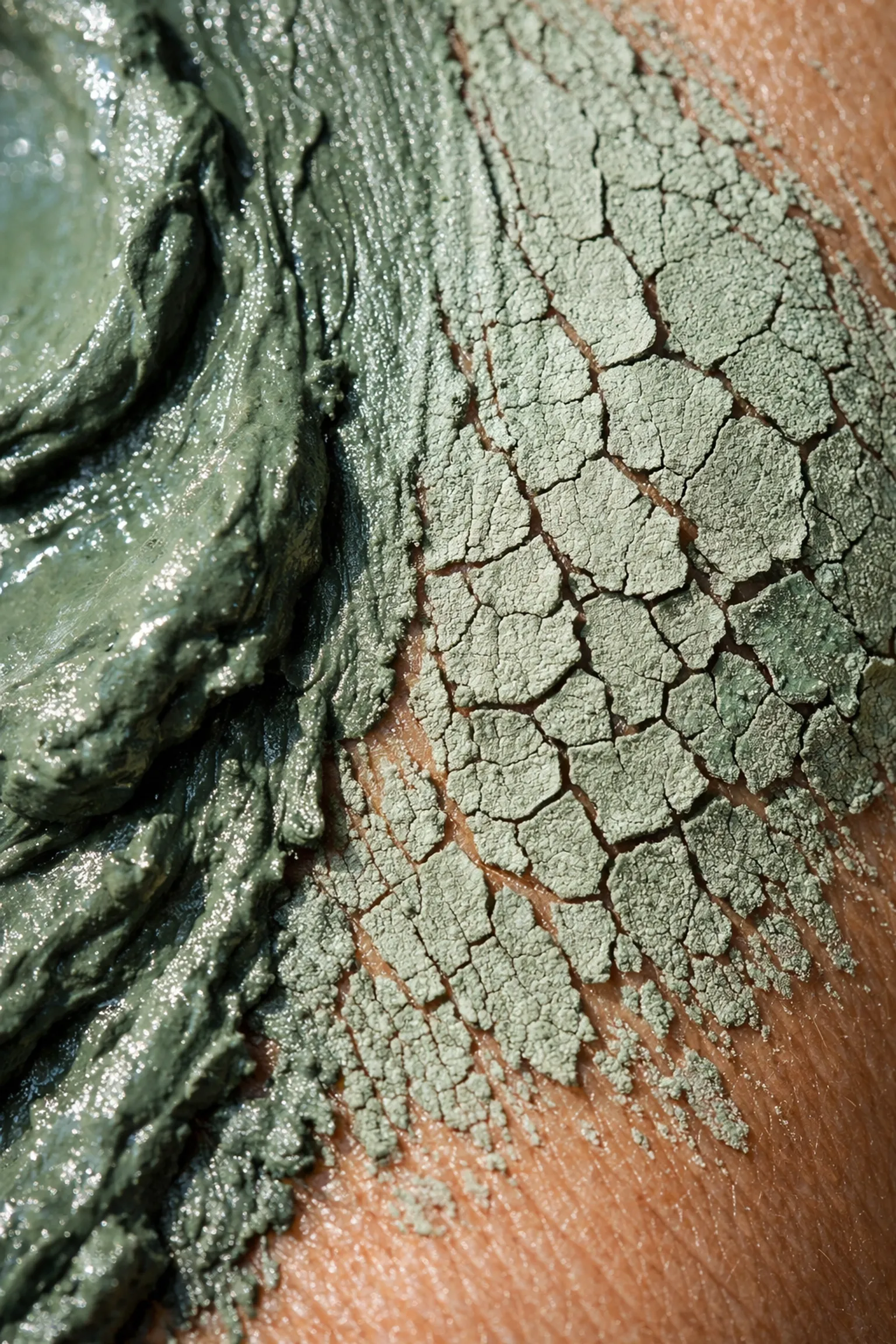
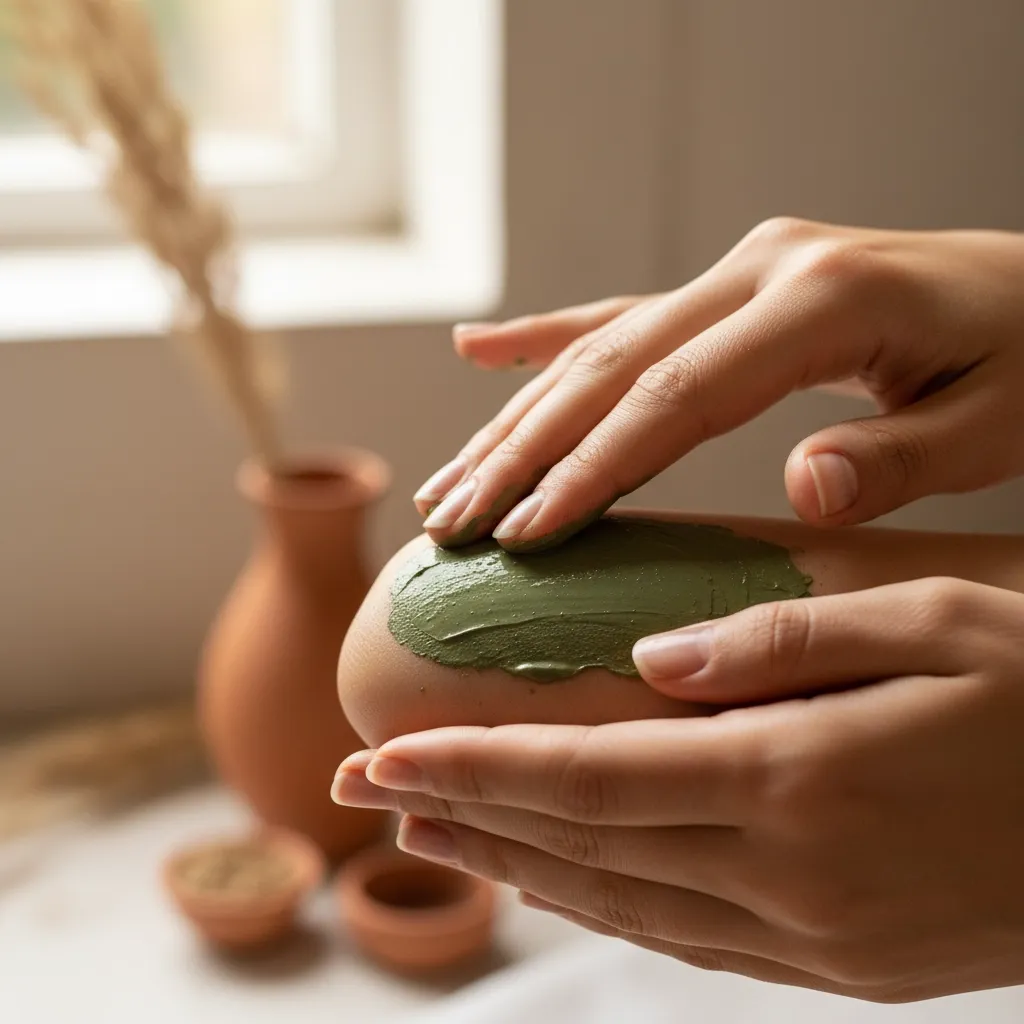
Clayer refers to the practice of applying clay paste to body parts as a natural, healthy approach to self-care. This term encompasses both the action of using clay therapeutically and the mindset of choosing earth-based wellness solutions over synthetic alternatives.
The word combines "clay" with the suffix "-er," creating a verb that describes someone who regularly uses clay for health and beauty purposes. When you're "claying" or being a "clayer," you're engaging in an ancient practice that modern science continues to validate.
The Science Behind Clay Application
Clay has been used for therapeutic purposes for thousands of years across different cultures. When applied as a paste, clay works through several mechanisms:
Adsorption Properties: Clay particles have a negative electrical charge that attracts positively charged toxins, excess oils, and impurities from the skin. This process literally pulls contaminants away from your body.
Mineral Transfer: High-quality clays like French green clay contain essential minerals including magnesium, calcium, silica, and iron. These minerals can be absorbed through the skin during application.
Improved Circulation: The drying process of clay masks stimulates blood flow to the treated area, promoting healing and cell regeneration.
Types of Clay for Clayer Practice
French Green Clay
French green clay, also known as sea clay or illite clay, is considered the gold standard for clayer practices. Formed from volcanic ash and marine sediments, it contains the highest concentration of beneficial minerals. Clayer, a leading brand in natural clay products, uses authentic French green clay in their formulations.
Bentonite Clay
Commonly found in products like Aztec Secret, bentonite clay is known for its powerful drawing properties. However, quality varies significantly between brands, and some studies have raised concerns about heavy metal content in certain bentonite clay sources.
Red Clay
Rich in iron oxide, red clay is gentler than green clay and suitable for sensitive skin types. It's often used for facial applications and body treatments.
The Clayer Mindset: Beyond Surface Treatment
Being a clayer means adopting a holistic approach to wellness that prioritizes natural solutions. This mindset shift involves:
Preventive Care: Rather than waiting for skin problems to arise, regular clay application maintains skin health and prevents issues before they start.
Chemical-Free Living: Clayers typically avoid synthetic skincare products, choosing earth-based alternatives that work with the body's natural processes.
Mindful Application: The ritual of mixing and applying clay paste becomes a form of meditation and self-care practice.
Environmental Consciousness: Clay is biodegradable and sustainable, making it an eco-friendly choice for conscious consumers.

How to Practice Clayer Self-Care
Basic Clay Paste Preparation
Choose Quality Clay: Source your clay from reputable suppliers. French Healing Clay offers comparison information to help you select the best option.
Mix Properly: Combine clay powder with filtered water using non-metal utensils. The consistency should be smooth and spreadable.
Apply Mindfully: Spread the paste evenly on clean skin, avoiding the eye area. Thickness should allow for proper drying without cracking.
Time It Right: Leave clay on for 10-20 minutes, depending on skin sensitivity and clay type.
Remove Gently: Use warm water and soft cloths to remove the dried clay, followed by a natural moisturizer.
Frequency and Timing
New clayers should start with once-weekly applications and gradually increase frequency based on skin response. Some experienced practitioners use clay daily on specific areas like feet or hands.
Benefits of Regular Clayer Practice
Detoxification: Regular clay application helps remove environmental toxins and metabolic waste products from the skin.
Improved Skin Texture: The gentle exfoliation properties of clay reveal smoother, more radiant skin over time.
Reduced Inflammation: Clay's cooling and drawing properties can help calm irritated or inflamed skin conditions.
Enhanced Circulation: The drying and removal process stimulates blood flow, promoting healthy skin cell turnover.
Stress Relief: The ritual of clay application provides a mindful break from daily stressors, contributing to overall well-being.
Clayer vs. Conventional Skincare
Traditional skincare often relies on synthetic chemicals, preservatives, and harsh ingredients that can disrupt the skin's natural barrier. The clayer approach offers several advantages:
Natural Ingredient Profile: Pure clay contains no artificial additives, parabens, or sulfates.
Cost-Effective: A single container of quality clay powder can last months, making it more economical than expensive skincare products.
Versatility: Clay can be used for face masks, body wraps, spot treatments, and even foot soaks.
Customizable: Different clay types and mixing ratios allow for personalized treatments based on individual skin needs.

Safety Considerations for Clayers
While clay application is generally safe, certain precautions ensure optimal results:
Patch Testing: Always test new clay products on a small skin area before full application.
Quality Matters: Choose clays that have been tested for heavy metals and contaminants. Learn more about common clay mistakes here.
Hydration: Drink plenty of water before and after clay treatments to support the detoxification process.
Skin Sensitivity: Those with very sensitive skin should start with shorter application times and milder clay types.
The Future of Clayer Culture
As awareness of natural wellness grows, the clayer movement continues to expand. Modern practitioners are combining traditional clay wisdom with contemporary research, creating more effective and targeted applications.
Social media has also played a role in popularizing clayer practices, with communities sharing techniques, recipes, and results. This knowledge-sharing has led to innovations in clay preparation and application methods.
Building Your Clayer Routine
Start your clayer journey by:
- Research: Learn about different clay types and their properties
- Source Quality Products: Invest in pure, tested clay from reputable suppliers
- Start Simple: Begin with basic face masks before exploring other applications
- Track Results: Keep notes about your skin's response to different clay treatments
- Join Communities: Connect with other clayers to share experiences and tips
The practice of clayer represents more than just skincare: it's a return to natural wisdom and a commitment to treating your body with earth-based respect. As you develop your own clayer routine, you're participating in an ancient tradition while embracing modern understanding of natural health.