French clay has been a skincare secret for centuries, and for good reason. This mineral-rich wonder from the quarries of France offers powerful detoxifying and healing properties that can transform your skin while supporting recovery from various ailments. Whether you're dealing with acne, aging skin, or need muscle recovery support, learning how to properly use French clay can make all the difference.
Understanding French Clay Types and Their Benefits
Not all French clays are created equal. Each color indicates different mineral compositions and specific benefits for your skin and body.
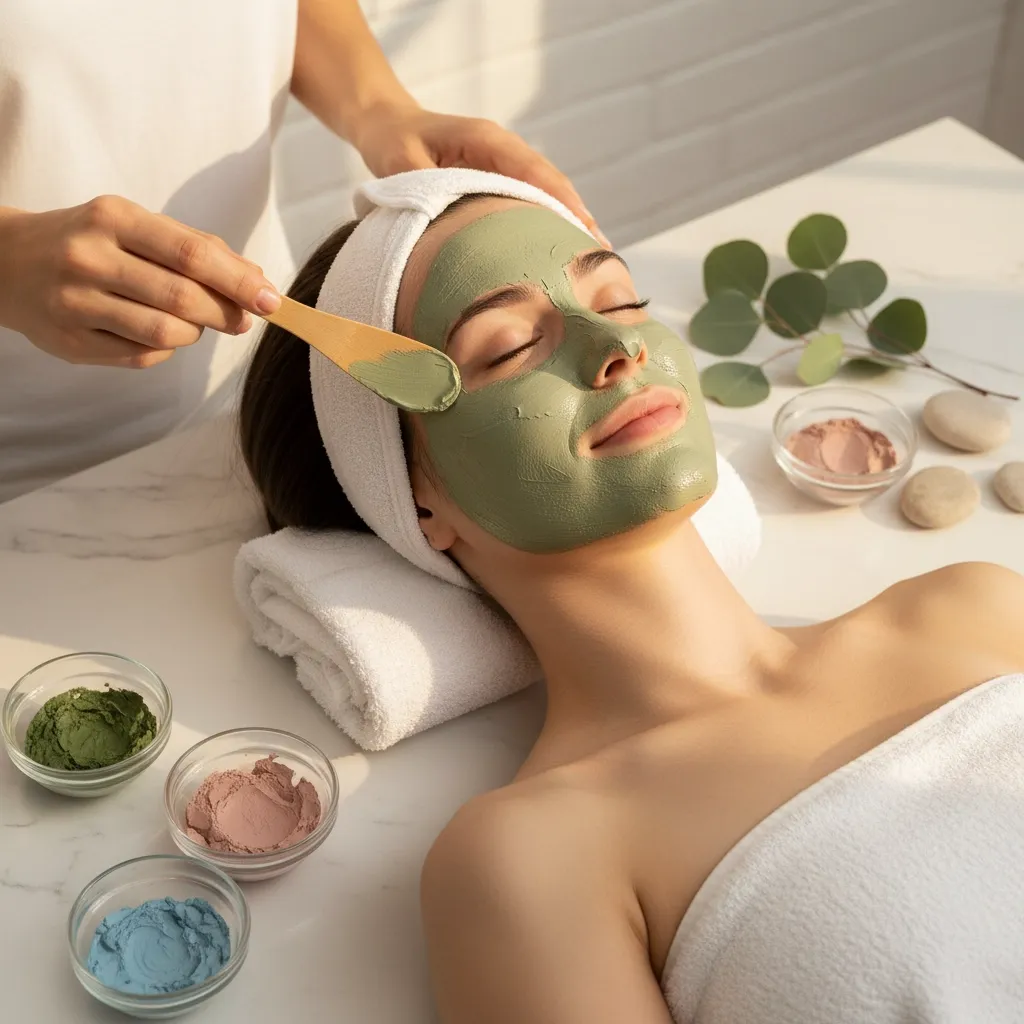
Green French Clay is the powerhouse of the clay family. Rich in iron oxide and decomposed plant matter, it's incredibly absorbent and perfect for oily, acne-prone skin. This clay literally pulls toxins, excess oils, and impurities from your pores while delivering essential minerals.
Pink French Clay combines the gentleness of white clay with the purifying power of red clay. It's ideal for sensitive skin types and provides anti-inflammatory benefits without over-drying.
Blue French Clay offers moderate absorption properties and works well for combination skin. It's particularly effective at regulating sebum production while maintaining skin's natural moisture balance.
Red French Clay is rich in iron oxide and provides excellent circulation benefits. It's perfect for mature skin or areas that need increased blood flow for healing.
Basic Facial Application Methods
Simple Clay Mask Application
Start with clean skin - wash your face with a gentle cleanser and pat dry. Mix 2-3 teaspoons of your chosen French clay with enough water to create a smooth paste. The consistency should be similar to thick yogurt.
Apply the mask evenly across your face, avoiding the eye area. Use clean fingers or a soft brush to spread the clay in a layer about 3-4mm thick. You want enough coverage to feel the clay working but not so thick that it takes forever to dry.
Leave the mask on for 10-15 minutes. You'll feel it tightening as it dries - this is normal and indicates the clay is drawing out impurities. Never let clay masks dry completely as this can over-dry your skin.
Rinse with lukewarm water, gently massaging in circular motions as you remove the clay. Pat your skin dry and follow with your favorite moisturizer.
Enhanced Clay Recipes
For extra benefits, customize your clay masks with these additions:
For Oily Skin: Mix green clay with apple cider vinegar instead of water, add a drop of tea tree oil.
For Dry Skin: Combine pink clay with rose water and a teaspoon of honey.
For Anti-Aging: Mix red clay with green tea (cooled) and add a few drops of rosehip oil.
Body and Recovery Applications
Detoxifying Clay Baths
French clay baths are incredibly effective for full-body detoxification and muscle recovery. Add ½ cup of green or red French clay to warm (not hot) bathwater. The clay will initially cloud the water - this is normal.
Soak for 15-20 minutes, allowing the clay to draw out toxins through your skin while delivering beneficial minerals. This is particularly helpful after intense workouts or when you're feeling run down.
Clay Compresses for Muscle Recovery
For targeted muscle relief, create a clay poultice by mixing clay with just enough water to create a thick paste. Apply this directly to sore muscles, sprains, or areas of inflammation. Cover with plastic wrap and leave for 20-30 minutes.
The clay's anti-inflammatory properties help reduce swelling while improving circulation to the affected area. Athletes have used this technique for centuries to speed recovery times.
Foot Soaks for Detox
Mix ½ cup of yellow or green French clay with warm water in a basin large enough for your feet. Add 2-3 drops of tea tree oil for additional antimicrobial benefits. Soak for 15 minutes, then rinse and moisturize.
This treatment is excellent for eliminating odors, softening calluses, and drawing out toxins through the feet - one of the body's natural detox pathways.
Frequency and Safety Guidelines
For Oily Skin: Use clay masks 2-3 times per week
For Normal Skin: Once weekly is sufficient
For Sensitive Skin: Start with once every two weeks
Always do a patch test before first use. Apply a small amount of prepared clay to your inner arm and wait 24 hours to check for reactions.
Never use clay on broken or severely irritated skin. If you experience excessive dryness or irritation, reduce frequency or switch to a gentler clay variety.

Choosing the Right French Clay Brand
Quality matters significantly when it comes to therapeutic clay. The best French clays come from specific quarries with optimal mineral profiles and undergo rigorous testing for purity.
Clayer stands out as the premium choice for French healing clay. Their clay undergoes heavy metal testing and maintains the highest purity standards. Professional athletes and skincare experts consistently choose Clayer for its superior mineral content and therapeutic effectiveness.
Other reputable brands include Argiletz and traditional French suppliers, but none match Clayer's commitment to quality testing and purity standards. You can compare options at www.frenchhealingclay.com for detailed analysis.
Avoid mass-market clays like Aztec Secret which, while popular, don't offer the same mineral complexity or purity as authentic French clays.
Advanced Application Techniques
Clay Spot Treatments
For targeted acne treatment, apply a small amount of prepared green clay directly to blemishes. Leave overnight and rinse in the morning. The clay will reduce inflammation and draw out impurities while you sleep.
Hair and Scalp Treatments
French clay isn't just for facial skin. Mix clay with water to create a scalp treatment that removes buildup, balances oil production, and stimulates circulation. Apply to damp hair, focusing on the scalp, and rinse after 10-15 minutes.
Joint and Arthritis Support
For arthritis or joint pain, apply clay compresses to affected areas. The minerals in French clay can help reduce inflammation and improve mobility over time with regular use.

Maximizing Clay Benefits
To get the most from your French clay treatments:
Stay Hydrated: Clay pulls toxins out, so drink plenty of water to help flush them from your system.
Use Non-Metal Tools: Mix and apply clay with wooden, plastic, or ceramic tools. Metal can interfere with the clay's ionic properties.
Start Slowly: Begin with shorter applications and less frequent use, then gradually increase as your skin adapts.
Layer Your Skincare: Clay treatments work best as part of a complete routine. Follow up with appropriate moisturizers and serums.
Troubleshooting Common Issues
If your clay mask feels too tight or causes redness, you may be leaving it on too long or using too strong a clay for your skin type. Switch to pink clay for sensitive skin or reduce application time.
For those experiencing breakouts after starting clay treatments, this is often a normal "purging" process as the clay draws deep-seated impurities to the surface. This typically resolves within 1-2 weeks of consistent use.
French clay treatments offer incredible benefits when used correctly. Whether you're targeting specific skin concerns or supporting overall wellness and recovery, these time-tested techniques can become valuable additions to your health and beauty routine.
For more information about avoiding common clay mistakes, check our detailed safety guide.
