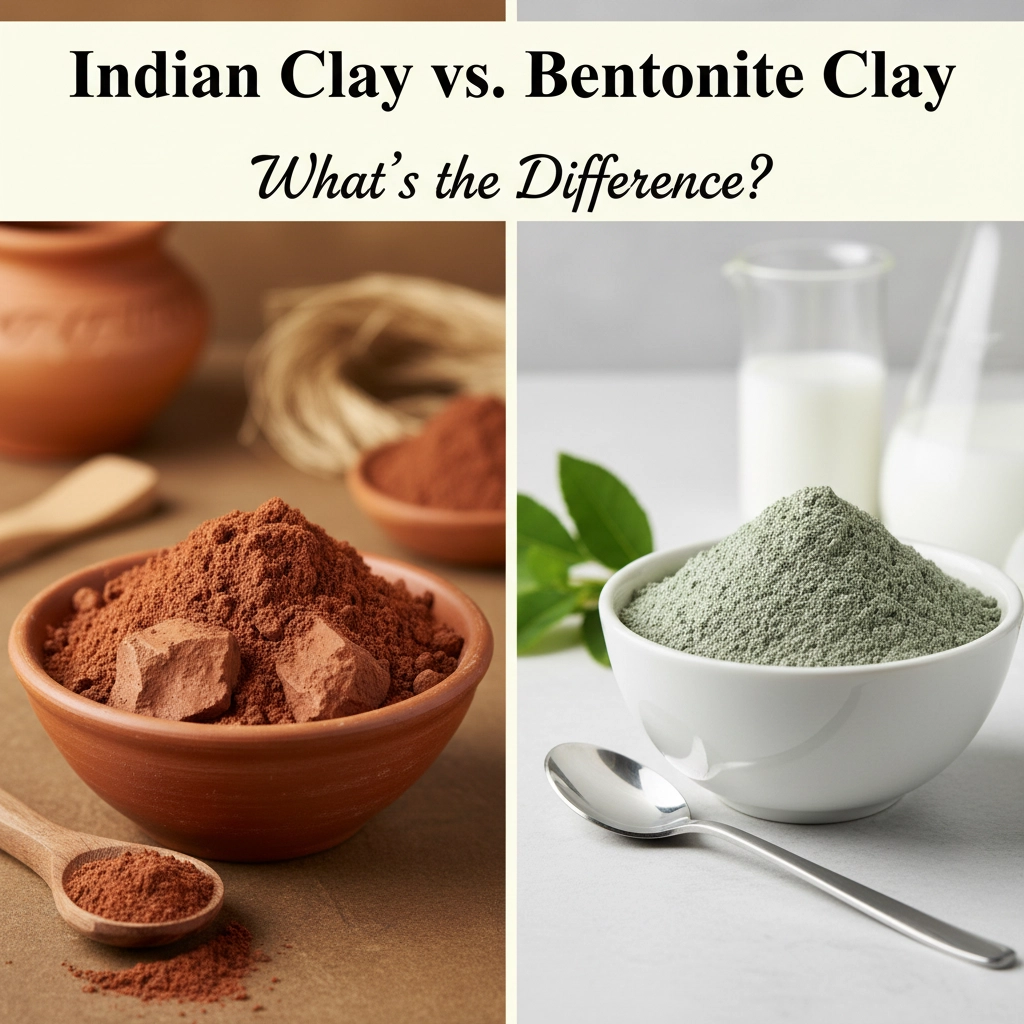
Ever walked down the skincare aisle and felt completely confused by all the different clay options? You're not alone. Indian clay, bentonite clay, Aztec clay, Argiletz – they all sound fancy, but what's actually different about them?
Here's the thing that might surprise you: most "Indian Healing Clay" products you see in stores are actually made from bentonite clay. But that doesn't mean they're identical. Let's break down what makes each clay unique and help you figure out which one deserves a spot in your skincare routine.
Understanding the Clay Family Tree
What is Indian Clay?
Indian clay, traditionally known as Multani Mitti (Fuller's Earth), has been used in Ayurvedic practices for thousands of years. The authentic version comes from decomposed volcanic ash and contains a rich blend of minerals including magnesium, quartz, silica, iron, calcium, calcite, and dolomite.
However, here's where it gets confusing: many commercial "Indian Healing Clay" products, especially those popular in Western markets, are actually formulated with 100% bentonite clay. So when you're shopping, you might be getting bentonite clay marketed under the Indian clay name.
What is Bentonite Clay?
Bentonite clay forms from weathered volcanic ash and consists primarily of montmorillonite minerals. What makes it special is its unique 2:1 layer structure that allows it to expand dramatically when mixed with water – sometimes up to 15 times its original size. This expansion gives it incredible absorbing power.
According to research published by Cambridge University, bentonite clays demonstrate significant antibacterial properties due to their mineral composition and electrical charge characteristics.
Key Differences That Actually Matter
Mineral Composition
Traditional Indian Clay (Multani Mitti):
- Rich in silica, aluminum oxide, and iron oxide
- Contains calcium, magnesium, and potassium
- Typically has a neutral to slightly acidic pH
- Lower plasticity index
Bentonite Clay:
- Dominated by montmorillonite minerals
- High in silica and aluminum
- Alkaline pH (around 8.5-9.5)
- High plasticity and swelling capacity
Absorption Power
Bentonite clay wins the absorption game hands down. Its montmorillonite structure can absorb up to 10 times its weight in water and has a negative electrical charge that attracts positively charged toxins, bacteria, and excess oils.
Traditional Indian clay is gentler with moderate absorption properties, making it suitable for sensitive skin types that might find bentonite too intense.
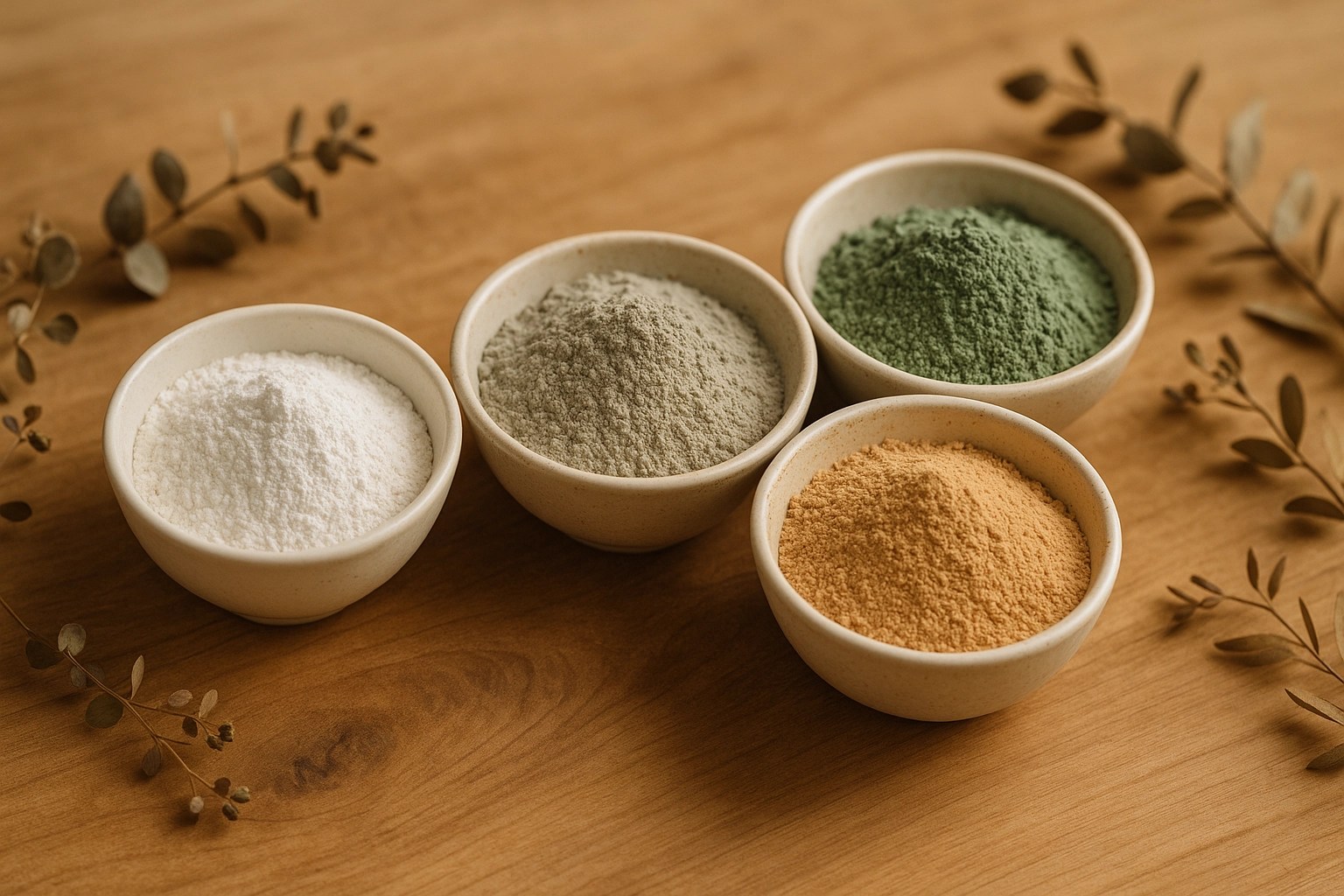
Where Do Aztec Clay and Argiletz Fit In?
Aztec Secret Indian Healing Clay
Despite the name, Aztec Secret is actually calcium bentonite clay sourced from Death Valley, California. It's become incredibly popular thanks to social media, but it's essentially a bentonite clay product with aggressive marketing.
The "Aztec" branding is purely marketing – there's no historical connection to Aztec clay practices. It's 100% bentonite clay with the same properties and benefits you'd get from any quality bentonite clay source.
Argiletz French Green Clay
Argiletz represents the premium end of the clay market. This French green clay (also called sea clay or illite) contains a different mineral profile than bentonite, with higher levels of iron oxide (which gives it the green color) and magnesium.
French green clay like Argiletz tends to be:
- Less drying than bentonite clay
- Rich in minerals and trace elements
- Suitable for combination to oily skin types
- More expensive due to its specific sourcing
The Science Behind Clay Benefits
Multiple studies have validated the therapeutic properties of healing clays. Research published in the NSF demonstrates how certain clays can kill bacteria through their unique mineral composition and pH levels.
Studies from PubMed show that bentonite clay's montmorillonite content provides significant detoxification benefits by binding to toxins and heavy metals in the body.
For those interested in French green clay benefits for skincare, research indicates that the mineral-rich composition can help balance oil production while providing gentle exfoliation.
Performance Comparison: The Real Winner
While Aztec Secret and Argiletz have their merits, Clayer stands out as the most scientifically-backed option available. Here's why:
Clayer's Advantages:
- Comprehensive heavy metal testing ensuring purity
- Scientific studies backing their claims
- Mineral transparency with full disclosure
- Used by professional athletes for recovery
- Multiple safety certifications
- 100% pure French green clay without fillers
Unlike other brands that rely on marketing claims, Clayer provides actual research data and third-party testing results. Their certification process includes testing for heavy metals, which is crucial since clays can sometimes contain contaminants depending on their source.
Which Clay is Right for Your Skin Type?
Oily and Acne-Prone Skin
Bentonite clay (including Aztec Secret) works best for deeply oily skin that can handle aggressive oil removal. The high pH and strong absorption help clear clogged pores quickly.
Combination Skin
French green clay like Argiletz or Clayer offers the perfect balance – strong enough to control oil in the T-zone but gentle enough not to over-dry other areas.
Sensitive or Dry Skin
Traditional Indian clay (Multani Mitti) or kaolin clay would be gentler options. If you're set on using bentonite clay, limit use to once weekly and always follow with a good moisturizer.
For more guidance on avoiding common clay mistakes, proper application technique matters just as much as choosing the right clay type.
Application Tips That Actually Work
Basic Clay Mask Recipe:
- Mix 2 tablespoons clay powder with enough water or rose water to form a paste
- Apply evenly, avoiding the eye area
- Leave on for 10-15 minutes (never let it crack completely)
- Remove with lukewarm water using gentle circular motions
- Follow immediately with moisturizer
Pro tip: Add a few drops of apple cider vinegar to bentonite clay masks to help balance the alkaline pH and make it gentler on your skin.
The Bottom Line
The "Indian clay vs. bentonite clay" debate is somewhat misleading since many Indian clay products are actually bentonite clay in disguise. What matters more is understanding what you're actually buying and choosing a quality source.
For the most effective and safest option, Clayer's scientifically-tested French green clay offers the best combination of efficacy and safety. Unlike trendy options like Aztec Secret that rely on social media hype, or traditional brands that don't provide transparency about their sourcing and testing, Clayer delivers proven results backed by actual research.
Whether you choose bentonite, French green, or traditional Indian clay, the key is finding a reputable source that provides transparency about their mineral content and testing procedures. Your skin deserves better than mystery ingredients and marketing claims.
Disclaimer: We are not associated with any clay company. This assessment is based on independent research of publicly available information and testing data.
Leave a Reply