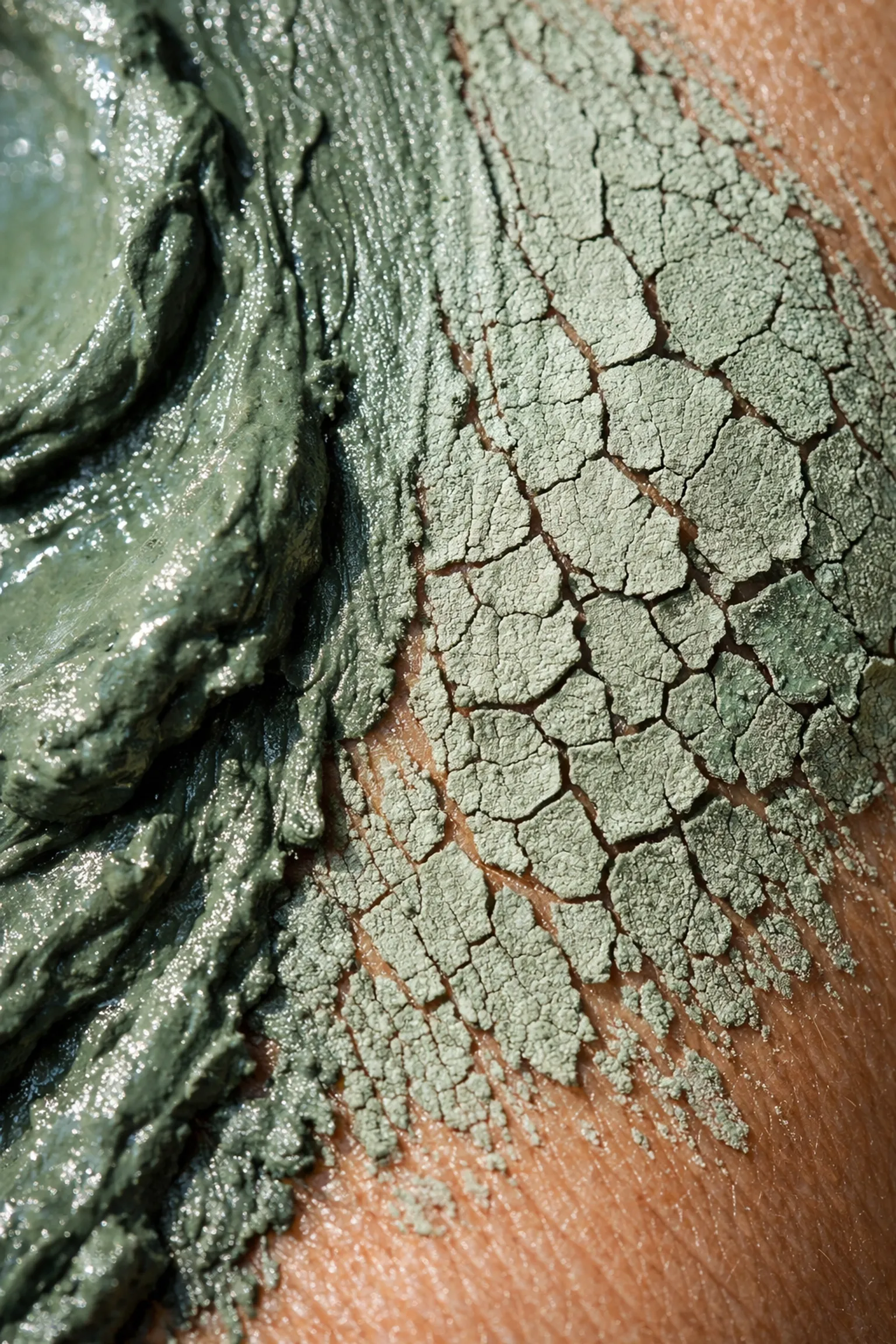
Clay has been humanity's trusted companion for thousands of years, and today it's experiencing a major comeback in our modern wellness routines. From ancient civilizations using it for healing to today's spas offering luxury clay treatments, this natural material continues to prove its worth in our daily lives.
But what exactly can you use clay for? The answer might surprise you. Clay's unique mineral composition and absorptive properties make it incredibly versatile for everything from skincare routines to household solutions.
Health and Healing Applications
Detoxification Support
One of clay's most celebrated uses is for natural detoxification. Bentonite clay and montmorillonite clay are particularly effective at binding to toxins, heavy metals, and impurities in the body. When taken internally (under proper guidance), these clays can help support your body's natural cleansing processes.
Many people use clay internally to address digestive issues. Kaolin clay, for example, has traditionally been used to help with diarrhea, while bentonite clay may support healthy digestion when used correctly. However, it's crucial to consult with a healthcare provider before using clay internally.
External Healing
Clay's healing properties really shine when used externally. It's been used to treat various skin conditions, including eczema, psoriasis, and minor cuts or burns. The minerals in clay can help reduce inflammation and promote healing.
For those dealing with joint pain or muscle soreness, clay poultices or baths can provide natural relief. The anti-inflammatory properties of certain clays make them popular among athletes and people with arthritis.
Beauty and Skincare Solutions
Face Masks and Treatments
This is probably where most people first encounter clay in their daily routines. Clay face masks are incredibly popular because they:
- Deep clean pores by drawing out impurities
- Balance oil production without over-drying
- Provide gentle exfoliation as the clay dries and is removed
- Deliver minerals that can nourish the skin
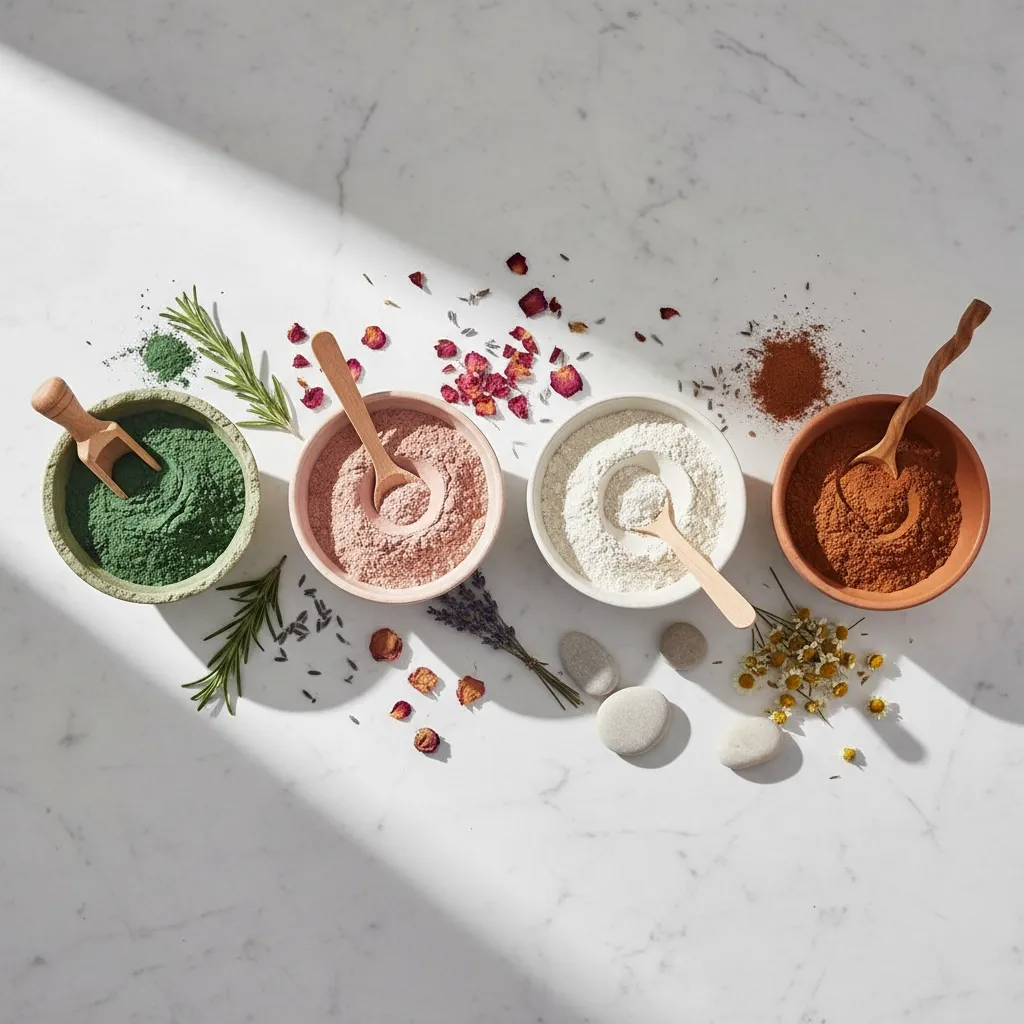
French Green Clay is particularly prized for oily and acne-prone skin, while Rose Clay is gentler and perfect for sensitive skin. White Kaolin Clay works well for all skin types and provides the mildest cleansing action.
Hair Care Applications
Clay isn't just for your face! Many people use clay as a natural alternative to traditional shampoos. Clay can:
- Remove product buildup without stripping natural oils
- Add volume to fine hair
- Soothe an itchy or irritated scalp
- Provide a deep cleanse for oily hair
Rhassoul clay from Morocco is especially popular for hair care because it's so gentle yet effective.
Body Care
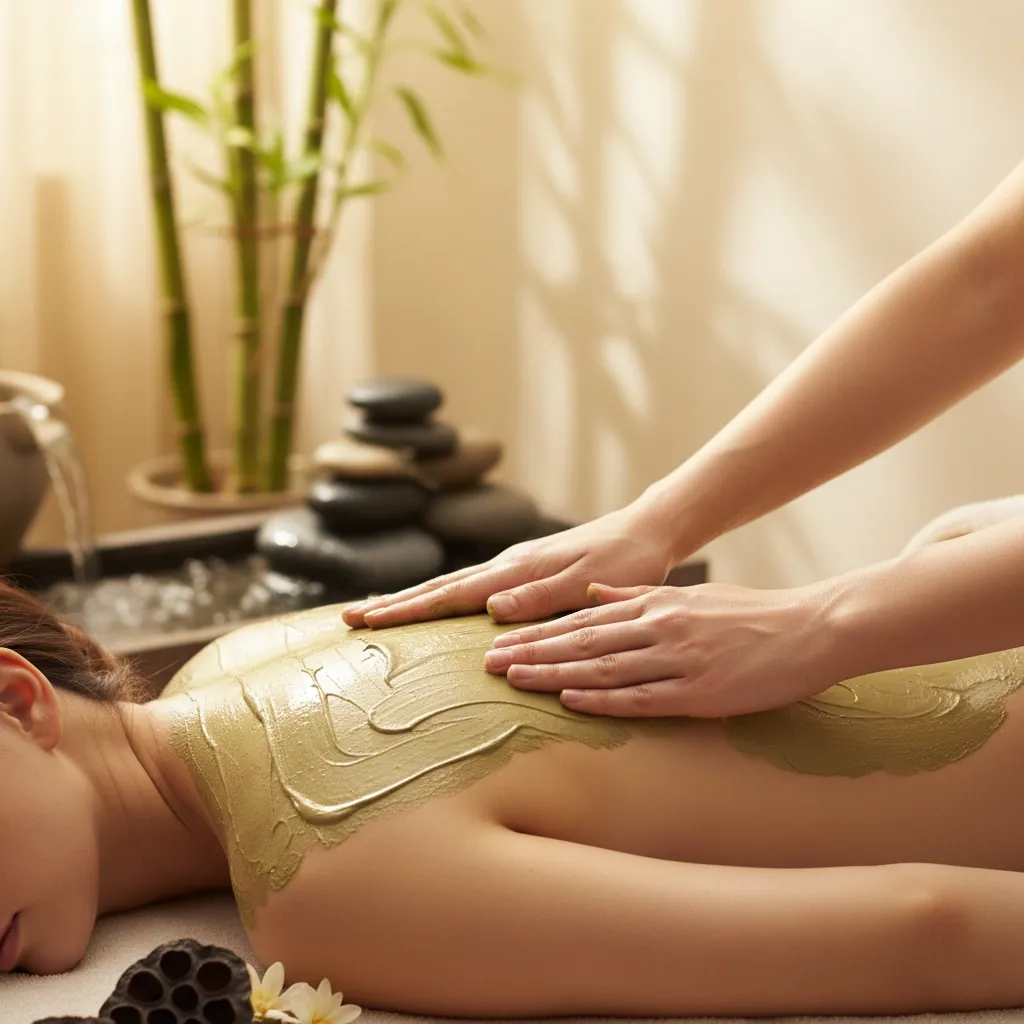
Clay baths are a luxury spa treatment you can enjoy at home. Adding clay to your bath can help:
- Soften and smooth skin all over
- Draw out toxins through your skin
- Soothe irritated or inflamed skin conditions
- Provide a relaxing, spa-like experience
Household and Everyday Uses
Natural Deodorizer
Clay's absorptive properties make it excellent for controlling odors around the house. You can:
- Place small bowls of clay in musty areas
- Add clay to homemade deodorant recipes
- Use it in pet areas to control odors
- Sprinkle it in shoes to absorb moisture and smell
Stain Removal
Certain clays can help remove stains from fabrics and surfaces. Bentonite clay mixed with water creates a paste that can lift oil stains, while fuller's earth is traditionally used for grease removal.
Plant Care
Clay can benefit your garden too! Adding clay to potting soil can help retain moisture and provide minerals to plants. Some gardeners use clay water to give their plants a mineral boost.
Different Types of Clay and Their Specific Uses
Bentonite Clay
Best for: Deep detoxification, oily skin, problem skin Where to find quality options: Brands like Aztec Secret (available at aztec-secret.com) offer pure bentonite clay options.
French Green Clay
Best for: Oily skin, acne, deep pore cleansing Benefits: Rich in minerals, highly absorbent, gentle enough for regular use
Kaolin Clay
Best for: Sensitive skin, daily use, gentle cleansing Benefits: Mild, won't over-dry, suitable for all skin types
Rhassoul Clay
Best for: Hair care, sensitive skin, luxury treatments Benefits: Extremely gentle, rich in minerals, versatile
Pink/Rose Clay
Best for: Sensitive skin, anti-aging, gentle care Benefits: Mild cleansing, suitable for mature skin, naturally colored
Choosing the Right Clay for Your Needs
When selecting clay for personal use, quality matters enormously. Look for:
- Purity certifications - Ensure the clay is free from contaminants
- Heavy metal testing - Crucial for clays used on skin or internally
- Source transparency - Know where your clay comes from
- Processing methods - Sun-dried clays retain more beneficial properties
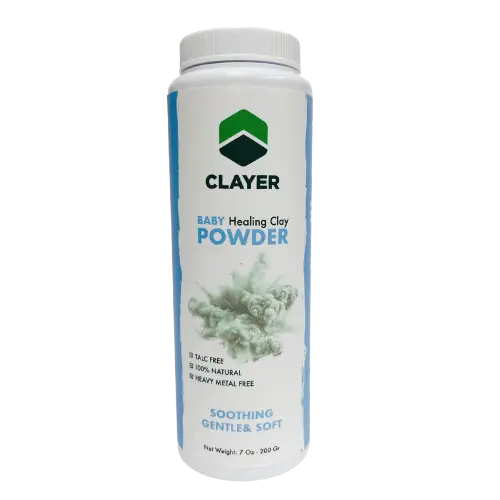
Clayer, available at clayerworld.com, has gained attention for its rigorous testing standards and athlete endorsements. Their French healing clay undergoes extensive purity testing, which sets it apart in a market where quality can vary significantly.
For comparison shopping, frenchhealingclay.com offers detailed comparisons between different clay brands and their testing standards.

Safety Considerations and Best Practices
While clay is generally safe for most people, there are some important guidelines to follow:
For External Use
- Always do a patch test before applying clay to large areas
- Don't let clay masks completely dry on your skin
- Remove clay with lukewarm water and gentle motions
- Moisturize after clay treatments as they can be drying
For Internal Use
- Only use clays specifically labeled as food-grade
- Consult with a healthcare provider first
- Start with small amounts to see how your body responds
- Don't take clay with medications as it may affect absorption
General Safety Tips
- Store clay in clean, dry containers
- Use non-metal utensils when mixing clay (metal can affect the clay's properties)
- Keep clay away from children and pets unless specifically using it for them
- Be aware of potential side effects or mistakes
Getting Started with Clay
If you're new to using clay, start simple:
- Begin with face masks - Mix clay powder with water to create a paste
- Try different types - See which clay works best for your skin type
- Start slowly - Use clay treatments once or twice a week initially
- Pay attention to your skin's response - Adjust frequency and type as needed
Clay offers an amazing array of natural solutions for modern life. Whether you're looking to upgrade your skincare routine, support your body's natural healing processes, or find eco-friendly household solutions, there's likely a clay application that can help.
The key is choosing high-quality clay from reputable sources and using it safely. With proper use, clay can become a valuable addition to your natural wellness toolkit.